
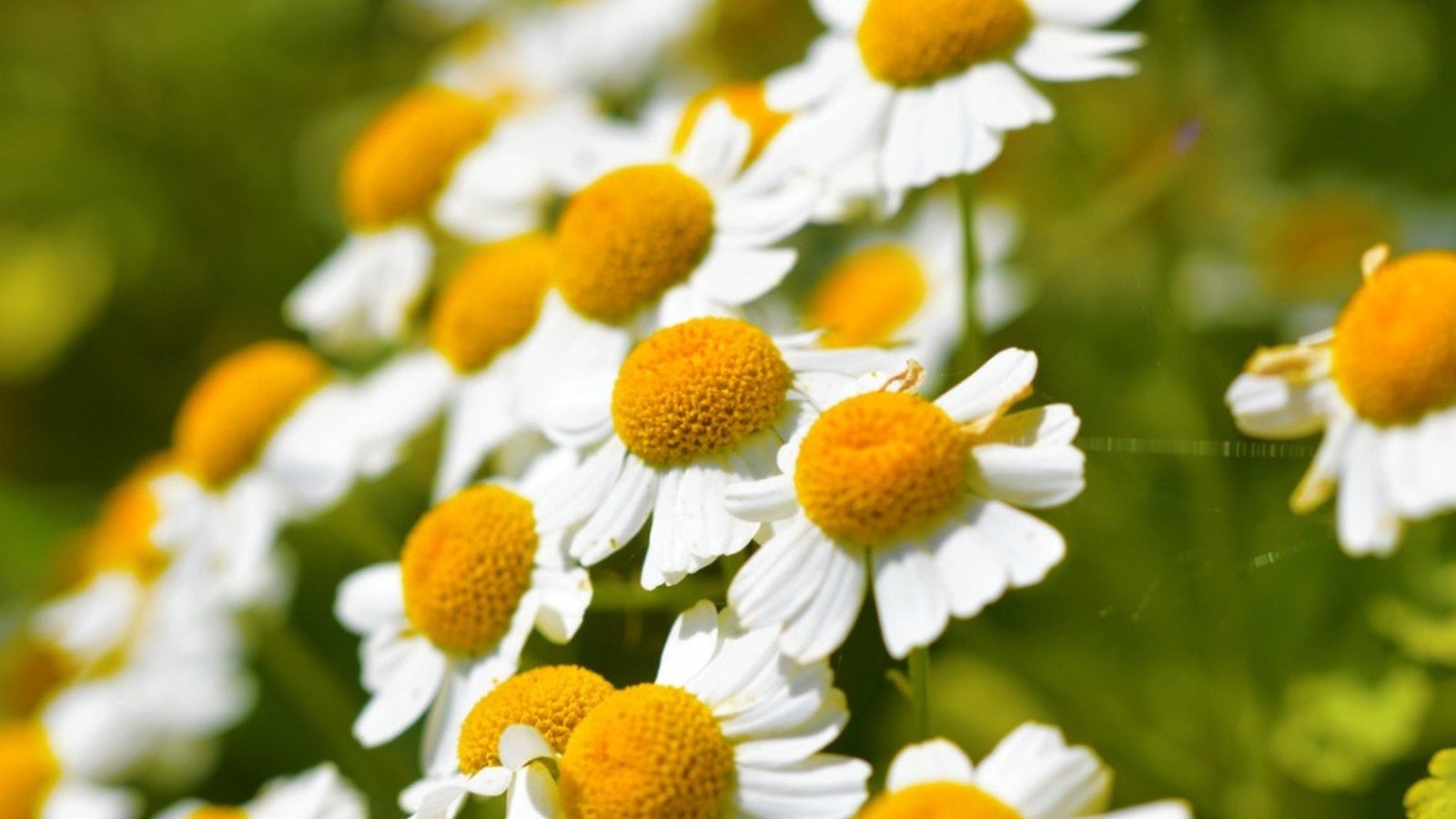
The feverfew plant (Tanacetum parthenium) is a flowering herb with small, daisy-like blooms and aromatic, deeply divided leaves. It grows well in sunny garden beds with good drainage and needs little care once established, making it a useful choice for cottage gardens, herb beds, and informal borders.
TL;DR
- The feverfew plant grows best in full sun and light, well-drained soil.
- Sow seeds on the soil surface because they need light to germinate.
- Water young plants regularly while their roots develop, then water during dry spells.
- Remove spent flowers to limit self-seeding and keep plants tidy.
- Wear gloves when handling feverfew if you have sensitive skin, as contact may cause irritation.
What is the feverfew plant?
The feverfew plant is a short-lived perennial herb in the daisy family, Asteraceae. It produces clusters of small white flowers with yellow centres and aromatic green leaves that have deep, irregular divisions.
Feverfew is also known as bachelor’s buttons and wild chamomile. Despite its chamomile-like appearance, it belongs to the genus Tanacetum, not Matricaria, where German chamomile is classified.
Gardeners grow feverfew for its summer flowers and its ability to spread from seed. The plant suits informal borders and herb gardens, where its small blooms add a light, daisy-like appearance among other plants.
Feverfew is also known for its traditional medicinal use. However, growing the plant does not make it safe to consume or use as a home remedy. Keep gardening and medicinal use separate, and seek qualified medical advice before using feverfew for health purposes.
How to care for the feverfew plant
The feverfew plant grows best outdoors in full sun, in soil that drains freely after rain. It tolerates a range of ordinary garden soils, but heavy, waterlogged ground can damage the roots.
Use the following care guide when choosing a planting spot and setting up a watering routine.
| Care factor | What feverfew needs |
|---|---|
| Light | Full sun, with partial shade tolerated |
| Water | Regular watering while young, with extra water during prolonged dry spells |
| Soil | Light, well-drained soil |
| Feeding | Little feeding in average garden soil |
| Flowering | Usually summer, depending on climate and sowing time |
| Pruning | Remove spent flowers and cut back after flowering |
| Propagation | Seeds, division, or basal cuttings |
Light needs
Choose a sunny outdoor position where the plant receives several hours of direct sunlight each day. Full sun encourages good flowering and compact growth.
In a very hot climate, light afternoon shade can help reduce heat stress. Avoid deep shade, where stems may stretch towards the light and flowering may be reduced.
Watering schedule
Water newly sown seeds and young plants often enough to keep the soil lightly moist. Once the roots are established, feverfew usually needs less attention.
Check the soil before watering. If the surface is still damp, wait a little longer. During hot, dry weather, water deeply when the soil begins to dry rather than giving the plant frequent, shallow watering.
Poor drainage is a greater concern than occasional dry soil. Never leave feverfew sitting in waterlogged ground or in a pot without drainage holes.
Soil and feeding
Feverfew grows in a range of soil types, provided excess water can drain away. Sandy or loamy soil is a good choice, while heavy clay may need improvement before planting.
Work compost into poor soil if needed, but avoid excessive feeding. Rich soil and heavy fertiliser use can encourage soft, leafy growth instead of a compact plant with sturdy stems.
If growing feverfew in a container, use a free-draining potting mix and a pot with drainage holes.
How to grow feverfew from seed
You can grow the feverfew plant from seed in spring, either directly in a prepared garden bed or in seed trays. The seeds need light to germinate, so press them gently onto the soil surface instead of burying them deeply.
Follow these steps for reliable sowing:
- Prepare a sunny spot with loose, well-drained soil, or fill a seed tray with a fine potting mix.
- Scatter the small seeds over the surface and press them gently into place.
- Mist the soil lightly to keep it moist without washing the seeds away.
- Place the tray in a bright spot and keep the soil lightly moist while the seeds germinate.
- Once seedlings are large enough to handle, transplant them outdoors after the risk of frost has passed in your area.
Space outdoor plants about 25 to 30 cm apart to give them room to grow. Check local weather conditions before transplanting, especially in regions with very hot summers or heavy seasonal rain.
How to prune feverfew and control self-seeding
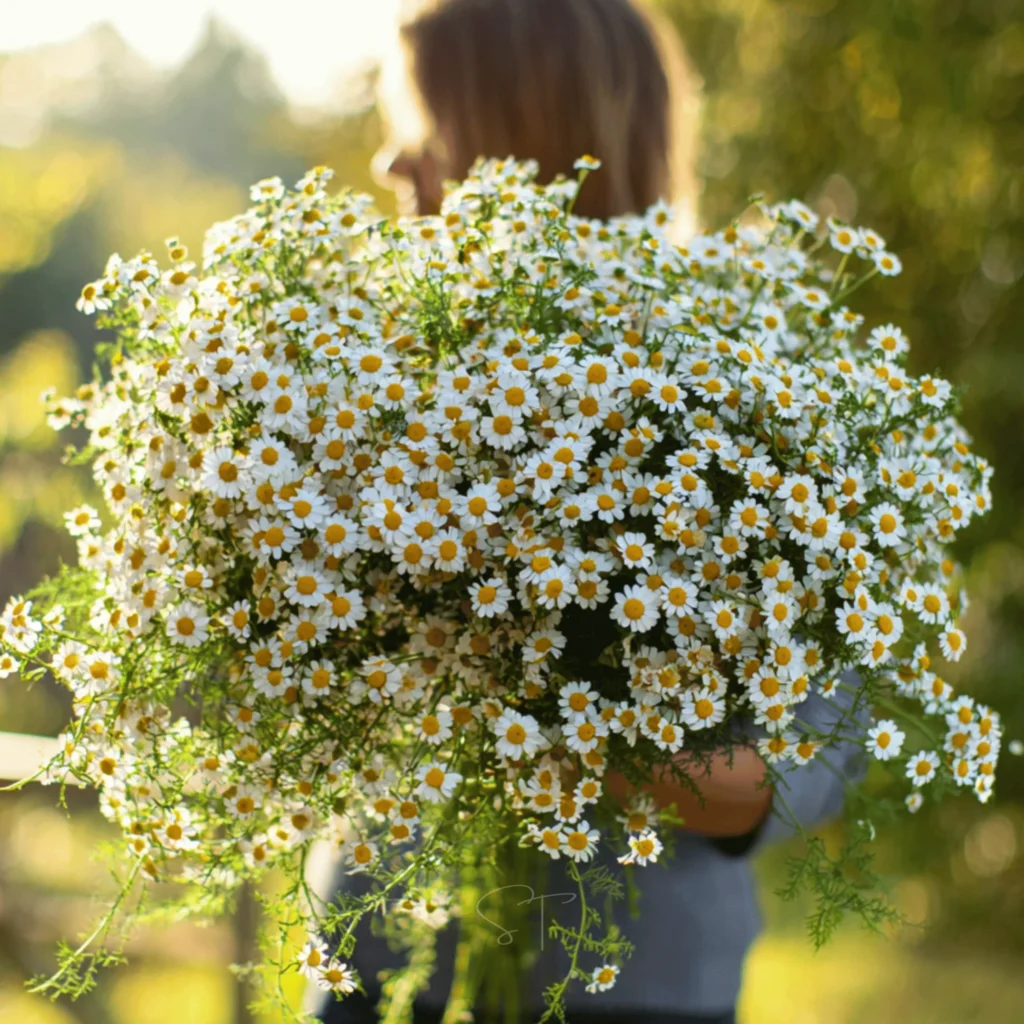
Prune feverfew after flowering to keep the plant tidy and encourage fresh growth. Remove individual flower heads as they fade if you want to limit the number of seedlings appearing around the garden.
Feverfew can spread readily when its flowers mature and release seeds. This is useful if you want a natural-looking patch, but it can become a nuisance in a small bed.
Use clean garden scissors to remove spent flower stems. At the end of flowering, cut back the remaining stems and clear away plant debris.
If you want more feverfew plants, leave a few flower heads to mature and drop their seeds. You can also collect the dry seeds and sow them where you want new plants to grow.
How to propagate feverfew
Feverfew can be propagated from seeds, by dividing established clumps, or from basal cuttings taken near the base of the plant. Seeds are usually the easiest option for beginners, while division helps you produce new plants from an existing one.
To divide a plant, lift a healthy clump in spring and separate it into smaller sections with roots and shoots attached. Replant each section in well-drained soil and water it thoroughly.
For basal cuttings, take healthy new shoots from the base and place them in a suitable rooting medium. Keep the medium lightly moist while the cuttings establish roots.
Common feverfew plant problems
Feverfew is generally easy to grow, but poor drainage, unsuitable light, and uncontrolled self-seeding can cause problems.
| Problem | Likely cause | What to do |
|---|---|---|
| Yellowing leaves | Waterlogged soil or root stress | Check drainage and allow excess water to escape. |
| Long, weak stems | Too little sunlight | Move container plants to a sunnier position. |
| Few flowers | Insufficient light or excessive feeding | Increase sunlight and avoid heavy fertiliser use. |
| Seedlings spreading everywhere | Uncontrolled self-seeding | Remove spent flowers before seeds mature. |
| Aphids on young growth | Sap-feeding insects | Inspect new shoots and remove small infestations with a gentle stream of water. |
The Royal Horticultural Society also warns that contact with feverfew can irritate the skin. Wear gardening gloves when pruning or handling the plant, especially if you have sensitive skin.
When is the feverfew plant a good fit?
Feverfew is a good choice for sunny herb beds, informal flower borders, and gardens where self-seeding is welcome. Its small white flowers also work well as cut flowers for simple indoor arrangements.
It may be less suitable for a very small garden where spreading seedlings are difficult to manage. In that case, grow feverfew in a container or remove spent flowers before they produce seeds.
In hot, humid climates, watch the plant closely during the wet season. Choose a spot with good drainage and airflow, and avoid keeping the soil constantly wet. Local climate and growing conditions will affect how well feverfew performs.
Frequently asked questions about the feverfew plant
Is the feverfew plant easy to grow?
Yes. Feverfew is generally easy to grow in a sunny spot with well-drained soil. Water young plants regularly and remove spent flowers if you want to control its spread.
Does feverfew come back every year?
Feverfew is a short-lived perennial, so an established plant may return for more than one season. It also self-seeds readily, allowing new seedlings to replace older plants.
How much sunlight does feverfew need?
Feverfew grows best in full sun but can tolerate partial shade. In very hot climates, some afternoon shade may help protect it from excessive heat.
Can I grow feverfew in a pot?
Yes. Choose a pot with drainage holes and fill it with a free-draining potting mix. Place it in a sunny location and water when the soil begins to dry.
When does feverfew flower?
Feverfew usually flowers in summer, although the timing depends on the climate, growing conditions, and sowing date. Regular deadheading can help keep the plant tidy.
Does feverfew spread in the garden?
Yes. Feverfew readily produces seeds that can grow into new plants nearby. Remove spent flowers before they mature if you want to prevent unwanted seedlings.
Is feverfew safe to handle?
Contact with feverfew may irritate the skin, so wear gloves when handling it. Do not assume that a plant is safe to eat or use medicinally simply because it is grown as an herb.