
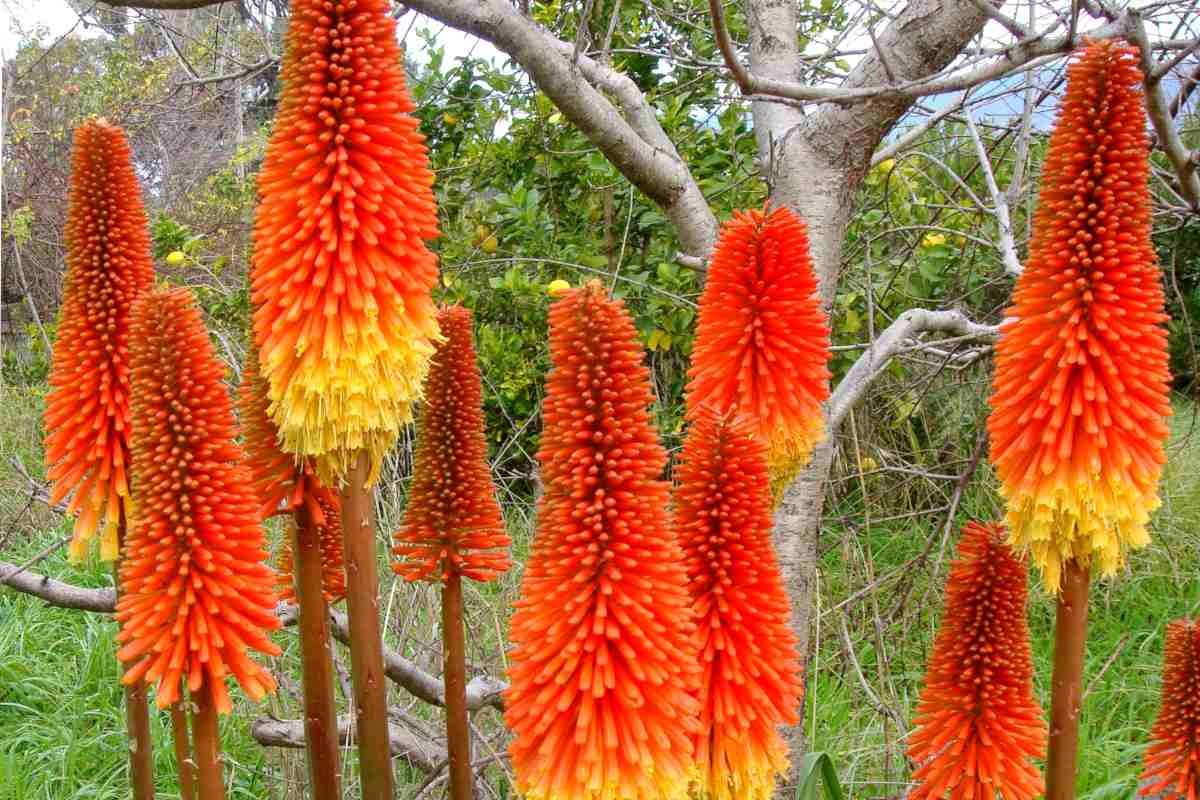
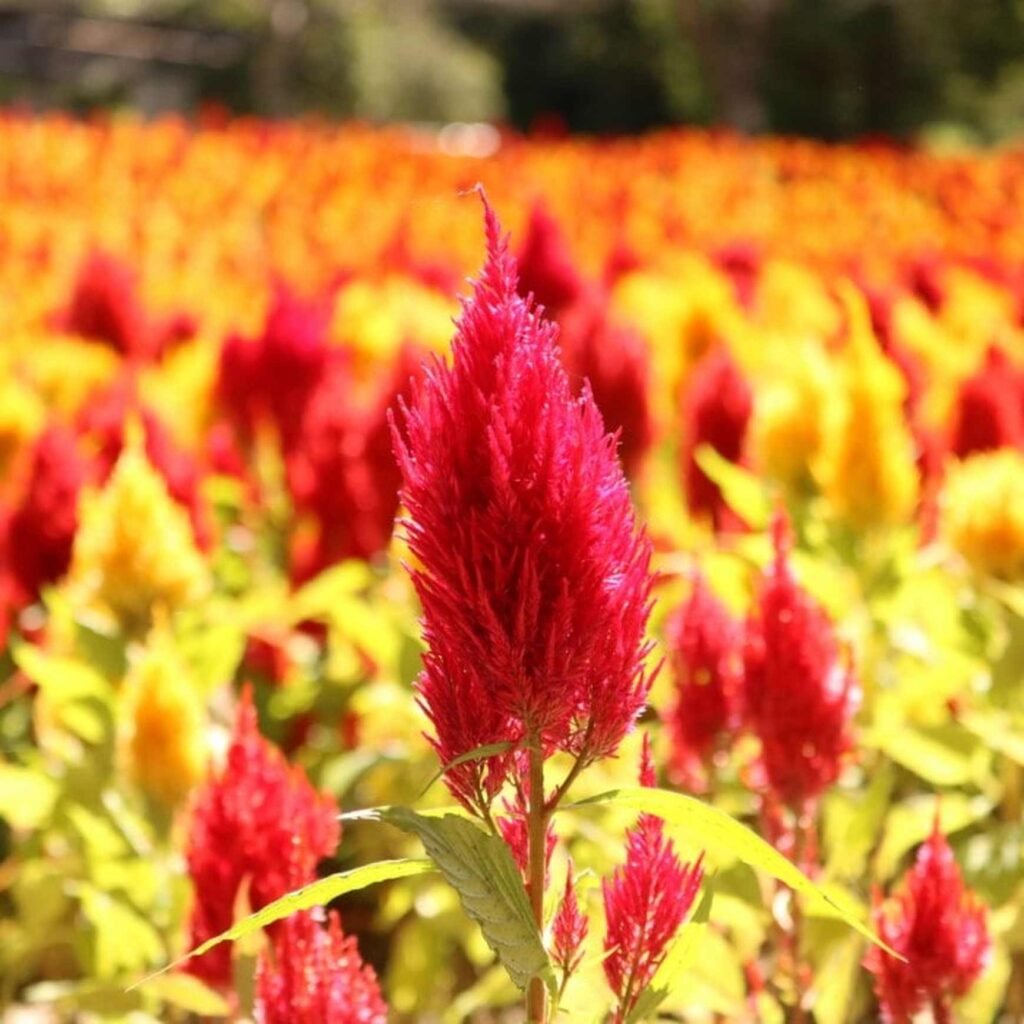
The fire plant shown here is a type of celosia, likely Celosia argentea var. plumosa, grown for its upright, flame-shaped flower heads in vivid red, orange, and yellow. It adds strong color to flower beds, borders, and containers. With plenty of sunlight, warm weather, and well-drained soil, this ornamental plant can produce colorful blooms throughout the warm growing season.
TL;DR: Fire Plant Care at a Glance
- Botanical type: Plumed celosia, commonly sold in colorful ornamental varieties.
- Sunlight: Full sun is best for strong stems and abundant flowers.
- Watering: Keep the soil lightly moist while young, then water when the surface begins to dry.
- Soil: Use fertile, well-drained soil that does not remain waterlogged.
- Growth habit: Usually grown as a warm-season annual, with flower colors that may include red, orange, yellow, and pink.
- Main care tip: Give the plant warmth and sunlight, and avoid overwatering.
What Is the Fire Plant?
The fire plant in the photo appears to be a plumed celosia, a flowering ornamental grown for its feathery, upright blooms. The name “fire plant” is a common name rather than a precise botanical name, so the exact cultivar cannot be confirmed from the photo alone. The plant is often sold under names that refer to its fiery red or orange flower colors.
Celosia belongs to the amaranth family. Depending on the type, its flower heads may look like soft feathers, upright flames, or folded crests. The plant in your photo has tall, pointed plumes and narrow green leaves, which are typical of plumed celosia.
Gardeners grow celosia for its long-lasting color and its ability to thrive in warm weather. It works well in mixed flower beds, along sunny borders, and in pots on patios or balconies.
How Much Sunlight Does a Fire Plant Need?
Fire plants grow best in full sun, ideally receiving around six hours or more of direct sunlight each day. Strong light helps the stems stay sturdy and encourages plenty of colorful flower plumes.
In hot climates, including areas with intense summer sun, the plant can usually tolerate full sunlight if it receives enough water and grows in suitable soil. Container-grown plants may need more frequent watering because pots dry out faster than garden beds.
If the plant receives too little light, it may develop weaker stems and produce fewer flowers. Place it in the sunniest suitable spot available, while allowing enough space for air to circulate around the foliage.
Best Soil for Growing Fire Plant
Fire plants need soil that drains well while retaining enough moisture for steady growth. A loose garden soil enriched with compost is a good choice. Avoid heavy soil that stays wet after rain, as excess moisture can damage the roots.
For container growing, use a quality potting mix in a pot with drainage holes. Do not let water collect in the saucer beneath the container.
Before planting, loosen the soil and remove weeds. If the soil is poor, mix in a modest amount of mature compost. Too much fertilizer or overly rich soil can encourage leafy growth at the expense of flowers.
How to Water a Fire Plant
Water your fire plant regularly while it is establishing roots. Once it begins growing well, check the soil before watering. If the top layer feels dry, water thoroughly and allow excess water to drain away.
The plant needs more frequent attention during hot, dry weather, particularly when grown in pots. Water near the base of the plant rather than repeatedly soaking the flower heads and leaves.
Avoid keeping the roots constantly wet. Yellowing leaves, weak growth, and soft stems can indicate that the soil is staying too damp. Good drainage and sensible watering help prevent root rot.
Temperature and Humidity Requirements
Celosia grows best in warm conditions and is sensitive to cold weather. Plant it outdoors after cold nights have passed. In warm regions, it can grow well during the sunny growing season, provided the soil drains properly.
The fire plant is a suitable choice for many tropical and subtropical gardens. However, heavy rain and waterlogged soil can cause problems even when temperatures are favorable. In rainy weather, raised beds or containers with good drainage can help protect the roots.
If you grow celosia in a cooler climate, treat it as an annual flower. It generally completes its life cycle within one growing season rather than reliably surviving winter outdoors.
How to Grow Fire Plant From Seeds
Growing fire plant from seed is a practical way to raise several plants for a flower bed or container display. Celosia seeds are small, so handle them carefully when sowing.
- Fill a seed tray or small pots with a fine, well-drained seed-starting mix.
- Sow the seeds on the surface and cover them lightly, following the seed packet directions.
- Keep the mix evenly moist but not waterlogged.
- Place the tray in a warm, bright location.
- Once seedlings have developed several true leaves, transplant them carefully into individual pots or the garden.
- Space plants according to the expected size of the variety and allow room for air circulation.
Move seedlings outdoors gradually if they have been raised indoors. This helps them adjust to stronger sunlight and outdoor conditions.
Common Fire Plant Problems and How to Fix Them
Fire plants are generally straightforward to grow, but unsuitable growing conditions can affect their appearance and flowering.
| Problem | Possible cause | What to do |
|---|---|---|
| Yellow leaves | Overwatering or poor drainage | Let the surface soil dry slightly and improve drainage |
| Few flowers | Insufficient sunlight or excess fertilizer | Move the plant to a sunnier location and reduce feeding |
| Weak, leaning stems | Low light, crowded growth, or heavy flower heads | Provide more sunlight and space plants appropriately |
| Brown leaf edges | Dry soil or heat stress | Check soil moisture and water when needed |
| Soft stems or root damage | Soil staying too wet | Improve drainage and remove badly affected plants |
Check the plant regularly, especially during prolonged wet weather. Correcting the growing conditions early is often more effective than adding treatments without knowing the cause.
How to Use Fire Plant in Your Garden
The upright red plumes of the fire plant work well in sunny flower beds, along borders, and in decorative containers. You can plant several together for a block of color or mix them with yellow, orange, and pink annual flowers.
The ‘Forest Fire’ cultivar is known for scarlet plumes and darker foliage, although the exact colors and height depend on the variety and growing conditions. In the photo, the red flower heads stand out against yellow blooms, creating a strong color contrast.
Celosia also makes a useful cut flower. Cut stems when the flower heads are well developed and place them in fresh water. Some plumed varieties can be dried by hanging the stems upside down in a dark, well-ventilated place.
Frequently Asked Questions About Fire Plant
Is the fire plant an annual or a perennial?
Most garden celosias, including ‘Forest Fire’, are grown as annuals. They grow, flower, and produce seeds during one growing season. They are sensitive to cold and generally do not survive freezing conditions.
Can a fire plant grow in pots?
Yes. Choose a pot with drainage holes and use a loose potting mix. Place the container where the plant receives plenty of direct sunlight. Check moisture more often in warm weather because container soil dries faster than garden soil.
How often should I water a fire plant?
There is no fixed watering schedule that suits every garden. Check the soil and water when the surface begins to dry. Plants in small pots or exposed to hot, dry weather may need watering more often than those growing in garden beds.
Why is my fire plant not flowering?
Insufficient sunlight, excessive fertilizer, or unsuitable growing conditions may reduce flowering. Give the plant a sunny position, use well-drained soil, and avoid excessive feeding that encourages leaves instead of flowers.
Can I grow fire plant in a hot climate?
Yes. Celosia generally performs well in warm weather and can suit tropical and subtropical gardens. During very hot periods, keep an eye on soil moisture, particularly in pots, and provide good drainage during heavy rain.
Does fire plant need pruning?
Regular pruning is usually unnecessary. Remove damaged leaves and spent flower heads if you want to keep the plant tidy. Some varieties branch after the growing tip is pinched, but the result depends on the cultivar and its natural growth habit.
Is fire plant easy to grow from seed?
Yes. Celosia is commonly raised from seed. Use a warm location, a fine seed-starting mix, and steady moisture. Once seedlings are established, give them strong light and transplant them carefully.
Final Growing Advice
The fire plant shown in the photo is most consistent with plumed celosia, likely the ‘Forest Fire’ cultivar. Grow it in full sun, use well-drained soil, water according to the weather, and avoid excessive fertilizer. These simple steps help the plant produce strong stems and colorful flower plumes throughout the warm season.