
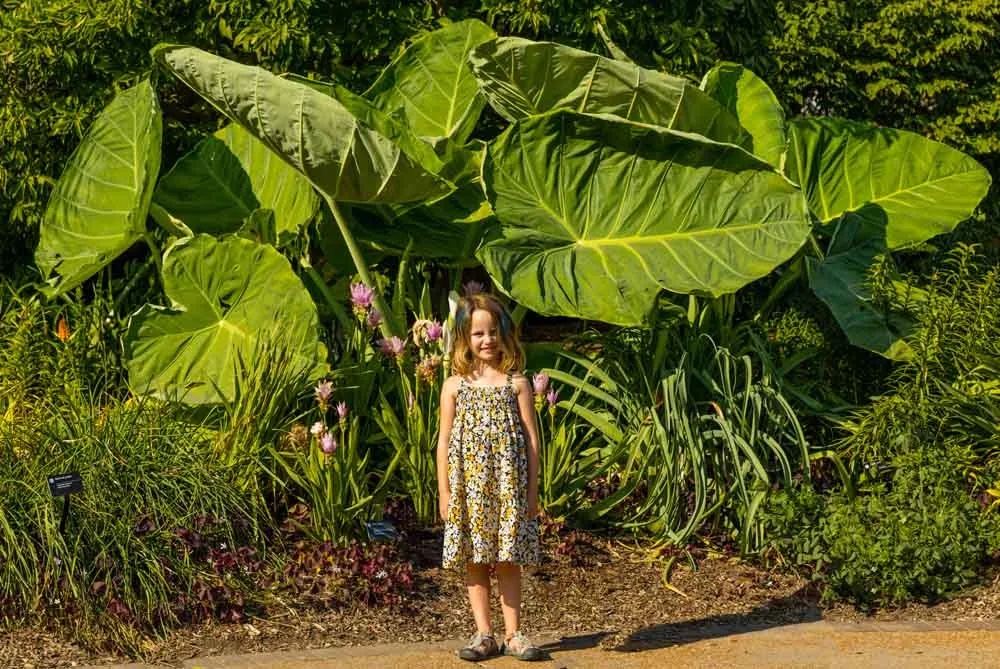
A giant elephant ear plant is a tropical foliage plant with enormous, heart-shaped or arrow-shaped leaves that give gardens a bold, tropical look. It grows best in warm weather, fertile soil, and steady moisture. With the right growing conditions, you can grow it outdoors in a garden or keep a suitable variety in a large container.
What is a giant elephant ear plant?
A giant elephant ear plant is a large-leaved tropical plant from a group that includes Alocasia, Colocasia, and Leucocasia. These plants are grown mainly for their oversized leaves, which can create a dramatic display in a garden or on a spacious patio.
Several plants share the name giant elephant ear, so check the botanical name when buying one. Alocasia macrorrhizos and Leucocasia gigantea are two examples known for their large foliage.
Depending on the species and growing conditions, a mature plant can reach several feet in height and width. Some varieties develop leaves large enough to shade the ground around their stems.
Giant elephant ear plants suit tropical and subtropical gardens. They also grow well in large pots when given enough warmth, moisture, and room for their roots.
How to care for a giant elephant ear plant
A giant elephant ear plant needs warmth, bright light, fertile soil, and regular watering to produce large, healthy leaves. Keep the soil consistently moist during active growth, but match your watering routine to the soil drainage and the plant’s growing conditions.
| Care requirement | What the plant needs |
|---|---|
| Light | Bright filtered light or partial shade, depending on the species |
| Water | Regular watering to keep the soil moist |
| Soil | Fertile, moisture-retentive soil with suitable drainage |
| Temperature | Warm conditions and protection from cold |
| Humidity | Moderate to high humidity encourages healthy foliage |
| Feeding | Regular feeding during active growth |
| Space | A wide planting area or a large, sturdy container |
How much sunlight does it need?
Most giant elephant ear plants grow well in bright filtered light or partial shade. Some varieties tolerate full sun, especially when they receive enough water and grow in suitable soil.
In a hot climate, protect the leaves from harsh afternoon sun if they develop dry brown patches. Morning sunlight followed by afternoon shade is a practical arrangement for many varieties.
Indoors, place the plant near a bright window where it receives plenty of indirect light. Rotate the pot occasionally so the leaves grow more evenly toward the light.
How often should you water it?
Water your giant elephant ear plant whenever the soil begins to lose some of its surface moisture. The exact frequency depends on the weather, pot size, soil type, and amount of sunlight.
During hot weather, a plant growing in a container may need water more often than one planted in the ground. Check the soil before watering instead of following a fixed schedule.
Keep the soil moist during active growth, but avoid leaving a container sitting in stagnant water. If the leaves turn yellow and the soil stays soggy, check the drainage and reduce watering as needed.
What soil is best for giant elephant ear plants?
Giant elephant ear plants grow best in fertile soil that holds moisture without remaining waterlogged. Mix organic matter into garden soil to improve its structure and support steady growth.
For container planting, use a good-quality potting mix that retains moisture while allowing excess water to drain. Choose a pot with drainage holes and enough room for the root system to develop.
Some species tolerate wetter soil than others. If you know the botanical name, follow the needs of that particular plant rather than assuming every elephant ear grows well in the same conditions.
How to plant a giant elephant ear plant outdoors
Plant a giant elephant ear plant outdoors when the weather is consistently warm and the risk of cold conditions has passed. Choose a sheltered spot with enough room for the mature leaves and stems.
Follow these steps for a strong start:
- Choose a planting site with suitable light and enough space for the mature plant.
- Loosen the soil and mix in compost or other well-rotted organic matter.
- Dig a hole large enough to accommodate the root ball without bending or crowding the roots.
- Set the plant at the same depth it grew in its original container.
- Backfill the hole with soil and water thoroughly to settle the roots.
- Keep the soil moist while the plant establishes itself.
If you’re planting a corm, which is a thick underground storage stem, check the planting depth for the species you have. Different elephant ear plants can have different planting requirements.
In warm, humid regions, outdoor growing can support rapid leaf growth. Choose a location protected from strong winds because the large leaves can tear easily.
Can you grow a giant elephant ear plant in a pot?
Yes, you can grow a giant elephant ear plant in a pot if you choose a container large enough to support its roots and heavy foliage. Container growing also makes it easier to move the plant to a more sheltered location when conditions change.
Choose a sturdy pot with drainage holes. A lightweight container may tip over as the plant grows taller and its leaves become heavier.
Use a moisture-retentive potting mix and check the soil regularly during warm weather. Containers dry out faster than garden beds, especially in direct sunlight.
Repot the plant when its roots fill the container, water drains too quickly, or growth slows despite suitable care. Move it into a slightly larger pot rather than choosing an excessively large container at the start.
For indoor growing, provide bright light, warmth, and enough space for the leaves to spread. A giant variety may eventually outgrow a small room or windowsill, so consider its mature size before bringing it home.
How to encourage larger leaves
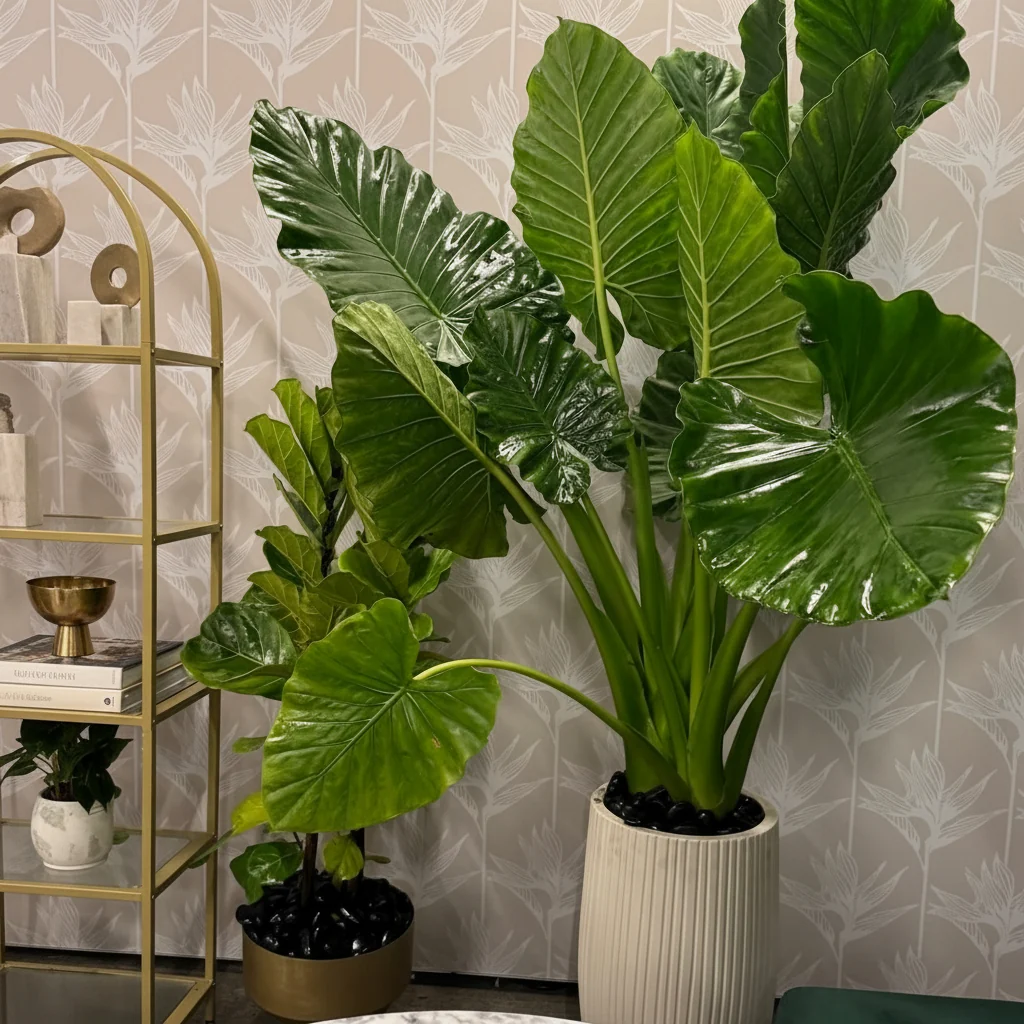
To encourage larger leaves, give your giant elephant ear plant enough light, moisture, nutrients, and root space. Healthy growth depends on the balance of these conditions rather than on fertilizer alone.
Feed the plant with a balanced fertilizer according to the product label during its active growing season. Avoid applying more than recommended, since excess fertilizer can damage roots and cause leaf problems.
Keep the soil evenly moist and maintain warm growing conditions. If the plant is root-bound, consider repotting it into a suitable container.
Remove leaves that are fully yellow or badly damaged with clean pruning tools. Older leaves naturally decline as new growth appears, so one yellow leaf does not always mean the plant has a problem.
Common giant elephant ear plant problems
Most giant elephant ear plant problems relate to watering, light, temperature, or pests. Check the growing conditions first before changing several parts of your care routine.
| Problem | Possible cause | What to do |
|---|---|---|
| Yellow leaves | Overwatering, poor drainage, or normal leaf aging | Check soil moisture and remove fully yellow leaves |
| Brown leaf edges | Dry soil, low humidity, or harsh sunlight | Review watering and protect the plant from intense sun |
| Drooping leaves | Dry soil, heat stress, or root problems | Check the soil and inspect drainage |
| Small new leaves | Insufficient light, limited nutrients, or restricted roots | Improve growing conditions and check the root space |
| Torn leaves | Strong wind or rough handling | Move the plant to a sheltered spot |
| Slow growth | Cool weather, low light, or poor growing conditions | Provide more warmth and suitable light |
Inspect the undersides of leaves for spider mites, aphids, and other small pests. If you find pests, identify them before choosing a treatment.
Is a giant elephant ear plant safe around pets and children?
Treat giant elephant ear plants as potentially harmful if chewed or swallowed. Many commonly grown elephant ear plants contain calcium oxalate crystals that can irritate the mouth and throat.
Keep the plant out of reach of children and pets. Wear gloves when pruning or handling damaged plant material, and wash your hands after working with it.
Do not assume that a plant is safe to eat because some related plants are grown as food. Edible taro requires correct identification and proper preparation, and ornamental elephant ear plants should not be eaten.
Frequently asked questions about giant elephant ear plants
How big does a giant elephant ear plant grow?
Its mature size depends on the species, variety, climate, and growing conditions. Some varieties grow several feet tall, while particularly large tropical types can grow much taller with very broad leaves.
Does a giant elephant ear plant need full sun?
No. Many varieties prefer bright filtered light or partial shade, although some tolerate full sun with adequate moisture. Protect the leaves from intense afternoon sun if they show signs of scorching.
Can a giant elephant ear plant grow indoors?
Yes, if you have a bright, warm location and enough space for its large leaves. Choose a suitable variety and use a sturdy container with drainage holes.
Why are my giant elephant ear plant leaves turning yellow?
Yellow leaves can result from overwatering, poor drainage, nutrient problems, or normal aging. Check the soil and inspect the plant before deciding which change it needs.
How fast does a giant elephant ear plant grow?
Growth is usually fastest in warm weather when the plant has enough light, water, and nutrients. Cool conditions or poor growing conditions can slow new leaf production.
Can a giant elephant ear plant survive winter outdoors?
That depends on the species and local climate. Many tropical varieties suffer in cold weather, so protect the plant from low temperatures or grow it in a container that can be moved to shelter.
How do I propagate a giant elephant ear plant?
Many varieties can be propagated by dividing suitable offsets or underground growth during active growth. The method depends on the species, so identify your plant before dividing its roots or corms.
Is a giant elephant ear plant suitable for a small garden?
It can be difficult to manage in a small garden because its leaves spread widely and may shade nearby plants. Choose a smaller variety or grow it in a container if space is limited.