
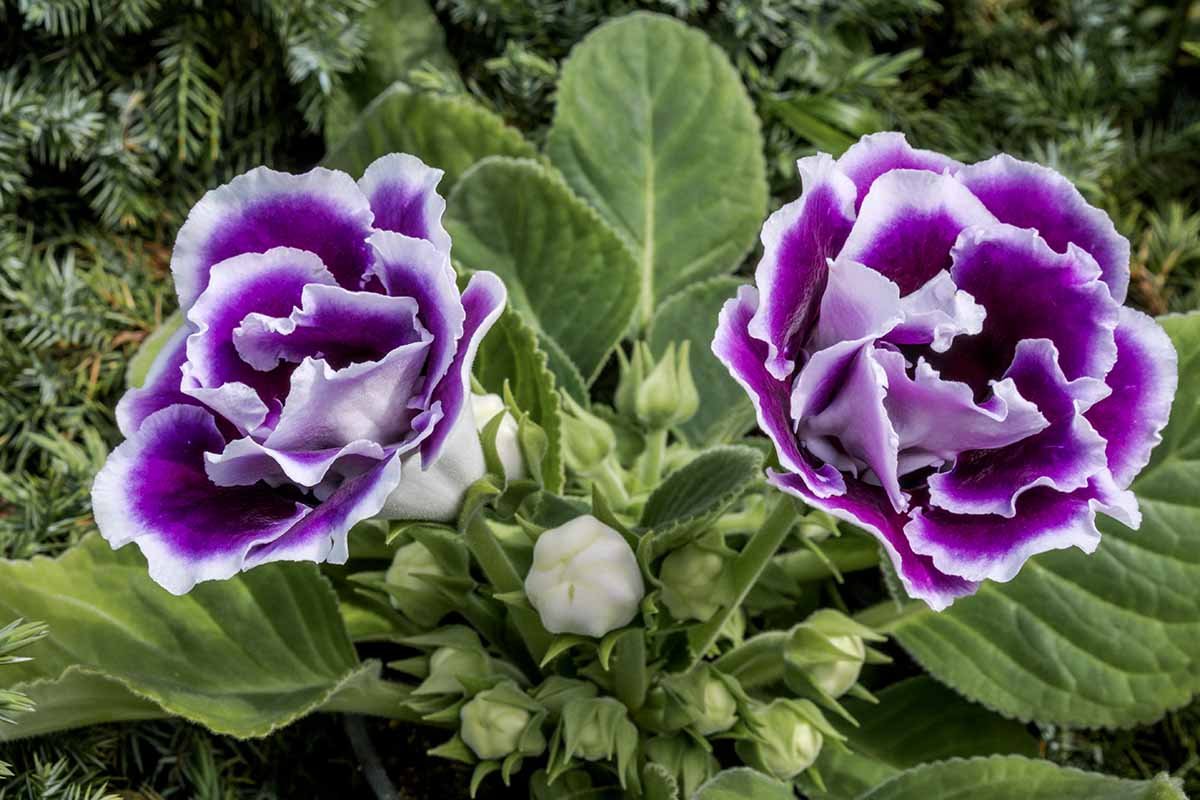
A gloxinia plant is a flowering houseplant with velvety green leaves and large, bell-shaped flowers in shades of red, pink, purple, and white. Give it bright, indirect light, evenly moist soil, and warm conditions to enjoy its flowers for several weeks.
TL;DR
- Grow a gloxinia plant in bright, indirect light away from harsh midday sun.
- Keep the soil evenly moist during active growth, but never leave the roots sitting in water.
- Use a loose potting mix that drains well and a pot with drainage holes.
- Reduce watering after flowering as the plant enters dormancy.
- Resume normal care when new leaves appear, giving the plant a chance to bloom again.
What is a gloxinia plant?
A gloxinia plant, botanically known as Sinningia speciosa, is a tropical flowering perennial from Brazil. Gardeners usually grow it indoors in a pot for its large, colorful flowers and soft, textured leaves.
Florist’s gloxinia is the common name for the plants sold in garden centers and flower shops. Although people often call it a bulb plant, it grows from an underground tuber, a thickened storage organ that holds energy for future growth.
The flowers can be single or double, with solid colors, spotted throats, or pale edges. The leaves form a low rosette beneath the blooms, making the plant a good choice for a bright windowsill or indoor plant display.
Gloxinia is related to the African violet, so both plants appreciate warm rooms and filtered light. However, gloxinia has a distinct growth cycle. After flowering, its leaves may die back as the tuber enters a resting period.
How to care for a gloxinia plant
A gloxinia plant grows best with bright, indirect light, steady moisture, warm temperatures, and well-draining soil. It can be sensitive to sudden changes in its growing conditions, so keep its environment as stable as possible while it produces leaves and flowers.
| Care requirement | What to provide |
|---|---|
| Light | Bright, indirect light |
| Water | Keep soil evenly moist during active growth |
| Soil | Loose, well-draining potting mix |
| Temperature | About 65 to 75°F (18 to 24°C) |
| Humidity | Moderate to high humidity with good airflow |
| Fertilizer | Balanced liquid fertilizer used according to its label |
| Pot | A container with drainage holes |
Light needs
Place your gloxinia plant near an east-facing window or a bright window where direct sunlight is filtered. Gentle morning sun may be suitable, but strong midday sunlight can scorch the leaves and shorten the life of the flowers.
If the stems stretch or the plant produces plenty of leaves but few buds, check the light first. Move the pot closer to a bright window without exposing the foliage to harsh sun.
Watering needs
Water the gloxinia plant when the surface of the potting mix begins to dry. Keep the root area moist during active growth, but empty the saucer after watering so excess water does not collect around the roots.
Use room-temperature water and apply it to the soil around the edge of the pot. Avoid wetting the fuzzy leaves, flowers, and center of the plant because lingering moisture can encourage rot and leaf damage.
Do not let the plant wilt from prolonged dryness. At the same time, avoid watering on a fixed daily schedule. Check the soil first because indoor temperature, humidity, and pot size affect how quickly it dries.
Soil and potting
Choose a light potting mix that holds some moisture while allowing excess water to drain freely. A quality indoor potting mix amended with perlite can help improve drainage.
Select a pot with drainage holes that fits the tuber and root system without leaving excessive unused soil around it. An oversized pot can remain wet for too long, increasing the risk of root or tuber rot.
How to encourage more gloxinia flowers
A gloxinia plant produces its best flowers when it receives enough indirect light, consistent moisture, and suitable warmth. Once the buds open, protect the plant from cold drafts and sudden changes in temperature.
Remove faded flowers as they finish blooming. This keeps the plant tidy and may encourage further flowering while it remains in active growth.
When the first flowering period ends, check the leaves and growing tips before pruning. Some healthy plants can produce another flush of flowers after the first blooms fade.
North Carolina State University Extension recommends cutting the foliage back to the first two leaves after the initial spring flowering to encourage a second bloom. Follow this approach only when the plant is healthy and still actively growing.
Avoid heavy feeding to force more blooms. Too much fertilizer can damage roots or encourage excess leaf growth. Use a balanced liquid fertilizer at the rate stated on the product label during active growth, and stop routine feeding when the plant begins to enter dormancy.
What to do when a gloxinia plant stops flowering
A gloxinia plant may stop flowering because its normal growth cycle is changing. After a period of active growth and flowering, the leaves can gradually turn yellow and die back as the tuber prepares to rest.
This change can look like a plant problem, but it does not always mean the plant is dead. Check whether the decline happens gradually after flowering or whether the leaves become soft and damaged while the soil remains wet.
If the plant is entering dormancy, reduce watering gradually as the foliage fades. Once the leaves have died back, remove them and keep the dormant tuber in its pot in a cool, dark place.
Care recommendations vary slightly by growing conditions, but a resting period of about two to three months is a common approach. Check the pot occasionally and avoid keeping the dormant tuber wet.
When new growth appears, move the pot to a bright location, refresh the potting mix if needed, and resume watering gradually. Keep the plant warm as new leaves develop.
If the leaves turn yellow suddenly while the soil is wet, inspect the plant for signs of rot instead of assuming it is dormant.
How to propagate a gloxinia plant
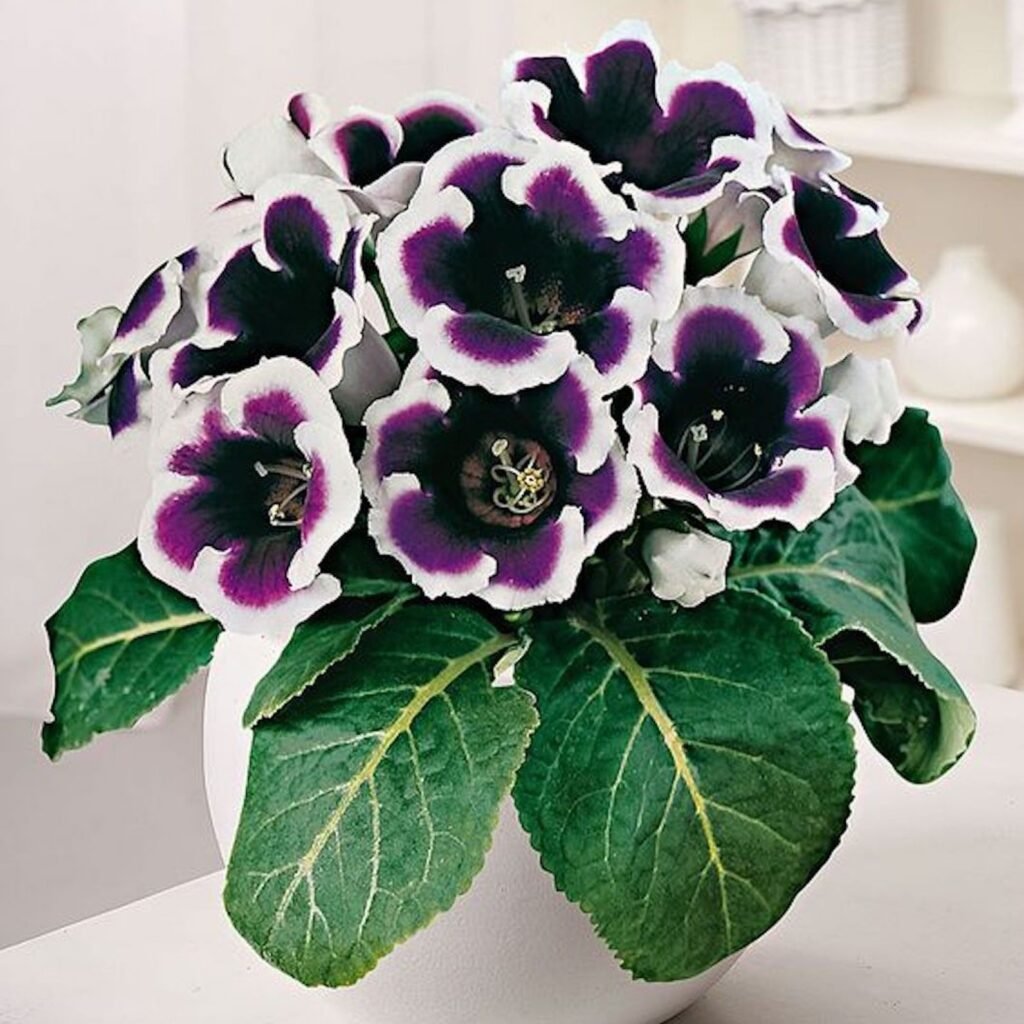
You can propagate a gloxinia plant from a healthy leaf cutting. Spring and early summer are suitable times because the plant is usually growing actively and has fresh foliage.
Follow these steps:
- Select a healthy, fully developed leaf from the parent plant.
- Cut the leaf with a clean blade, leaving a short section of stalk.
- Place the stalk in moist, well-draining propagation mix.
- Cover the container loosely with a clear plastic cover to retain humidity, leaving some room for air exchange.
- Keep the cutting warm in bright, indirect light and check the mix regularly.
- Remove any rotting material and avoid soaking the growing medium.
New roots and small plantlets take time to develop, so do not pull the cutting out to check its progress. Keep the growing medium slightly moist rather than waterlogged.
Not every cutting develops at the same speed. Once a young plant has established roots and new leaves, move it into a small pot with suitable drainage.
Common problems with gloxinia plants
Most gloxinia problems come from unsuitable light, irregular watering, poor drainage, or changes in the plant’s normal growth cycle. Look at the leaves, soil, and growing conditions together before deciding what to change.
| Problem | Likely cause | What to do |
|---|---|---|
| Yellow leaves | Overwatering, poor drainage, or natural dormancy | Check soil moisture and the stage of growth before changing care. |
| Brown leaf patches | Direct sun or water damage | Move the plant away from harsh sunlight and keep water off the leaves. |
| Soft stems or a rotting center | Excess moisture or poor airflow | Remove damaged material and correct the watering conditions. |
| Few or no flowers | Insufficient light or unsuitable growing conditions | Provide brighter indirect light and steady care. |
| Drooping leaves | Dry soil, root damage, or temperature stress | Check the soil and roots before watering again. |
| Flower buds failing to open | Low light, irregular moisture, or sudden temperature changes | Keep conditions steady while buds develop. |
If the tuber becomes soft or develops a foul smell, rot may have damaged the plant. Remove it from persistently wet soil and assess whether any healthy tissue remains. A badly rotted tuber may not recover.
Frequently asked questions about gloxinia plants
Is a gloxinia plant easy to grow indoors?
Yes, a gloxinia plant can grow well indoors when it receives bright, indirect light, warm temperatures, and consistent soil moisture. Its dormancy period takes extra attention, especially for beginners.
How often should I water a gloxinia plant?
Water when the surface of the potting mix begins to dry, checking the soil rather than following a strict schedule. Keep the mix moist during active growth and reduce watering when the foliage dies back.
Can a gloxinia plant bloom again?
Yes, many gloxinia plants can bloom again when they receive suitable care during active growth and a proper resting period. Resume regular watering when new growth appears.
Why are my gloxinia leaves turning yellow?
Yellow leaves may indicate overwatering, poor drainage, or the plant’s natural transition into dormancy. Gradual yellowing after flowering is different from sudden yellowing in persistently wet soil.
Does a gloxinia plant need direct sunlight?
No, bright, indirect light is generally best. Strong direct sunlight can scorch its leaves, so use a filtered window or move the pot slightly away from intense sun.
Can I grow a gloxinia plant from a leaf cutting?
Yes, healthy leaf cuttings can produce new gloxinia plants under warm, humid conditions. Use a clean cutting tool, moist propagation mix, and bright, indirect light.
Should I throw away my gloxinia plant after flowering?
No, you can often keep the tuber and grow the plant again. Allow the plant to enter dormancy naturally, then resume care when fresh growth appears.
Is this conversation helpful so far?