
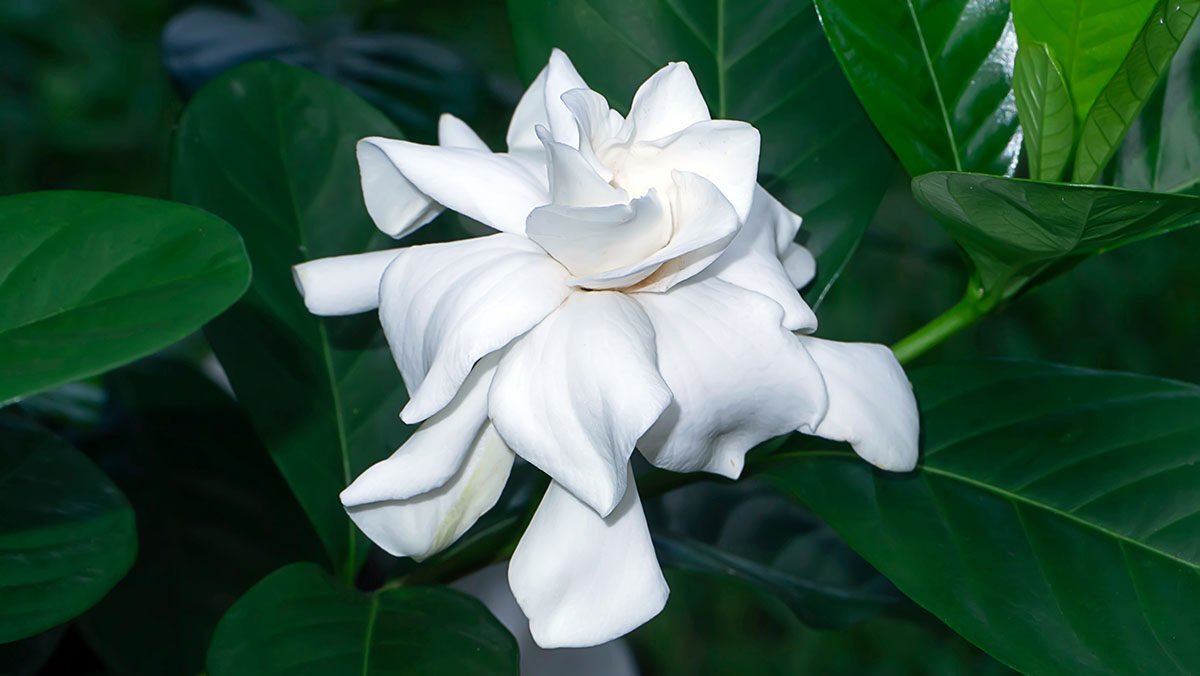
Gardenia plant care focuses on bright light, evenly moist soil, high humidity, and acidic growing conditions. With the right balance, this flowering shrub can produce glossy green leaves and fragrant white flowers indoors or outdoors in a suitable climate.
TL;DR
- Grow gardenias in bright light with gentle morning sun and some afternoon shade in hot climates.
- Keep the soil evenly moist but never waterlogged.
- Use acidic, well-draining soil with a pH around 5.0 to 6.5.
- Maintain high humidity and protect the plant from sudden temperature changes.
- Feed during active growth and prune after flowering to protect future blooms.
What does a gardenia plant need to grow well?
A gardenia needs bright light, acidic soil, steady moisture, and warm conditions to grow well and flower. Gardenia jasminoides is the common garden gardenia, an evergreen shrub grown for its glossy leaves and creamy white flowers.
Gardenias can grow outdoors in suitable climates or indoors in containers. Indoor plants need extra attention because household air is often dry, especially when air conditioning or heating runs for long periods.
The plant also responds poorly to sudden changes in its growing conditions. A gardenia with healthy green leaves may drop its flower buds after a move to a darker room or a change in watering.
How to care for a gardenia plant
Gardenia plant care becomes easier when you provide the right conditions from the start. Check the light, soil moisture, drainage, and humidity regularly rather than following a rigid watering schedule.
| Care factor | What gardenias need |
|---|---|
| Light | Bright light, with morning sun and afternoon shade in hot climates |
| Water | Evenly moist soil with good drainage |
| Soil | Acidic, well-draining growing medium |
| Humidity | High humidity, especially indoors |
| Temperature | Stable, mild to warm conditions |
| Fertilizer | A fertilizer made for acid-loving plants during active growth |
| Pruning | Light shaping after flowering |
How much sunlight does a gardenia need?
Gardenias grow and flower best with plenty of bright light. Outdoor plants benefit from morning sun and afternoon shade where summers are hot. In cooler coastal climates, they can tolerate more direct sun.
For indoor gardenia care, place the pot near a bright window that receives several hours of sunlight. A suitable east-facing window often works well, while a very hot south- or west-facing window may need a sheer curtain during strong afternoon sun.
Too little light can lead to weak growth and few flowers. If the leaves look healthy but the plant rarely forms buds, check its light before adding more fertilizer.
How often should you water a gardenia?
Water a gardenia when the upper layer of soil begins to dry, then water thoroughly until excess moisture drains from the pot. Keep the root area moist without allowing the roots to sit in standing water.
Check the soil with your finger rather than watering on the same day every week. A plant in a warm, sunny room may need water more often than one growing in a cool room with less light.
During hot weather, check outdoor gardenias more often. Reduce watering during cooler periods when growth slows, but do not let the root ball dry out completely.
Always use a pot with drainage holes. Empty the saucer after watering so excess water cannot collect around the roots.
What soil is best for gardenias?
Gardenias need acidic soil that drains well and holds enough moisture to keep the roots from drying out. A soil pH of about 5.0 to 6.5 suits many gardenias, although the ideal range can vary with the growing setup.
For container plants, choose a potting mix formulated for acid-loving plants. Avoid heavy soil that stays wet for long periods.
If you grow gardenias in the ground, test the soil before trying to change its acidity. Gardenias planted in alkaline soil may struggle to absorb iron, even when the soil contains that nutrient.
How much humidity does a gardenia need?
Gardenias prefer humid air, especially when grown indoors. Dry air can contribute to brown leaf edges, weak growth, and flower buds that fall before opening.
Place an indoor gardenia near a humidifier if the room is dry. A tray of damp pebbles beneath the pot can also help increase local humidity, provided the pot base stays above the water.
Avoid placing the plant directly beside an air conditioner, heater, or drafty door. Keep the surrounding conditions as steady as possible.
How do you encourage a gardenia to bloom?
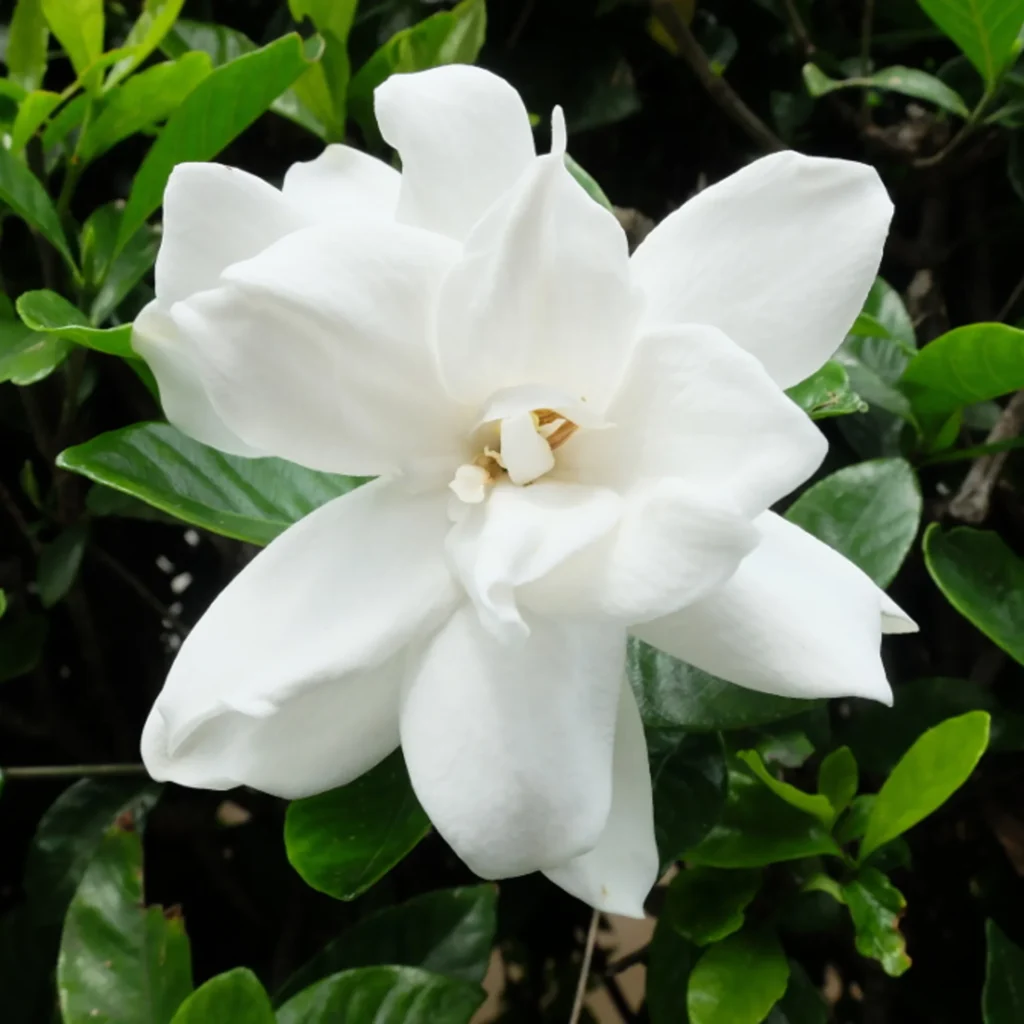
To encourage gardenia flowers, provide enough light, steady soil moisture, acidic soil, and stable temperatures. Gardenias can be fussy about growing conditions, so a plant that produces leaves but no flowers may need a change in its environment.
Start by checking whether the plant receives enough light. Next, inspect the soil and review your watering habits. Both overly dry soil and waterlogged roots can interfere with flowering.
Feed the plant with a fertilizer made for acid-loving plants during active growth. Follow the product label, since fertilizer strength and application frequency vary.
Avoid moving a gardenia repeatedly while flower buds are forming. Sudden changes in temperature, light, or moisture can cause the buds to drop.
Gardenias often flower during late spring and summer, though timing depends on the variety and growing conditions. Indoor plants may bloom less reliably than outdoor plants because household light and humidity can be difficult to maintain.
Why are gardenia leaves turning yellow?
Yellow gardenia leaves can result from unsuitable soil pH, watering problems, low light, nutrient shortages, or natural leaf replacement. Look at which leaves are affected and check the soil before treating the plant.
- New leaves turn yellow while the veins stay green. The soil may be too alkaline for the plant to absorb enough iron. Test the soil pH before adding an iron product.
- Many leaves turn yellow and the soil stays wet. Poor drainage or overwatering may be stressing the roots. Let excess water drain and check whether the potting mix remains soggy.
- Leaves turn yellow and the soil is dry. Water the plant thoroughly and check whether the root ball absorbs moisture.
- Leaves develop pale speckles or fine webbing. Spider mites may be feeding on the foliage. Inspect the undersides of leaves and rinse the plant to remove pests.
- A few older inner leaves turn yellow. Some leaf loss is normal as the plant replaces older foliage.
Do not apply several treatments at once. Correct the most likely cause first, then watch the new growth for signs of recovery.
How should you fertilize and prune a gardenia?
Feed gardenias during active growth with a fertilizer formulated for acid-loving plants. Follow the label instructions and avoid applying extra fertilizer to a stressed plant, since excess nutrients can damage roots and worsen leaf problems.
Outdoor feeding schedules depend on the local climate and the plant’s growth cycle. Indoor gardenias may need less fertilizer when winter light levels fall and growth slows.
Prune gardenias just after flowering to shape the plant and remove dead or damaged branches. Avoid heavy pruning late in the growing season because you may remove branches that would otherwise flower the following year.
Use clean pruning shears and make cuts just above a healthy leaf or branch junction. Remove faded flowers when needed to keep the plant tidy.
When is a gardenia a poor choice?
A gardenia may be difficult to grow if your home has low light, dry air, or frequent temperature changes. It can also struggle outdoors where winters are too cold for the chosen variety.
If you want an easy-care flowering houseplant and cannot provide bright light or steady humidity, a gardenia may require more attention than you prefer.
Before planting outdoors, check whether the variety suits your local climate. In hot regions, give it protection from harsh afternoon sun. In cooler regions, consider growing it in a container so you can move it to shelter when temperatures fall.
Frequently asked questions about gardenia plant care
Can gardenias grow indoors?
Yes, gardenias can grow indoors near a bright window with high humidity and acidic, well-draining soil. Flowering may be less reliable indoors if light or temperature conditions are unsuitable.
How often should I water my gardenia plant?
Water when the upper layer of soil begins to dry, then let excess water drain away. Check the soil more often in hot weather and less often when growth slows.
Why do gardenia buds fall off before opening?
Gardenia buds may drop because of irregular watering, low humidity, insufficient light, or sudden temperature changes. Keep the plant in a stable location and maintain even soil moisture.
Do gardenias need acidic soil?
Yes, gardenias grow best in acidic soil. A pH around 5.0 to 6.5 is suitable for many gardenias, and unsuitable soil pH can cause yellow leaves.
Can gardenias grow in pots?
Yes, gardenias grow well in containers when the pot has drainage holes and the growing mix suits acid-loving plants. Choose a pot that fits the root system and repot when the roots become crowded.
How do I make my gardenia bushier?
Prune the plant lightly after flowering to encourage a compact shape. Give it adequate light and avoid heavy pruning that removes too much healthy growth.
Do gardenias need full sun or shade?
Gardenias need bright light, but the best balance depends on the climate. Morning sun and afternoon shade usually work well in hot regions, while cooler areas can support more direct sunlight.
Healthy gardenias depend on consistent care rather than frequent adjustments. Keep the soil moist but well drained, provide bright light and humid air, and check the soil acidity if the leaves begin to yellow. These habits give your gardenia a better chance of producing healthy foliage and fragrant flowers.