
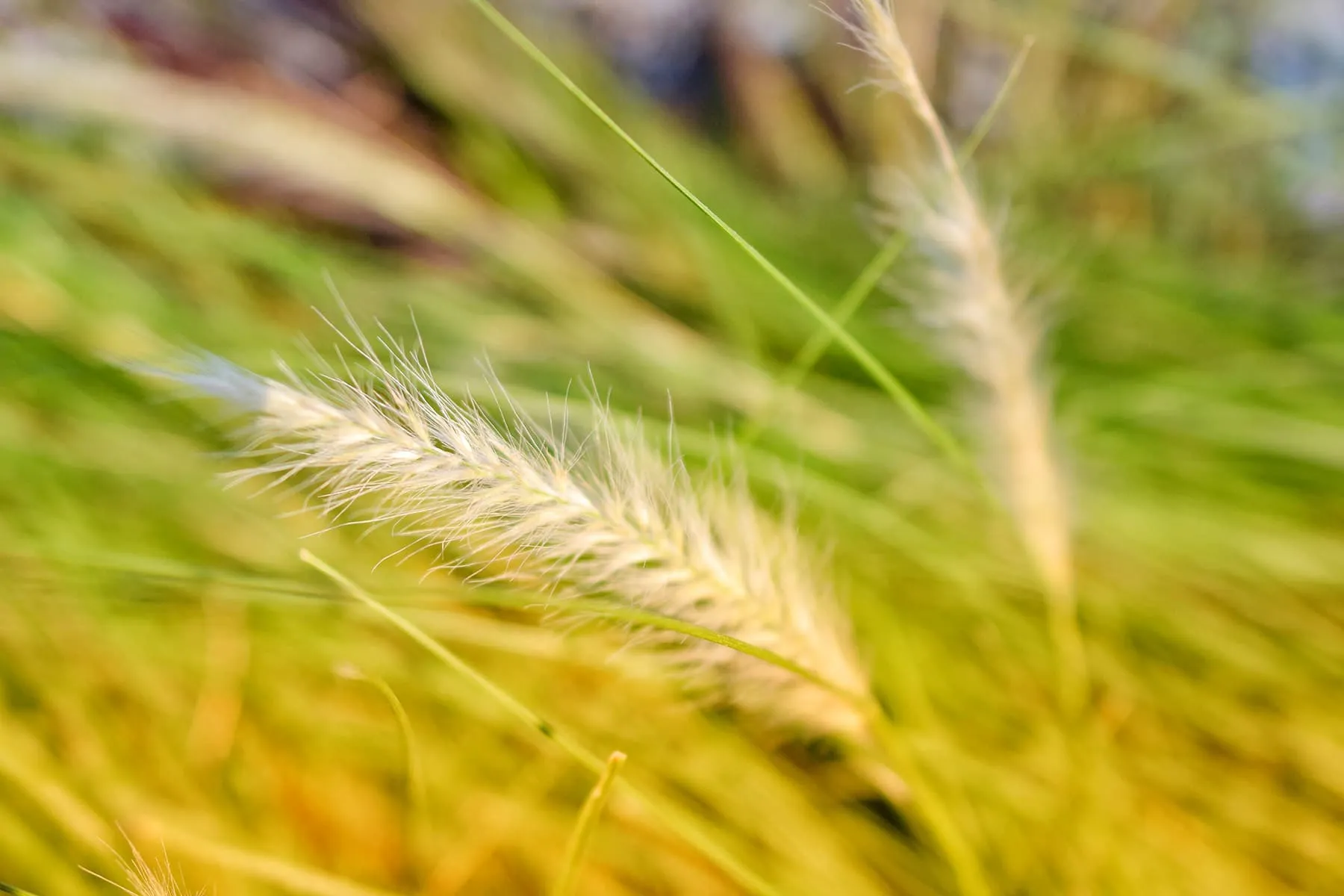
Foxtail fern (Asparagus densiflorus ‘Myersii’) is a striking ornamental plant known for its upright, fluffy green stems that resemble a fox’s tail. Its compact shape and rich foliage make it a popular choice for patios, garden borders, containers, and bright indoor spaces. With the right light, watering routine, and occasional pruning, this plant can stay lush and attractive throughout the growing season.
If you want a plant that adds texture without demanding constant attention, foxtail fern is worth considering. Although its soft, needle-like foliage looks delicate, the plant can be quite resilient when grown in suitable conditions.
What Is a Foxtail Fern?
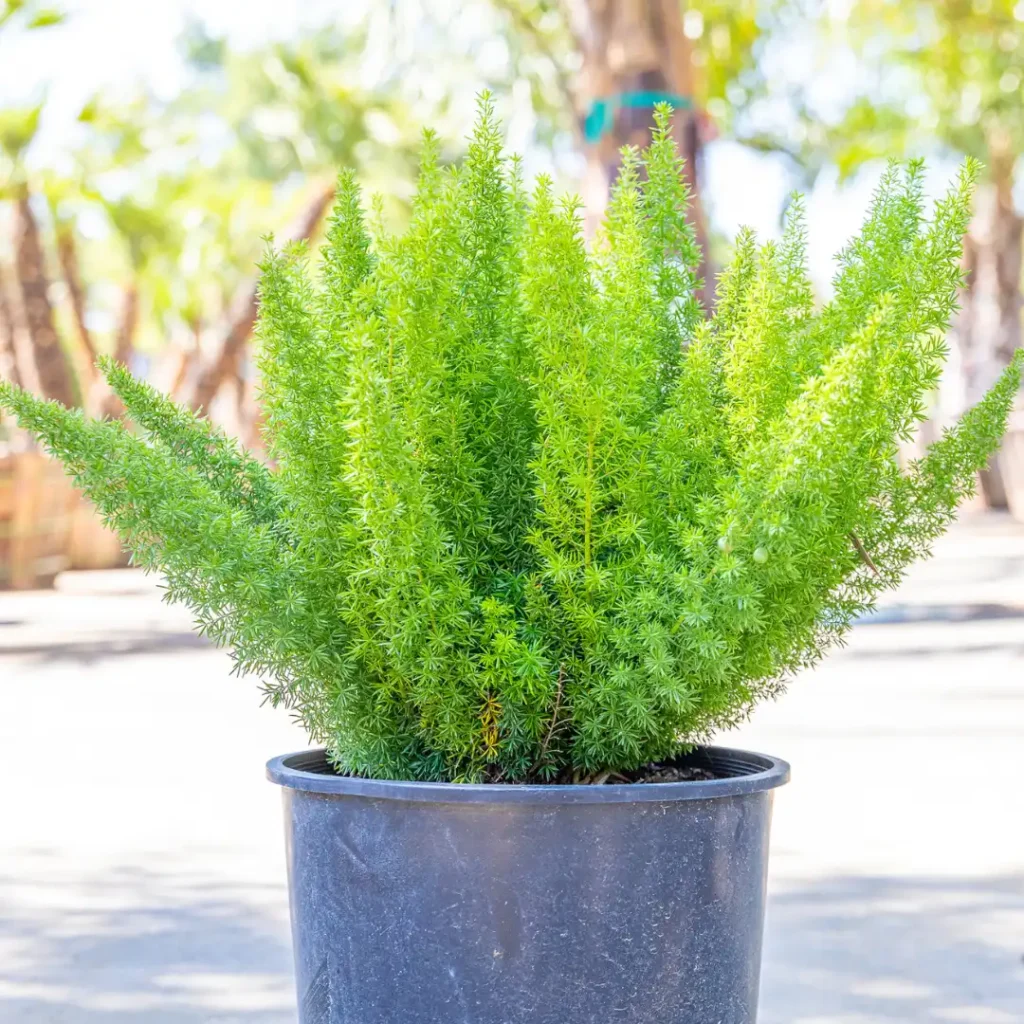
Foxtail fern is an evergreen perennial in the asparagus family, Asparagaceae. Despite its common name, it is not a true fern. It produces dense, plume-like stems covered in fine, needle-shaped leaves, giving it a soft, brush-like appearance.
The cultivar ‘Myersii’ is especially popular because its stems grow upright rather than spreading widely. Mature plants form rounded clumps of bright to deep green foliage, making them useful as focal points in pots and landscape beds.
Foxtail fern can grow outdoors in warm climates and indoors in a bright location. In suitable outdoor conditions, it may produce small white flowers followed by red berries. The berries are ornamental, but they should not be eaten.
How Much Sunlight Does Foxtail Fern Need?
Foxtail fern grows best in bright, indirect light or partial shade. It can tolerate some gentle morning sun, but strong afternoon sunlight may scorch its foliage, particularly in hot climates.
For indoor plants, place the pot near a bright window where the plant receives plenty of filtered light. A little morning sunlight can help maintain compact growth, while a location with very little natural light may lead to weak, stretched stems.
Outdoor plants usually do well in a spot with morning sun and afternoon shade. In cooler climates, they may tolerate more sunlight if the soil stays evenly moist.
Signs that the lighting needs adjustment include:
- Yellowing or scorched foliage: The plant may be receiving too much direct sunlight.
- Sparse, stretched growth: It may need a brighter location.
- Slow growth: Check the light level along with watering, drainage, and temperature.
Make changes gradually to avoid stressing the plant.
What Is the Best Soil for Foxtail Fern?
Foxtail fern prefers well-draining soil that retains some moisture without becoming waterlogged. A standard quality potting mix can work well for container plants, provided excess water drains freely.
For a simple potting mix, combine regular potting soil with perlite or coarse horticultural material to improve drainage. Choose a container with drainage holes so water does not collect around the roots.
For garden beds, loosen compacted soil and add organic matter when needed. If the soil stays wet for long periods after watering or rain, consider growing foxtail fern in a raised bed or container.
Avoid heavy soil that remains saturated, as consistently wet conditions can cause root problems.
How to Water Foxtail Fern
Foxtail fern prefers consistent moisture, especially during active growth, but its roots should never sit in standing water. The right watering schedule depends on temperature, light, humidity, soil type, and pot size.
Before watering a potted plant, check the upper layer of soil. If it feels slightly dry, water thoroughly until excess water drains from the bottom. Empty any saucer beneath the pot rather than allowing the roots to remain submerged.
During hot weather, outdoor plants may need more frequent watering. Indoor plants often dry out more slowly, especially in cooler rooms or during winter.
Watch for these common signs:
- Yellowing stems or foliage: The soil may be staying too wet, although other problems can cause yellowing.
- Dry, brown foliage: The plant may be receiving too little water or too much direct sun.
- Soft or unhealthy roots: Poor drainage and excessive watering may be contributing factors.
Check the soil before adjusting your routine instead of following a fixed schedule.
How to Fertilize Foxtail Fern
Foxtail fern benefits from moderate feeding during the growing season. A balanced, water-soluble fertilizer applied according to the product label is generally suitable for container plants.
Feed during spring and summer when the plant is actively growing. Reduce or stop feeding during cooler periods when growth slows.
Avoid applying more fertilizer than recommended. Excess nutrients can damage roots and contribute to poor plant health. If the plant is growing well in fresh, fertile potting mix, it may need less frequent feeding.
For outdoor plants, a light application of compost around the root zone can help support soil quality. Keep compost and fertilizer away from direct contact with the plant’s crown.
How to Prune and Maintain Foxtail Fern
Foxtail fern usually requires little pruning. Occasional trimming helps maintain its shape and removes old or damaged stems.
Use clean, sharp pruning shears to cut yellow, brown, broken, or dead stems close to the base. Avoid cutting healthy green growth unnecessarily, as the foliage gives the plant its full, rounded appearance.
If an older plant becomes crowded, inspect the base for damaged growth and remove it carefully. Wear gloves when handling the plant if you have sensitive skin, since its small spines can cause irritation.
Regular maintenance also includes removing fallen leaves from the soil surface, checking drainage holes, and rotating indoor pots occasionally so the plant receives light evenly.
How to Propagate Foxtail Fern
The most practical way to propagate foxtail fern is by dividing an established plant. Mature plants develop thick root systems that can be separated into smaller sections.
Follow these steps:
- Remove the plant from its pot carefully, or dig around an established outdoor plant.
- Examine the root mass and identify natural sections with healthy roots and several stems.
- Separate the sections gently using your hands or a clean, sharp knife.
- Plant each division in a container or garden bed with well-draining soil.
- Water thoroughly and keep the new plants in bright, indirect light while they settle in.
Keep the soil lightly moist during establishment, but avoid overwatering. New growth indicates that a division is settling into its new location.
Spring is generally a good time to divide foxtail fern because the plant can establish itself during the growing season.
Can Foxtail Fern Grow Indoors?
Yes, foxtail fern can grow indoors if it receives enough light and has suitable drainage. Its upright form works well in decorative pots, sunrooms, and bright rooms where it has space to develop.
Choose a location near a bright window, away from harsh midday or afternoon sunlight. Keep the plant away from heating vents and cold drafts that can cause sudden changes in temperature.
Indoor care is mainly about balancing light and moisture. Check the soil regularly, but let excess water drain completely. If the plant begins to look sparse, assess its light conditions before adding more fertilizer.
Good air circulation also helps the foliage stay healthy. Avoid crowding the plant tightly between other pots, especially in humid rooms.
Growing Foxtail Fern Outdoors
Foxtail fern grows well outdoors in warm conditions and is often used in containers, borders, and sheltered garden beds. It generally prefers warmth and does not tolerate severe frost well.
Choose a spot with partial shade or filtered sunlight, especially where summers are hot. In warm regions, the plant can remain outdoors year-round if temperatures stay within its tolerance range.
In colder climates, grow foxtail fern in a pot that can be moved indoors before frost arrives. If planted in the ground, it may be damaged by freezing temperatures.
Allow enough room around the plant for its stems to spread naturally. Although ‘Myersii’ tends to grow upright, established clumps can become broad and dense.
Common Foxtail Fern Problems and Solutions
Foxtail fern is generally manageable when its growing conditions are suitable, but changes in foliage can signal that something needs attention.
| Problem | Possible cause | What to do |
|---|---|---|
| Yellow foliage | Overwatering, poor drainage, or excessive sunlight | Check the soil and adjust watering or light |
| Brown or crispy tips | Dry soil, low humidity, or strong direct sun | Review watering and move the plant away from harsh sunlight |
| Sparse growth | Insufficient light or general stress | Provide brighter filtered light and check root health |
| Soft stems or declining roots | Soil staying too wet | Improve drainage and remove damaged roots if necessary |
| Slow growth | Seasonal slowdown, poor light, or limited nutrients | Check growing conditions before feeding |
Avoid treating every problem with fertilizer. First inspect the soil, roots, and light exposure to identify the likely cause.
Is Foxtail Fern Toxic to Pets?
Foxtail fern can be harmful to cats and dogs if eaten. Its berries and plant tissues may cause gastrointestinal upset, and contact with the plant can also irritate sensitive skin.
Place the plant where pets cannot chew its foliage or reach its berries. If a pet eats part of the plant and develops symptoms such as vomiting or diarrhea, contact a veterinarian for advice.
When pruning or repotting, handle the plant carefully and wash your hands afterward.
Frequently Asked Questions About Foxtail Fern
Is foxtail fern a true fern?
No. Foxtail fern is a member of the asparagus family, not a true fern. Its dense, fine foliage gives it a fern-like appearance.
How fast does foxtail fern grow?
Its growth rate depends on light, temperature, moisture, and overall plant health. Under favorable conditions, it can produce new stems during the growing season, while growth usually slows in cooler weather.
Does foxtail fern need full sun?
Foxtail fern generally performs best in bright, indirect light or partial shade. Some gentle morning sun is usually suitable, but intense afternoon sunlight can scorch the foliage.
Can foxtail fern survive winter?
It can survive outdoors in sufficiently warm climates, but frost may damage or kill the plant. In colder regions, grow it in a container and move it to a protected indoor location before freezing weather.
Why is my foxtail fern turning yellow?
Yellow foliage may result from overwatering, poor drainage, excessive sunlight, or other growing problems. Check the soil moisture first, then assess the plant’s light exposure and root condition.
How often should I repot foxtail fern?
Repot when the plant becomes crowded in its container, roots fill the pot, or water drains poorly because the root mass has become dense. Choose a container with drainage holes that is only moderately larger than the existing pot.
Does foxtail fern produce flowers?
Yes. Mature plants may produce small white flowers under suitable conditions, followed by red berries. The berries are decorative and should not be eaten.
Final Thoughts
Foxtail fern (Asparagus densiflorus ‘Myersii’) is an attractive plant for gardeners who want upright, textured greenery in containers or garden beds. Its main care needs are bright filtered light, well-draining soil, consistent but careful watering, and protection from frost.
With a suitable location and occasional maintenance, foxtail fern can develop into a dense, rounded clump that adds lasting greenery to indoor and outdoor spaces.