
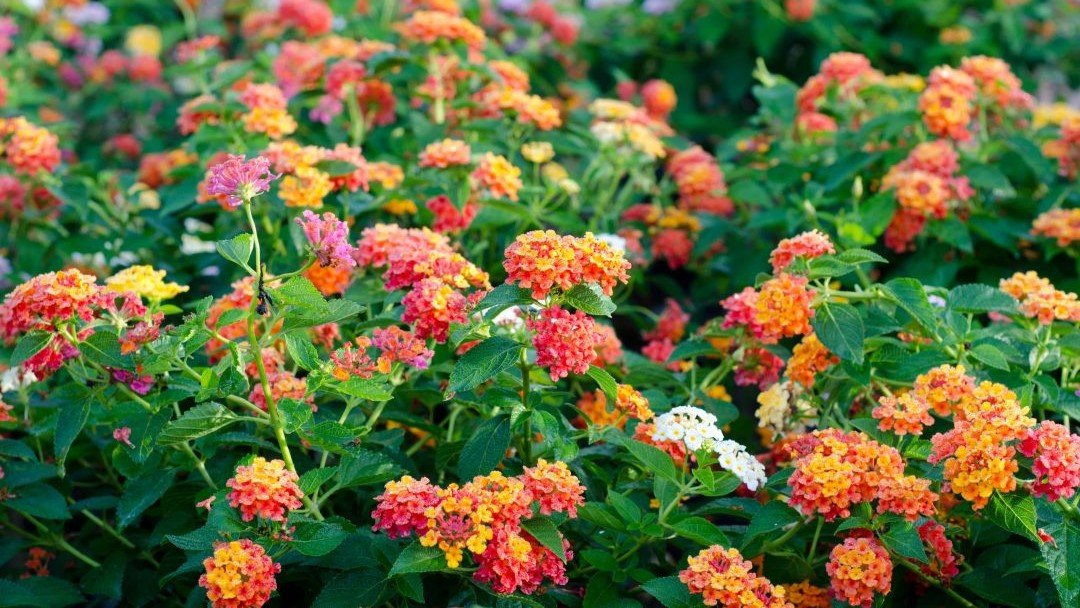
Flowers of plants are the reproductive structures that help flowering plants produce seeds and grow new generations. Their shapes, colors and scents vary by species, but their main roles are pollination and reproduction.
TL;DR
- Flowers help flowering plants reproduce by producing seeds after successful fertilization.
- The main flower parts are petals, sepals, stamens and pistils.
- Pollination happens when pollen reaches a flower’s receptive female part.
- Flowers may attract insects and birds, or rely on wind to transfer pollen.
- Sunlight, water and suitable growing conditions help flowering plants develop healthy blooms.
What are flowers of plants?
Flowers of plants are the reproductive parts of flowering plants, also called angiosperms. They contain the structures involved in pollination and seed formation. Some flowers are large and colorful, while others are small and easy to overlook.
A flower may grow alone on a stem or form part of a cluster. A tulip produces a single prominent flower on its stem, while plants such as garden phlox produce clusters of smaller flowers.
Flowers also help gardeners identify plants. The shape of a bloom, the arrangement of its petals and the structure of its reproductive parts can help distinguish one species from another.
Although many people grow flowering plants for their appearance, flowers have a biological purpose. They allow plants to reproduce through seeds, which can grow into new plants when conditions are suitable.
What are the main parts of a flower?
Most familiar flowers have four main parts: sepals, petals, stamens and pistils. Each part has a different role in protecting the flower or helping it reproduce. Some flowers lack certain parts or have structures that look different from those of a typical garden bloom.
| Flower part | Main function |
|---|---|
| Sepals | Protect the developing flower bud. |
| Petals | Often attract pollinators through color, shape or scent. |
| Stamens | Produce pollen in the anthers. |
| Pistil | Contains the female reproductive structures, including the ovary. |
Sepals
Sepals are the outer parts of a flower. They often look like small green leaves beneath the petals. Before a flower opens, the sepals surround and protect the developing bud.
Some plants have colorful sepals that resemble petals. This can make it difficult to tell the two parts apart by appearance alone.
Petals
Petals are often the most noticeable parts of flowers. They may be white, yellow, pink, red, purple or another color. Some have stripes, spots or patterns that help guide pollinators toward nectar.
Petals also vary in shape. A flower may have broad, flat petals, narrow petals or a long tubular form suited to particular pollinators.
Stamens
Stamens are the male reproductive parts of a typical flower. Each stamen usually consists of a filament, which is a slender stalk, and an anther, which produces pollen.
Pollen contains the male reproductive cells or their precursors. For fertilization to occur, compatible pollen must reach the female reproductive structures.
Pistils
The pistil is the female reproductive structure of a flower. It commonly includes three parts: the stigma, style and ovary.
The stigma receives pollen. The style connects the stigma to the ovary, which contains ovules. After successful pollination and fertilization, ovules can develop into seeds.
The ovary often develops into a fruit, depending on the plant species. This is why flowers are closely linked to the formation of fruits such as tomatoes, apples and squash.
How do flowers help plants reproduce?
Flowers help plants reproduce by allowing pollen to reach the female reproductive structures, followed by fertilization and seed development. Many flowers have both male and female parts, while others have separate male and female flowers.
Pollination is the transfer of pollen from an anther to a receptive stigma. It happens before fertilization and can occur in several ways.
- Insect pollination happens when bees, butterflies, beetles or other insects carry pollen between flowers.
- Bird pollination occurs when birds visit flowers for nectar and transfer pollen.
- Wind pollination occurs when air currents carry pollen from one flower to another.
- Self-pollination happens when pollen reaches a receptive stigma on the same flower or another flower on the same plant.
Some plants rely on one main pollination method, while others can use more than one. Flower color and scent can attract animal pollinators, but wind-pollinated flowers often have small, less noticeable blooms.
After compatible pollen reaches the stigma, it can grow a pollen tube toward an ovule. Fertilization then allows a seed to begin developing. In plants that produce fruits, the ovary often grows as the seeds develop.
Not every flower produces a fruit or seed. Pollination may fail, pollen may be incompatible, or growing conditions may prevent successful development.
What are the different types of flowers?
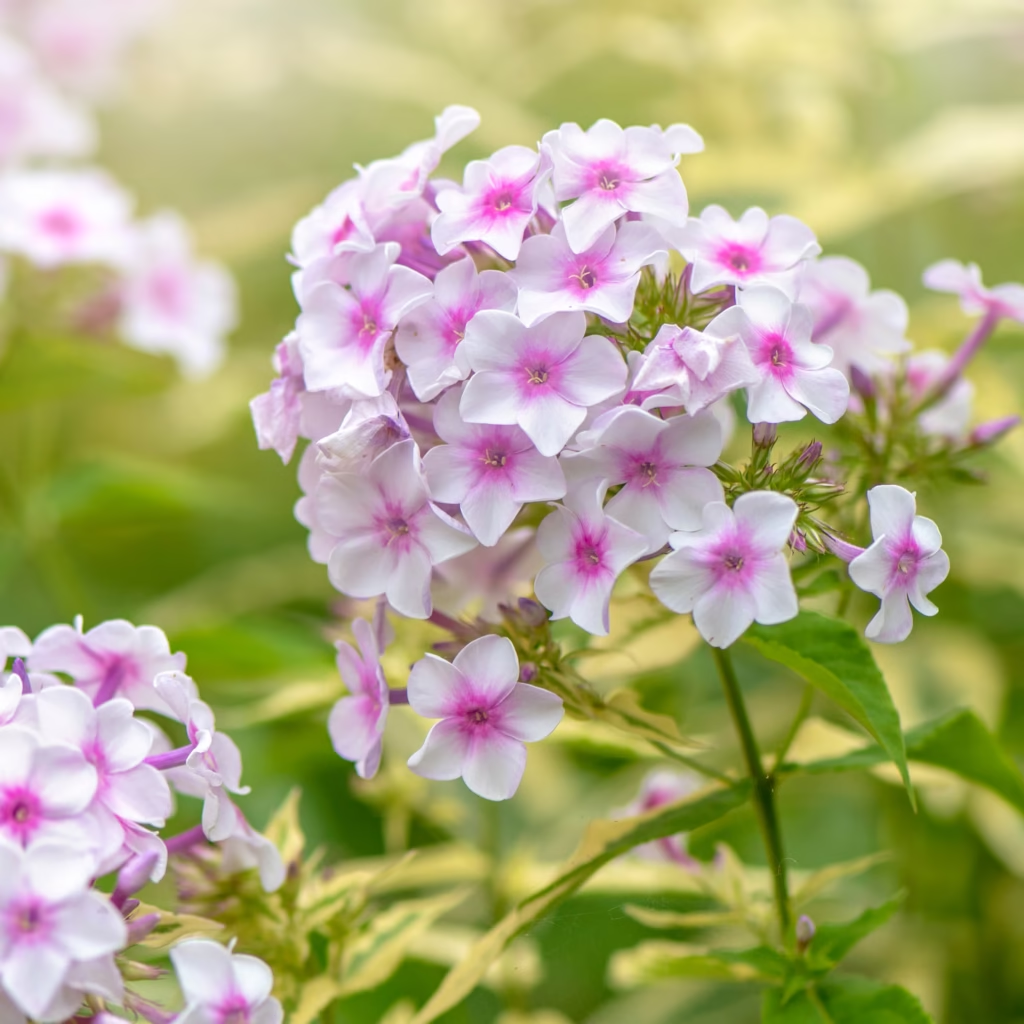
Flowers differ in their reproductive structures, arrangement and shape. These differences help gardeners understand how plants grow and reproduce.
Complete and incomplete flowers
A complete flower has all four main floral parts: sepals, petals, stamens and pistils. An incomplete flower lacks at least one of these parts.
A flower can still reproduce even if it is incomplete. Some plants produce separate male and female flowers, so a single flower does not need to contain every reproductive structure.
Bisexual and unisexual flowers
A bisexual flower contains both stamens and female reproductive structures. Many familiar garden flowers have this arrangement.
A unisexual flower contains either male or female reproductive structures, but not both. Plants with separate male and female flowers may produce them on the same plant or on different plants, depending on the species.
Single and clustered flowers
Some plants produce one flower at a time on a stem. Others form an arrangement called an inflorescence, which is a group of flowers growing together.
A cluster may look like one large flower from a distance. On closer inspection, it can contain many individual flowers, each with its own reproductive structures.
How can you help flowering plants produce healthy blooms?
Flowering plants need growing conditions that suit their species. The right amount of sunlight, suitable soil and steady care help plants develop buds and open flowers.
Start by checking the plant’s light needs. Roses and many sun-loving annuals grow well in full sun, while some woodland flowers and shade-tolerant plants prefer filtered light.
Water according to the plant’s needs and the condition of the soil. Many flowering plants need more frequent watering in hot weather, especially when grown in pots. However, constantly wet soil can damage roots and affect flowering.
Use soil that drains well unless the plant naturally prefers moist conditions. If you grow flowering plants in containers, choose a pot with drainage holes and avoid leaving the roots sitting in water.
Pruning also depends on the species. Some plants flower on new growth, while others produce blooms on older stems. Pruning at the wrong time can remove developing flower buds, so check the plant’s growth habit before cutting.
For plants that rely on animal pollinators, avoid unnecessary disturbance around open flowers. A garden with several flowering species that bloom at different times can offer food to pollinators across more of the growing season.
Why are flowers important in a garden?
Flowers add color and variety to a garden, but their roles extend beyond appearance. They support plant reproduction and can provide pollen and nectar for visiting insects and other animals.
Flowering plants also help gardeners plan different parts of a growing space. Tall flowers can grow at the back of a border, compact varieties can fit into containers, and climbing flowers can cover suitable supports.
Flowers are useful for plant identification, too. Differences in petal shape, flower arrangement and reproductive structures can help distinguish closely related plants.
Some flowers also lead to edible harvests. Tomato, squash and cucumber flowers, for example, are part of the process that allows these plants to produce fruit. Healthy leaves and roots remain important because the plant needs enough resources to support flowering and fruit development.
Choose flowers based on the available light, climate, soil and space. A plant suited to its growing conditions is more likely to flower well than one planted in a location that does not meet its needs.
Frequently asked questions about flowers of plants
Why do plants produce flowers?
Plants produce flowers as part of sexual reproduction. Flowers contain the structures involved in pollination and fertilization, which can lead to seed formation.
Do all plants have flowers?
No. Flowering plants produce flowers, but ferns, mosses and conifers reproduce without flowers. These plants use other reproductive structures or methods.
Can a flower grow into a fruit?
Yes, in many flowering plants, the ovary develops into a fruit after successful fertilization. The ovules inside can develop into seeds.
Why do some flowers have a strong scent?
Some flowers produce scents that attract pollinators. Other flowers have little or no noticeable scent because they rely on different ways to transfer pollen.
Can a plant flower without producing seeds?
Yes. A plant may produce flowers without forming seeds if pollination or fertilization fails. Some cultivated plants also produce flowers that are sterile or have reduced reproductive function.
What conditions help flowers bloom?
The right light, water, soil, temperature and growing season help plants flower. The exact needs vary by species, so follow care guidance for the plant you grow.
Why do flower buds fall off before opening?
Flower buds may drop because of water stress, sudden temperature changes, poor light, root problems or pests. Check the plant’s growing conditions and look for visible signs of damage before changing its care routine.