
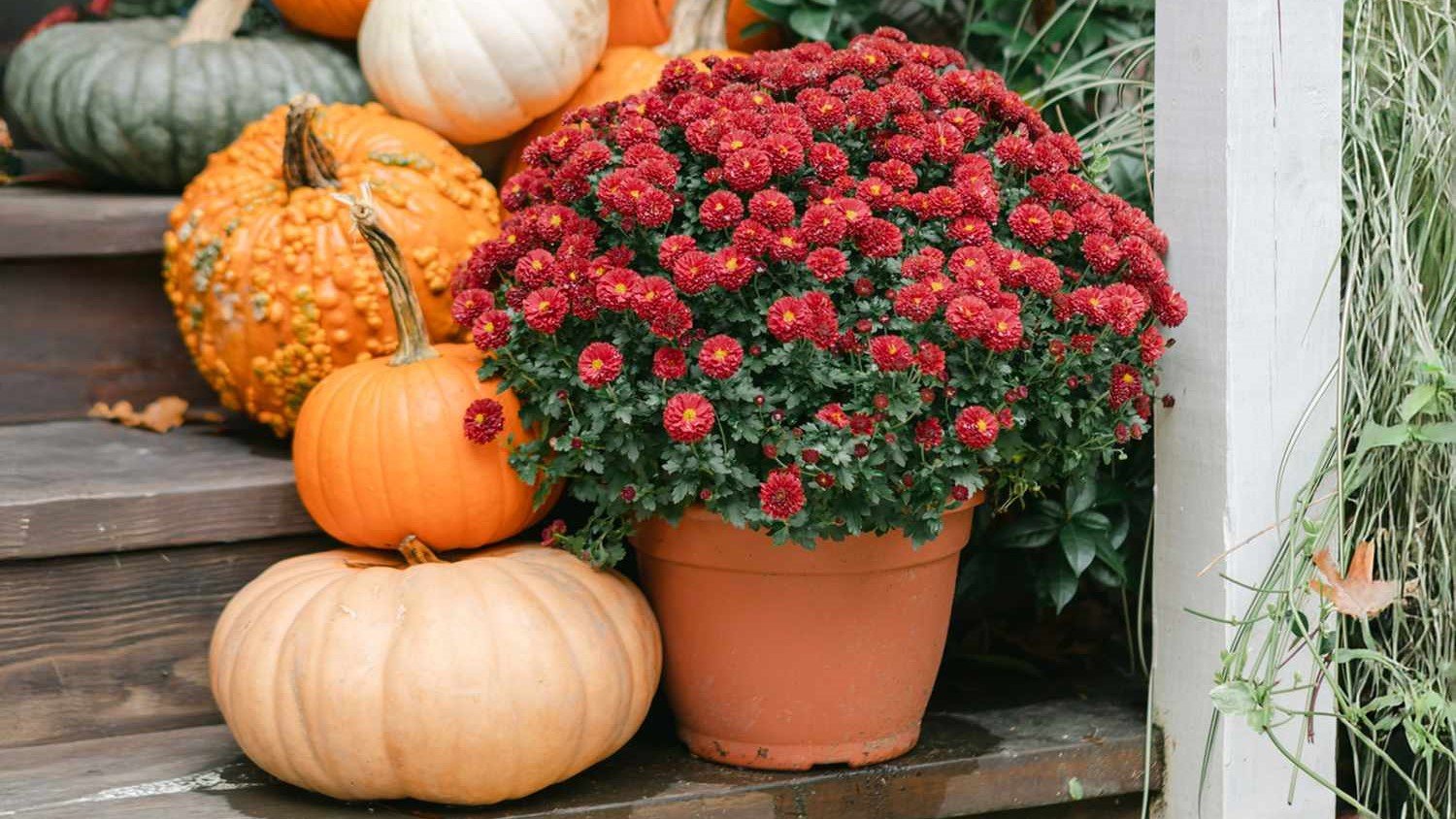
Flower mums, commonly called garden mums or chrysanthemums (Chrysanthemum × morifolium), are popular flowering plants that produce colorful blooms in late summer and fall. With plenty of sunlight, well-drained soil, and steady moisture, mums can brighten garden beds, borders, and containers as the weather cools.
TL;DR
- Flower mums grow best in full sun and well-drained soil.
- Water when the soil begins to dry, keeping the roots moist but not waterlogged.
- Pinch growing tips in spring and early summer to encourage bushy growth.
- Plant hardy garden mums in spring for the best chance of surviving winter.
- Choose plants with plenty of unopened buds for a longer display of flowers.
What is a flower mums plant?
A flower mums plant is a flowering perennial or seasonal potted plant grown for its many colorful blooms. Depending on the variety, flowers may be yellow, white, pink, purple, red, bronze, or orange. Some have daisy-like petals, while others produce dense, rounded flowers.
Garden mums are often sold in nurseries and garden centers in late summer and fall. They are especially popular for autumn displays because many varieties bloom as days become shorter.
However, not every mum sold in a pot is equally winter-hardy. Some varieties can return year after year when planted in suitable conditions, while others are grown mainly for seasonal color. Check the plant label before choosing mums for a permanent garden bed.
How to care for a flower mums plant
Flower mums need direct sunlight, moist but well-drained soil, and regular attention during active growth. These plants are fairly easy to care for when their growing conditions suit the variety.
| Care requirement | What mums need |
|---|---|
| Light | At least 6 hours of direct sunlight daily |
| Water | Water when the top inch of soil begins to dry |
| Soil | Fertile, well-drained soil |
| Temperature | Cool autumn weather suits flowering, while hardiness varies by variety |
| Fertilizer | Balanced fertilizer during active spring growth |
| Pruning | Pinch growing tips before flower buds form |
Light needs
Place flower mums in a sunny spot where they receive at least six hours of direct sunlight each day. Good light supports compact growth and helps the plant produce plenty of flowers.
Mums grown in too much shade may develop weak stems, lean toward the light, or produce fewer blooms. If you grow them in containers, move the pots to a brighter location when needed.
Watering schedule
Water flower mums whenever the top inch of soil feels dry. Pour water around the base of the plant until it reaches the root zone, then allow excess water to drain away.
Potted mums often need water more frequently than plants growing in garden beds. Check containers daily during hot, dry weather, especially when the plants are covered with flower buds.
Avoid leaving pots in standing water. Soggy soil can damage roots and cause the plant to decline.
Soil and fertilizer
Flower mums grow well in fertile soil that drains freely. Before planting in a garden bed, loosen compacted soil and mix in organic matter if the soil needs improvement.
For containers, use a quality potting mix and a pot with drainage holes. Garden soil alone can become too dense in a container and hold excess moisture.
Feed hardy garden mums during spring growth with a balanced fertilizer, following the product label. Stop routine feeding as flower buds develop. Too much late-season fertilizer can encourage soft growth when the plant should be preparing to flower.
When do flower mums bloom?
Most garden mums flower in late summer or fall, although the exact timing depends on the variety, local climate, and growing conditions. Shorter days help trigger flowering in many mums, which is why they are widely available for autumn displays.
If you want flowers for a particular occasion, choose a variety with a bloom time that matches your local season. A nursery-grown mum already covered in open flowers will provide immediate color, while a plant with mostly closed buds can offer a longer display indoors or outdoors, depending on conditions.
Avoid cutting back healthy mums heavily once flower buds have formed. Late pruning can remove the growth that would have produced flowers.
How to plant flower mums outdoors
Plant hardy garden mums in spring when the soil is workable and severe frost is no longer expected. Spring planting gives the roots more time to establish before winter.
Follow these steps:
- Choose a sunny planting site with well-drained soil.
- Dig a hole about as deep as the plant’s root ball and slightly wider.
- Remove the mum from its nursery pot and gently loosen any tightly packed roots.
- Set the plant at the same depth it was growing in its pot.
- Fill the hole with soil and press gently around the roots.
- Water thoroughly to settle the soil.
- Space plants according to the variety’s mature width so air can move between them.
For containers, select a pot with drainage holes and use fresh potting mix. Avoid crowding several plants into a small pot, as crowded roots dry out quickly and poor airflow can encourage disease.
How to make flower mums bushier
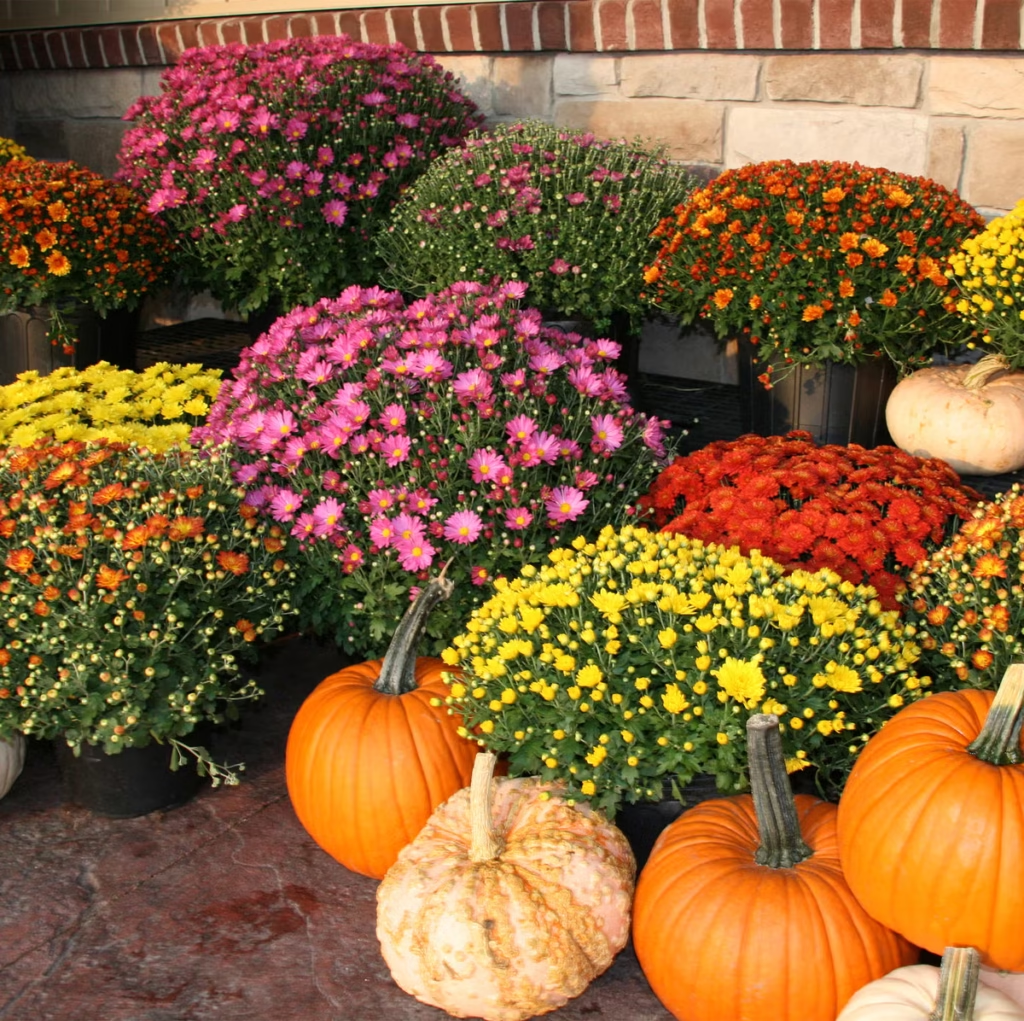
Pinching flower mums in spring and early summer encourages branching, which helps create a fuller plant with more potential flowering stems.
When new stems are several inches tall, pinch or snip off the growing tip just above a set of leaves. Repeat as new growth develops until early summer, then allow the plant to grow without further pinching so flower buds can form.
The exact final pinching date depends on your climate and the variety’s flowering time. Stop pinching well before the plant begins forming buds.
If you buy a flowering mum in autumn, leave its stems alone unless you need to remove damaged growth. Pinching a plant that is already budding can delay or reduce its current display.
Can flower mums survive winter?
Some flower mums survive winter outdoors, but their hardiness depends on the variety, planting time, soil drainage, and local winter conditions. Hardy garden mums have a better chance of returning than tender varieties sold mainly for seasonal decoration.
To help garden mums survive winter, plant them early enough for their roots to establish. After the ground begins to cool, apply a light layer of mulch around the plant to help moderate soil temperature. Avoid piling wet mulch directly against the stems.
Do not assume every potted mum will return after winter. Many are sold when already in bloom, leaving little time for root establishment before cold weather arrives.
If you live in an area with severe winters, ask your local nursery which varieties are suitable for your climate. In warmer regions, drainage and heat tolerance may matter more than extreme cold hardiness.
Common problems with flower mums
Flower mums may develop problems when they receive too little light, too much water, or poor airflow. Check the leaves and soil regularly so you can address problems before they spread.
| Problem | Possible cause | What to do |
|---|---|---|
| Yellow leaves | Overwatering, poor drainage, or nutrient problems | Check soil moisture and drainage before adding fertilizer |
| Wilting | Dry soil or damaged roots | Check the soil and water if it is dry |
| Few flowers | Too much shade, late pinching, or unsuitable conditions | Improve sunlight and stop pinching before buds form |
| Weak, stretched stems | Insufficient sunlight | Move container plants to a sunnier location |
| Brown or damaged leaves | Water stress, pests, or disease | Inspect the plant and check its growing conditions |
Avoid treating every leaf problem with fertilizer or pesticides. First check the roots, soil moisture, light, and visible signs of insects. Correcting the growing conditions often helps prevent further damage.
Frequently asked questions about flower mums
Are flower mums annuals or perennials?
Hardy garden mums are perennials that can return each year in suitable climates. Other mums are sold mainly for seasonal color and may not survive winter outdoors.
How much sun does a flower mums plant need?
Most garden mums grow best with at least six hours of direct sunlight daily. Adequate sunlight supports stronger stems and better flowering.
How often should I water flower mums?
Water when the top inch of soil feels dry. Container plants may need daily checks during warm weather, while garden-grown mums may need less frequent watering.
Can flower mums grow in pots?
Yes, flower mums grow well in containers with drainage holes and a suitable potting mix. Choose a pot large enough for the roots and check moisture frequently.
When should I plant flower mums?
Spring is generally the best time to plant hardy mums outdoors because the roots have time to establish before winter. Fall planting can work in mild climates, but plants have less time to settle in.
Should I cut back flower mums after blooming?
Remove faded flowers if you want to tidy the plant. For hardy garden mums, wait until the foliage has died back or follow local guidance on when to cut the stems, since some gardeners leave them in place through winter for added protection.
Why is my flower mums plant not blooming?
Insufficient sunlight, late-season pinching, or a variety with a different flowering schedule may delay blooms. Give the plant suitable light and avoid removing new growth once flower buds begin to form.
Are flower mums suitable for beginners?
Yes, flower mums are a good choice for beginners who can provide a sunny location, well-drained soil, and regular watering. Choose a locally hardy variety if you want the plant to return each year.