
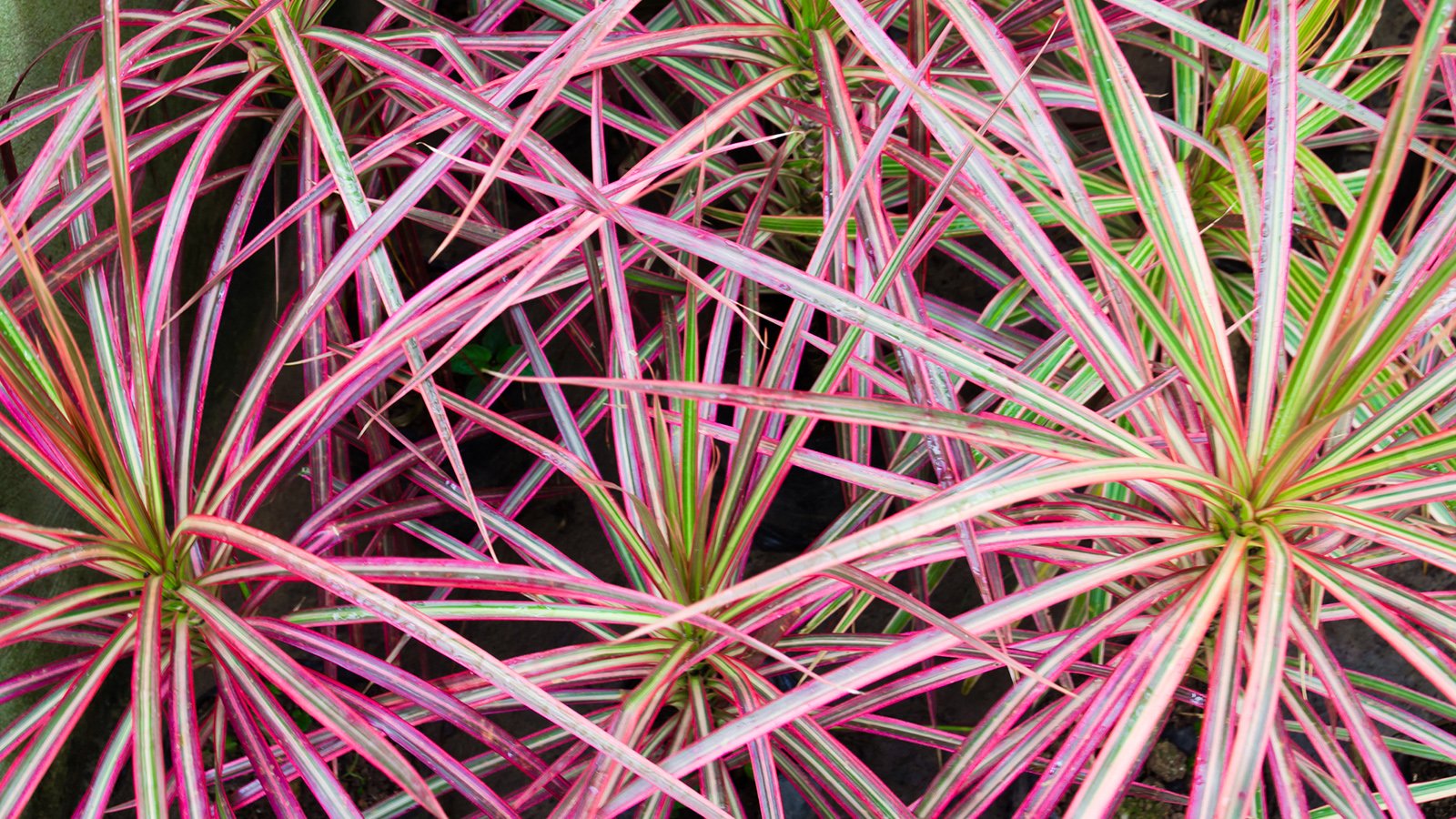
A dracaena spike plant is a tall, upright foliage plant often used in containers and garden beds for its narrow, sword-shaped leaves. The name can refer to different Cordyline plants, so checking the plant label helps you give it the right care.
TL;DR
- A dracaena spike plant usually refers to a Cordyline sold for its upright, spiky foliage.
- Give it bright light, well-drained soil, and steady moisture during active growth.
- The name can refer to Cordyline australis or Cordyline indivisa, so check the botanical name.
- Protect the plant from frost and move container plants indoors where winters are too cold.
- Brown leaf tips often point to watering, moisture, light, or environmental stress.
What is a dracaena spike plant?
A dracaena spike plant is a palm-like foliage plant with long, narrow leaves that rise from a central crown or stem. Gardeners often use young plants as vertical accents in containers, while larger plants can be grown as landscape specimens in suitable climates.
The name is confusing because “dracaena spike” is not a precise botanical name. Cordyline indivisa is also known as Dracaena indivisa, according to North Carolina State Extension. Garden centers may also sell Cordyline australis as a spike plant, especially young plants and cultivars such as ‘Red Star’.
This means two plants sold under the same common name can have different needs. Before planting, look for the botanical name on the nursery label. If the label says Cordyline indivisa, the plant prefers cool, moist conditions and can struggle in hot, humid weather. Cordyline australis is generally better suited to warmer, sunnier garden conditions.
How do you care for a dracaena spike plant?
A dracaena spike plant grows best with good light, well-drained soil, and regular moisture during active growth. The exact balance depends on which Cordyline you have, but soggy soil and severe cold are poor conditions for both.
| Need | Requirement |
|---|---|
| Light | Full sun to partial shade, depending on species and local heat |
| Soil | Well-drained soil that does not stay waterlogged |
| Water | Keep soil moderately moist during active growth |
| Temperature | Protect from frost and severe cold |
| Container | Use a pot with drainage holes and fresh, well-drained potting mix |
Light needs
Give a dracaena spike plant bright light, with full sun to partial shade depending on the species and climate. Cordyline indivisa can take full sun when its soil stays moist, while partial shade is useful in hot conditions.
If the leaves become pale or growth becomes weak and stretched, the plant may need more light. On the other hand, a sudden move from shade to strong afternoon sun can scorch foliage.
Watering
Water when the soil begins to dry rather than keeping the pot constantly wet. During active growth, container-grown plants may need water more often than plants in the ground, especially during hot or dry weather.
Do not let a container sit in standing water. Poor drainage can leave the roots short of oxygen and lead to root problems.
Soil and repotting
Use a well-drained potting mix for a dracaena spike plant grown in a container. The pot must have drainage holes so excess water can escape.
Repot when the roots have filled the container or the plant has become difficult to keep watered evenly. Move it into a pot only slightly larger than the current one rather than placing a small plant in a very large container.
Can a dracaena spike plant grow outdoors?
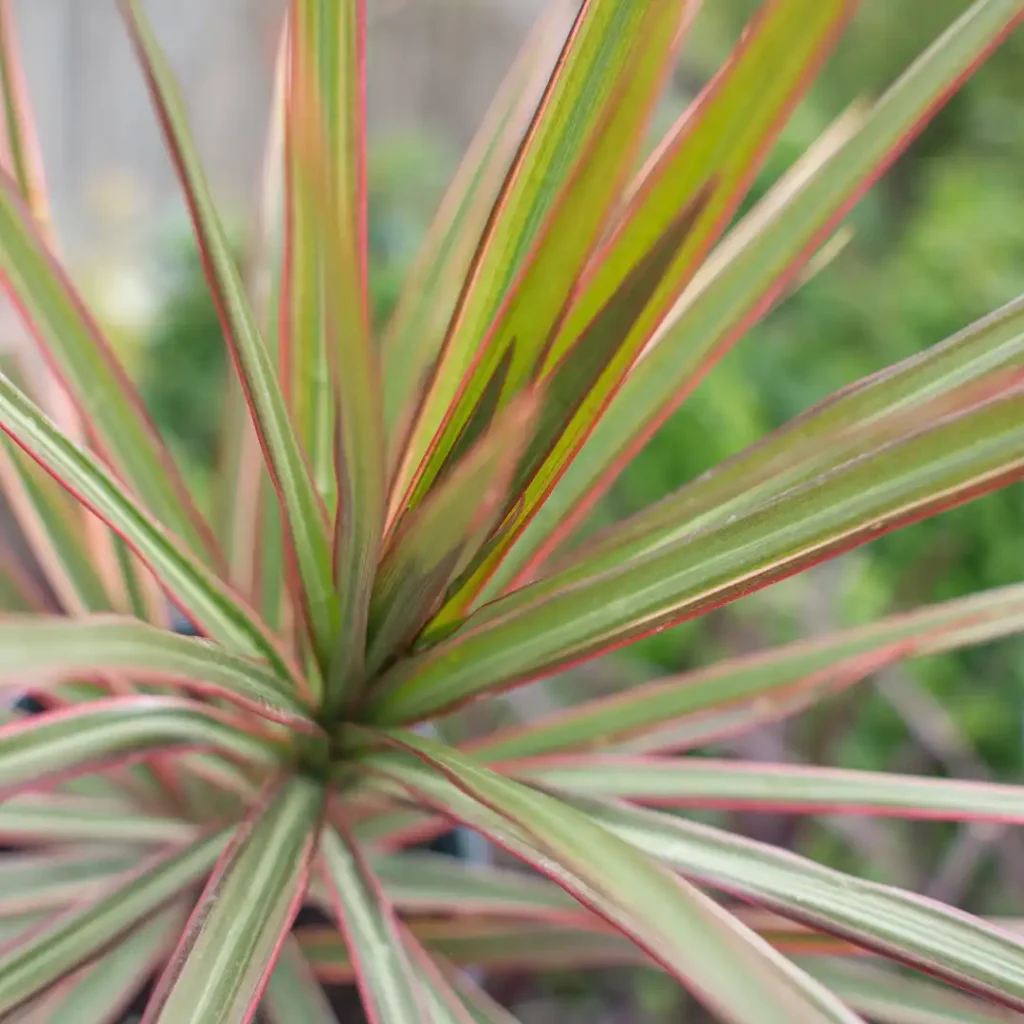
Yes, a dracaena spike plant can grow outdoors where the climate suits the particular Cordyline. Young plants are commonly used in containers and bedding displays, while mature plants can become much larger when planted in suitable outdoor conditions.
Cordyline indivisa prefers cool, moist conditions and sheltered sites. The Royal Horticultural Society lists it for full sun or partial shade in moist but well-drained soil. North Carolina State Extension notes that it prefers cool temperatures and can struggle in hot, humid weather.
Cordyline australis is more tolerant of warm garden conditions. UF/IFAS describes it as a common “spike” plant for containers and garden beds, with full sun to part shade suitable for its growing conditions.
In cold regions, grow a spike plant in a container so you can protect it before frost. The Royal Horticultural Society recommends winter protection for cordylines that are not fully hardy in a local climate.
Why are the leaves on my dracaena spike plant turning brown?
Brown leaf tips can develop when a dracaena spike plant experiences dry soil, irregular watering, harsh sun, low humidity, or other environmental stress. A few brown tips do not always mean the plant is seriously damaged.
Check the soil first. If it is very dry, water thoroughly and then return to a steady watering routine. If the soil stays wet for long periods, improve drainage and reduce watering.
Also check recent changes. A plant moved from a sheltered indoor position to strong outdoor sun can develop scorched leaves, while a plant moved indoors may react to lower light and drier air.
Trim damaged leaf tips with clean scissors if you want to improve the appearance. Follow the natural shape of the leaf rather than cutting straight across the whole blade.
How do you overwinter a dracaena spike plant?
Move a container-grown dracaena spike plant indoors or into a protected greenhouse before frost if your local climate is too cold for the species. Reduce watering as growth slows, but do not allow the plant to remain bone dry for long periods.
Before bringing it indoors, inspect the leaves and stems for pests. Place the plant in a bright location and keep it away from cold drafts.
For outdoor plants, winter protection depends on the species and local climate. The RHS notes that Cordyline australis can survive outdoors in some mild areas, while other cordylines need more protection.
What are common mistakes with dracaena spike plants?
- Keeping the soil constantly wet can cause root problems, so use a container and soil that drain freely.
- Assuming every spike plant is the same species can lead to poor light, water, or temperature choices, so check the botanical name first.
- Moving a shaded plant into strong sun too quickly can scorch the leaves, so increase light gradually.
- Leaving a container plant outdoors through frost can cause severe damage, so move it to shelter when cold weather threatens.
- Placing the plant in a pot without drainage holes makes watering harder to manage and increases the risk of waterlogged soil.
Frequently asked questions about dracaena spike plant
What is a dracaena spike plant?
A dracaena spike plant is a common garden name for upright, narrow-leaved plants sold as “spikes,” often species of Cordyline. The name can refer to more than one plant, so check the botanical name on the label.
How much light does a dracaena spike plant need?
Give it bright light, with full sun to partial shade depending on the species and local climate. Protect plants from sudden exposure to intense afternoon sun.
How often should I water a dracaena spike plant?
Water when the soil begins to dry, then water thoroughly and let excess water drain away. The interval changes with temperature, light, pot size, soil, and season.
Can a dracaena spike plant survive winter outdoors?
It depends on the species and climate. Some Cordyline australis plants can survive mild winters outdoors, while container plants in colder regions should be protected from frost.
Why are my dracaena spike plant leaves turning brown?
Brown tips can result from dry soil, irregular watering, strong sun, low humidity, or other environmental stress. Check the soil and recent changes in light or temperature before changing your care routine.
Can I grow a dracaena spike plant in a pot?
Yes. Spike plants are well suited to containers, especially when young. Use a pot with drainage holes and a well-drained growing mix, and repot as the root system fills the container.
Is dracaena spike the same as Cordyline?
Not always. “Dracaena spike” is a common trade name, and plants sold under it can include Cordyline indivisa and Cordyline australis, so the botanical label is the best way to identify the plant.