
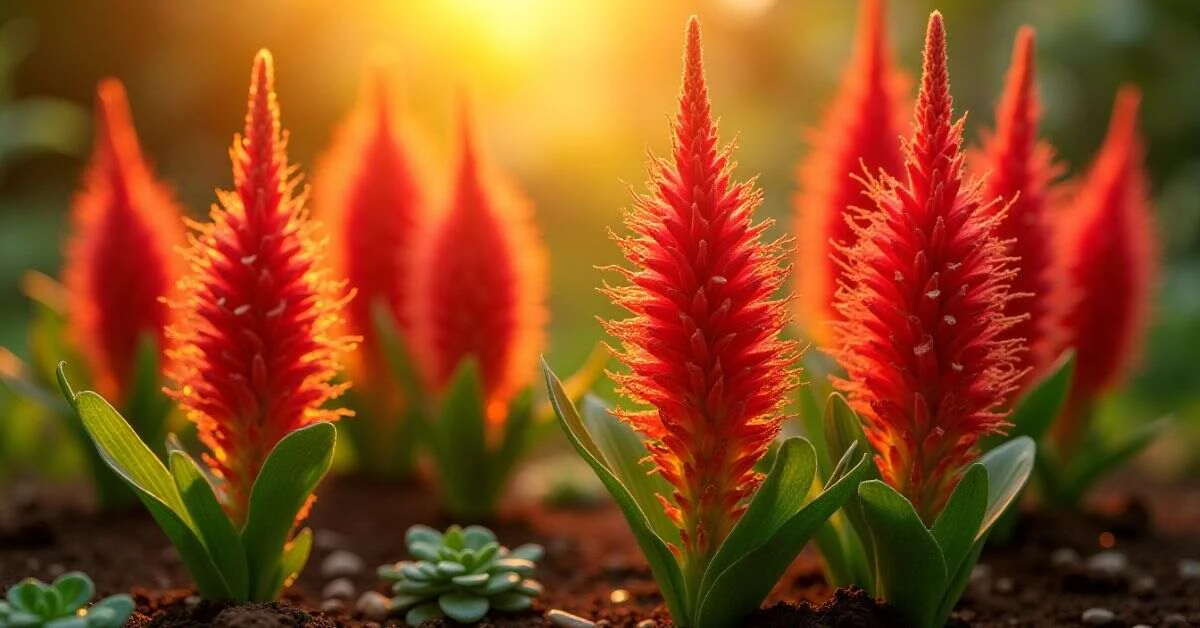
The dragon breath plant is a type of celosia grown for its dark red foliage and tall red flower plumes. It grows best in full sun, well-drained soil, and warm conditions, making it a useful choice for summer beds and containers.
TL;DR
- The dragon breath plant is a celosia cultivar commonly sold as
Dragon's Breath. - Give it full sun and soil that drains well.
- Keep newly planted plants evenly moist while they establish, then water when the soil begins to dry.
- Warm weather suits this plant, while frost can end its outdoor growing season.
- Remove old flower plumes if you want the plant to produce fresh growth and look tidy.
What is the dragon breath plant?
The dragon breath plant is a celosia cultivar grown for its red flower plumes and dark red to red-green foliage. It is commonly listed as Celosia argentea in the trade, while botanical references may place Dragon's Breath within different groups or classifications of Celosia argentea.
RHS lists Dragon's Breath as a member of the Plumosa Group and describes it as an upright, bushy plant with bright red, feathery flowerheads and dark red leaves. The RHS profile lists it as an annual or biennial in its UK growing context, while growers commonly treat it as a warm-season annual.
Sakata lists Dragon’s Breath as an annual and gives a mature size of about 24 inches tall by 16 inches wide. NDSU bedding-plant trials also recorded strong growth, with plants reaching about 30 inches tall and 33 inches wide later in the season under trial conditions. Actual size depends on climate, planting time, and growing conditions.
The plant is useful in containers, borders, and sunny beds. Its foliage can provide color before the large flower plumes fully develop.
How to care for a dragon breath plant
Dragon breath plant care is simple when the plant gets plenty of light, drainage, and warmth. Full sun is the best starting point, while consistently wet soil is more likely to cause problems than soil that dries slightly between waterings.
| Need | Requirement |
|---|---|
| Light | Full sun is best; partial shade can also work in some conditions. |
| Water | Keep newly planted plants evenly moist, then water when the soil starts to dry. |
| Soil | Use fertile, well-drained soil. |
| Temperature | Grow outdoors during warm weather and protect the plant from frost. |
| Feeding | Avoid heavy feeding. A light, balanced fertilizer is generally enough when growth needs support. |
Light needs
Dragon breath plant grows best in full sun. Sakata recommends full sun or partial shade, while RHS lists full sun as the preferred position. More direct light also helps the plant develop the strong red coloring associated with this cultivar.
A container on a sunny patio can work well. If the plant receives only a few hours of weak light each day, growth may be less compact and the foliage may not develop the same deep color.
Watering
Water dragon breath plant regularly after planting, especially during the establishment period. Sakata recommends keeping the growing medium evenly moist for about 7 to 10 days after planting, then notes that established plants perform well even with infrequent watering.
For home growing, check the soil rather than following a fixed calendar. Water when the upper layer has started to dry, then let excess water drain away. During very hot weather, a container may need water more often than a plant growing in a garden bed.
Soil and feeding
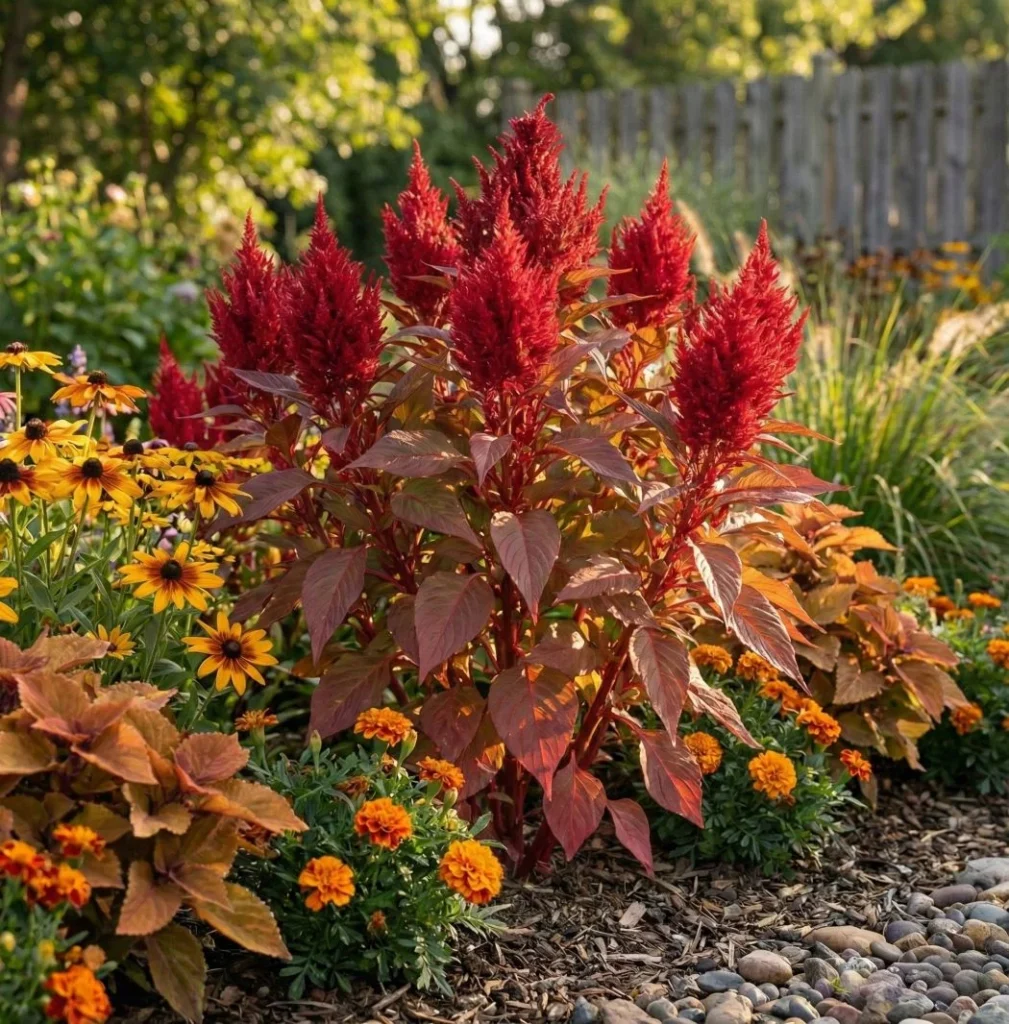
Dragon breath plant needs soil that drains well. RHS recommends moist but well-drained fertile soil, while Sakata recommends well-drained, organic-rich soil.
Avoid planting it in a spot where water sits after rain. In containers, use a quality potting mix with drainage holes rather than heavy garden soil.
Feed lightly rather than pushing rapid leafy growth with large amounts of fertilizer. Sakata specifically recommends avoiding over-fertilization and notes that the crop needs relatively little fertilizer during production.
When does dragon breath plant flower?
Dragon breath plant produces large red plumes during the warm growing season, with flowering continuing into late summer and fall when conditions remain favorable. The Chicago Botanic Garden describes the plant as producing deep red flower spikes from June until the first hard frost in its growing conditions.
The flowers are actually dense clusters of small flowers grouped into plume-shaped flowerheads. The foliage can also remain attractive while the plant is developing its flowers.
Sakata describes Dragon's Breath as a late-flowering type, with full flower plume development taking about four to five months under commercial production conditions. Home gardeners may see different timing because temperature, day length, planting date, and growing conditions all affect development.
Remove faded plumes if you want a cleaner-looking plant and encourage new growth. You can also leave mature flowerheads in place if you want to collect seed.
Can you grow dragon breath plant in a pot?
Yes, dragon breath plant grows well in containers as long as the pot drains freely and receives plenty of sun. A container also makes it easier to move the plant to a protected spot when cold weather arrives.
Choose a pot with drainage holes and use a well-drained potting mix. Avoid placing the container in a saucer filled with standing water.
Container plants dry out faster than plants in the ground, particularly during hot weather. Check the mix more often during heat waves and water thoroughly when the soil begins to dry.
When is dragon breath plant not a good fit?
Dragon breath plant is a poor choice for cold or waterlogged conditions. It is a warm-season plant, so gardeners in areas with freezing winters generally grow it as an annual rather than expecting it to survive outdoors through winter.
It also isn’t a good choice for a deeply shaded bed. If your garden has only low light, choose a plant that is suited to shade instead.
In a very wet planting site, improve drainage or choose a different location. Healthy roots need access to air as well as water.
Common mistakes with dragon breath plant
- Planting dragon breath plant in deep shade can lead to weaker growth and less of the red coloration that makes this cultivar distinctive, so choose the sunniest practical location.
- Keeping the soil constantly saturated can damage roots, so use well-drained soil and containers with drainage holes.
- Applying large amounts of fertilizer can push excessive vegetative growth, so feed lightly and follow the fertilizer label.
- Treating a container plant like a garden-bed plant can lead to dry roots during hot weather, so check containers more often.
- Expecting the plant to survive a hard frost can lead to disappointment because dragon breath plant is generally grown as a warm-season annual.
Frequently asked questions about dragon breath plant
What is dragon breath plant?
Dragon breath plant is a cultivated celosia known for dark red foliage and red plume-shaped flowers. It is commonly sold under the name Dragon's Breath.
Does dragon breath plant need full sun?
Yes. Full sun is the preferred position, although Sakata also lists partial shade as an option. More direct light generally supports stronger growth and deeper foliage color.
How often should I water dragon breath plant?
Water newly planted dragon breath plant regularly while it establishes. After that, check the soil and water when it begins to dry rather than using a fixed weekly schedule.
Is dragon breath plant an annual or perennial?
It is commonly grown as a warm-season annual. In climates without damaging cold, celosia can behave differently, but gardeners should check their local winter temperatures before expecting outdoor survival.
Can dragon breath plant grow indoors?
It can be grown temporarily in a bright indoor location, but it is better suited to outdoor growing with strong light and warm conditions. A sunny container outdoors is usually the simpler choice.
Can I grow dragon breath plant from seed?
Yes. RHS lists seed propagation in early or late spring. Start seeds when conditions are warm enough for active growth, then move young plants outdoors after the risk of frost has passed.
Should I cut off the flowers?
You can remove old flower plumes to keep the plant tidy and encourage fresh growth. You can also leave mature flowers on the plant if you want to collect seed or enjoy the dried flowerheads.
Why is my dragon breath plant losing its red color?
Light is one factor. Dragon breath plant develops stronger red coloring under good light, while low light can produce less intense foliage color. Watering, temperature, and overall growing conditions also affect plant appearance.