
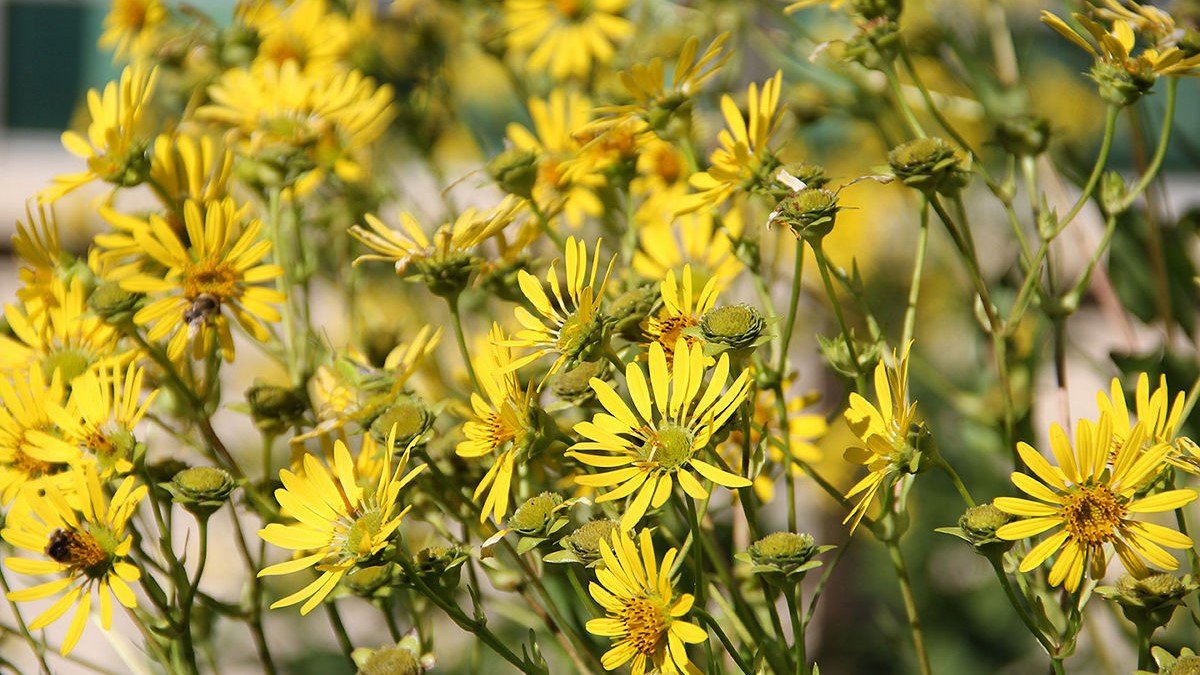
Cup plant Silphium perfoliatum is a tall herbaceous perennial with large leaves that clasp the stem and form small cups that can hold rainwater. It grows best in full sun and moist soil, and its yellow summer flowers attract pollinators and birds.
TL;DR
- Cup plant Silphium perfoliatum is a large perennial that commonly reaches 4 to 8 feet tall.
- Give cup plant full sun and moist, well-drained soil for strong growth.
- The fused upper leaves form cups that can collect rainwater.
- Yellow, daisy-like flowers appear from summer into early fall.
- Give it plenty of room because cup plant can spread by underground rhizomes.
What is cup plant Silphium perfoliatum?
Cup plant Silphium perfoliatum is a native perennial wildflower in the Asteraceae, or daisy, family. It is also commonly called cup plant because its opposite upper leaves join around the stem and form a cup-like structure.
The plant has upright, square stems and large, toothed leaves. Mature plants commonly reach about 4 to 8 feet tall, although some can grow taller. University of Illinois Extension lists July through September as the usual flowering period, with yellow, daisy-like flowers.
Cup plant is native to parts of eastern and central North America. It is associated with moist prairies, meadows, open woods, stream edges, and other sites where the soil does not dry out for long periods.
The unusual leaves make the plant easy to recognize. The botanical name perfoliatum refers to leaves that appear to have the stem passing through them.
How do you grow cup plant Silphium perfoliatum?
Cup plant grows best in full sun with moist soil, although it can tolerate some partial shade. Give each plant enough room to reach its mature size and avoid planting it where a small perennial would be easier to manage.
| Growing need | Best condition |
|---|---|
| Light | Full sun, with some tolerance for partial shade |
| Soil | Moist, loamy, well-drained soil |
| Water | Consistently moist conditions are preferred |
| Height | About 4 to 8 feet in many garden settings |
| Bloom time | Summer into early fall |
| Hardiness | USDA Zones 3 through 9, according to University of Illinois Extension |
Cup plant can handle wet ground better than many garden perennials. NC State Extension lists the plant for moist conditions, occasional flooding, and occasionally wet or dry soils. Even so, a moist site with good drainage is a better garden setting than soil that stays stagnant and waterlogged.
Avoid a dry planting bed if possible. Illinois Wildflowers notes that drought can cause lower leaves to drop, while stressed plants may have stunted growth or flower problems.
Where should you plant cup plant?
Plant cup plant where its height and spread will not crowd smaller plants. A sunny back border, native plant garden, rain garden, meadow, or large naturalized area can work well.
The plant has a coarse texture and can become a strong visual presence once established. Place shorter plants in front of it rather than expecting cup plant to stay compact.
Cup plant also spreads through underground rhizomes, which are modified stems that grow below the soil and produce new shoots. Missouri Department of Conservation notes that cup plant can form dense colonies in suitable conditions.
That spreading habit is useful in a large naturalized planting but can become a problem in a small, tightly planted border. If you want a compact garden, choose a plant with a smaller mature size.
Why do cup plant leaves hold water?
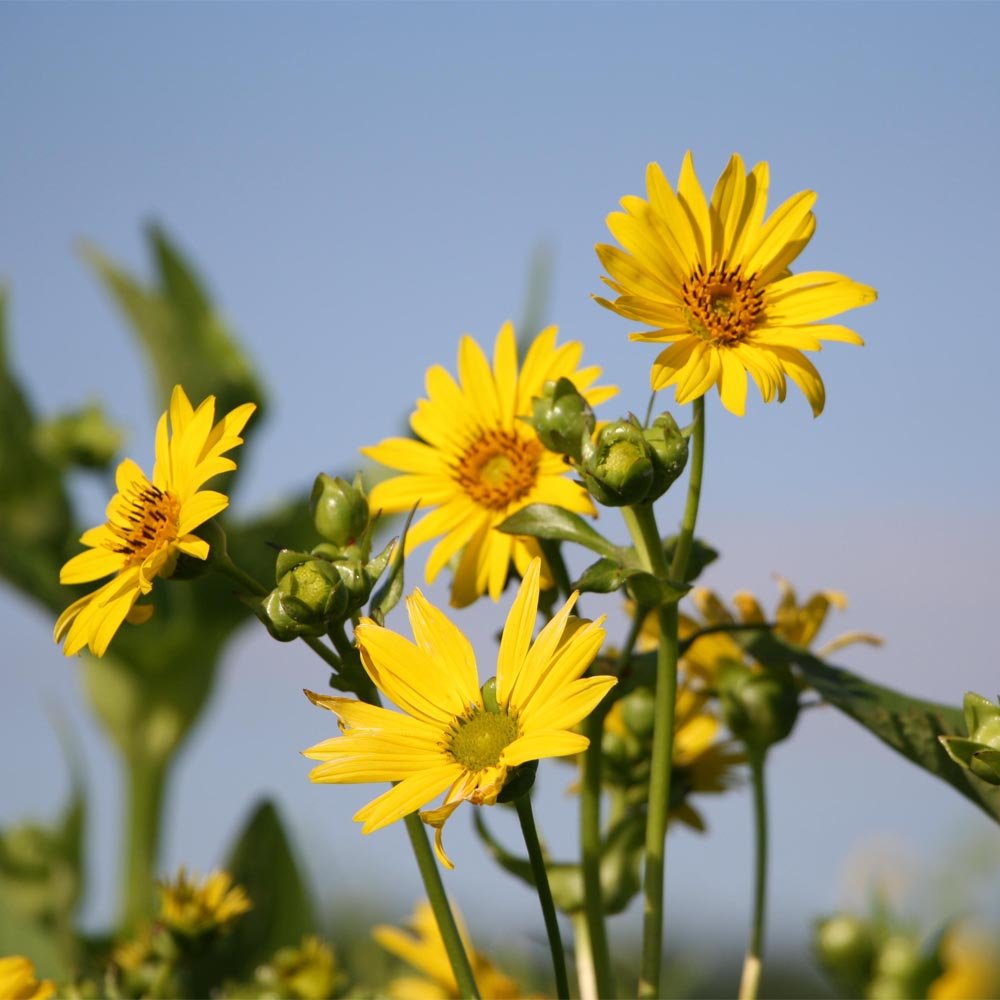
Cup plant leaves hold water because the upper leaves join around the stem instead of attaching with a normal leaf stalk. Rainwater can collect in the resulting cups.
Birds can use these small pools as drinking sites. NC State Extension specifically notes that birds drink from the water collected by the foliage, while goldfinches also eat the seeds.
The flowers provide another wildlife benefit. Butterflies and other flower visitors use the blooms for nectar and pollen. Illinois Wildflowers records many kinds of bees, flies, wasps, and other insects visiting cup plant flowers.
The water cups are an interesting feature, but don’t rely on them as a substitute for watering the plant. Cup plant still needs suitable soil moisture, especially while establishing.
When does cup plant bloom?
Cup plant usually blooms in summer, with yellow flower heads continuing into late summer or early fall depending on location and growing conditions. University of Illinois Extension gives July through September as its listed bloom period.
The flowers look similar to large yellow daisies and can reach several inches across. They appear near the top of the tall stems, often creating a broad display above the surrounding plants.
If you grow cup plant from seed, don’t expect flowers immediately. NC State Extension notes that seed-grown plants may not flower until their second season.
After flowering, the plant produces winged seeds. Leaving the seed heads in place can provide food for birds and allow the plant to spread naturally.
How do you propagate cup plant?
Seed is a practical way to propagate cup plant, and NC State Extension lists seed as the recommended propagation method. Sow seed according to the requirements of your seed source and local growing conditions.
Established plants can also spread through their underground rhizomes. This is why an existing clump may gradually become larger without deliberate reseeding.
If you want more control over where cup plant grows, remove unwanted seedlings and shoots while they are still small. Cutting back spent flower heads before mature seeds disperse can also reduce self-seeding.
Give newly planted cup plant consistent moisture while roots establish. Once established in a suitable moist site, it needs less attention than many high-maintenance garden plants.
When is cup plant not a good fit?
Cup plant is a poor choice for a small bed where a 4- to 8-foot plant would overwhelm nearby plants. It also isn’t a good match for a dry garden that receives little rainfall and has no practical way to provide extra water.
Think about its spreading habit before planting. Illinois Department of Natural Resources describes cup plant as a common native perennial in Illinois, while Missouri Department of Conservation notes that it can spread through underground rhizomes and form dense colonies.
For a small urban border, a shorter perennial may be easier to manage. For a large native planting, meadow, or moist garden edge, cup plant can make much more sense.
Common mistakes with cup plant
- Planting cup plant in a dry, sunny bed can lead to drought stress, leaf loss, and poor flowering.
- Putting cup plant in front of short plants can hide them once the perennial reaches its mature height.
- Ignoring the underground rhizomes can lead to a larger planting than you intended.
- Expecting seed-grown plants to flower in their first season can lead to unnecessary concern.
- Crowding cup plant into a narrow bed makes its mature size harder to manage.
Frequently asked questions about cup plant Silphium perfoliatum
Is cup plant Silphium perfoliatum a perennial?
Yes. Cup plant is a herbaceous perennial that returns from its underground root system each growing season.
How tall does cup plant get?
Cup plant commonly grows about 4 to 8 feet tall, although individual plants can become taller in favorable conditions.
Does cup plant need full sun?
Full sun is the best general choice, although cup plant can tolerate some partial shade. More shade may reduce its flowering and overall growth.
Does cup plant spread?
Yes. Cup plant can spread through underground rhizomes and may form dense colonies in suitable conditions. Give it room if you want a naturalized planting.
Do birds use cup plant?
Yes. Birds can drink from the water collected by the leaf cups, and goldfinches also eat the seeds. The dense growth can provide cover for birds.
Can cup plant grow in wet soil?
Yes. Cup plant tolerates moist to wet conditions and can grow in sites that occasionally flood. A moist, well-drained soil is a good general garden condition.
When should I plant cup plant?
Planting time depends on your local climate and whether you are using seed, seedlings, or established plants. Spring is a practical choice in many temperate gardens, while local planting conditions should guide the timing.