
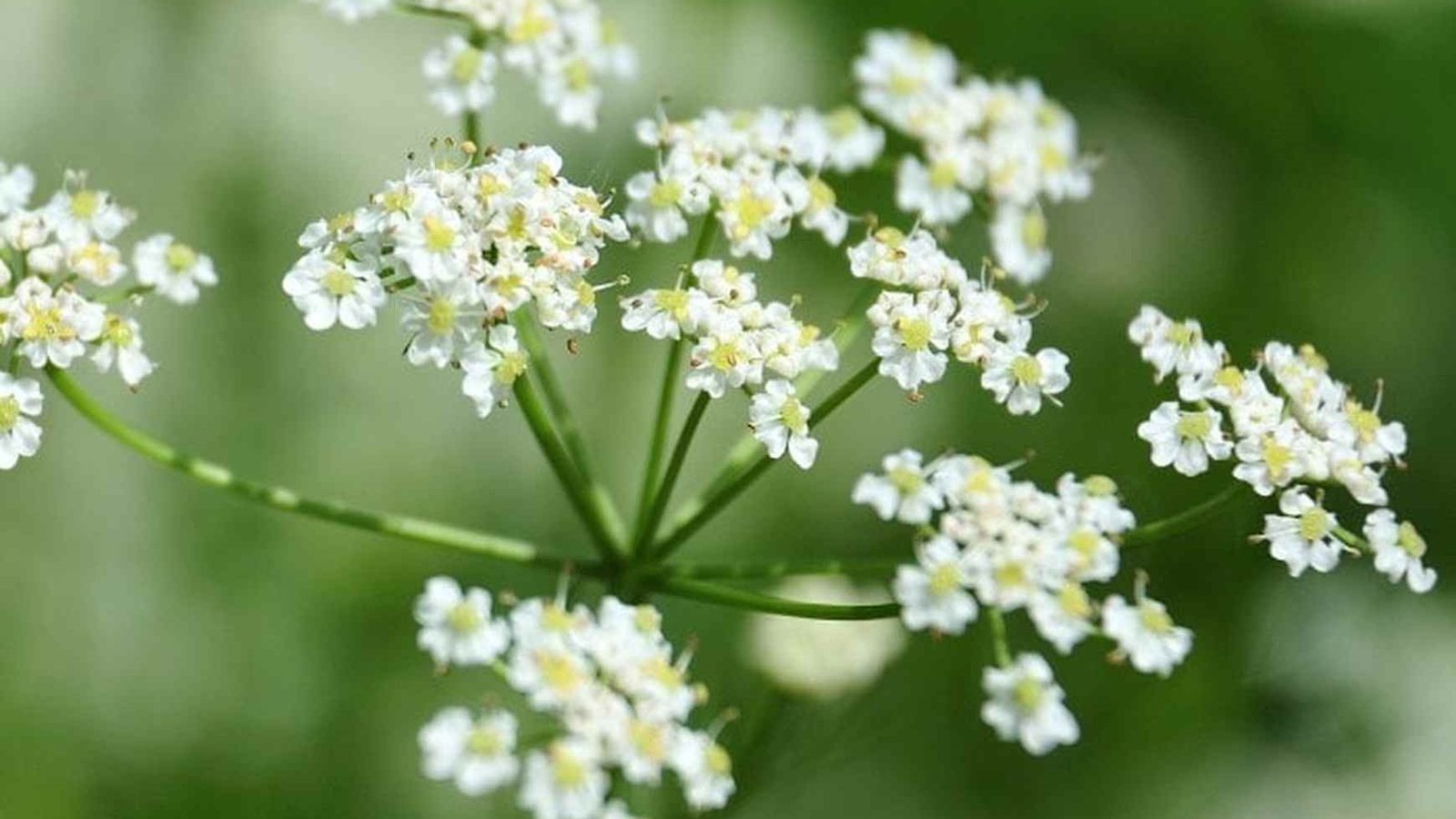
The cumin plant, Cuminum cyminum, is a warm-season annual herb grown for its aromatic seeds. Give it full sun, well-drained soil, steady moisture during growth, and a long warm season for the seed pods to mature.
TL;DR
- Cumin plants need full sun and well-drained soil.
- Sow cumin where it will grow because young plants dislike root disturbance.
- Keep the soil lightly moist while plants establish, then avoid keeping it wet.
- Cumin needs a long, warm growing season to produce mature seeds.
- Harvest when the seed clusters dry and turn brown, then finish drying them before storage.
What is a cumin plant?
A cumin plant is a small annual herb in the Apiaceae family, the same plant family that includes carrots and parsley. It has slender, finely divided leaves and small white flowers that grow in umbrella-shaped clusters.
The spice called cumin comes from the plant’s dried fruit, which contains the seed used in cooking. The plant usually stays fairly small, making it suitable for a sunny garden bed or container with good drainage.
Cumin grows best where summers are warm and the plant has enough time to mature its seeds. In cooler climates, a short growing season can make seed production difficult.
How to grow a cumin plant
A cumin plant grows best in full sun, loose well-drained soil, and a warm growing season. Choose a sheltered outdoor spot that receives plenty of direct light. The soil should drain freely because constantly wet roots can cause problems.
Cumin is usually grown from seed. Sow it directly where you want the plants to grow when the soil and weather are warm enough. Cumin does not handle transplanting well, so disturbing the roots can set plants back.
| Growing need | What to provide |
|---|---|
| Light | Full sun with several hours of direct light each day |
| Soil | Fertile, loose, well-drained soil |
| Water | Regular moisture while plants establish, with less frequent watering as they mature |
| Spacing | Give individual plants enough room for air movement and growth |
| Season | A long, warm period for flowering and seed development |
If you live in a cool climate, start seeds in biodegradable containers and move the entire root ball outdoors after cold weather has passed. In a warm climate with a suitable growing season, direct sowing is simpler.
How much water does a cumin plant need?
A cumin plant needs regular watering while it is young, but the soil should not stay soggy. Water when the surface begins to dry, then soak the root area thoroughly.
As the plant becomes established, cumin can tolerate some drying between waterings. Container-grown plants may dry faster than plants growing in the ground, especially during hot weather.
Avoid frequent shallow watering. Deep watering followed by a period of slight drying encourages the roots to grow through the available soil.
When should you harvest cumin seeds?
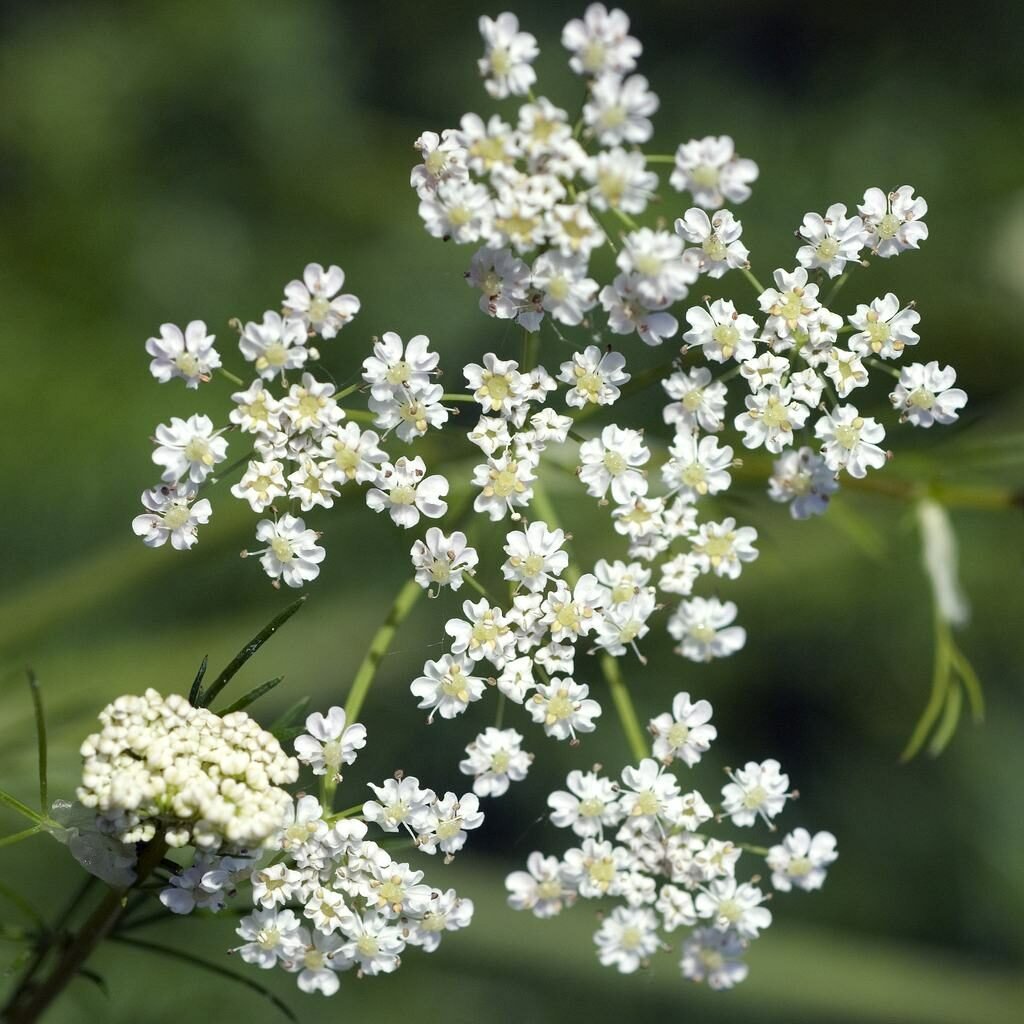
Harvest cumin when the flower clusters have finished developing seeds and begin to dry and turn brown. The seeds should be mature before you cut the stems.
Cut the dry seed-bearing stems and place them in a paper bag or another container that can catch loose seeds. Allow the clusters to finish drying in a warm, dry place away from strong direct light.
Once completely dry, rub or shake the clusters to release the seeds. Remove pieces of plant material and store the dry cumin seeds in an airtight container in a cool, dark cupboard.
Do not rush this stage. Seeds that still contain moisture can spoil during storage.
Can you grow cumin in a pot?
Yes, you can grow a cumin plant in a container as long as the pot has good drainage and receives full sun. Choose a container deep enough to support the roots and avoid crowding several plants into a small pot.
A container can be useful in areas where garden soil stays wet or where you need to move plants into a warmer, sheltered position. Check the soil more often during hot weather because containers dry faster than garden beds.
Cumin is an annual, so you do not need to keep the plant alive through winter for another harvest. Save mature seeds if you want to sow cumin again.
When is a cumin plant not a good fit?
A cumin plant is a poor choice where summers are short, cool, or consistently wet. The plant needs a long warm period to flower and produce mature seeds, so a cool climate may give you foliage without a useful seed harvest.
Heavy, poorly drained soil is another problem. If your garden stays wet after rain, use a raised bed or a container with free-draining soil instead.
For a hot climate, protect young plants from sudden extremes and watch container moisture closely. Strong afternoon heat combined with dry soil can stress small plants.
Common mistakes with cumin plants
- Sowing cumin too early can expose young seedlings to cold conditions, so wait until the soil and weather are warm enough.
- Transplanting bare-root cumin seedlings can damage their roots, so direct sowing is usually the safer choice.
- Keeping cumin in constantly wet soil can cause root problems, so improve drainage before increasing watering.
- Harvesting green seed clusters can give you immature seeds, so wait until the clusters have dried and browned.
- Storing seeds before they are fully dry can lead to spoilage, so finish the drying process before sealing them away.
Frequently asked questions about cumin plants
What is a cumin plant?
A cumin plant is the annual herb Cuminum cyminum, grown mainly for the aromatic seeds used as the spice cumin.
How long does a cumin plant take to grow?
Cumin needs a long warm growing season to reach seed maturity. The exact timing depends on temperature, planting time, sunlight, and growing conditions.
Does cumin need full sun?
Yes. Grow cumin in a sunny position with plenty of direct light for strong growth and good seed production.
Can I grow cumin from store-bought cumin seeds?
Use seeds sold for planting when possible. Culinary cumin seeds may have been processed or stored in ways that reduce their ability to germinate.
Can cumin grow in containers?
Yes. Use a container with drainage holes, well-drained soil, and a sunny position. Check the soil regularly because containers dry faster than garden beds.
How do I know when cumin seeds are ready to harvest?
The seed clusters should be dry and brown before harvest. Cut the stems, allow them to finish drying, then separate the seeds.
Is cumin an annual or perennial plant?
Cumin is an annual herb. It completes its life cycle in one growing season and produces seeds before the plant dies.
Can I save cumin seeds for next year?
Yes. Let the seed clusters mature and dry fully, then store the cleaned seeds in a dry, airtight container in a cool, dark place.