
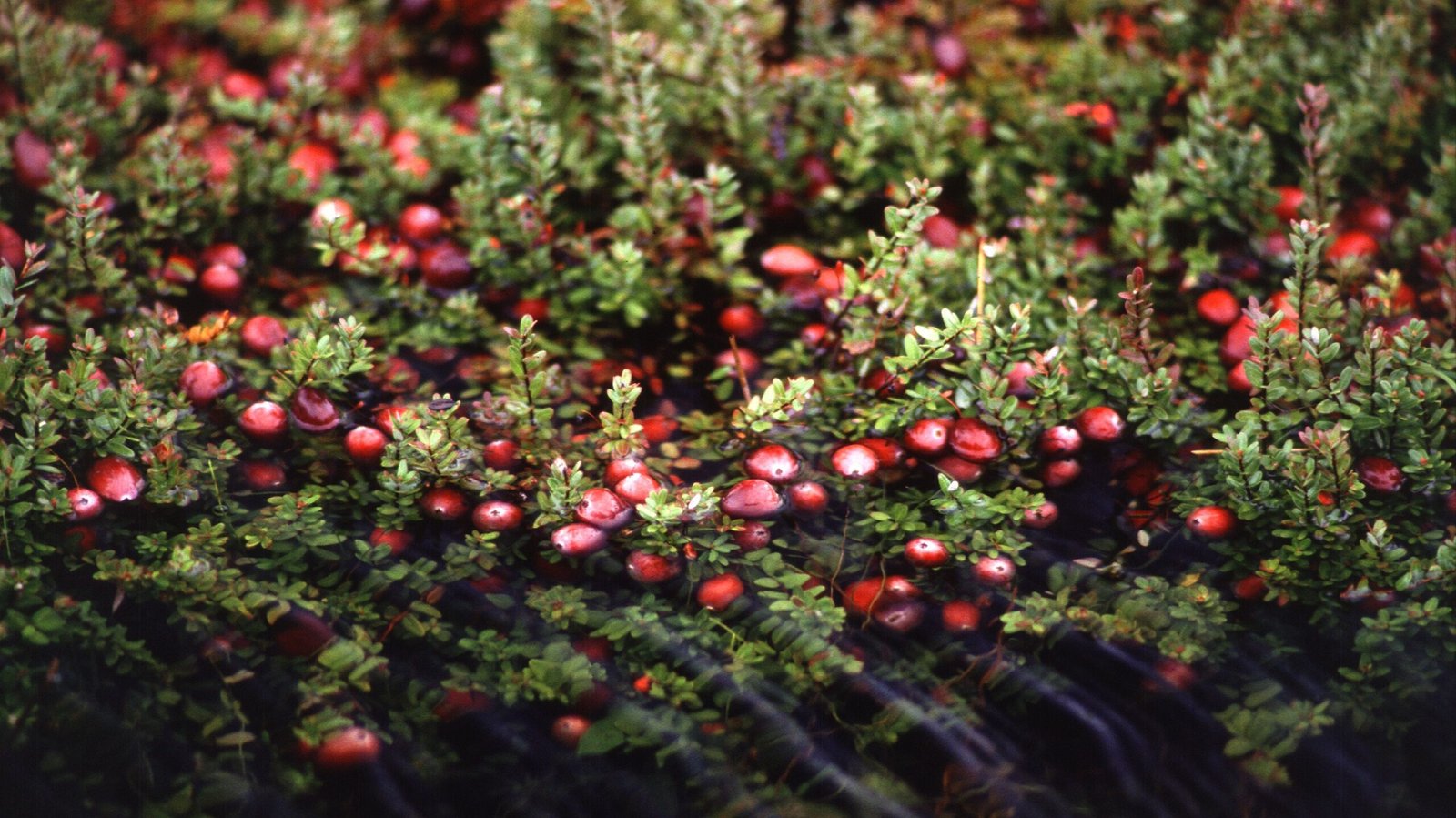
A cranberry plant is a low-growing evergreen vine that produces tart red berries in suitable cool, wet growing conditions. Learn how to grow cranberry plants, choose the right soil, provide enough water, and avoid common care problems.
TL;DR
- A cranberry plant needs acidic soil, steady moisture, and plenty of light.
- The common cultivated cranberry is Vaccinium macrocarpon, also called American cranberry.
- Cranberries grow as low trailing vines rather than upright shrubs.
- Good drainage and moisture must be balanced because the roots need water without prolonged stagnant conditions.
- Cranberries are best suited to climates that provide the cool seasonal conditions the plant needs.
What is a cranberry plant?
A cranberry plant is a low-growing, evergreen vine in the genus Vaccinium. The cultivated American cranberry is Vaccinium macrocarpon, a perennial plant grown for its red fruit. USDA sources describe it as a wetland perennial that grows naturally and commercially in acidic conditions.
Unlike a blueberry bush, a cranberry plant spreads along the ground. Its stems can form a mat over the growing area, with upright shoots that produce flowers and fruit.
Cranberry flowers are small and pale, with petals that bend backward. The fruit develops later in the season and turns red as it ripens. USDA Agricultural Research Service information places cranberry flowering in June and July under its growing conditions.
This growth habit makes cranberry plants unusual for a home garden. They need a very acidic growing medium, consistent moisture, and a climate that suits their seasonal cycle.
How do you grow a cranberry plant?
A cranberry plant grows best in acidic soil with reliable moisture and good light. Start with a suitable planting site or container, use an acidic growing medium, and keep the roots evenly moist without letting them sit in stagnant water for long periods.
Light needs
Give cranberry plants a sunny outdoor position where they receive strong light for much of the day. Good light supports leafy growth, flowering, and fruit production.
A shaded site can produce weaker growth and fewer flowers. If your garden has limited sunlight, choose the brightest suitable location rather than trying to compensate with frequent feeding.
Soil and pH
Cranberry plants need acidic soil. USDA Agricultural Research Service work gives an optimal soil pH range of about 4.2 to 5.5 for cranberry growth.
Use an acidic growing medium rather than ordinary garden soil if your native soil is neutral or alkaline. Cranberries are adapted to soils that differ greatly from the soil used for many common garden plants.
A simple comparison helps: growing a cranberry plant in alkaline soil is like asking a plant adapted to one type of growing medium to live in a very different one. Check the soil before planting if you are unsure of its pH.
Watering
Keep the growing medium consistently moist during active growth. Cranberry production relies on a reliable water supply, but home gardeners should avoid treating a container or garden bed like a permanently flooded bog.
Commercial cranberry systems use carefully managed water for irrigation and other seasonal needs. USDA research on commercial production describes water use for soil moisture management, frost protection, and winter flooding.
For a home plant, focus on even moisture and watch the growing medium closely during hot or dry weather.
Temperature and climate
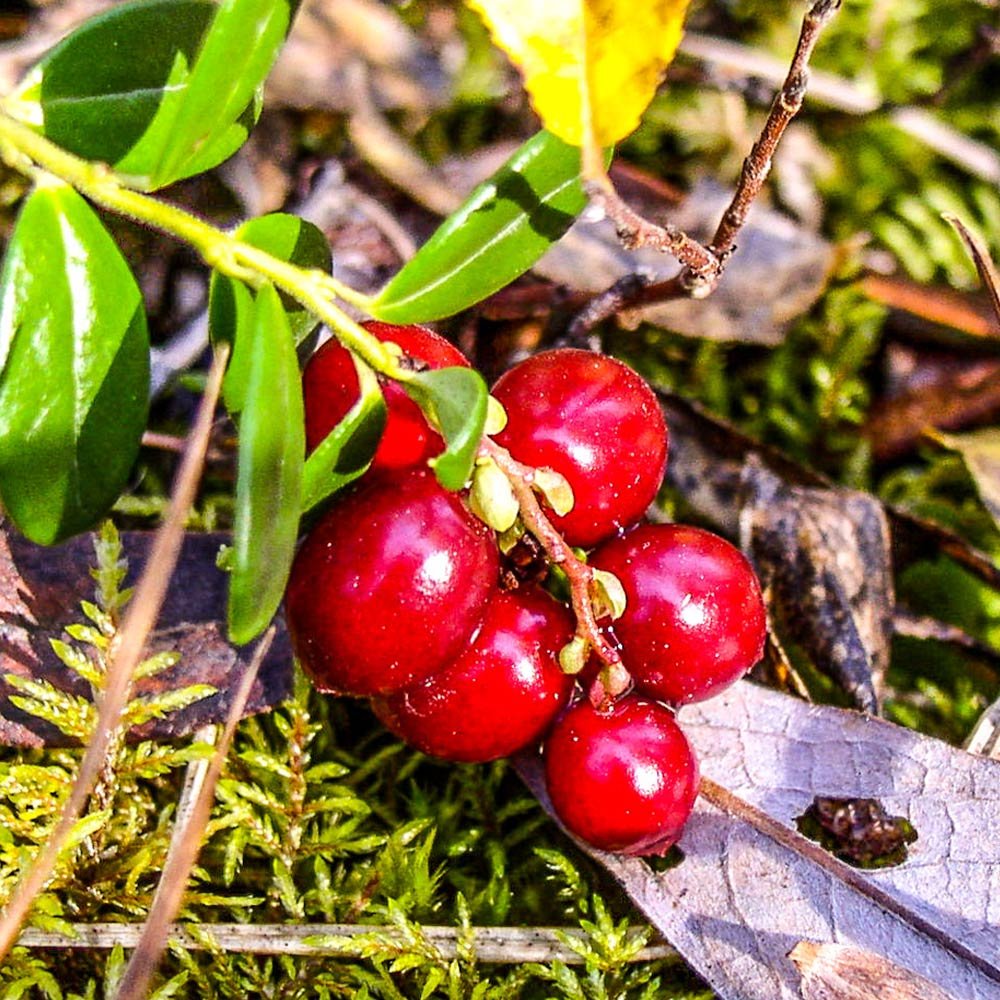
Climate is one of the hardest parts of growing cranberry plants outside their natural or commercial growing regions. Cranberries need cool seasonal conditions and winter chilling, so a warm climate may make successful fruit production difficult even when soil and water are managed well.
Check your local climate before planting outdoors. If winters are very mild, the plant may survive while fruit production remains poor.
Can you grow a cranberry plant in a container?
Yes, a cranberry plant can be grown in a container if you can provide acidic growing medium, regular moisture, enough light, and suitable seasonal temperatures. A container can also make soil conditions easier to control than native garden soil.
Choose a wide container because cranberry growth spreads along the surface rather than forming a tall bush. Make sure excess water can drain from the container.
Use an acidic planting mix and monitor moisture closely. Containers dry faster than garden beds, especially during hot weather, so check the growing medium often.
Container growing is most useful when your native soil is unsuitable but your outdoor climate is appropriate. It does not remove the plant’s need for cool seasonal conditions.
When does a cranberry plant produce fruit?
A cranberry plant usually flowers in late spring to summer and develops fruit later in the growing season. USDA Forest Service data for cultivated Vaccinium macrocarpon lists flowering in May to June and fruit ripening in September to October, although timing varies with location and growing conditions.
Do not expect a newly planted cranberry to produce a heavy crop immediately. Young plants first need to establish healthy stems and roots.
Good light, suitable acidic soil, steady moisture, and the right climate all affect flowering and fruiting. If the plant grows well but produces little fruit, review these conditions before adding more fertilizer.
Common mistakes with cranberry plants
- Planting a cranberry plant in ordinary alkaline garden soil can make it difficult for the plant to grow well, so check and correct the growing medium first.
- Letting the soil dry out repeatedly can stress the plant, so keep moisture more even during active growth.
- Growing cranberries in deep shade can reduce flowering and fruit production, so choose a bright site.
- Assuming every wet area is suitable can lead to poor root conditions, so provide moisture while still allowing the growing medium to drain appropriately.
- Choosing a warm site without considering winter conditions can result in a healthy-looking plant with poor fruiting.
Frequently asked questions about cranberry plants
What is a cranberry plant?
A cranberry plant is a low-growing evergreen vine that produces tart red berries. The common cultivated species is Vaccinium macrocarpon, or American cranberry.
How often should I water a cranberry plant?
Water often enough to keep the growing medium consistently moist during active growth. Adjust the frequency for rainfall, temperature, container size, and drainage.
What soil does a cranberry plant need?
A cranberry plant needs acidic soil or growing medium. A pH around 4.2 to 5.5 is an appropriate target range for cranberry growth.
Can I grow a cranberry plant in a pot?
Yes. Use a wide container with acidic growing medium, good drainage, steady moisture, and enough sunlight.
How long does it take for a cranberry plant to produce fruit?
Fruit production depends on plant age, variety, climate, light, moisture, and growing conditions. A newly planted cranberry needs time to establish before it produces a useful crop.
Does a cranberry plant need full sun?
Cranberry plants grow best with plenty of direct light. A bright outdoor site is preferable to deep shade when fruit production is the goal.