
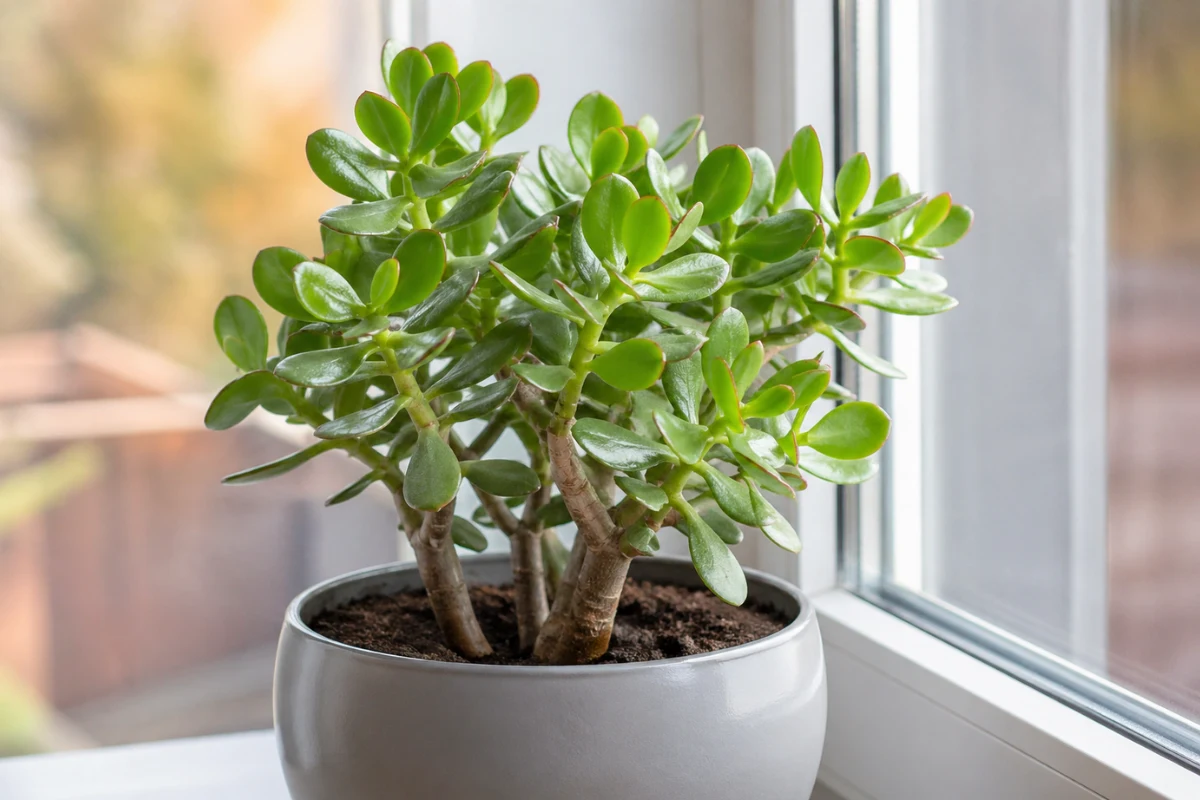
The crassula argentea plant is a succulent commonly grown as a houseplant for its thick leaves and woody, branching stems. It needs bright light, fast-draining soil, and careful watering to stay in good shape.
TL;DR
- The crassula argentea plant is the jade plant, and its accepted botanical name is Crassula ovata.
- Give it bright light and a pot with good drainage.
- Let the soil dry between waterings to reduce the risk of root rot.
- Propagate it from leaf or stem cuttings during active growth.
- Move it indoors or protect it from cold when outdoor temperatures become unsuitable.
What is the crassula argentea plant?
The crassula argentea plant is a succulent shrub better known as the jade plant. Kew currently accepts Crassula ovata as the species name and lists Crassula argentea as a synonym. It is native to parts of southern Africa and belongs to the stonecrop family, Crassulaceae.
The plant has thick, fleshy, oval leaves that store water. Older plants can develop woody stems and a small tree-like shape. The leaves are usually green and may develop red edges when grown in strong light.
The Royal Horticultural Society lists jade plant as an evergreen succulent sub-shrub that can produce small white or pale pink flowers. Flowering is more likely under suitable outdoor or growing conditions than in an average home.
How do you care for a crassula argentea plant?
A crassula argentea plant needs bright light, well-drained soil, moderate watering, and protection from prolonged cold. The biggest watering mistake is keeping the potting mix wet for too long.
| Need | Requirement |
|---|---|
| Light | Give the plant bright light, with several hours of direct sun if it has been gradually acclimated. |
| Water | Water thoroughly, then allow the soil to dry before watering again. |
| Soil | Use a fast-draining cactus or succulent mix. |
| Pot | Choose a container with drainage holes. |
| Humidity | Average indoor humidity is usually suitable. |
| Temperature | Keep it in a warm, protected place and avoid cold conditions. |
Light needs
Give jade plant plenty of light. A bright window is a good indoor location, and a south- or west-facing window can work well where the light is not blocked.
If the plant has been growing in lower light, introduce stronger sunlight gradually. A sudden move into intense direct sun can scorch the leaves. Weak light can also lead to stretched, sparse growth.
Watering schedule
Water the crassula argentea plant when the potting mix has dried. Water thoroughly so the root ball is moistened, then allow excess water to drain away.
Do not keep the pot sitting in water. In cooler or darker months, the plant usually needs less water because growth slows.
A simple check works well: push a finger into the soil before watering. If the mix still feels damp below the surface, wait a little longer.
Soil and repotting
Use a potting mix made for cacti or succulents, or another mix that drains freely. Heavy, slow-draining soil can stay wet around the roots and increase the risk of root problems.
Jade plant does not need frequent repotting. Move it into a larger container when the roots have filled the current pot or the plant has become difficult to keep stable.
Choose a new pot only slightly larger than the old one. A very large pot can hold more wet soil than the roots can use.
How do you propagate a crassula argentea plant?
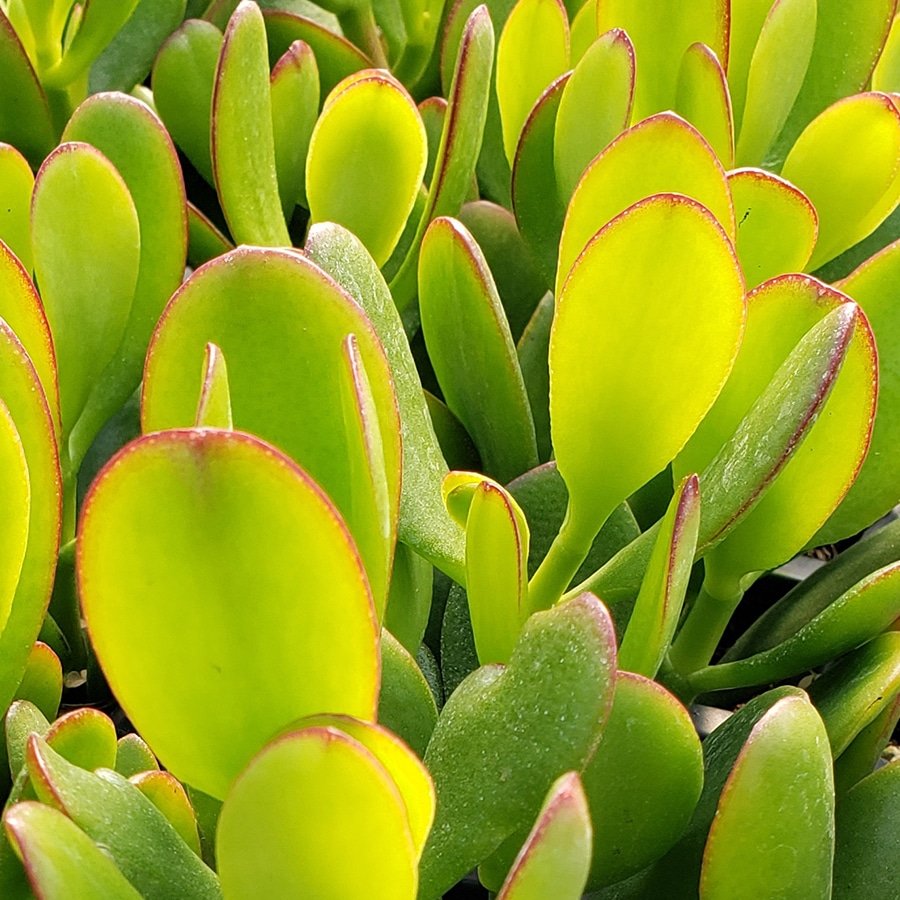
The crassula argentea plant can be propagated from leaf or stem cuttings. Leaf propagation is slower, while a healthy stem cutting can produce a larger new plant sooner.
For a leaf cutting, remove a healthy leaf cleanly and let the cut end dry and callus before placing it on a suitable succulent propagation mix. Keep it in good light and avoid keeping the mix wet.
For stem propagation, cut a healthy section with a clean tool and allow the cut surface to dry before planting it in a free-draining mix. Water lightly once roots begin to form rather than keeping the cutting constantly damp.
The RHS lists Crassula ovata among succulents that can be successfully propagated from leaf cuttings.
Why is my crassula argentea plant losing leaves?
Leaf loss often points to watering or light problems, although sudden changes in growing conditions can also cause it. Overwatering is a common concern because jade plant stores water in its leaves and stems.
If leaves are soft, yellowing, or dropping while the soil stays wet, check the roots and drainage. Move the plant into a well-drained mix if the soil remains soggy.
If the stems become long and the leaves are spaced far apart, the plant may need more light. Move it closer to a bright window and increase direct sun gradually.
Pests can also occur. The North Carolina Extension Gardener Plant Toolbox lists aphids, scale, spider mites, and mealybugs among pests that may affect jade plant.
When is a crassula argentea plant not a good fit?
A crassula argentea plant is a poor choice for a very dark room or a container that stays wet after watering. It also needs protection from prolonged cold, so outdoor growing depends on the local climate and season.
If your home has little natural light, choose a plant that tolerates lower light rather than expecting jade plant to maintain compact growth in a dark corner.
For outdoor growing, give the plant a sheltered position and protect it from conditions that are too cold or excessively wet.
Common mistakes with crassula argentea plants
- Watering on a fixed calendar can keep the soil wet when the plant does not need water, so check the soil first.
- Moving a low-light jade plant straight into strong sun can scorch its leaves, so increase sun exposure gradually.
- Using a large pot with poor drainage can leave excess moisture around the roots, so choose a container with drainage holes and a free-draining mix.
- Keeping the plant in a dark spot can cause weak, stretched growth, so move it toward a brighter window.
- Taking cuttings and planting them while the cut surface is still fresh can increase the chance of rot, so allow succulent cuttings to callus first.
Frequently asked questions about the crassula argentea plant
Is Crassula argentea the same as a jade plant?
Yes. Crassula argentea is a synonym of Crassula ovata, the botanical name currently accepted by Kew. Jade plant is the common name.
How often should I water a crassula argentea plant?
Water when the potting mix has dried rather than following a fixed schedule. The plant usually needs less water during cooler or darker periods.
Does a crassula argentea plant need direct sunlight?
It grows well in bright light and can take direct sun when acclimated. Increase direct exposure gradually if the plant has been growing in lower light.
Can I grow a crassula argentea plant indoors?
Yes. Jade plant is widely grown indoors in containers. Place it near a bright window and use a well-drained potting mix.
How do I propagate a crassula argentea plant?
You can propagate jade plant from leaf or stem cuttings. Allow succulent cuttings to callus before planting them in a free-draining propagation mix.
Why are the leaves on my crassula argentea plant falling off?
Overwatering, poor drainage, sudden changes in conditions, and inadequate light can all contribute to leaf loss. Check the soil moisture and light level before changing the watering routine.