
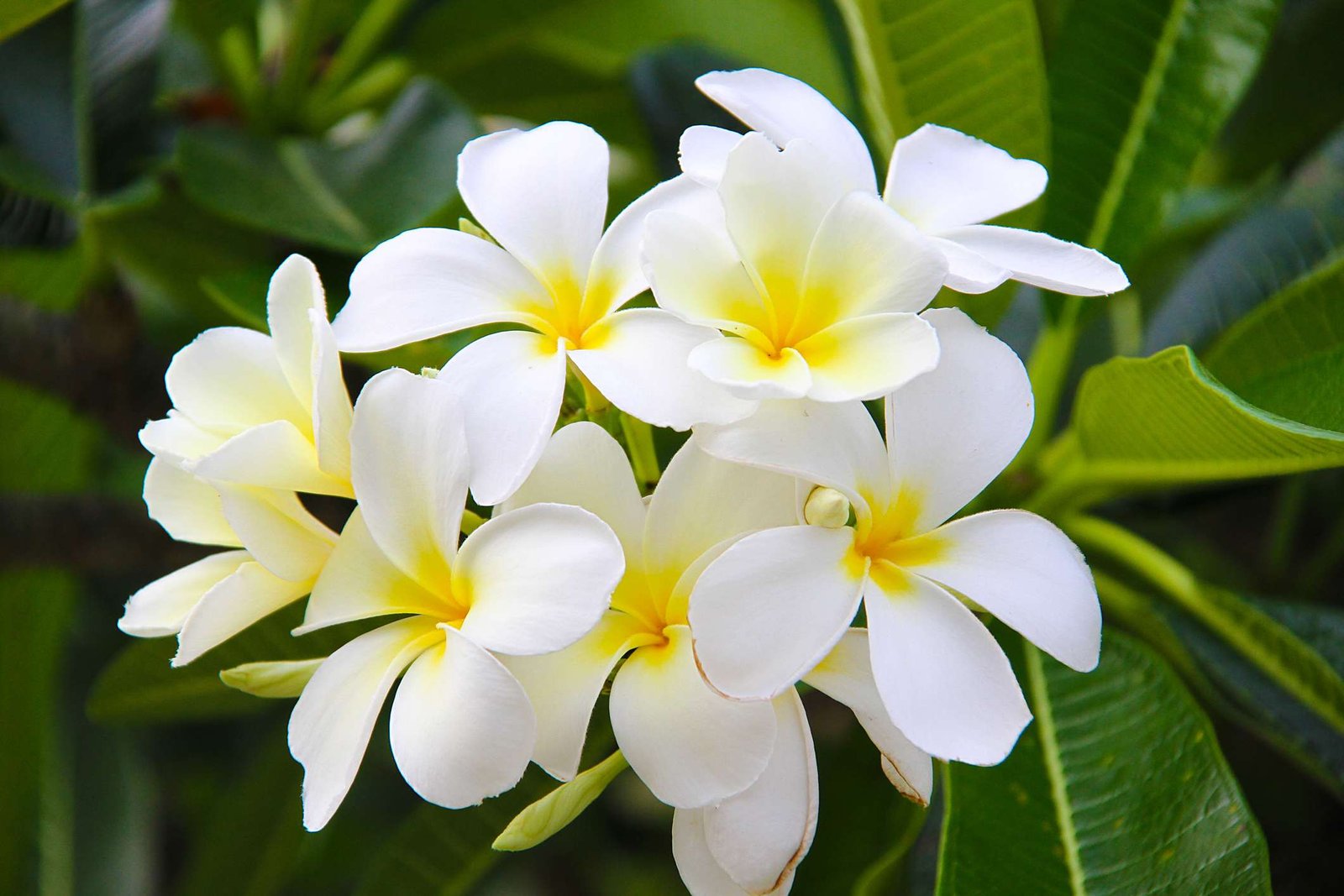
Gardenia plants are evergreen shrubs known for their glossy green leaves and fragrant white flowers. They grow best in warm conditions, bright light, acidic soil, and consistent moisture. With the right care, you can grow gardenias outdoors in suitable climates or keep smaller varieties in pots.
TL;DR
- Gardenia plants need bright light, with some protection from strong afternoon sun.
- Use acidic, well-drained soil that stays evenly moist.
- Water when the top layer of soil begins to dry, but never leave roots sitting in water.
- Feed with a fertilizer made for acid-loving plants during active growth.
- Yellow leaves and falling flower buds often point to problems with watering, light, temperature, or soil conditions.
What are gardenia plants?
Gardenia plants belong to the genus Gardenia in the coffee family. The most widely grown ornamental species is Gardenia jasminoides, also called cape jasmine. It has glossy, dark green leaves and creamy-white flowers with a strong, sweet fragrance.
Gardenias are popular as flowering shrubs in warm gardens and as potted plants in bright indoor spaces. Depending on the variety and growing conditions, a gardenia can stay compact or develop into a much larger shrub.
The flowers usually appear in spring and summer, although the timing varies by climate and variety. Some cultivars flower more than once during the growing season.
Gardenias suit gardeners who can provide steady moisture and suitable soil. They need more attention than many ordinary shrubs because changes in growing conditions can cause yellow leaves or flower buds to fall before opening.
How to care for gardenia plants
Gardenia plants grow best when light, water, soil, and temperature remain fairly consistent. Choose a suitable growing location before planting, since frequent changes and root disturbance can slow growth.
| Care requirement | What gardenia plants need |
|---|---|
| Light | Bright indirect light indoors or partial shade outdoors |
| Water | Even moisture without waterlogged soil |
| Soil | Acidic, rich, well-drained soil |
| Temperature | Warm conditions without sudden temperature changes |
| Humidity | Moderate to high humidity, especially indoors |
| Fertilizer | A fertilizer formulated for acid-loving plants |
| Pruning | Light pruning after flowering |
How much sunlight do gardenia plants need?
Gardenia plants need bright light to grow well and produce flowers. Outdoors, choose a spot with morning sun and afternoon shade, especially in hot climates. Too much intense afternoon sun can scorch the leaves and stress the plant.
For indoor gardenias, place the pot near a bright window where the plant receives plenty of indirect light. A little gentle morning sun can help, but protect the leaves from harsh midday heat.
Deep shade can reduce flowering. If a gardenia grows healthy leaves but produces few buds, check whether it receives enough light before changing its fertilizer.
How often should you water gardenia plants?
Water gardenia plants when the upper layer of soil begins to dry. The soil should remain slightly moist, but the roots need air as well as water.
Check potted plants more often during hot weather because containers can dry quickly. Outdoor shrubs may need less frequent watering once established, depending on rainfall and soil type.
Water slowly around the root zone until excess water drains away from the pot. Empty any saucer that collects runoff. In garden beds, water deeply when the soil begins to dry rather than giving the plant frequent, shallow drinks.
Both drought and excessive moisture can cause problems. Dry soil may lead to drooping leaves and falling buds, while waterlogged soil can damage roots and cause yellowing or wilting.
What soil is best for gardenia plants?
Gardenia plants prefer acidic soil with a pH below 6.0. The soil should hold enough moisture to support steady growth while allowing excess water to drain freely.
For containers, choose a potting mix labeled for acid-loving plants. Use a pot with drainage holes and enough room for the roots to develop.
For garden beds, mix organic matter into the planting area if the soil needs better structure. Avoid planting gardenias in compacted ground where water collects after rain.
If the leaves turn yellow while their veins remain green, the soil may be too alkaline for the plant to absorb iron properly. Test the soil before adding products to lower its pH. Correcting the underlying soil condition is usually more effective than repeatedly treating the leaves.
What temperature and humidity do gardenia plants prefer?
Gardenia plants prefer warm, stable conditions and moderate to high humidity. Sudden temperature changes, dry indoor air, and cold drafts can cause stress and encourage flower buds to drop.
Keep indoor plants away from heating vents and air conditioners. If the air is dry, use a humidifier or place the pot near other plants to create a more humid area. Good air movement still matters, so avoid crowding the foliage.
Outdoor gardenias need protection from frost in climates where winter temperatures fall below the tolerance of the chosen variety. Cold hardiness differs among cultivars, so check the plant label before selecting one for year-round outdoor growth.
How to encourage gardenia plants to flower
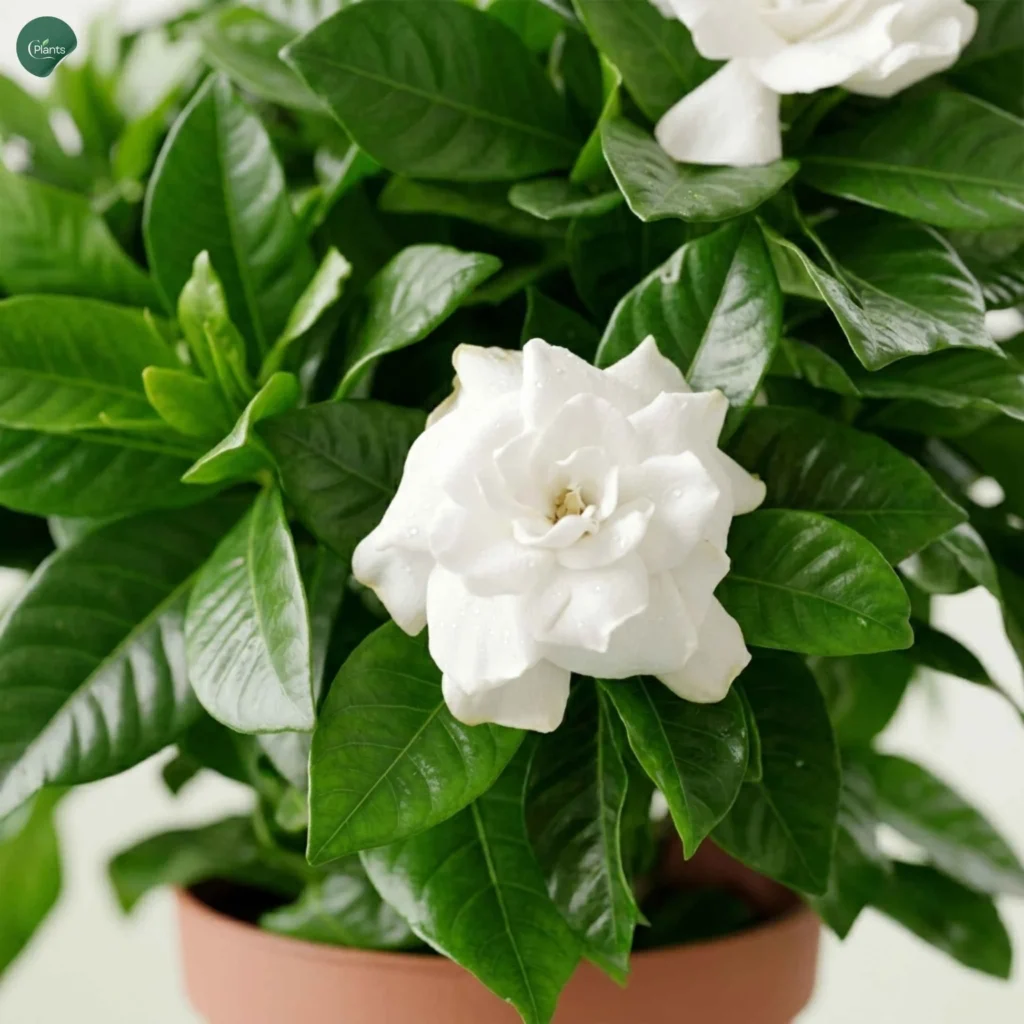
Gardenia plants produce the best flowers when they receive enough light, steady moisture, suitable temperatures, and the right soil conditions. If a plant has healthy foliage but few flowers, review these growing conditions before adding extra fertilizer.
Feed gardenias during active growth with a fertilizer formulated for acid-loving plants. Follow the product label for the amount and timing. Too much fertilizer can damage roots or encourage leafy growth at the expense of flowers.
Avoid moving a gardenia repeatedly while it is forming buds. Keep watering consistent and protect the plant from sudden changes in temperature.
Prune outdoor gardenias after their main flowering period. Removing a few overgrown or damaged branches can improve the plant’s shape, but heavy pruning may remove growth that would produce later flowers.
Gardenias also need time to settle after planting or repotting. A recently moved plant may focus on root growth before producing many blooms.
Can you grow gardenia plants indoors?
Yes, gardenia plants can grow indoors if you provide enough light, suitable humidity, and careful watering. Smaller varieties are often easier to manage in containers than large landscape shrubs.
Place the plant near a bright window, away from cold drafts and hot, dry air. Check the soil regularly because indoor heating and air conditioning can change how quickly the pot dries.
Use a container with drainage holes and an acidic potting mix. Repot only when needed, since gardenias can respond poorly to unnecessary root disturbance.
Indoor gardenias may struggle to flower if the room is too dark or the temperature changes often. If flower buds drop, check the growing conditions rather than assuming the plant needs more food.
During warm weather, you can move a potted gardenia outdoors to a sheltered position with suitable light. Acclimate it gradually to the brighter conditions, and bring it back inside before temperatures fall below the plant’s tolerance.
When are gardenia plants a poor choice?
Gardenia plants may be difficult to grow in places with alkaline soil, poor drainage, very dry air, or long periods of cold weather. They are also less suitable for gardeners who cannot check soil moisture regularly.
If your garden soil is strongly alkaline, growing a gardenia in a container may be easier than trying to change the soil across a large planting area. A container lets you control the growing medium and drainage more closely.
If you want an outdoor shrub that needs little attention, choose a plant better suited to your local climate and soil. Gardenias reward steady care, but they can struggle when their basic growing needs are not met.
Common problems with gardenia plants
Gardenia plants often show stress through changes in their leaves or flower buds. Check the soil and growing conditions first, since several different problems can cause similar symptoms.
| Problem | Likely cause | What to do |
|---|---|---|
| Yellow leaves with green veins | Soil may be too alkaline, limiting iron uptake | Test the soil pH and correct it as needed. |
| Yellow leaves and wilting | Waterlogged roots or watering problems | Check drainage and soil moisture before watering again. |
| Flower buds falling off | Changes in moisture, light, temperature, or humidity | Keep conditions steady and avoid letting the soil dry out. |
| Few or no flowers | Insufficient light, unsuitable conditions, or excessive fertilizer | Improve light and review feeding practices. |
| Sticky leaves or black surface growth | Sap-feeding insects and the honeydew they leave behind | Inspect leaf undersides and identify the pest before treatment. |
Check the undersides of leaves and the tips of new growth for whiteflies, scale insects, aphids, and other pests. A sticky coating or black sooty growth can indicate sap-feeding insects.
For a small infestation, identify the insect and use an appropriate treatment according to its label. Avoid spraying flowers when pollinators are visiting, and do not apply treatments more often than directed.
Frequently asked questions about gardenia plants
Are gardenia plants easy to grow?
Gardenia plants need more attention than many common shrubs because they prefer acidic soil, steady moisture, and suitable light. They are easier to manage when you match the variety to your climate and growing space.
Do gardenia plants need full sun?
Gardenias grow well in bright light, partial shade, or suitable filtered sunlight. In hot climates, morning sun and afternoon shade can help protect the leaves and flower buds.
Why are the leaves on my gardenia plant turning yellow?
Yellow leaves can result from excess water, poor drainage, unsuitable soil pH, or nutrient problems. Check the soil moisture and drainage first, then test the soil if the symptoms continue.
How often should I fertilize gardenia plants?
Feed gardenias during active growth with a fertilizer made for acid-loving plants. Follow the product label and avoid heavy feeding, which can damage roots or interfere with flowering.
Can gardenia plants grow in pots?
Yes, gardenias grow in containers when they have acidic potting mix, good drainage, enough light, and regular watering. Compact varieties are often easier to maintain in pots.
Why do gardenia flower buds fall off before opening?
Bud drop can occur when the soil becomes too dry or too wet, the air is too dry, temperatures fluctuate, or the plant receives too little light. Keep moisture and temperature steady while the buds develop.
When should I prune gardenia plants?
Prune outdoor gardenias after flowering to remove damaged branches and control their shape. Avoid heavy pruning late in the season because it can reduce flowering in the next cycle.
Can gardenia plants survive winter outdoors?
Some gardenia varieties tolerate cooler winters, while others are more sensitive to cold. Check the cultivar’s hardiness and protect the plant from frost where needed, or grow it in a pot that can be moved to shelter.