
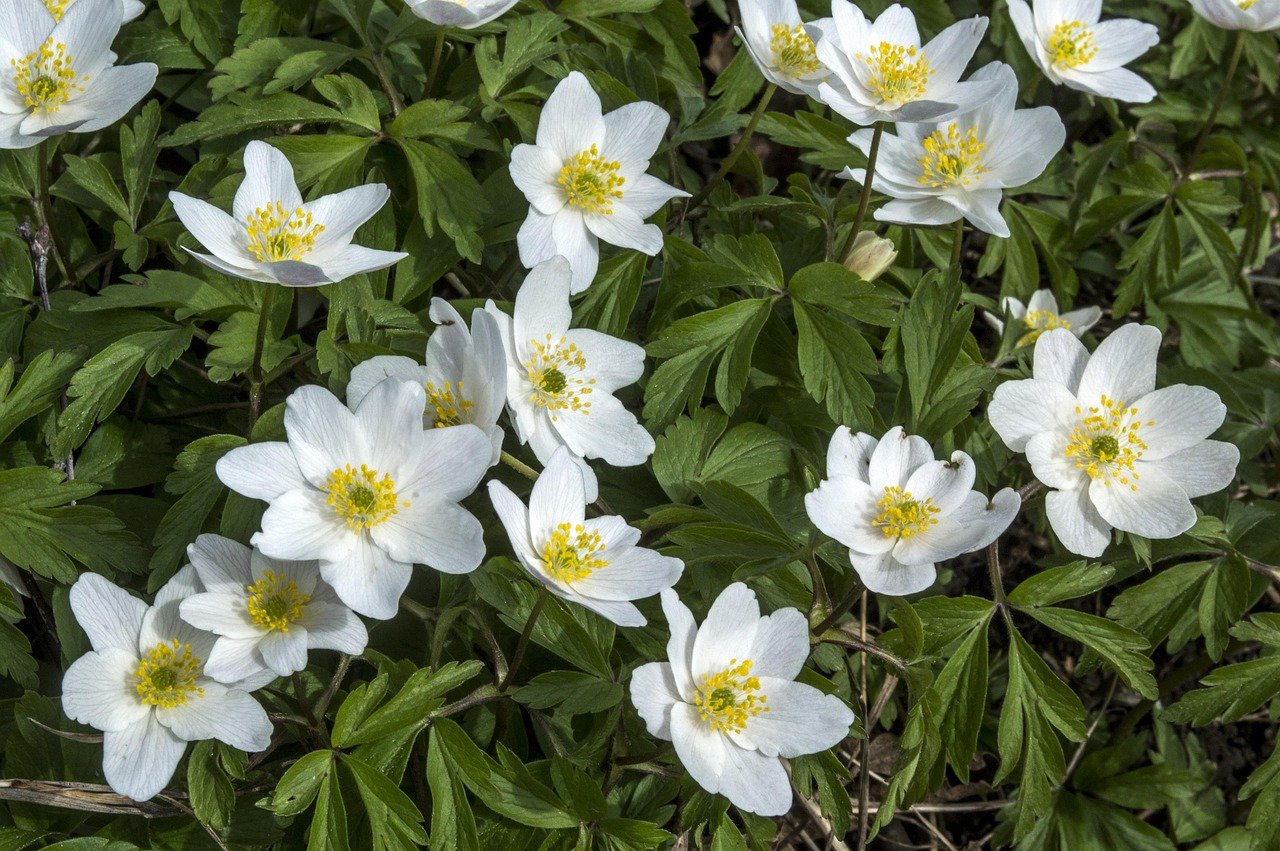
Forest plants grow in woodlands and forests, where light, moisture, soil, and temperature shape the way they develop. From tall trees that form the canopy to small ferns on the forest floor, these plants provide food and shelter for wildlife and help maintain healthy ecosystems.
TL;DR
- Forest plants include trees, shrubs, ferns, mosses, wildflowers, and climbing plants.
- Their growth depends on sunlight, soil moisture, temperature, and the type of forest.
- Tropical forests support heat-loving plants, while temperate and boreal forests support species adapted to cooler conditions.
- Many forest plants grow well in gardens with shade, suitable soil, and steady moisture.
- Choose native plants that match your local climate and growing conditions.
What are forest plants?
Forest plants are species that grow naturally in forests and woodland habitats. They range from large trees and woody shrubs to grasses, ferns, mosses, and flowering plants that grow close to the ground.
These plants occupy different levels of the forest. Tall trees form the upper canopy, smaller trees and shrubs grow beneath them, and low-growing plants spread across the forest floor.
Each layer offers different conditions. Plants near the canopy receive more direct sunlight, while those under thick tree cover often depend on filtered light and moist soil.
Forest plants also differ by region. A tropical rainforest contains species adapted to warm, humid conditions, while a boreal forest supports plants that tolerate long winters and short growing seasons.
What types of plants grow in forests?
Forests contain several main groups of plants, and each group fills a different role in the habitat. The species you find depend on the climate, elevation, soil, and amount of rainfall.
Forest trees
Trees form the main structure of most forests. Their branches and leaves create shade, while their trunks provide shelter and nesting sites for wildlife.
Common forest trees include:
- Oak, which grows in many temperate woodlands.
- Maple, known for its distinctive leaves and seasonal color.
- Beech, which often grows in temperate forests with suitable moisture.
- Pine, which includes species adapted to cooler climates and relatively dry soils.
- Birch, which often grows in cooler regions and open woodland.
Evergreen trees retain their foliage throughout the year, although they still shed older leaves or needles. Deciduous trees lose their leaves during a particular season, often in autumn in temperate climates.
Forest shrubs
Shrubs grow beneath trees or along forest edges. They provide cover for small animals and can produce flowers, fruits, or berries.
Examples include hazel, holly, and native woodland dogwoods, depending on the region. Some shrubs tolerate deep shade, while others grow better along paths and clearings where sunlight reaches the ground.
Ferns and mosses
Ferns and mosses are common in damp forests. Ferns have fronds and reproduce through spores rather than flowers and seeds. Mosses are small, non-flowering plants that often form soft mats on rocks, logs, and moist soil.
These plants tend to do well where the air and ground remain moist. Many struggle in exposed places where the soil dries quickly or the afternoon sun is intense.
Forest wildflowers
Woodland wildflowers grow among trees, shrubs, and low ground cover. Depending on the region, examples include bluebells, trilliums, wood anemones, and spring beauties.
Some woodland wildflowers bloom early in spring, before deciduous trees develop a full canopy. This allows them to use the sunlight available before the forest floor becomes heavily shaded.
Climbing plants
Climbing plants use trees, shrubs, or other supports to reach better light. Ivy, climbing hydrangea, and some native forest vines grow this way, depending on the habitat.
Some climbers attach themselves to surfaces, while others wrap their stems around nearby supports. Their growth habits vary, so check whether a species is suitable for your garden before planting it near trees or buildings.
How do forest plants survive in different conditions?
Forest plants survive by adapting to the conditions around them. A plant growing beneath a thick canopy faces different challenges from one growing at the sunny edge of a woodland.
Light is one of the main limits on forest growth. Shade-tolerant plants can make use of filtered sunlight, while sun-loving species often grow in clearings or along forest margins.
Water also affects plant growth. Ferns and many mosses prefer moist environments, while some woodland trees can tolerate periods of limited rainfall once established.
Soil conditions matter as well. Forest soils may contain decomposing leaves, twigs, and other organic material. As this material breaks down, it adds nutrients and helps the soil retain moisture.
However, not every forest has deep, fertile soil. Some forests grow on sandy ground, rocky slopes, or soils with low nutrient levels. Plants that live in these places have adaptations that help them cope with the local conditions.
Temperature shapes the growing season. Tropical forest plants generally grow in warm conditions, while boreal species must tolerate cold weather and a shorter period of active growth.
What are the main types of forest habitats?
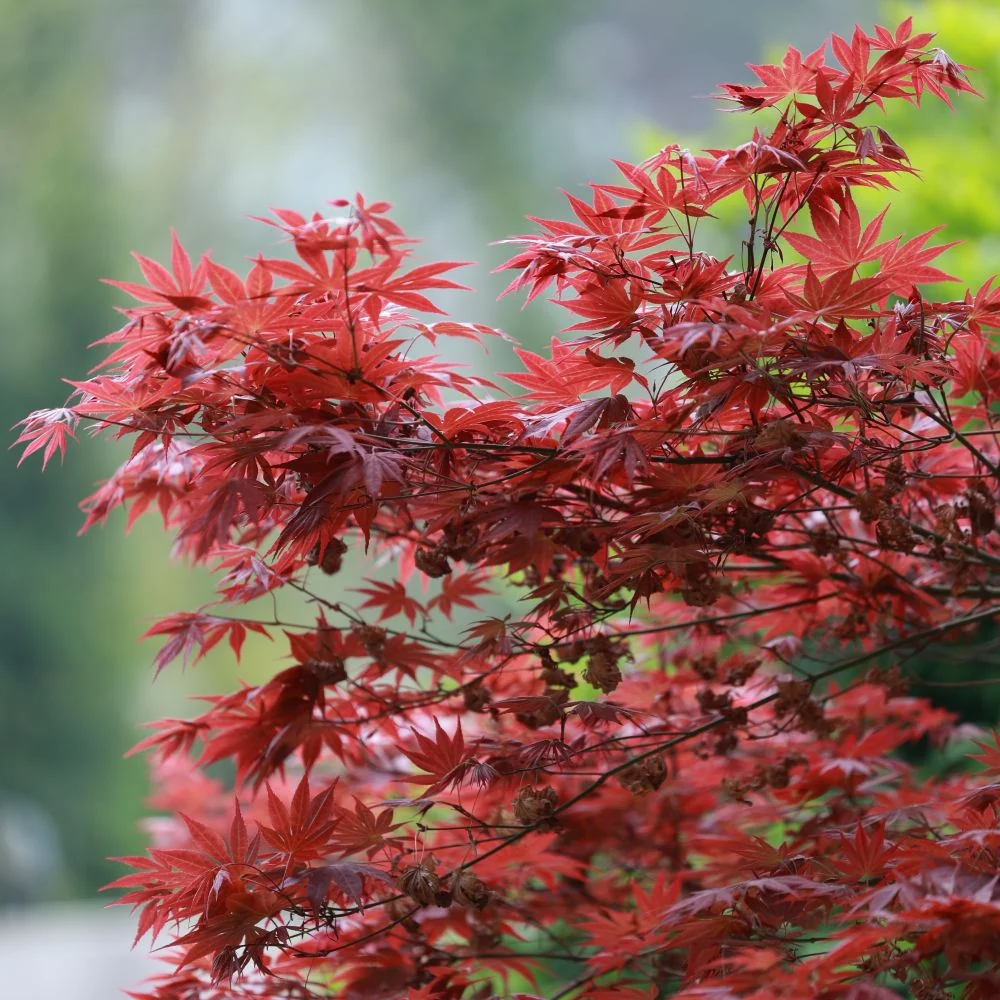
Forest habitats differ according to climate, rainfall, temperature, and elevation. Understanding these differences helps explain why a plant that grows well in one forest may struggle in another.
| Forest type | Common plant groups | Typical conditions |
|---|---|---|
| Tropical rainforest | Broadleaf trees, ferns, orchids, vines | Warm temperatures and high rainfall |
| Temperate deciduous forest | Oak, maple, beech, spring wildflowers | Seasonal temperatures and changing light |
| Boreal forest | Pine, spruce, fir, mosses | Cold winters and short growing seasons |
| Temperate rainforest | Moisture-loving trees, mosses, ferns | Frequent moisture and relatively mild conditions |
| Dry woodland | Drought-tolerant trees, shrubs, grasses | Lower rainfall and periods of dry soil |
These categories are broad. Local soil, elevation, and rainfall can change which species grow in a particular forest.
Why are forest plants important?
Forest plants support the natural systems that keep forests functioning. Trees store carbon as they grow, plant roots help hold soil in place, and leaves add organic matter as they break down.
Different plants also provide food and shelter for animals. Flowers offer nectar and pollen to insects, fruits feed birds and mammals, and dense shrubs give small animals places to hide.
Forest vegetation also affects water movement. Plant roots help soil absorb water, while leaf cover can reduce the direct impact of rain on exposed ground. The effect depends on the forest’s soil, slope, and vegetation.
When a forest loses much of its plant cover, the ground may become more exposed to erosion and changes in moisture. Protecting native forest plants helps preserve the relationships between plants, animals, soil, and water.
How can you grow forest plants in a garden?
You can grow many forest plants in a garden by matching their natural growing conditions. Shade-loving ferns and woodland flowers often suit areas beneath trees, while sun-tolerant woodland shrubs may grow better along an open border.
Start by observing your garden for a few days. Notice where sunlight falls, where water collects after rain, and which areas dry out first.
Use these steps to choose and establish suitable plants:
- Check the light. Choose shade-tolerant plants for areas beneath dense trees and plants that need more sun for brighter woodland edges.
- Assess the soil. Check whether the ground is sandy, clay-heavy, rocky, or rich in organic matter. Improve the soil only when the selected plants benefit from that change.
- Choose suitable species. Native woodland plants are often a good starting point because they are adapted to local conditions.
- Water according to need. Keep newly planted specimens from drying out, then adjust watering as their roots establish.
- Protect the roots. Spread a modest layer of leaf mold or suitable organic mulch around plants, keeping it away from the base of trunks and stems.
- Allow room to grow. Check the mature size of trees and shrubs before planting them close together or near buildings.
Avoid digging deeply around established trees, as this can damage their roots. If you want to create a woodland-style garden, use small groups of plants that share similar moisture and light needs.
What common mistakes should you avoid with forest plants?
Forest plants often struggle when their growing conditions differ too much from those of their natural habitat. A plant suited to cool, moist shade may decline in hot, dry soil, even if it appears healthy when first planted.
Watch for these common mistakes:
- Planting shade-loving species in strong afternoon sun can scorch leaves and dry the soil too quickly.
- Watering every forest plant on the same schedule can leave drought-tolerant plants too wet or moisture-loving plants too dry.
- Removing all fallen leaves can reduce organic matter and expose the soil, although diseased leaves may need to be removed.
- Planting aggressive or invasive species can allow them to spread beyond the intended area.
- Collecting wild plants from forests can damage natural habitats, so buy nursery-grown plants from reputable sellers instead.
Check the needs of each species before changing soil, watering, or light conditions. Small adjustments are often easier to manage than trying to correct several unsuitable conditions at once.
Frequently asked questions about forest plants
What are the most common forest plants?
Common forest plants include oak, maple, pine, and birch trees, along with shrubs, ferns, mosses, and wildflowers. The exact species depend on the forest’s climate and location.
Do forest plants need direct sunlight?
Many forest plants grow in partial shade or filtered light, but their needs vary. Plants that grow naturally in clearings or along forest edges may need several hours of direct sunlight.
Can forest plants grow indoors?
Some forest plants, including certain ferns, can grow indoors when they receive suitable light, moisture, and humidity. Choose species suited to indoor conditions rather than assuming every woodland plant will adapt to a pot.
What soil is best for forest plants?
Many woodland plants prefer soil with organic matter and good moisture retention, but there is no single soil type for every forest plant. Match the soil to the species and avoid keeping roots constantly waterlogged.
Are all forest plants evergreen?
No. Some forest plants keep their leaves throughout the year, while others lose their leaves seasonally. Many ferns also die back during cold or dry periods, depending on the species.
Why do ferns grow well in forests?
Many ferns are adapted to the filtered light and moisture found beneath forest canopies. Their spores allow them to reproduce without flowers or seeds, although successful growth still depends on suitable environmental conditions.
Can I collect forest plants for my garden?
It is better to buy nursery-grown plants or propagate suitable plants legally from cultivated stock. Collecting wild plants can damage habitats, and local rules may restrict the removal of plants from forests and protected areas.
Which forest plants are best for a shady garden?
Shade-tolerant ferns, mosses, and suitable native woodland wildflowers are common choices for shady gardens. Select species according to your local climate, soil moisture, and the depth of shade in the planting area.