
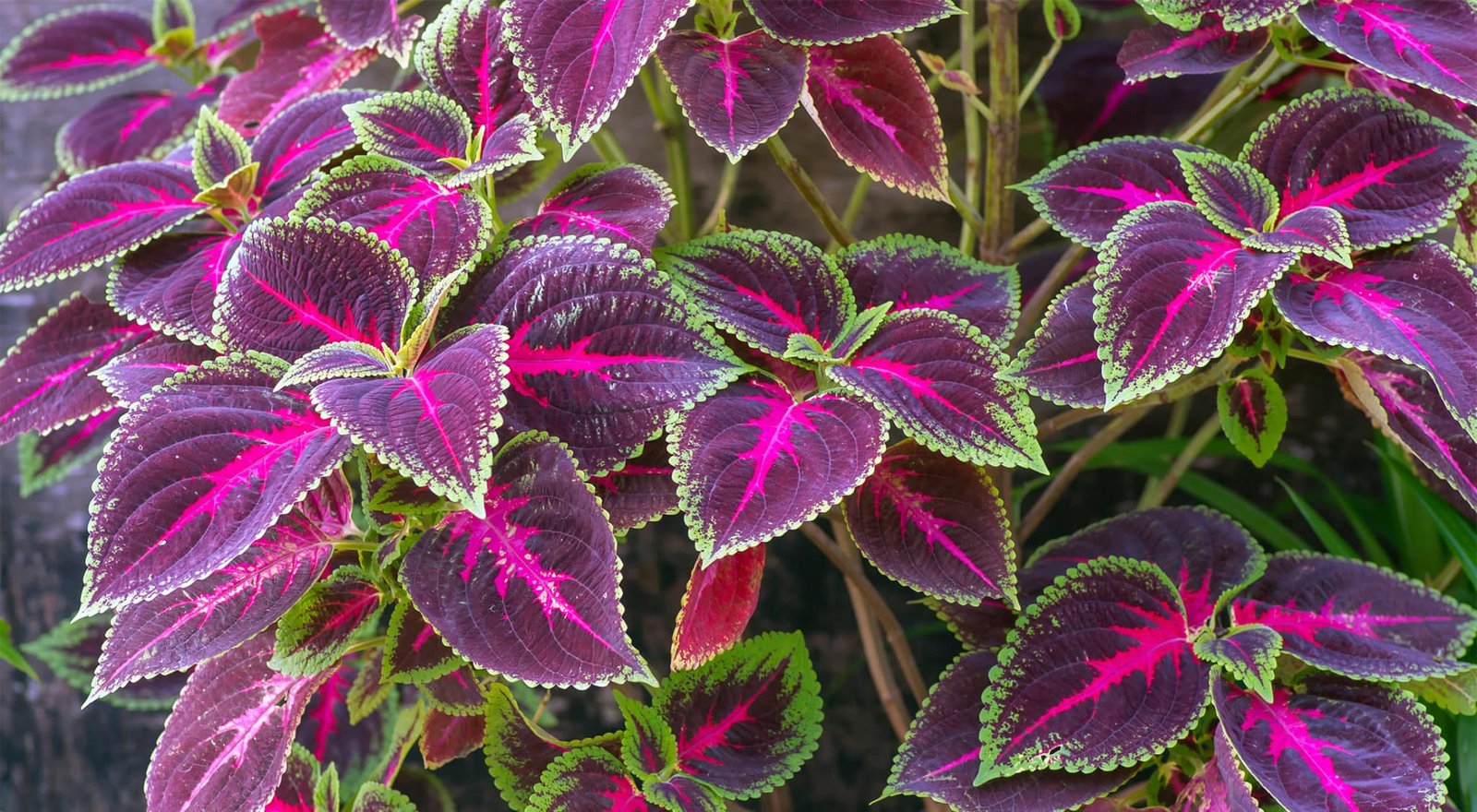
A foliage plant is grown mainly for its leaves rather than its flowers. These plants come in many shapes, sizes, and colors, making them suitable for living rooms, offices, balconies, and shaded garden spaces.
TL;DR
- A foliage plant is valued mainly for the color, shape, and pattern of its leaves.
- Most indoor foliage plants need bright, indirect light, though some tolerate lower light.
- Water when the soil begins to dry, based on the plant’s needs.
- Use a pot with drainage holes and a suitable potting mix.
- Choose a plant that matches the light, humidity, and temperature of your space.
What is a foliage plant?
A foliage plant is a plant grown mainly for its attractive leaves. Its foliage may have unusual shapes, colorful patterns, glossy surfaces, or a soft, textured appearance.
Many foliage plants are grown indoors in pots. Others grow outdoors in garden beds, containers, or shaded areas. Some produce flowers, but their leaves are usually the main reason gardeners choose them.
Common examples include:
- Pothos, which has trailing stems and often shows yellow or cream patterns on its leaves.
- Snake plant, which has upright, stiff leaves with green or yellow markings.
- Chinese evergreen, which comes in varieties with green, silver, or pink-toned leaves.
- Monstera, which develops large leaves with distinctive splits or holes as it matures.
- Rubber plant, which has broad leaves that are often dark green and glossy.
Foliage plants suit gardeners who want color and texture throughout the growing season without relying on flowers. Many are also useful for rooms where flowering plants may struggle to bloom.
Which foliage plants are easiest to grow indoors?
Pothos, snake plant, and Chinese evergreen are common choices for beginners because they can adapt to a range of indoor conditions. Each still needs suitable light, water, and growing space.
Choose a plant based on the conditions you can provide rather than its appearance alone.
| Foliage plant | Light preference | Watering approach | Best use |
|---|---|---|---|
| Pothos | Medium to bright, indirect light | Water when the upper soil begins to dry | Shelves and hanging pots |
| Snake plant | Low to bright, indirect light | Let the soil dry well between waterings | Bedrooms and offices |
| Chinese evergreen | Low to medium, indirect light | Keep soil lightly moist but not soggy | Indoor tables and corners |
| Monstera | Bright, indirect light | Water when the upper soil starts to dry | Large rooms and bright spaces |
| Rubber plant | Bright, indirect light | Allow some surface drying between waterings | Living rooms and offices |
These are general care guidelines. Individual varieties and growing conditions can change how much light and water a plant needs.
Before buying, check the plant label and inspect the leaves. Avoid plants with widespread yellowing, damaged stems, visible insects, or signs of rot.
How do you care for a foliage plant?
A foliage plant grows well when its light, water, soil, and temperature needs match the conditions in your home. Start with the care instructions for the species, then adjust your routine as the plant grows.
Give it the right light
Light affects leaf color, stem growth, and the amount of new foliage a plant produces. Many tropical foliage plants prefer bright, indirect light, which means a well-lit spot without strong direct sun falling on the leaves.
An east-facing window often provides gentle morning sun. Near a bright south- or west-facing window, use a sheer curtain if direct sunlight scorches the foliage.
Plants kept in dim corners may grow slowly or develop long, weak stems. Move them closer to a suitable light source if new growth becomes sparse. Change the position gradually if the plant has been growing in low light.
Water according to the soil
Water your foliage plant when the soil reaches the drying point that suits its species. Do not follow a fixed schedule without checking the pot, because warmth, light, pot size, and soil type all affect how quickly moisture disappears.
For many common indoor plants, check the top inch or two of soil with your finger. If it feels dry and the plant’s care needs allow it, water thoroughly until excess water drains from the bottom.
Empty the saucer after watering. Roots that remain in water can suffer from poor aeration and rot.
Succulents and snake plants generally need longer drying periods than plants that prefer evenly moist soil. Check the soil more often in warm, bright conditions and less often during slower winter growth.
Choose suitable soil and a pot
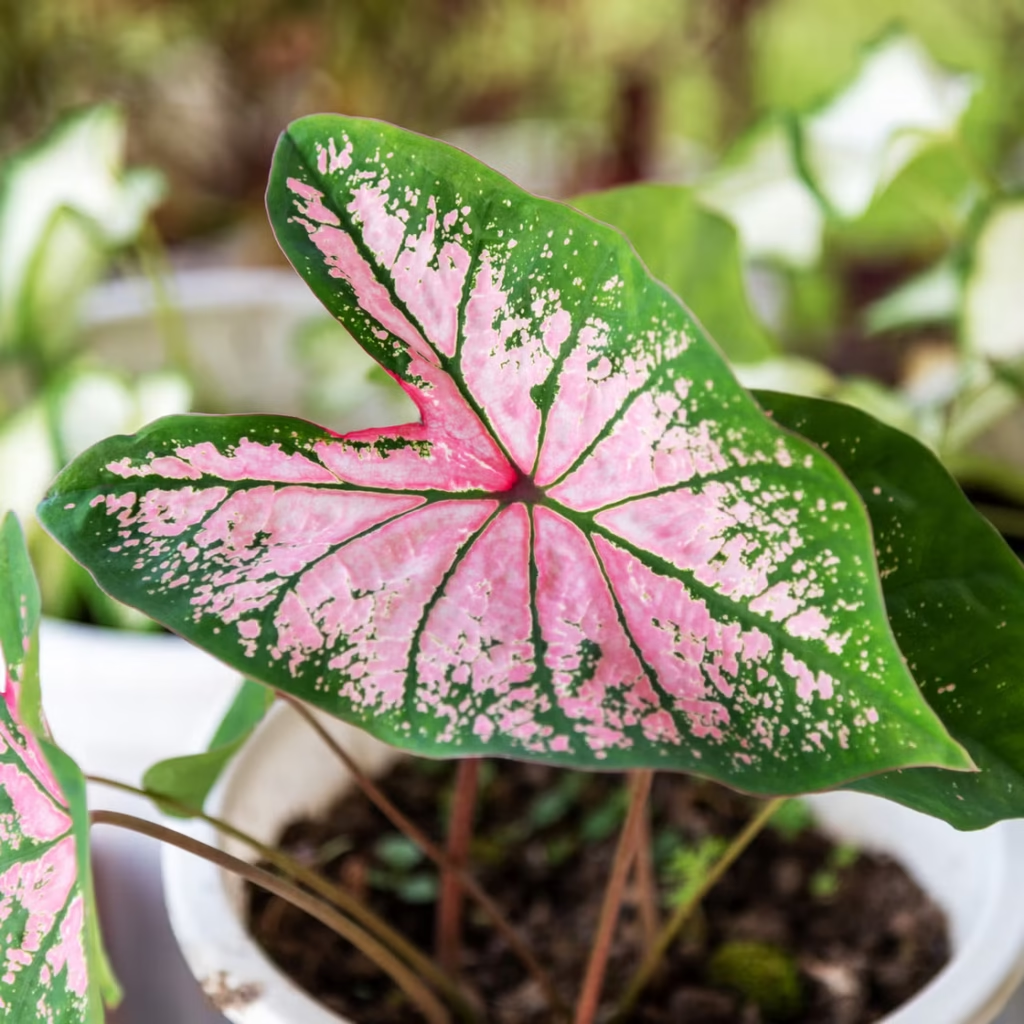
Use a pot with drainage holes so excess water can escape. A decorative outer pot is fine, but remove standing water after watering.
Choose a potting mix that suits the plant. Many tropical foliage plants grow well in a loose indoor potting mix that holds some moisture while allowing air to reach the roots.
Avoid moving a small plant into a very large pot. Extra soil can stay wet for too long when the roots cannot use the available moisture. Repot when the roots crowd the container, water runs through too quickly, or growth becomes restricted.
Maintain a suitable temperature and humidity
Most common tropical foliage plants prefer steady indoor temperatures and protection from cold drafts. Keep them away from air-conditioning outlets, heaters, and windows that become very cold.
Humidity needs vary by species. Plants with thin leaves may struggle in very dry air, while many thicker-leaved plants tolerate average indoor humidity.
If leaf edges turn brown, check watering, humidity, and exposure to hot or cold air before changing several care factors at once.
How can you keep foliage plants healthy?
Regular checks help you spot problems before they spread. Look at the upper and lower surfaces of the leaves, the stems, and the soil whenever you water.
Wipe dust from broad leaves with a soft, damp cloth. Clean leaves can receive light more effectively, and wiping gives you a chance to notice insects or damage.
Feed actively growing foliage plants with a suitable houseplant fertilizer according to the product label. Avoid applying extra fertilizer to a struggling plant before checking its light and watering conditions. Too much fertilizer can damage roots and leave mineral salts in the soil.
Prune dead leaves with clean scissors. If a plant becomes uneven, trim selected stems to encourage a more balanced shape, provided that the species responds well to pruning.
Watch for these common signs:
- Yellow leaves may point to excess water, poor drainage, or insufficient light.
- Brown, crispy edges may result from dry soil, low humidity, or fertilizer salts.
- Pale or scorched patches may indicate too much direct sun.
- Long stems with widely spaced leaves often suggest inadequate light.
- Small insects or sticky residue may indicate a pest problem.
Check the soil and growing conditions before assuming that a single symptom has one cause.
When is a foliage plant not a good fit?
A foliage plant may struggle in a room that is too dark, too cold, or poorly suited to its moisture needs. Choose another species if you cannot provide the conditions it requires.
For example, a sun-loving plant may grow poorly in a windowless room without suitable artificial lighting. A tropical plant may also suffer on a cold balcony during winter.
If you want a plant for a dim corner, choose a species known to tolerate lower light. Remember that low-light tolerance does not mean a plant can grow without light.
For outdoor planting, check whether the species can handle your local temperatures and seasonal conditions. Tropical foliage plants that grow well outside in warm climates may need protection or indoor shelter in cooler regions.
Also check pet safety before bringing a plant into a home with cats or dogs. Toxicity varies by species, so identify the plant before placing it where pets can chew the leaves.
Frequently asked questions about foliage plants
What is the difference between a foliage plant and a flowering plant?
A foliage plant is grown mainly for its leaves, while a flowering plant is usually chosen for its blooms. Both types can produce flowers and attractive foliage.
Do foliage plants need direct sunlight?
Many indoor foliage plants grow best in bright, indirect light. Some tolerate lower light, while others need more direct sun, so check the needs of the individual species.
How often should I water a foliage plant?
Water when the soil reaches the appropriate drying point for that plant. The interval depends on the species, pot size, soil, temperature, and available light.
Can foliage plants grow in low light?
Some foliage plants tolerate low light, including snake plants and Chinese evergreens. However, every plant needs some light to grow, and growth may slow in dim conditions.
Why are my foliage plant leaves turning yellow?
Yellow leaves can result from overwatering, poor drainage, low light, or other growing problems. Check the soil moisture and the plant’s position before changing your care routine.
Do foliage plants need fertilizer?
Most potted foliage plants benefit from occasional feeding during active growth. Follow the fertilizer label and reduce feeding when growth slows.
Can I grow a foliage plant outdoors?
Yes, if the species suits your climate and the outdoor light conditions. Some foliage plants grow well in warm, shaded gardens, while tropical species may need indoor protection during cold weather.
How do I make my foliage plant grow more leaves?
Provide suitable light, water, soil, and room for root growth. Healthy growing conditions encourage new leaves, although the rate of growth varies by species and season.