
Fish fertilizer for plants is an organic fertilizer made from fish or fish-processing by-products. It can supply nitrogen and other plant nutrients, making it useful for vegetables, flowers, and many container plants when you apply it at the right rate.
TL;DR
- Fish fertilizer supplies nitrogen and may provide phosphorus, potassium, and other nutrients.
- Liquid fish fertilizer usually needs dilution before use.
- Apply it to the soil around actively growing plants according to the product label.
- Avoid excess fertilizer, which can damage roots and encourage too much leafy growth.
- Use it outdoors when possible because fish fertilizer often has a strong smell.
What is fish fertilizer for plants?
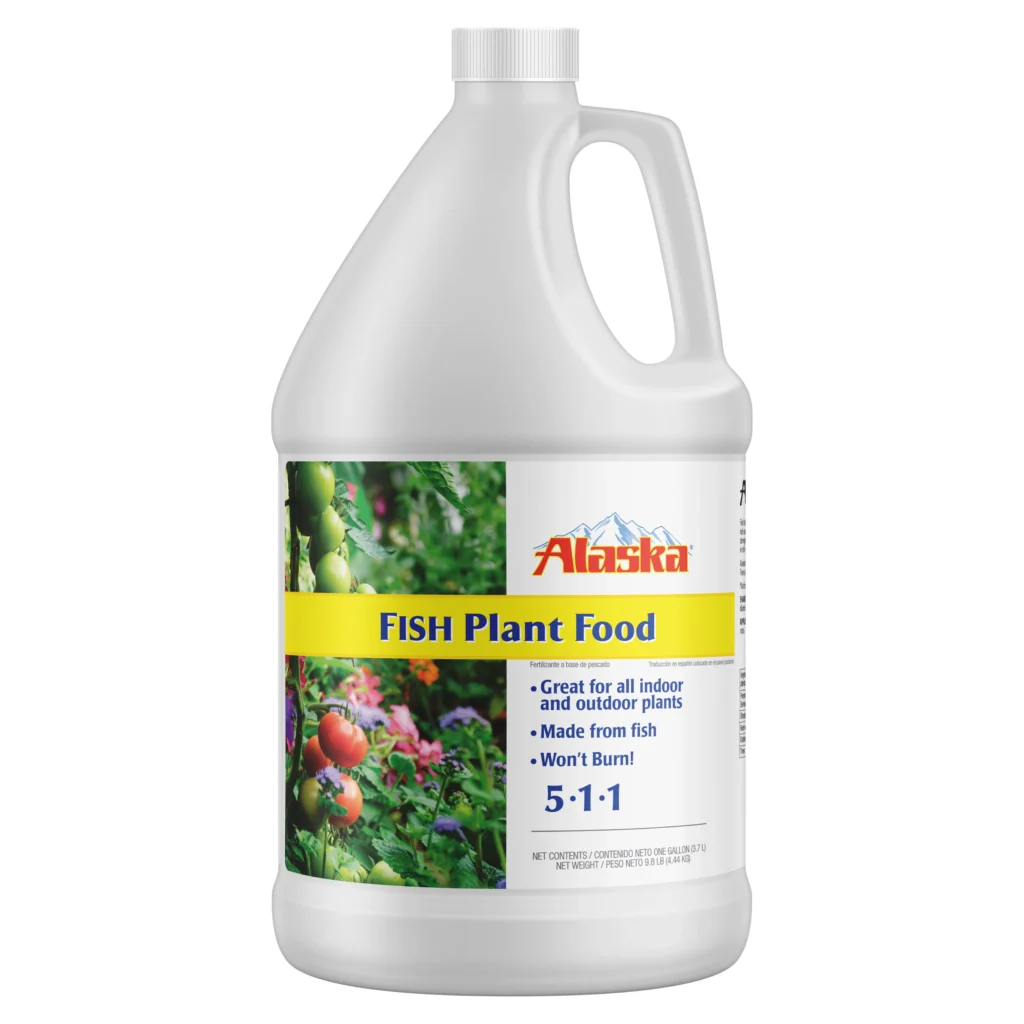
Fish fertilizer is a plant food made from processed fish or fish by-products. It is sold in several forms, including liquid fish emulsion and hydrolyzed fish fertilizer. Both can supply nutrients, but their nutrient content and application instructions vary.
Fish emulsion is a liquid made by processing fish material into a fertilizer. Many gardeners use it as a source of nitrogen, which plants need to produce healthy leaves and stems.
The fertilizer may also contain phosphorus and potassium. These nutrients support root development and other plant functions, but the amount in each product depends on its formulation.
Fish fertilizer is often sold as an organic option. However, organic fertilizers can still harm plants when you apply too much. Check the nutrient analysis on the package before choosing one.
What are the benefits of fish fertilizer for plants?
Fish fertilizer can support plant growth when the soil lacks nutrients and the fertilizer supplies what the plant needs. It is especially useful during active growth, when plants are producing new leaves and stems.
Here are the main benefits to consider.
- Supports leafy growth: Nitrogen helps plants develop green leaves and stems. This can benefit leafy vegetables and ornamental foliage plants when they need extra nitrogen.
- Supplies several nutrients: Depending on the formula, fish fertilizer provides nitrogen, phosphorus, potassium, and small amounts of other nutrients.
- Works as a liquid feed: Diluted liquid fertilizer is easy to apply around plant roots with a watering can.
- Helps feed container plants: Plants in pots can lose nutrients through drainage, so liquid feeding may help replace nutrients when needed.
- Offers an alternative to synthetic fertilizer: Gardeners who prefer organic inputs can use fish fertilizer as part of their feeding routine.
Fish fertilizer does have limits. It cannot correct every soil problem, and it may not provide enough of each nutrient for plants with high feeding needs. A soil test can help you decide whether your plants need it or a different fertilizer.
How to use fish fertilizer for plants
Use fish fertilizer according to the instructions on its label. Most liquid concentrates need to be mixed with water before you apply them to soil. The correct dilution depends on the product, so do not assume every bottle uses the same amount.
Follow these steps for a soil application.
- Read the label to check the dilution rate, suitable plants, and recommended application frequency.
- Measure the required amount of concentrate rather than estimating it by eye.
- Mix the fertilizer with the stated amount of water in a watering can.
- Apply the diluted mixture to the soil around the root zone.
- Keep the solution off leaves unless the label permits foliar feeding, which means applying fertilizer directly to foliage.
- Clean your tools after use and store the concentrate as directed.
Apply fish fertilizer when plants are actively growing and can use the available nutrients. For outdoor plants, avoid applying it just before heavy rain, since runoff can carry nutrients away from the roots.
For houseplants, use extra care with the amount and frequency. Potting mix holds less soil than a garden bed, and excess fertilizer can build up or drain from the pot. The smell may also linger indoors.
Which plants benefit from fish fertilizer?
Fish fertilizer can suit many vegetables, flowering plants, and foliage plants, provided its nutrient balance matches their needs. The best choice depends on the plant, the growing medium, and whether the plant already receives fertilizer.
| Plant type | How fish fertilizer may help | What to watch for |
|---|---|---|
| Tomatoes and peppers | Supplies nutrients during active growth. | Too much nitrogen can encourage leaves at the expense of fruit. |
| Leafy vegetables | Provides nitrogen for leaf production. | Follow the label and avoid excessive feeding. |
| Flowering plants | Supports foliage and general growth when nutrients are needed. | Excess nitrogen can reduce flowering in some plants. |
| Houseplants | Replaces some nutrients lost from potting mix. | Strong odors and overfeeding can be problems indoors. |
| Herbs | Supplies nutrients for new growth. | Use a rate suitable for the herb and its growing conditions. |
| Young transplants | Can provide nutrients as plants establish. | Wait until the plants are ready for feeding and follow the label. |
Fish fertilizer is not necessary for every plant. A plant growing well in nutrient-rich soil or fresh potting mix may not need extra feeding yet.
When should you apply fish fertilizer?
Apply fish fertilizer during active plant growth when the plant needs additional nutrients. For outdoor vegetables, this often means feeding after seedlings or transplants begin growing well. For houseplants, feed during periods of active growth rather than following a fixed schedule throughout the year.
The right frequency depends on the fertilizer concentration, the plant’s needs, and the nutrients already present in the soil or potting mix.
Watch the plant as it grows. Pale leaves can indicate a nutrient shortage, but they can also result from poor drainage, root damage, unsuitable light, or other problems. Check these conditions before adding more fertilizer.
For plants in containers, account for any slow-release fertilizer already mixed into the potting medium. Adding fish fertilizer on top of an existing feeding routine can supply more nutrients than the plant needs.
Can you use fish fertilizer on houseplants?
Yes, you can use fish fertilizer on many houseplants if the product is suitable for indoor use and you follow its label. Dilute it correctly and apply it to the potting mix rather than pouring concentrated fertilizer near the roots.
Start by checking whether your houseplant needs feeding. A plant with slow growth in winter, for example, may need less fertilizer than one producing new leaves in a warm, bright room.
Fish fertilizer has one practical drawback indoors: its smell. Even diluted products can leave an unpleasant odor in a room. If the smell is a concern, choose a different houseplant fertilizer with a suitable nutrient balance.
Do not feed a houseplant simply because a set number of days has passed. Consider its growth, light, season, potting mix, and existing fertilizer supply.
When should you avoid fish fertilizer?
Avoid applying fish fertilizer when plants are stressed by severe dryness, waterlogged soil, or root damage until you have addressed the underlying problem. Extra fertilizer will not fix these issues and can add more stress.
You should also avoid these common mistakes:
- Applying concentrated liquid directly to roots or leaves when the label calls for dilution.
- Using more fertilizer because a plant looks unhealthy without checking for other causes.
- Feeding plants that already receive enough nutrients from their soil or potting mix.
- Applying fertilizer before heavy rain, which can wash nutrients away.
- Using fish fertilizer indoors when its odor makes it unsuitable for your home.
- Assuming all fish fertilizers have the same nutrient balance or application rate.
Store the concentrate securely and follow the product’s handling instructions. If you keep pets outdoors, consider that the smell may attract animals that dig around pots or garden beds.
Frequently asked questions about fish fertilizer for plants
Is fish fertilizer good for all plants?
Fish fertilizer can benefit many plants that need additional nutrients, but it is not suitable for every feeding need. Match the product’s nutrient content to the plant and follow its label.
How often should I use fish fertilizer on plants?
Follow the frequency stated on the product label. Plant type, growth rate, soil conditions, and other fertilizers already in use all affect how often feeding is needed.
Can I use fish fertilizer on flowering plants?
Yes, if the formula suits the plant. Avoid excessive nitrogen, as it can encourage leafy growth at the expense of flowers in some plants.
Is fish fertilizer better than regular fertilizer?
Neither is always better. Fish fertilizer is an organic option that supplies nutrients, while other fertilizers may offer a different nutrient balance or a more suitable feeding schedule for a particular plant.
Can fish fertilizer burn plants?
Yes, overapplication or using a concentrate without the required dilution can damage plants. Measure carefully and follow the label.
Does fish fertilizer smell bad?
Many fish fertilizers have a strong fishy odor. The smell can be especially noticeable indoors, so a different fertilizer may be more practical for houseplants.
Can I use fish fertilizer on seedlings?
You can use a suitable fish fertilizer once seedlings are ready for feeding, but young plants need careful dosing. Follow the label and avoid applying a stronger solution than recommended.