
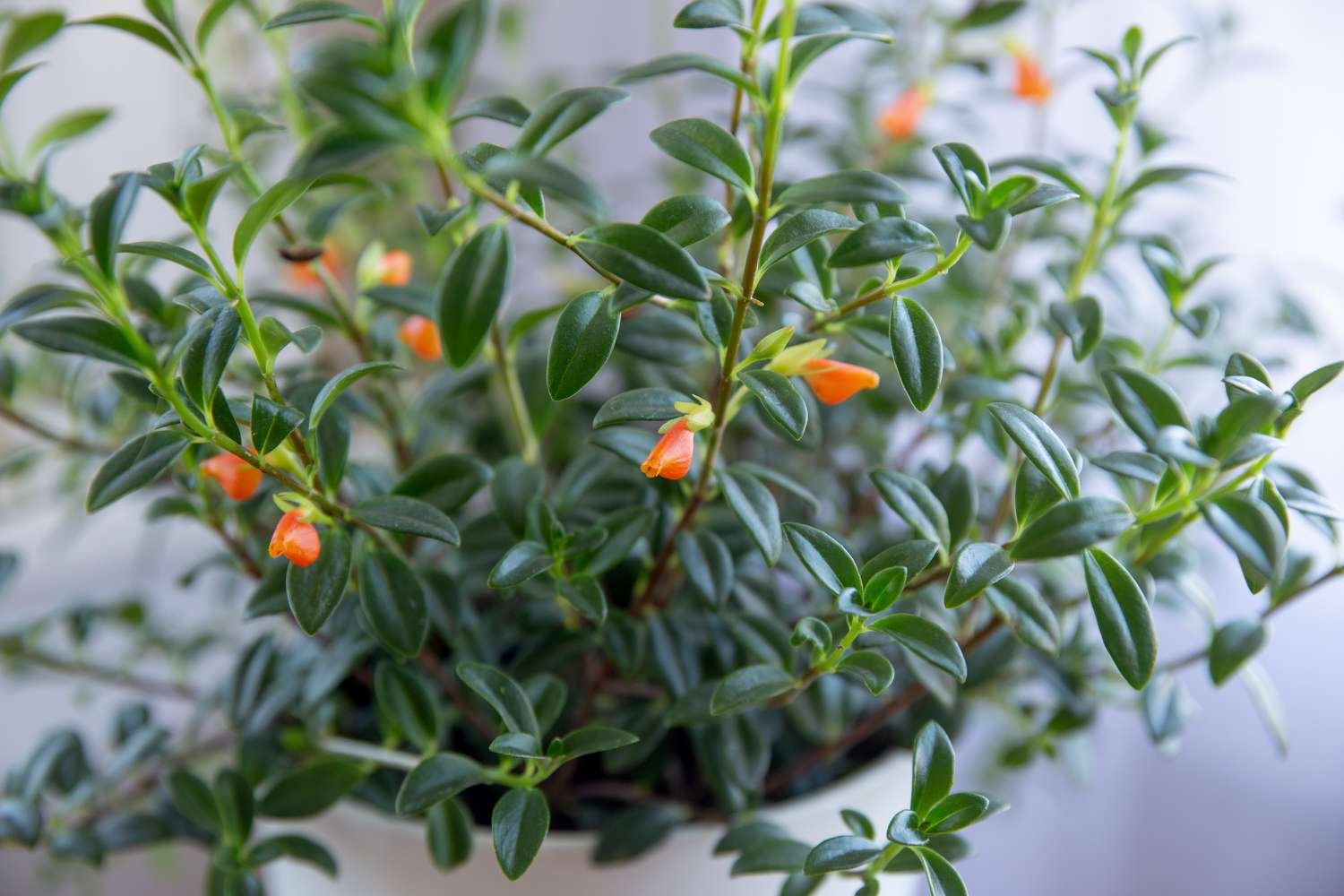
Goldfish plant care is simple when you provide bright, indirect light, well-draining soil, and steady moisture without leaving the roots wet. This tropical houseplant produces trailing stems and orange, fish-shaped flowers when its growing conditions are right.
TL;DR
- Grow your goldfish plant in bright, indirect light for healthy leaves and regular flowering.
- Water when the top inch of soil feels dry, then let excess water drain.
- Use a loose, well-draining potting mix and a pot with drainage holes.
- Keep the plant warm and provide moderate to high humidity.
- Prune long stems to encourage fuller growth and more branching.
What is a goldfish plant?
The goldfish plant is a tropical flowering houseplant known for its fleshy leaves and unusual orange or red flowers that resemble tiny goldfish. One commonly grown type is Nematanthus gregarius, which grows well in hanging baskets and pots where its stems can trail over the edges.
Goldfish plants belong to the gesneriad family, which also includes African violets. They grow naturally in warm environments and prefer conditions that resemble their tropical habitat.
Their thick leaves store some moisture, but this does not mean the roots can tolerate soggy soil. Good drainage, suitable light, and careful watering help the plant maintain healthy foliage.
Goldfish plants are a good choice for indoor gardeners who want a flowering plant with trailing growth. They work well on shelves, plant stands, and near bright windows where direct midday sunlight does not scorch the leaves.
How to care for a goldfish plant
Goldfish plant care focuses on giving the plant enough light to flower while keeping its roots moist but never waterlogged. Warm temperatures, loose soil, and regular pruning also support healthy growth.
| Care requirement | What your plant needs |
|---|---|
| Light | Bright, indirect light |
| Water | Water when the top inch of soil feels dry |
| Soil | Loose, airy, well-draining potting mix |
| Temperature | Warm indoor conditions, ideally around 65 to 80°F |
| Humidity | Moderate to high humidity |
| Fertilizer | Balanced liquid houseplant fertilizer during active growth |
| Pruning | Trim long or sparse stems to encourage branching |
How much light does a goldfish plant need?
A goldfish plant grows best in bright, indirect light. Place it near an east-facing window or a short distance from a bright south- or west-facing window where strong sunlight is filtered.
Too little light can cause long, weak stems and fewer flowers. The plant may continue producing leaves, which can make it seem healthy, but flowering often suffers.
Strong direct sunlight can scorch the foliage, especially through hot afternoon sun. If your only suitable window receives intense sunlight, use a sheer curtain to soften it.
During darker winter months, move the plant closer to a bright window if needed. A grow light can also help when natural light is limited.
How often should you water a goldfish plant?
Water your goldfish plant when the top inch of potting mix feels dry. The exact interval depends on the temperature, light, humidity, pot size, and growing season, so check the soil instead of following a fixed weekly schedule.
Water thoroughly until excess water runs through the drainage holes. Empty the saucer or outer pot so the roots do not sit in standing water.
During spring and summer, the plant may need water more often because it is actively growing. In winter, growth often slows, so allow the soil to dry a little more between waterings.
Watch for these signs of watering problems:
- Yellow leaves and persistently wet soil can indicate overwatering.
- Limp leaves and dry soil may indicate that the plant needs water.
- Soft, dark roots or a sour smell from the potting mix can indicate root rot.
What soil is best for a goldfish plant?
Goldfish plants need a potting mix that holds some moisture while allowing air to reach the roots. A loose mix made for tropical houseplants is a good starting point.
Choose a mix that drains freely rather than heavy garden soil. You can improve an ordinary houseplant mix by adding perlite or another suitable aerating material.
Always use a pot with drainage holes. If the mix stays wet for several days or becomes compacted, check whether the plant needs a lighter mix or a smaller pot.
How to maintain humidity and temperature
Goldfish plants prefer warm conditions and moderate to high humidity. Average indoor temperatures are usually suitable, provided the plant stays away from cold drafts, heating vents, and sudden temperature changes.
Dry indoor air can cause leaves to curl or develop dry edges, especially during winter when heating systems run frequently. A humidifier can help maintain more stable moisture in the air around the plant.
Grouping houseplants together may also help create a slightly more humid area. However, leave enough space for air to move between the leaves.
Avoid placing the plant against cold window glass during winter. Protect it from chilly outdoor air when opening windows, and do not let the pot sit in a cold, damp spot.
How to encourage a goldfish plant to bloom
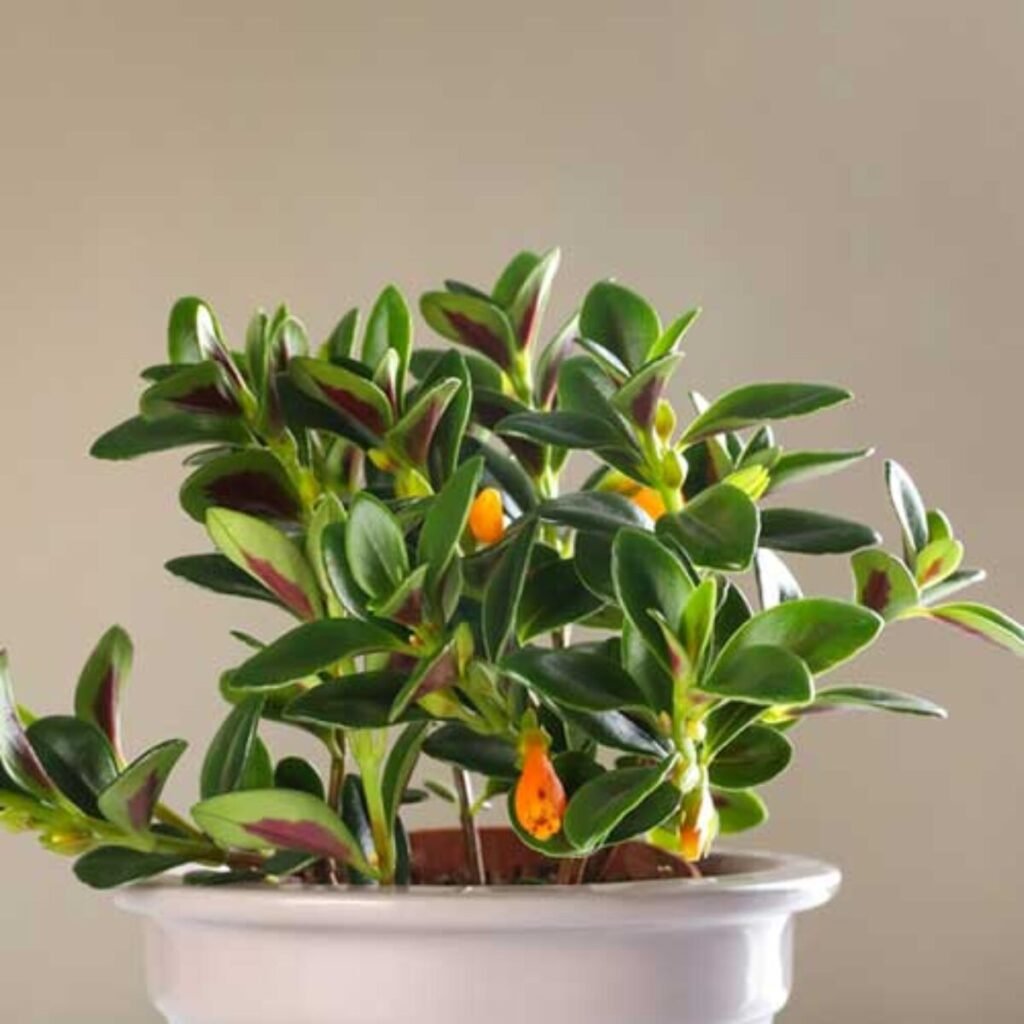
A goldfish plant usually flowers more readily when it receives enough indirect light, stays warm, and grows in soil that drains well. If your plant has healthy leaves but produces no flowers, check its light exposure first.
Mature plants may flower during the warmer, brighter months, although the timing depends on the growing conditions and variety.
Follow these steps to encourage flowering:
- Move the plant to a brighter location with filtered light if its stems are stretched or flowering has stopped.
- Water when the top inch of soil dries, adjusting your routine to the season.
- Feed with a balanced liquid houseplant fertilizer during active growth, following the label directions.
- Trim excessively long stems to encourage branching and a fuller shape.
- Check the roots if growth remains weak despite suitable light and watering.
Avoid using extra fertilizer to force flowers. Too much fertilizer can damage roots and may encourage leafy growth without improving flowering.
How to prune and propagate a goldfish plant
Prune your goldfish plant during active growth to keep its stems tidy and encourage new branches. Use clean scissors to trim long stems just above a leaf node, which is the point where a leaf joins the stem.
Regular light pruning helps the plant develop a fuller shape. Avoid removing too much foliage at once, especially if the plant is already stressed or growing slowly.
You can also use healthy stem cuttings to grow new goldfish plants.
- Cut a healthy stem with several leaves, using clean scissors.
- Remove the leaves from the lower part of the cutting.
- Place the cut end in a suitable moist propagation medium.
- Keep the cutting warm in bright, indirect light.
- Maintain gentle moisture without soaking the medium, and check for new roots over the following weeks.
Once the cutting has developed a healthy root system and begins to grow, move it into a small pot with a well-draining mix.
Common goldfish plant problems and how to fix them
Most goldfish plant problems relate to watering, light, humidity, or pests. Check the soil and growing conditions before making major changes, since several problems can produce similar symptoms.
| Problem | Possible cause | What to do |
|---|---|---|
| Yellow leaves | Overwatering or poor drainage | Check soil moisture and drainage, then adjust watering |
| No flowers | Insufficient light or unsuitable growing conditions | Provide brighter indirect light and steady warmth |
| Drooping leaves | Dry soil, waterlogged roots, or temperature stress | Check the soil and inspect the plant’s location |
| Brown leaf edges | Dry air, irregular watering, or fertilizer buildup | Review humidity and watering, and flush excess salts from the mix if needed |
| Long, sparse stems | Insufficient light or limited branching | Improve light exposure and prune the stems |
| Sticky leaves or fine webbing | Possible insect pests | Inspect the undersides of leaves and treat any infestation promptly |
Do not water a plant automatically when its leaves droop. If the soil is already wet, adding more water may worsen root damage. Check the moisture level first.
When a goldfish plant is not a good fit
A goldfish plant may struggle in a dim room, a cold window, or a pot that stays wet for long periods. It also needs occasional pruning, so it may not suit someone who wants a plant that grows well with very little attention.
Choose another houseplant if you cannot provide bright, indirect light or a warm indoor location. If you have pets, check the plant’s identity and verify its safety before placing it within reach.
For a goldfish plant that has stopped growing, avoid changing its light, watering, fertilizer, and pot all at once. Make one adjustment at a time so you can see which change helps.
Frequently asked questions about goldfish plant care
How often should I water a goldfish plant?
Water when the top inch of potting mix feels dry. Check more often during warm, bright weather and less often when growth slows in winter.
Why is my goldfish plant not flowering?
Insufficient light is a common reason for poor flowering. Move the plant to a brighter spot with indirect light, and check that watering, temperature, and feeding are suitable.
Can I grow a goldfish plant indoors?
Yes, goldfish plants grow well indoors when they receive bright, indirect light, warmth, and suitable humidity. A hanging basket or shelf near a bright window works well.
Should I mist my goldfish plant?
Misting is not a reliable way to maintain steady humidity. Use a humidifier if your indoor air is very dry, and keep enough space around the plant for good airflow.
Can I grow a goldfish plant from cuttings?
Yes, you can propagate a goldfish plant from healthy stem cuttings. Keep the cuttings warm in bright, indirect light and maintain gentle moisture while roots develop.
Why are the leaves on my goldfish plant turning yellow?
Yellow leaves often indicate overwatering or poor drainage, especially when the soil stays wet. Check the roots and potting mix before adjusting your watering routine.
Does a goldfish plant need a hanging basket?
No, a hanging basket is optional. A regular pot on a shelf or plant stand works just as well, provided the plant has enough light and the pot drains freely.