
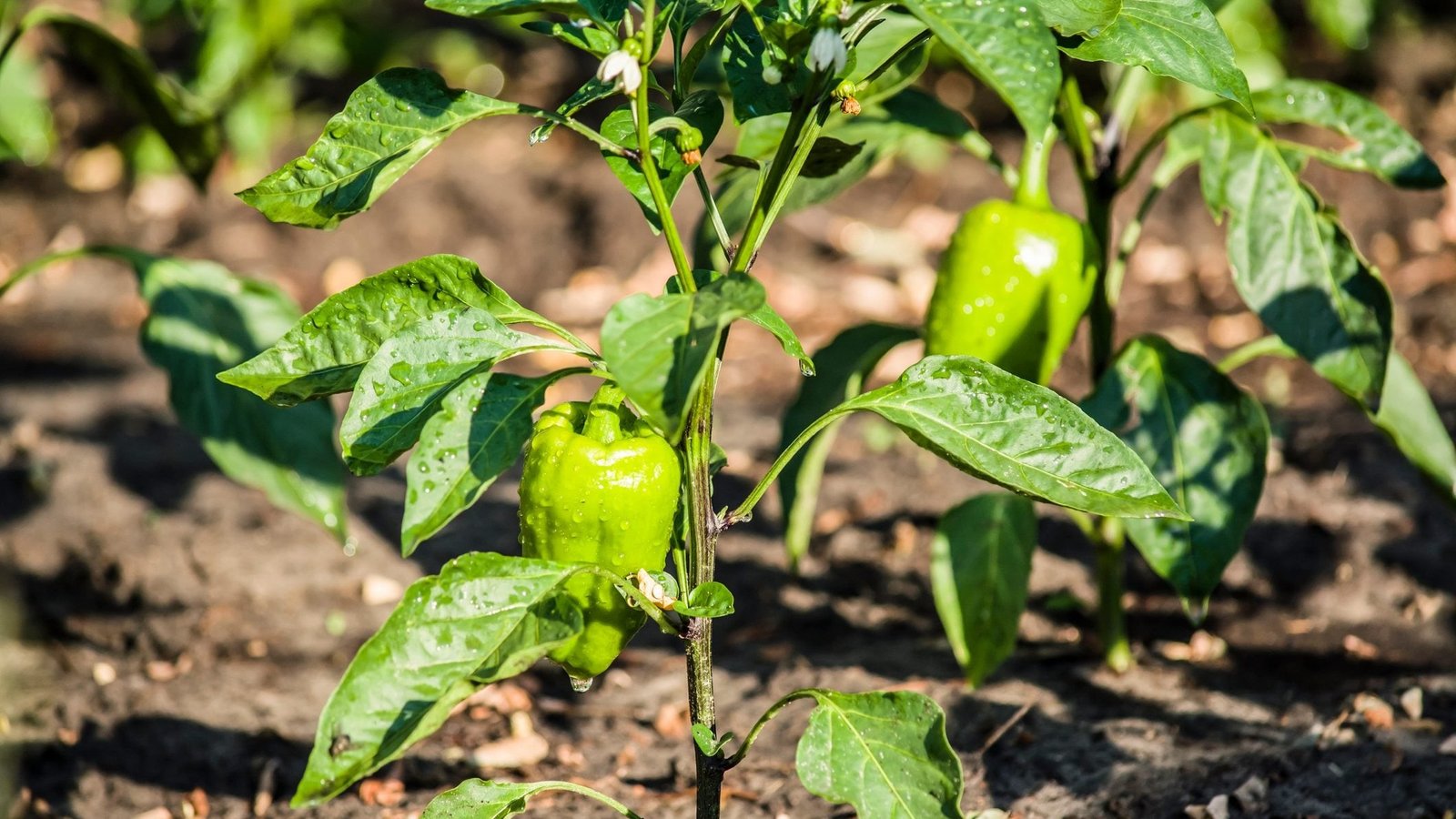
A green pepper plant grows best in warm weather, full sunlight, fertile soil, and steady moisture. With the right care, you can grow bell peppers in a garden bed, a raised bed, or a large container and harvest green peppers while they are still firm and fresh.
TL;DR
- A green pepper plant needs at least six hours of direct sunlight each day.
- Use fertile, well-drained soil and water when the surface begins to dry.
- Plant outdoors when the weather is warm and the risk of frost has passed.
- Feed the plant as it grows, but avoid excess nitrogen that encourages leaves over fruit.
- Harvest green peppers when they reach a useful size and have firm, glossy skin.
What is a green pepper plant?
A green pepper plant is a warm-season vegetable that produces edible peppers, usually from the species Capsicum annuum. Green bell peppers are harvested before they fully ripen, although some varieties remain green at maturity.
The plant has green leaves, branching stems, and small flowers that develop into peppers after pollination. Depending on the variety and growing conditions, a mature plant can produce several fruits over the growing season.
Green peppers are popular in home gardens because they grow well in containers and small spaces. You can use the fresh harvest in salads, stir-fries, soups, and cooked dishes.
Green bell peppers are mild in flavor. Hot pepper varieties, such as jalapeños, belong to the same broad group of cultivated peppers but have different fruit shapes and levels of heat.
How to grow a green pepper plant
Start a green pepper plant from seeds or buy a young transplant from a garden center. Seeds need warmth to germinate, so starting them in a protected indoor space can help in regions with cool springs.
Follow these steps for a healthy start.
- Fill a seed tray or small pot with a loose, well-drained seed-starting mix.
- Sow the seeds according to the packet directions and keep the mix lightly moist.
- Place the container in a warm spot with bright light.
- Allow the seedlings to develop several true leaves before moving them into larger pots.
- Gradually expose young plants to outdoor conditions before transplanting them into the garden.
- Set each plant into warm soil and water it well after planting.
If you live in a hot climate, time planting around the cooler part of the growing season. In places with intense summer heat, young plants may struggle when temperatures rise sharply, so provide suitable planting dates and some protection during extreme heat.
Leave enough space between plants for air to move through the foliage. Crowded plants are harder to water and inspect, and their leaves can stay damp for longer after rain.
What growing conditions does a green pepper plant need?
A green pepper plant produces better growth when its basic needs are met. Warmth, sunlight, and well-drained soil matter more than frequent feeding or constant watering.
| Growing factor | What the plant needs |
|---|---|
| Light | At least 6 hours of direct sunlight daily, with more sun generally helpful when temperatures allow. |
| Soil | Fertile soil that drains well and holds some moisture. |
| Water | Regular watering that keeps the root zone moist without leaving it waterlogged. |
| Temperature | Warm growing conditions without frost or prolonged extreme heat. |
| Spacing | Usually about 12 to 18 inches between plants, depending on the variety. |
| Container | A pot with drainage holes and enough room for the roots, ideally at least 5 gallons for a full-sized bell pepper plant. |
Light and temperature
Place the green pepper plant in a sunny outdoor location. A shaded site may encourage leafy growth but produce fewer flowers and fruits.
Peppers grow slowly in cool weather. Wait until the soil has warmed and frost is no longer expected before planting outdoors. In very hot regions, protect plants from severe afternoon heat if flowers drop or the leaves wilt despite moist soil.
Soil and drainage
Choose loose, fertile soil that drains freely. Heavy soil that stays wet can deprive roots of air and increase the risk of root problems.
Mix mature compost into garden soil before planting if it needs more organic matter. For containers, use a quality potting mix rather than dense garden soil, which can compact in a pot and drain poorly.
How often should you water a green pepper plant?
Water a green pepper plant whenever the upper layer of soil begins to dry, adjusting the schedule for rainfall, temperature, and container size. The aim is to keep the root zone evenly moist without leaving the roots sitting in water.
Plants in small pots may dry out quickly in hot weather. Check container plants daily during warm periods, especially when they carry several developing peppers.
Water slowly around the base of the plant so moisture reaches the roots. Early morning is a good time because the plant can absorb water before the hottest part of the day.
Avoid allowing the soil to swing repeatedly from very dry to waterlogged. Uneven moisture can stress the plant and contribute to fruit problems, including blossom-end rot, which causes a dark, sunken patch at the blossom end of a pepper.
A layer of organic mulch around outdoor plants can help slow moisture loss. Keep the mulch slightly away from the main stem to reduce the chance of persistent dampness around the base.
How should you fertilize a green pepper plant?
Feed a green pepper plant with a balanced vegetable fertilizer or a fertilizer chosen according to your soil’s needs. Apply it at planting and follow the product label for any later feeding.
Too much nitrogen can cause the plant to produce plenty of leaves while setting fewer fruits. If the foliage looks very dark and leafy but flowering is poor, review the amount of fertilizer you have applied before adding more.
Compost can help improve garden soil, but it may not supply every nutrient a container plant needs throughout the growing season. Nutrients in pots can wash out with regular watering, so container plants may need additional feeding according to the fertilizer instructions.
Do not apply extra fertilizer simply because growth seems slow. Cool weather, insufficient sunlight, excess water, and root damage can also limit growth.
When can you harvest green peppers?
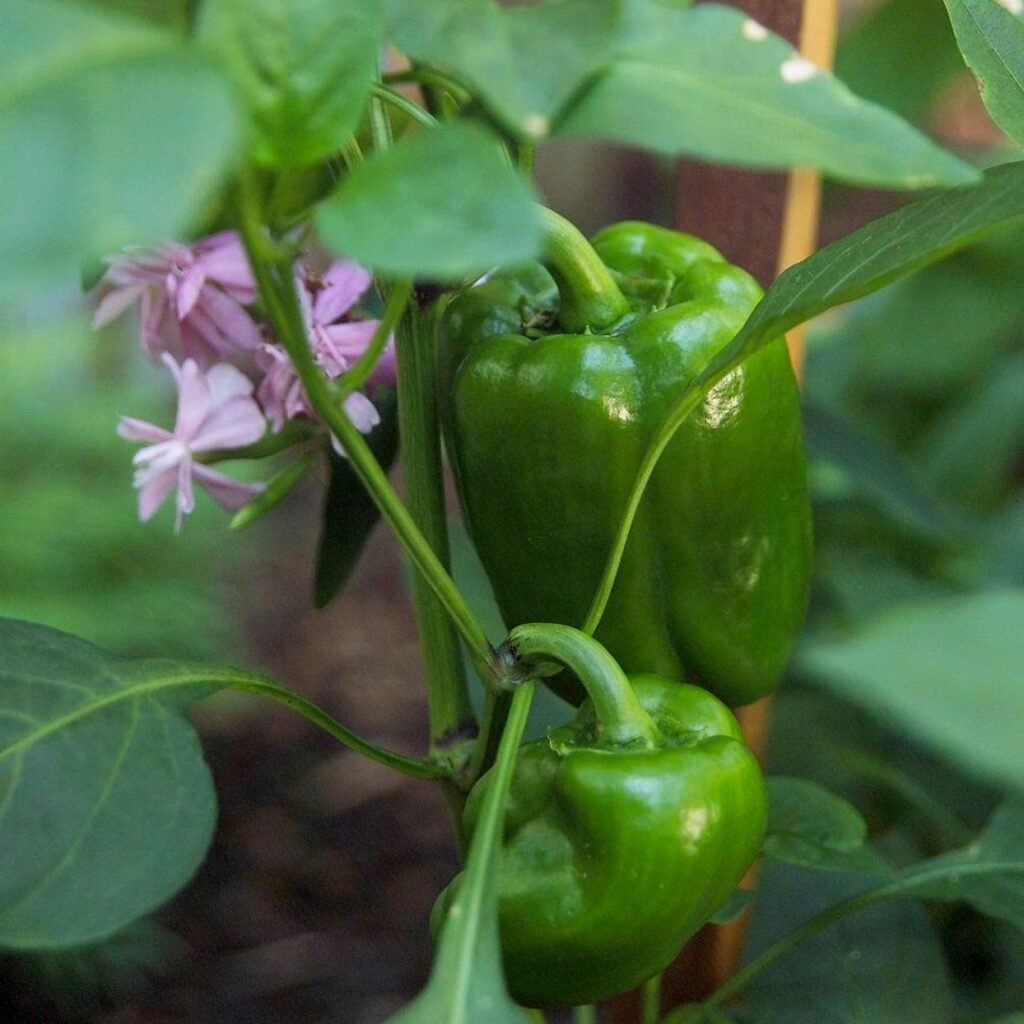
Harvest green peppers when the fruits have reached a suitable size for their variety and feel firm, with smooth, glossy skin. Many bell peppers can be picked while green, before they develop their fully ripe color.
Check your seed packet for the expected fruit size and approximate harvest period. The time to maturity varies by variety and growing conditions, so use the plant’s appearance as well as the calendar.
Cut the pepper from the stem with clean scissors or pruning shears. Avoid pulling hard on the fruit because this can break a branch or damage the plant.
You can also leave some peppers on the plant to ripen further. Depending on the variety, a green pepper may change to red, yellow, orange, or another mature color. Fully ripened peppers often have a sweeter flavor than those picked green.
Regular harvesting encourages you to check the plant for new fruit and spot problems early.
Why is your green pepper plant not producing peppers?
A green pepper plant may grow well but produce few fruits when conditions interfere with flowering or pollination. The first step is to check the weather, sunlight, watering, and fertilizer routine.
| Problem | Likely cause | What to do |
|---|---|---|
| Flowers fall off | Extreme heat, cold nights, or water stress. | Keep moisture steady and protect plants from temperature extremes where possible. |
| Many leaves but few peppers | Excess nitrogen or inadequate sunlight. | Reduce unnecessary feeding and move container plants to a sunnier spot. |
| Yellow leaves | Overwatering, poor drainage, or a nutrient problem. | Check the soil and roots before deciding whether fertilizer is needed. |
| Dark patches on fruit ends | Possible blossom-end rot linked to disrupted calcium movement in the plant. | Keep watering consistent and check soil conditions before adding calcium. |
| Small, slow-growing plants | Cool weather, poor light, or restricted roots. | Improve warmth and light, and move pot-bound plants into a larger container. |
Inspect the leaves and stems regularly for aphids and other pests. Aphids are small insects that often gather on tender growth and feed on plant sap. A strong stream of water can dislodge small groups, while badly affected growth should be checked and treated with an appropriate method.
Can you grow a green pepper plant in a pot?
Yes, a green pepper plant can grow well in a pot if the container is large enough and has drainage holes. A container of at least 5 gallons is a practical starting point for many full-sized bell pepper varieties.
Use fresh potting mix and place the pot where the plant receives plenty of sunlight. Smaller containers dry out faster than garden beds, so check soil moisture often during hot or windy weather.
Add a stake or small support if the plant leans under the weight of its fruit. Keep the pot stable and avoid letting water collect in a saucer for long periods.
Compact pepper varieties are often easier to manage on balconies, patios, and other small growing areas. Check the expected size of the variety before choosing your pot.
Common mistakes when growing green peppers
Avoid these mistakes to help your green pepper plant grow steadily and produce a useful harvest.
- Planting in cold soil can delay growth, so wait until conditions are warm enough.
- Growing in deep shade reduces the light available for flowering and fruit development.
- Watering too often can leave the roots short of air, so check the soil before watering.
- Applying excess nitrogen can encourage leafy growth at the expense of fruit production.
- Leaving ripe or damaged fruit on the plant for too long can make harvesting and pest checks harder.
- Pulling peppers off by hand can break branches, so cut the stems carefully instead.
Frequently asked questions about the green pepper plant
How long does a green pepper plant take to grow?
Many bell peppers reach the green harvest stage around 70 to 80 days after transplanting, although the variety and growing conditions affect the timing. Plants grown from seed need additional time before they are ready to transplant.
Does a green pepper plant need full sun?
Yes. Aim for at least six hours of direct sunlight each day. In very hot climates, protect plants from severe heat if it causes wilting or flower drop.
Can a green pepper plant produce fruit indoors?
Yes, but indoor plants need strong light and suitable growing conditions. A sunny window may not provide enough light, so a suitable grow light can help support flowering and fruit development.
Why are the leaves on my green pepper plant turning yellow?
Yellow leaves can result from overwatering, poor drainage, low nutrient levels, or other growing problems. Check soil moisture and root health before adding fertilizer.
Can I grow a green pepper plant from seeds taken from a pepper?
Yes, you can try seeds from a ripe pepper, but the resulting plants may differ from the parent if the fruit came from a hybrid variety. Fresh, mature seeds generally offer a better starting point than seeds taken from an immature green pepper.
Should I remove the first flowers from my green pepper plant?
Removing early flowers is sometimes used to help a small transplant focus on vegetative growth before carrying fruit. It is not necessary for every plant, so prioritize healthy roots, adequate light, and steady watering.
How many green peppers can one plant produce?
The yield varies with the variety, growing season, sunlight, soil, watering, and general plant health. A healthy plant may produce several peppers, but there is no fixed number that applies to every garden.
Do green peppers turn red on the plant?
Yes. Many green bell peppers turn red as they continue to ripen, while other varieties mature to yellow, orange, or different colors. Leaving the fruit on the plant longer allows it to develop its mature color and flavor.