
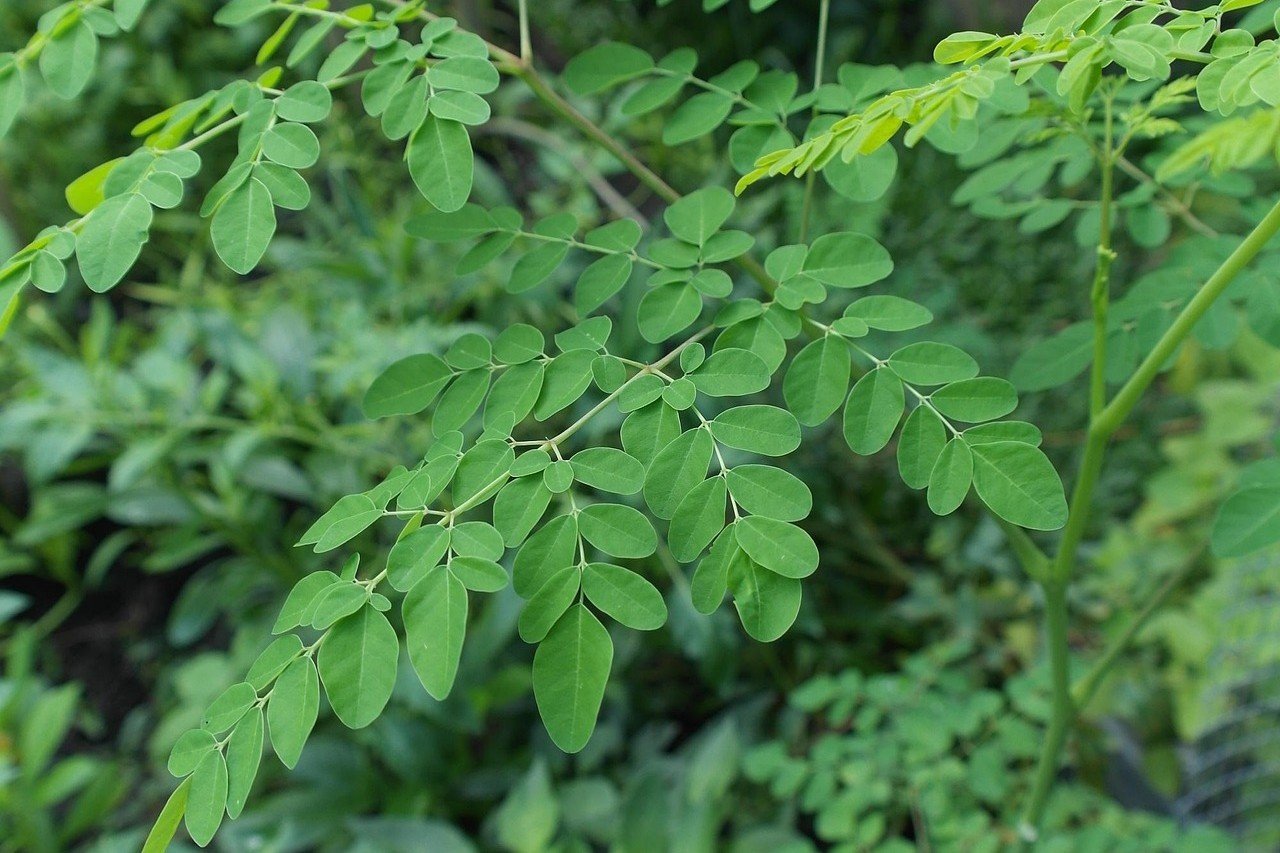
Drumstick plant leaves are the small, edible leaflets of Moringa oleifera, a tropical tree also called the drumstick tree. They can be harvested young, cooked fresh or dried for later use.
TL;DR
- Drumstick plant leaves come from Moringa oleifera and are commonly eaten as a leafy vegetable.
- Young leaves and tender shoots are suitable for regular harvesting.
- Moringa grows best with strong light, warm conditions and soil that drains well.
- Regular pruning keeps the tree manageable and encourages fresh leafy growth.
- Yellow leaves usually point to watering, drainage, light or other growing conditions that need attention.
What are drumstick plant leaves?
Drumstick plant leaves are compound leaves made up of many small, rounded leaflets arranged along slender stems. The plant is Moringa oleifera, a small tree native to parts of the Indian subcontinent and now grown widely in tropical regions.
The leaves are one of the plant’s commonly used food parts. They can be cooked like other leafy vegetables, added to soups and sauces, or dried and ground into powder.
Young leaves tend to be more tender than older foliage. If you are growing moringa mainly for leaves, regular harvesting keeps the plant producing fresh shoots instead of allowing it to become a tall, hard-to-reach tree.
How should drumstick plant leaves be grown?
Drumstick plant leaves grow well when the tree receives plenty of direct light, warmth and well-drained soil. Avoid keeping the roots in wet soil for long periods, especially in a container.
Moringa is adapted to warm climates and does best where temperatures stay high for much of the growing season. In cooler areas, growth slows when temperatures fall.
For a leaf-focused plant, give it enough space for new shoots to develop, but prune young branches while they are still easy to reach. A lightly pruned tree is usually easier to harvest than a tall, untrimmed tree.
| Growing need | Practical approach |
|---|---|
| Light | Give the tree a bright, sunny growing position. |
| Water | Water deeply, then allow excess water to drain away. |
| Soil | Use loose soil that drains well. |
| Pruning | Remove overly tall or crowded shoots to encourage manageable new growth. |
| Temperature | Keep the plant warm and protect it from cold conditions. |
How do you harvest drumstick plant leaves?
Harvest drumstick plant leaves by cutting young shoots or picking mature leaflets from healthy branches. Regular cutting can also encourage the tree to produce more leafy growth.
For home gardens, harvest only what you need and leave enough healthy foliage for the plant to keep growing. Use clean scissors or pruning shears when cutting larger shoots.
Moringa can produce foliage quickly in warm conditions. FAO’s Feedipedia notes that moringa can be harvested for foliage in less than 2.5 months, with cutting intervals varying widely according to local growing conditions.
For the best eating quality, choose fresh green leaves without obvious insect damage, disease symptoms or yellowing. Wash harvested leaves well before cooking or drying.
How can you use drumstick plant leaves?
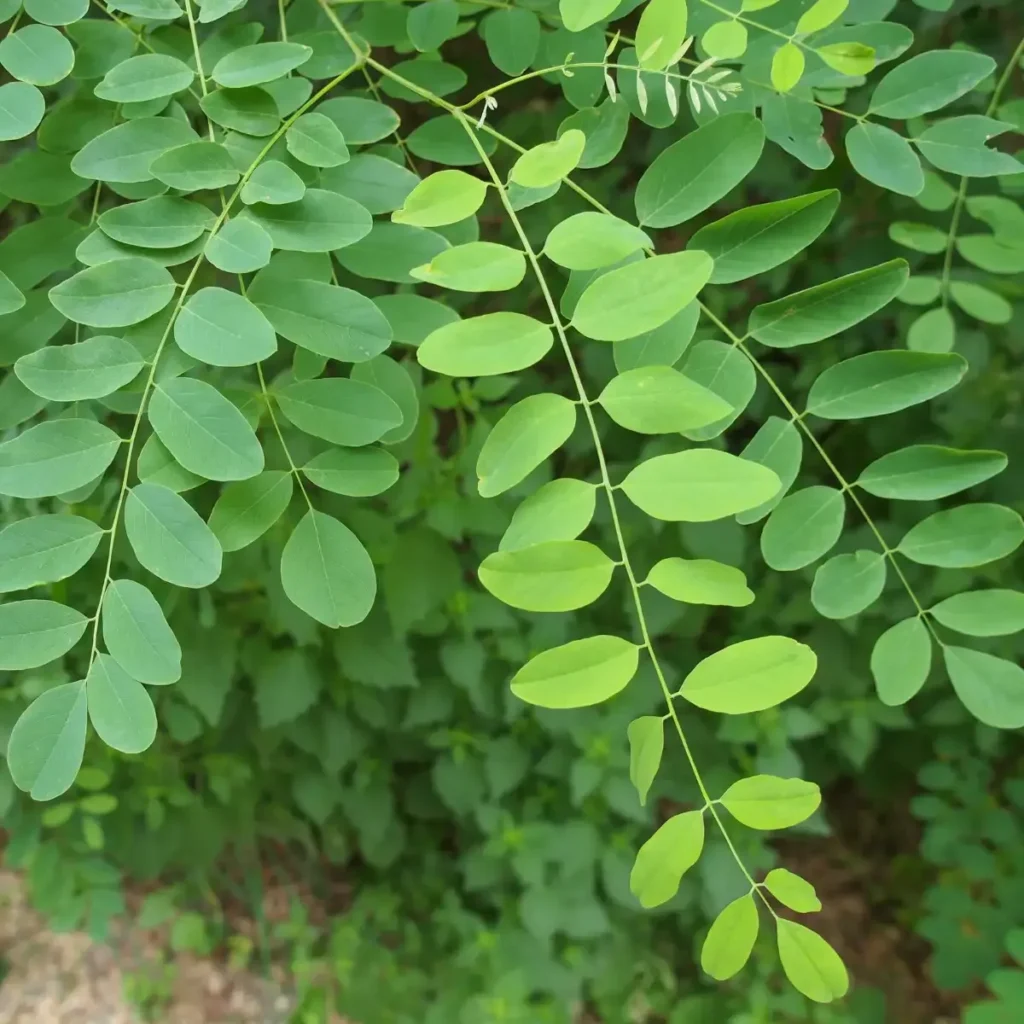
Drumstick plant leaves are most often used as a cooked leafy vegetable, although they can also be dried and powdered. The leaves have a distinctive flavor that works well in soups, sauces and vegetable dishes.
Fresh leaves can be separated from the tougher stems before cooking. Young shoots can also be used when they are tender.
For dried leaf powder, clean the leaves first and dry them thoroughly in a clean, dry place away from direct moisture. Once fully dry, grind them into a fine powder and store the powder in a dry, sealed container.
Moringa leaves are also studied for their nutritional composition. A 2020 study from Bangladesh Agricultural University analyzed dried Moringa oleifera leaves from two areas of Bangladesh and found that nutrient composition varied among the samples.
Why are drumstick plant leaves turning yellow?
Yellow drumstick plant leaves often indicate a growing problem rather than normal healthy foliage. Check the soil, watering pattern, light and roots before removing large amounts of leaves.
Overwatering is one common cause. If the soil stays wet for too long, improve drainage and let the growing medium dry appropriately between waterings.
Poor light can also reduce healthy leaf growth. Move a container-grown moringa to a brighter position if it is receiving little direct light.
Older leaves can naturally change as the plant grows, but widespread yellowing, leaf drop or weak new growth deserves closer inspection. Check the stems and undersides of leaves for insects as well.
What mistakes should you avoid with drumstick plant leaves?
- Avoid keeping moringa roots in constantly wet soil because poor drainage can weaken the plant.
- Avoid removing most of the foliage at once because the tree needs healthy leaves to keep growing.
- Avoid letting a leaf-grown tree become excessively tall if you want easy harvesting.
- Avoid eating leaves from a plant that may have been treated with a chemical not approved for edible crops.
- Avoid storing fresh leaves while they are wet because trapped moisture can cause them to deteriorate quickly.
Frequently asked questions about drumstick plant leaves
Are drumstick plant leaves edible?
Yes. The leaves of Moringa oleifera are used as a vegetable in many regions and can be cooked fresh or dried for later use.
What do drumstick plant leaves look like?
They are compound leaves with many small, rounded leaflets attached along slender leaf stems. Healthy leaves are generally green and flexible.
Can I eat drumstick plant leaves raw?
Young moringa leaves can be eaten raw, but cooking is a common way to use them. If eating fresh leaves, wash them well and use foliage from a correctly identified, untreated plant.
How often can I harvest drumstick plant leaves?
Harvest frequency depends on climate, plant age, pruning and growing conditions. In warm conditions, moringa can recover quickly after cutting, but leave enough healthy foliage for continued growth.
Why are my drumstick plant leaves yellow?
Yellowing can result from excess moisture, poor drainage, low light, pests or normal aging of older leaves. Check the plant’s growing conditions before deciding on a treatment.
Can drumstick plant leaves be dried?
Yes. Clean leaves can be dried thoroughly and ground into powder. Keep the finished powder dry and sealed to protect its quality.