
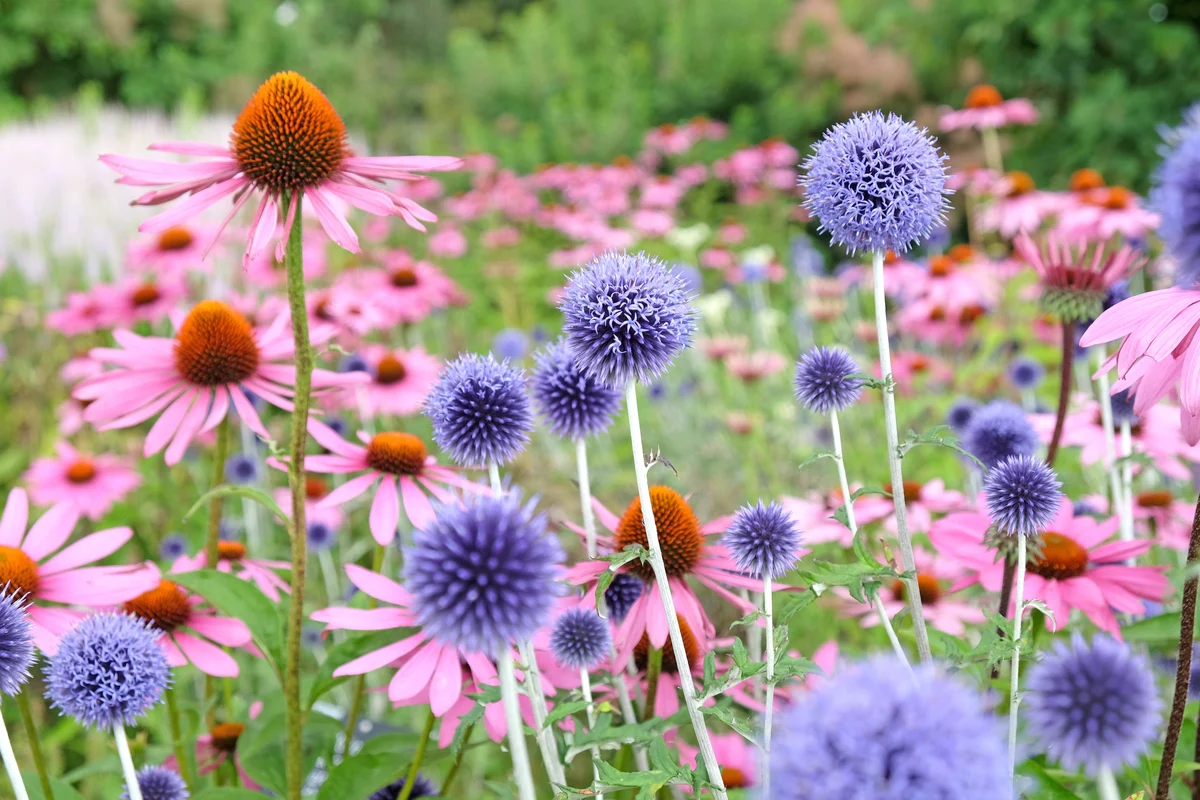
Deer resistant perennial plants can help reduce browsing damage while giving your garden flowers and foliage that return each year. The best choices depend on your light, soil, climate, and how much deer pressure your garden receives.
TL;DR
- No perennial is completely deer-proof, especially when deer have limited food.
- Lavender, catmint, yarrow, bleeding heart, and hardy ferns are useful choices for many gardens.
- Choose plants that match your sun, soil, moisture, and hardiness zone.
- Deer often avoid plants with strong scents, rough leaves, spines, or bitter foliage.
- Fencing gives more reliable protection when deer pressure is heavy.
What are deer resistant perennial plants?
Deer resistant perennial plants are plants that deer tend to avoid or browse less often than other garden plants. They are useful around gardens where deer regularly feed, but no plant can be guaranteed to remain untouched.
University of New Hampshire Extension notes that hungry deer may eat plants they usually avoid. It also explains that deer often avoid plants with hairy, spiny, tough, or strongly aromatic foliage.
This means “deer resistant” is a better term than “deer proof.” A plant that survives well in one garden may still receive some browsing in another.
Which deer resistant perennial plants are worth growing?
Several perennial plants are commonly listed by university extension services as resistant to deer browsing. Your growing conditions should decide which ones you plant.
| Perennial | Light | Useful garden condition |
|---|---|---|
| Catmint | Full sun to part shade | Dry, well-drained soil |
| Yarrow | Full sun | Dry to average soil |
| Lavender | Full sun | Dry, well-drained soil |
| Bleeding heart | Part shade to shade | Moist, organic soil |
| Barrenwort | Shade to part shade | Woodland-style beds |
| Hardy ferns | Part shade to shade | Moist, organic soil |
| Black-eyed Susan | Full sun | Average to dry soil |
| Coral bells | Part shade | Beds with moderate moisture |
| Bee balm | Full sun to part shade | Moist, fertile soil |
| Yarrow | Full sun | Dry to average soil |
These plants are not interchangeable. A sun-loving plant can struggle in a shady bed, while a moisture-loving perennial may fail in a dry border.
Catmint
Catmint, especially forms of Nepeta, is a useful choice for sunny borders. Its aromatic foliage is one reason deer tend to avoid it.
Choose a site with full sun and well-drained soil. Catmint can also handle periods of dry soil once established, making it useful for gardens where regular watering is difficult.
Yarrow
Yarrow is a hardy perennial for sunny, relatively dry areas. Its foliage has a strong scent and a fine texture, and extension plant lists commonly include yarrow among plants deer tend to avoid.
Give yarrow good drainage and plenty of sun. Avoid planting it where the soil stays wet for long periods.
Lavender
Lavender is another useful choice for sunny, dry beds. Its fragrant foliage makes it less appealing to deer than many soft-leaved garden plants.
Plant lavender in full sun and well-drained soil. Poor drainage is a more common problem for lavender than dry soil.
Bleeding heart
Bleeding heart is a good option for a partly shaded garden. University of New Hampshire Extension lists both fringed bleeding heart and common bleeding heart among shade perennials that deer generally avoid.
Give bleeding heart moist, organic soil and protection from strong afternoon sun in hot climates. It is especially useful in woodland-style beds where many sun-loving deer-resistant plants will not perform well.
Barrenwort
Barrenwort, in the genus Epimedium, is a strong choice for shady borders. University of New Hampshire Extension describes it as highly deer tolerant and notes that it can handle drought after becoming established.
Barrenwort spreads gradually through rhizomes, so give it room to form a clump. It works well beneath trees or along the edge of a shaded perennial bed.
Hardy ferns
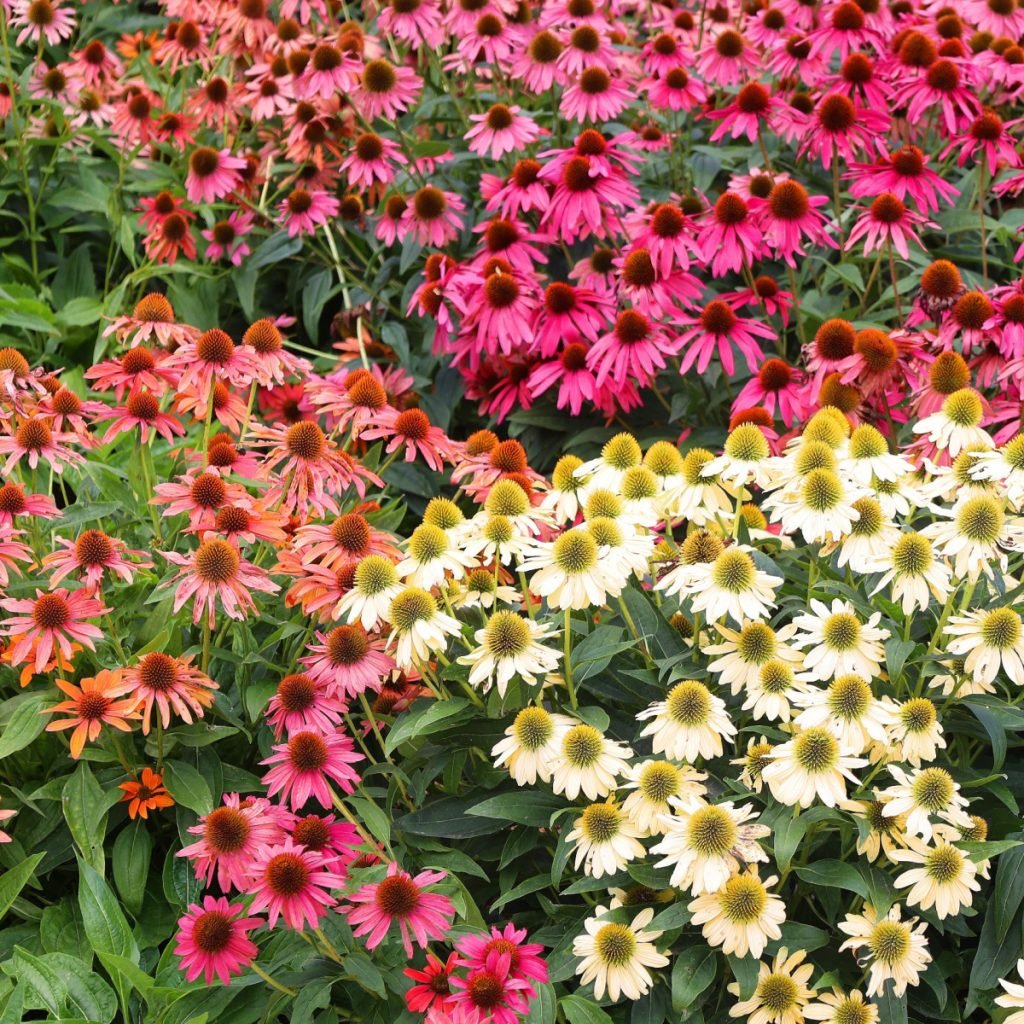
Hardy ferns are useful deer-resistant choices for shady gardens. University of New Hampshire Extension lists several ferns that deer usually leave alone, including Christmas fern, lady fern, ostrich fern, and Japanese painted fern.
Most ferns prefer organic soil with regular moisture. Match the fern to your climate and the amount of shade available rather than choosing one only because it is deer resistant.
Black-eyed Susan
Black-eyed Susan, or Rudbeckia, is a useful choice for sunny perennial beds. University of New Hampshire Extension lists it as deer resistant and describes it as suitable for full sun with dry to moist soil.
Plant it where it can receive several hours of direct sunlight. It works well in mixed flower beds and naturalistic plantings.
Coral bells
Coral bells are often included on deer-resistant plant lists, particularly because their foliage is less appealing to deer than many soft-leaved perennials.
Give coral bells well-drained soil and light shade in hot conditions. Morning sun with afternoon shade can work well where summers are intense.
Bee balm
Bee balm, or Monarda, is another perennial commonly listed as resistant to deer browsing. Its aromatic foliage makes it less attractive to deer than many garden plants.
Bee balm grows best with good air movement and evenly moist soil. Give it enough space so foliage can dry after rain or watering.
Why do deer avoid some perennial plants?
Deer often avoid perennials because of leaf texture, smell, taste, or other physical traits. University of Missouri Extension notes that deer commonly avoid plants with hairy leaves, strong aromas, or bitter tastes.
This explains why aromatic herbs, plants with rough foliage, and some leathery-leaved perennials often appear on deer-resistant lists.
The pattern is useful, but it is not a guarantee. Deer feeding habits change with season, local deer numbers, available food, and weather. A plant that receives little damage in summer may receive more attention during a period when other food is scarce.
How should you choose deer resistant perennial plants?
Choose the plant for your garden first, then use deer resistance as a selection filter. A plant that cannot handle your growing conditions will not solve the browsing problem.
Check these conditions before buying:
- Match the plant to the available sunlight.
- Check whether your soil stays dry, evenly moist, or wet.
- Choose plants suited to your local hardiness zone.
- Consider mature height and spread before planting.
- Group plants with similar water and light needs.
For example, a dry, sunny border is a better home for lavender, catmint, and yarrow than for a moisture-loving fern. A shady bed under trees is better suited to barrenwort, bleeding heart, and hardy ferns.
Can deer resistant perennials stop deer damage?
Deer resistant perennials can reduce browsing, but they cannot reliably stop deer damage on their own. University of New Hampshire Extension states that fencing is the most effective way to exclude deer, although fencing may not suit every garden.
Use plant resistance as one part of a broader approach when deer pressure is high. Protect young plants while they establish, and consider physical barriers when deer repeatedly damage the garden.
Avoid assuming that a long deer-resistant plant list means every plant will remain untouched. Watch your own garden and replace plants that repeatedly suffer damage with choices that perform better under your local conditions.
Common mistakes with deer resistant perennial plants
- Treating “deer resistant” as “deer proof” can lead to disappointment when hungry deer browse a plant.
- Planting a deer-resistant perennial in the wrong light or soil can cause poor growth even when deer leave it alone.
- Choosing only one type of plant can make a garden less adaptable when local deer change their feeding habits.
- Ignoring young plants can result in damage before they have established a strong root system.
- Relying on plant selection alone is risky when deer pressure is severe.
Frequently asked questions about deer resistant perennial plants
What are the most deer resistant perennial plants?
Barrenwort, hardy ferns, catmint, yarrow, bleeding heart, and several other perennials are commonly listed as resistant to deer browsing. No perennial is completely deer-proof.
Do deer eat perennial flowers?
Yes. Deer can eat perennial flowers and foliage, especially when preferred food is scarce. Deer resistance means a plant is less likely to be browsed, not that deer will always ignore it.
What deer resistant perennials grow in shade?
Barrenwort, bleeding heart, and several hardy ferns are good choices for shaded gardens. Match the plant to your soil moisture as well as the amount of light.
What deer resistant perennials grow in full sun?
Catmint, yarrow, lavender, and black-eyed Susan are useful choices for sunny beds. They generally perform best in well-drained soil.
Are deer resistant plants worth planting?
Yes, especially where deer browsing is a regular problem. Choose plants that also fit your soil, light, moisture, and climate so they can grow well without relying on deer resistance alone.