
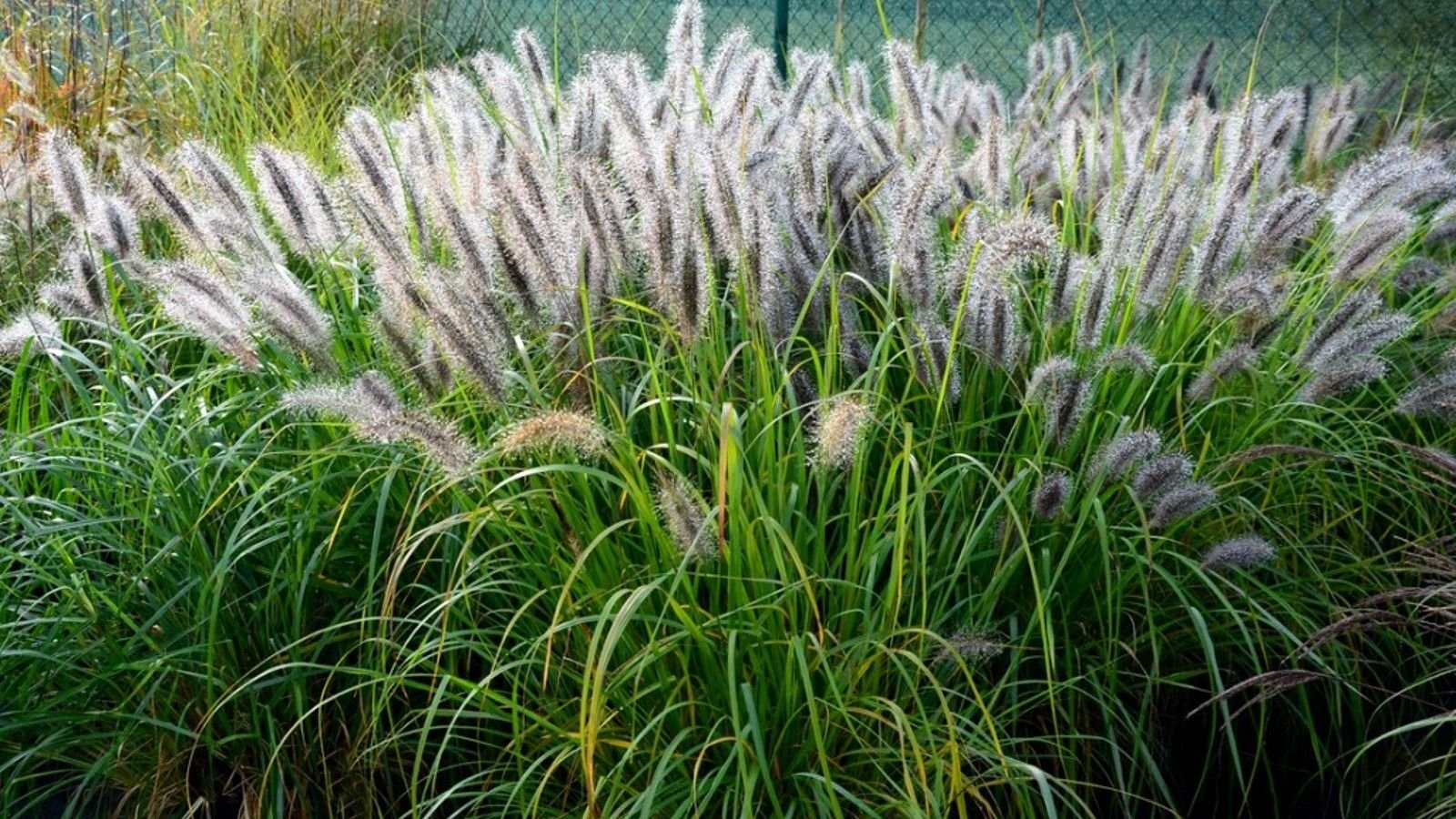
Decorative grass plants add texture, movement, height, and seasonal interest to a garden. Most are easy to grow once you match the plant to the light, soil, moisture, and space available.
TL;DR
- Decorative grass plants include ornamental grasses grown for their foliage, form, flower heads, or seasonal color.
- Choose a grass based on sunlight, mature size, soil moisture, and your local climate.
- Most ornamental grasses need well-drained soil and perform best with enough sunlight for the species.
- Cut back many deciduous grasses in late winter or early spring before new growth starts.
- Check how a grass spreads before planting it, especially in a small garden.
What are decorative grass plants?
Decorative grass plants are grasses grown mainly for their foliage, shape, seed heads, color, or movement rather than for food production. They are often called ornamental grasses, and they range from small clumping plants to tall grasses that can form a strong background in a garden.
Some have fine, hair-like leaves, while others have wider blades and upright stems. Their seed heads can also remain attractive after flowering, giving the garden structure later in the year.
Penn State Extension explains that true grasses belong to the Poaceae family. Some plants commonly used in the same garden settings, such as sedges and rushes, are grass-like plants but belong to different plant families.
Decorative grass plants can work in borders, containers, rock gardens, woodland edges, and larger planting beds. The right choice depends more on growing conditions than on appearance alone.
Which decorative grass plants are good for gardens?
The best decorative grass plants depend on the space you have and the effect you want. Some stay compact and form neat clumps, while others grow several feet tall and work better as background plants or screens.
Common choices include:
- Feather reed grass for an upright shape and narrow planting areas.
- Fountain grass for arching foliage and soft flower heads.
- Switchgrass for upright growth and seasonal foliage color.
- Little bluestem for fine texture and strong seasonal color.
- Blue grama for a smaller grass suited to sunny areas.
- Japanese forest grass for partly shaded garden spaces.
- Pink muhlygrass for airy flower heads and a softer look.
Missouri Botanical Garden lists ornamental grasses with a wide range of mature sizes and light needs, including full-sun, part-shade, and shade-tolerant selections.
Before buying a plant, check its mature height and spread. A grass that looks small in a nursery pot can need much more room once established.
How do you care for decorative grass plants?
Decorative grass plants need the right light, soil, and water for their particular species. Most garden grasses grow well in reasonably drained soil, but watering needs vary with the plant and local conditions.
| Growing need | What to provide |
|---|---|
| Light | Match the grass to its stated sun or shade requirement. |
| Soil | Use soil with enough drainage for the selected grass. |
| Water | Water new plants regularly while they establish, then adjust to the plant and weather. |
| Space | Allow enough room for the mature height and width. |
| Pruning | Cut back deciduous grasses before fresh spring growth begins. |
Missouri Botanical Garden recommends planting ornamental grasses in well-drained garden soil and watering them well during their first year while roots establish. It also notes that many established grasses need little additional fertilizer.
Do not assume every grass needs the same watering schedule. A plant in a dry, sunny bed can need very different care from one growing in moist soil or partial shade.
Where should you plant decorative grass plants?
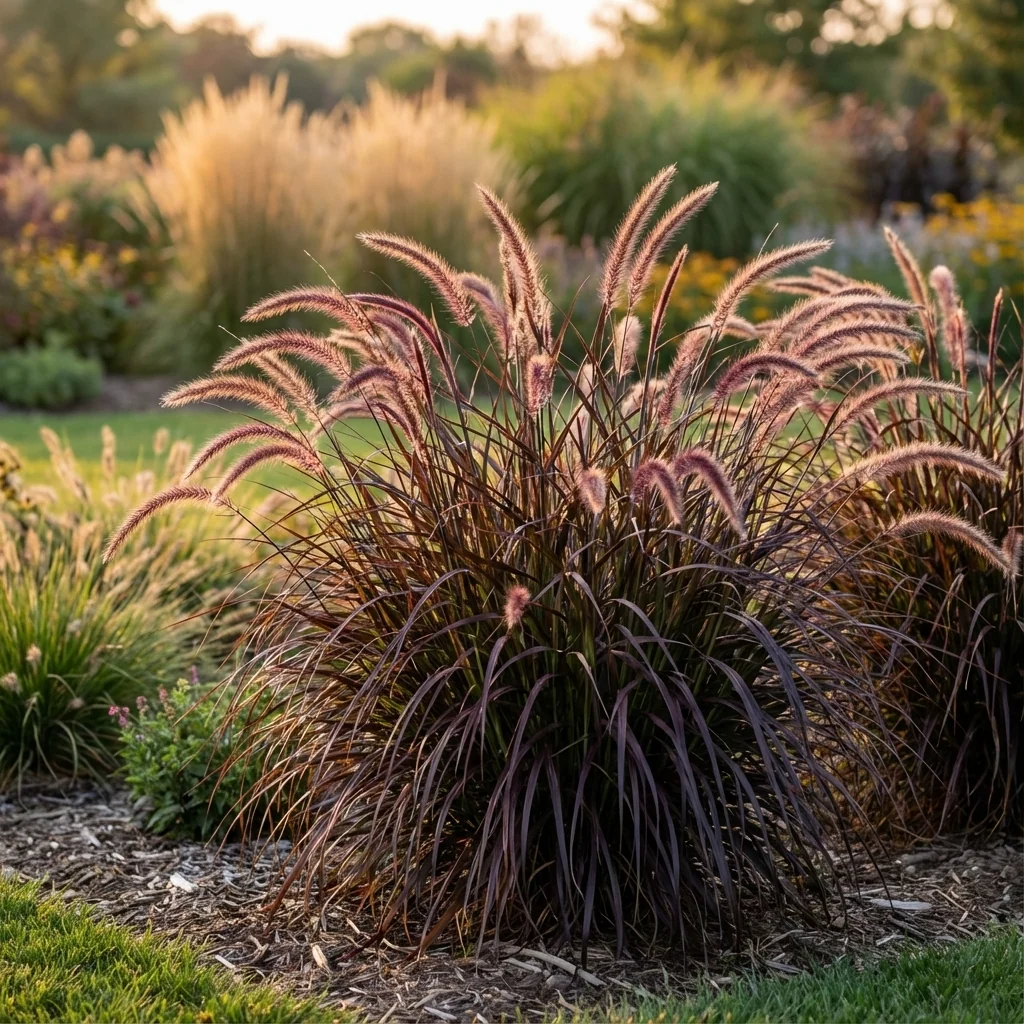
Plant decorative grass plants where their mature form fits the garden. Short grasses work well near paths, borders, containers, and the front of planting beds. Taller grasses can sit toward the back of a border or act as a visual screen.
Sunlight matters. Many popular ornamental grasses prefer full sun, while some, such as Japanese forest grass and certain sedges, can handle shade or partial shade. The University of Minnesota Extension lists several grass-like plants and ornamental grasses that perform in shaded conditions.
For a small garden, favor clump-forming grasses with a known mature size. For a larger space, taller grasses can be planted in groups to create a stronger visual effect.
If you garden in a hot or humid climate, check the plant’s growing requirements for your region before planting. A grass that performs well in a cool temperate garden may need different moisture or seasonal care elsewhere.
When should you cut back ornamental grasses?
Many deciduous ornamental grasses are cut back in late winter or early spring, just before new growth begins. Leaving old foliage in place through winter can provide structure and protect the crown from severe weather.
Missouri Botanical Garden recommends cutting back old foliage to within a few inches of the ground before new spring shoots emerge.
Do not use the same pruning routine for every grass. Evergreen or semi-evergreen types may need only light cleanup, while some deciduous types benefit from a full annual cutback.
Use clean, sharp tools and remove old material carefully so you do not damage new shoots.
What should you check before planting decorative grass plants?
The main thing to check is how the grass grows. Some grasses form a defined clump, while others spread through underground rhizomes or above-ground stolons.
Penn State Extension describes ornamental grasses as either clumping or spreading plants. This difference matters in a small bed because a spreading grass can occupy more space than expected.
Also check:
- The mature height and width of the plant.
- The amount of sunlight the planting site receives.
- Whether the soil stays wet or dries quickly.
- Whether the grass is suited to your climate.
- How quickly the plant spreads.
- Whether the foliage stays attractive through winter.
A simple way to choose is to measure the planting area first. Then compare that space with the mature size listed for the grass.
Common mistakes with decorative grass plants
- Planting a sun-loving grass in deep shade can lead to weak growth and a poor shape. Choose a grass suited to the available light instead.
- Watering on a fixed schedule can cause problems when rainfall and soil conditions change. Check the soil and adjust watering to the plant and weather.
- Ignoring mature size can crowd nearby plants. Measure the available space before planting.
- Cutting every grass back at the same time can damage plants that need a different cleanup method. Check whether the grass is deciduous, evergreen, or semi-evergreen.
- Choosing a spreading grass without checking its growth habit can create extra maintenance. Select a clumping type when you need a more contained planting.
Frequently asked questions about decorative grass plants
What are decorative grass plants?
Decorative grass plants are grasses grown for attractive foliage, form, seed heads, color, or movement. They are commonly called ornamental grasses.
Do decorative grass plants need full sun?
Many ornamental grasses prefer full sun, but some tolerate partial shade or shade. Always match the plant to the light available in your garden.
How often should I water decorative grass plants?
Water newly planted grasses regularly while they establish, then adjust watering based on the species, soil, rainfall, and weather. Established grasses often need less water than young plants.
When should I cut back decorative grass plants?
Many deciduous ornamental grasses are cut back in late winter or early spring before new growth starts. Evergreen types often need only light cleanup.
Can decorative grass plants grow in pots?
Yes. Choose a compact grass that fits the container and provide drainage, suitable light, and regular watering. Container plants usually dry out faster than grasses planted in the ground.
Are decorative grass plants low maintenance?
Many ornamental grasses need relatively little maintenance after they become established. Their needs still vary by species, especially for watering, pruning, and spreading.
How do I stop an ornamental grass from spreading?
Start by choosing a clump-forming variety rather than a spreading type. If an established grass is spreading beyond its space, division and removal of unwanted sections can help contain it.