
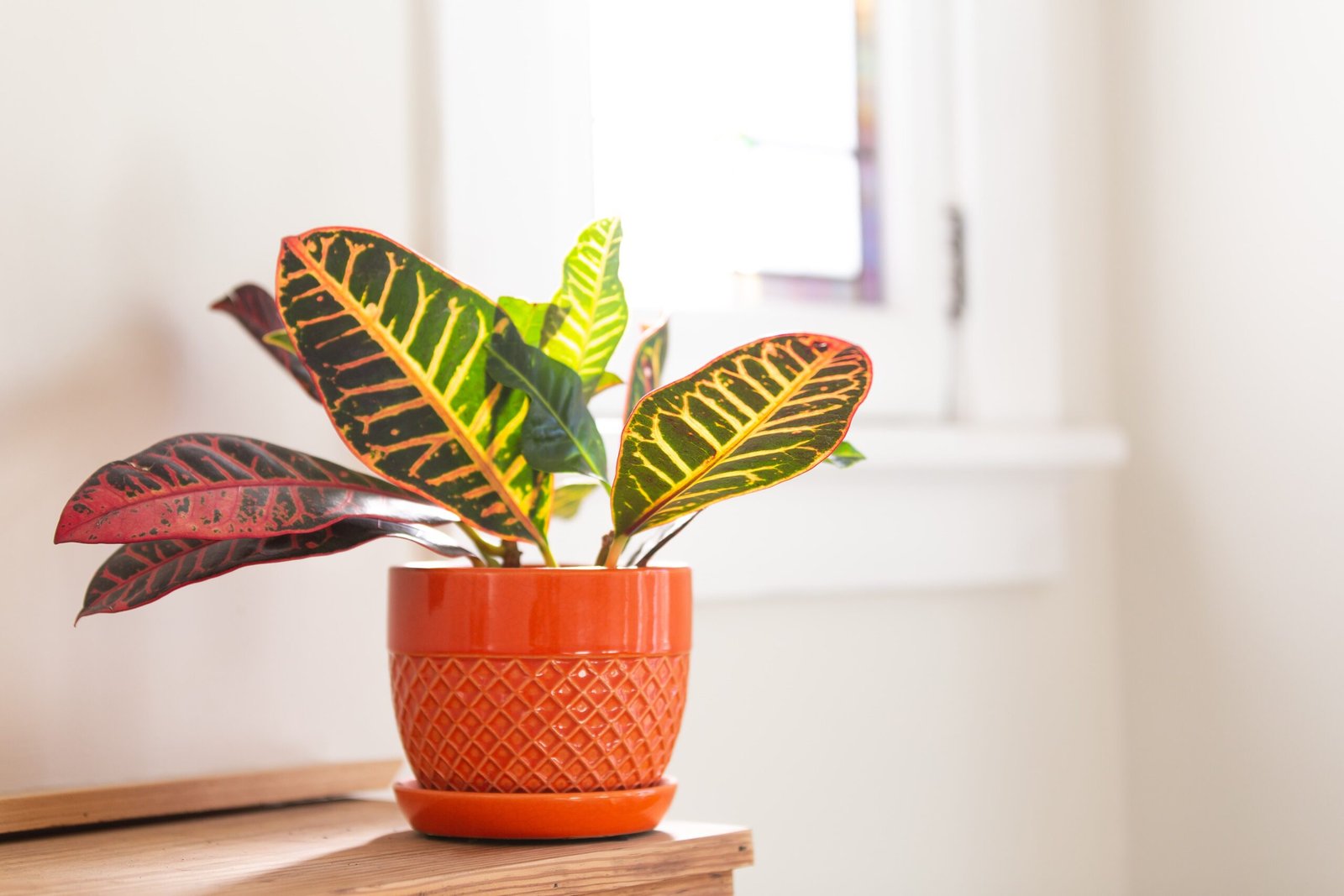
Croton planting is simple when you give the plant warmth, bright light, and soil that drains well. This guide explains how to plant croton in a pot or garden bed and help it settle without excess watering or root disturbance.
TL;DR
- Plant croton in warm conditions with bright light and well-drained soil.
- Keep the root ball intact because croton can react badly to root disturbance.
- Water thoroughly after planting, then let the soil begin to dry before watering again.
- Outdoor croton planting suits warm climates, while colder areas are better for container growing.
- Give newly planted croton steady conditions while it adjusts to its new spot.
What does croton planting need?
Croton planting needs a warm site, good drainage, and plenty of light. Croton, Codiaeum variegatum, is a tropical evergreen shrub commonly grown as a houseplant or outdoor ornamental in warm climates. The University of Wisconsin-Madison notes that croton grows best in fertile, well-drained, moist soil and bright light.
Choose a spot that does not stay wet after rain or watering. Croton dislikes prolonged cold, and sudden changes in light or temperature can cause leaf drop.
For outdoor planting, check your local climate before putting croton into the ground. North Carolina State Extension lists croton as suitable for outdoor growing in USDA Zones 11 and 12, while colder areas usually require container growing or seasonal protection.
How to choose the right spot for croton planting
Choose bright light and protection from cold winds. Outdoor croton can grow in full sun or partial shade, although the best light level varies by cultivar and climate.
A spot with morning sun and some afternoon protection can work well in hot climates. If you are planting croton indoors, place it near a bright window where it receives strong natural light without sudden exposure to harsh midday sun.
Avoid locations beside air conditioners, heaters, or drafty doors. Croton responds poorly to sudden temperature changes, especially when a plant moves from a warm indoor space to a much colder outdoor site.
Leave enough room for the mature plant. Some crotons remain fairly compact, while others can become much larger when grown outdoors in a suitable tropical climate.
How to plant croton in the ground
Plant croton after the risk of cold weather has passed. The soil should be workable, and the planting site should drain freely.
- Water the croton a few hours before planting if the root ball is dry.
- Dig a hole about as wide as the root ball and no deeper than the existing soil level.
- Gently remove the plant from its container without pulling hard on the stem.
- Loosen only roots that are tightly circling the outside of the root ball.
- Set the croton in the hole so the top of the root ball stays level with the surrounding soil.
- Fill around the roots with the soil you removed from the hole.
- Water slowly and deeply so the soil settles around the roots.
- Add a thin layer of organic mulch around the plant, keeping it away from the stem.
Do not bury the stem deeper than it was in the container. Deep planting can leave the lower stem and roots too wet.
Illinois Extension also advises handling croton’s root ball carefully during transplanting because the plant can respond to heavy root disturbance by dropping leaves.
How to care for croton after planting
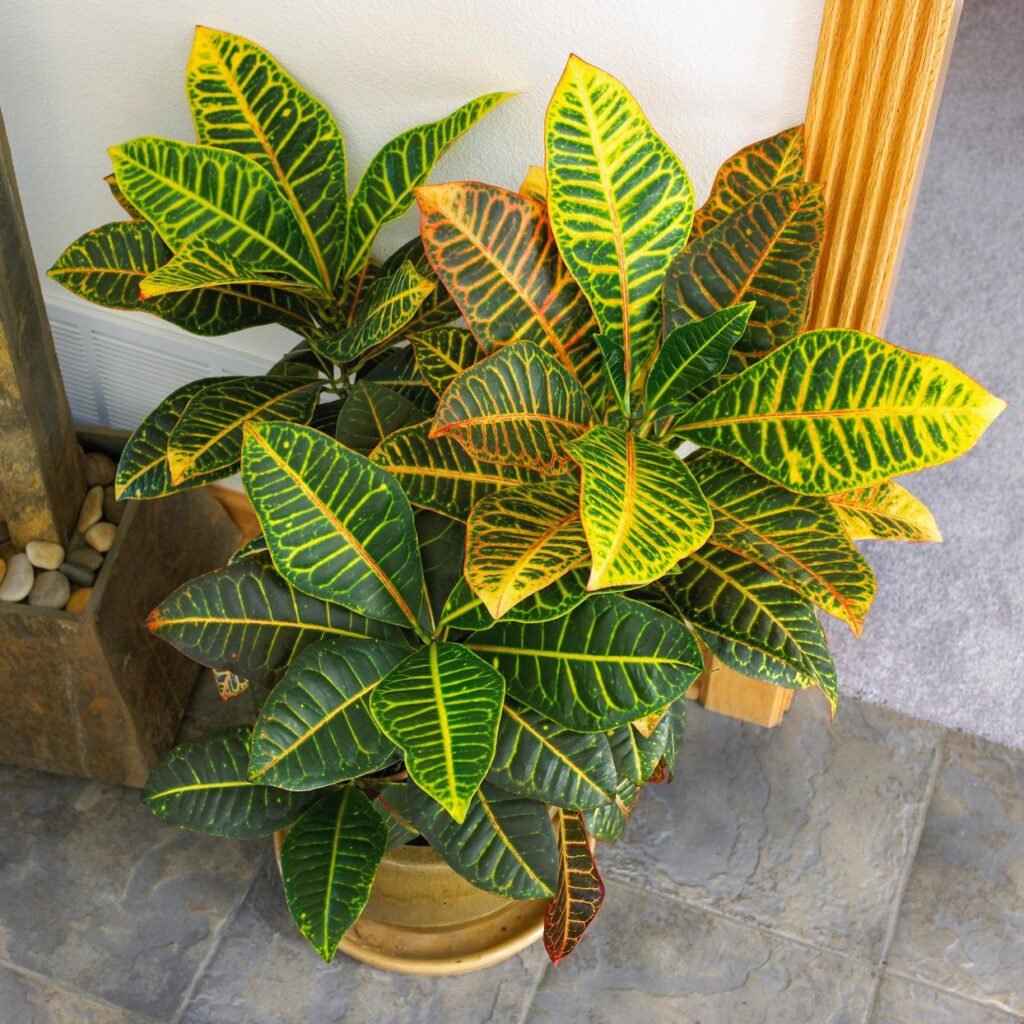
Water croton when the upper part of the soil has started to dry, rather than keeping the soil constantly saturated. Newly planted croton needs regular moisture while roots establish, but poor drainage can cause problems.
Croton needs strong light to maintain its colorful foliage. The University of Wisconsin-Madison notes that higher light levels can produce stronger leaf color and a more compact plant, while insufficient light can cause leaves to become greener.
Keep newly planted croton away from cold conditions. The same university source recommends temperatures around 60 to 85°F for good growth and notes that prolonged temperatures below 50°F can cause leaf drop.
If you move a container-grown croton outdoors, introduce it to stronger outdoor light gradually. A sudden change from indoor light to intense sun can stress the leaves.
When is the best time for croton planting?
The best time for outdoor croton planting is during warm weather when cold nights are no longer a concern. Croton is tropical, so planting during a cool spell can slow establishment and increase leaf drop.
For container-grown croton, planting or repotting can be done when the plant is actively growing. Choose a container with drainage holes and use a well-drained potting mix.
If your area has cool winters, keep croton in a container so you can move it indoors before temperatures become too low. Outdoor croton is better suited to frost-free climates.
Common croton planting mistakes
- Planting croton in heavy, poorly drained soil can leave the roots wet for too long, so choose a site with good drainage.
- Moving croton directly from low indoor light to strong outdoor sun can stress the leaves, so increase light exposure gradually.
- Disturbing the root ball heavily during planting can trigger leaf drop, so handle the roots gently.
- Watering on a fixed schedule can keep the soil too wet, so check the soil before watering.
- Planting croton outdoors in a cold climate can lead to repeated cold damage, so use a container where winter temperatures are too low.
Frequently asked questions about croton planting
How deep should I plant a croton?
Plant croton at the same depth it was growing in its container. Keep the top of the root ball level with the surrounding soil.
Can I plant croton directly in the garden?
Yes, if your climate stays warm enough for croton. In colder areas, grow croton in a container so you can protect it from low temperatures.
Does croton need full sun after planting?
Croton needs bright light, but full sun is not suitable in every climate or for every cultivar. Morning sun or bright partial shade can work well in hot areas.
How often should I water croton after planting?
Water when the upper soil begins to dry, then water thoroughly. Newly planted croton needs closer attention until its roots establish.
Why is my croton losing leaves after planting?
Leaf drop can follow root disturbance, sudden changes in light, temperature changes, or watering problems. Give the plant steady conditions while it adjusts.
Can I plant croton in a pot?
Yes. Container planting is a practical choice where outdoor temperatures become too cold for croton. Use a pot with drainage holes and a well-drained growing mix.