
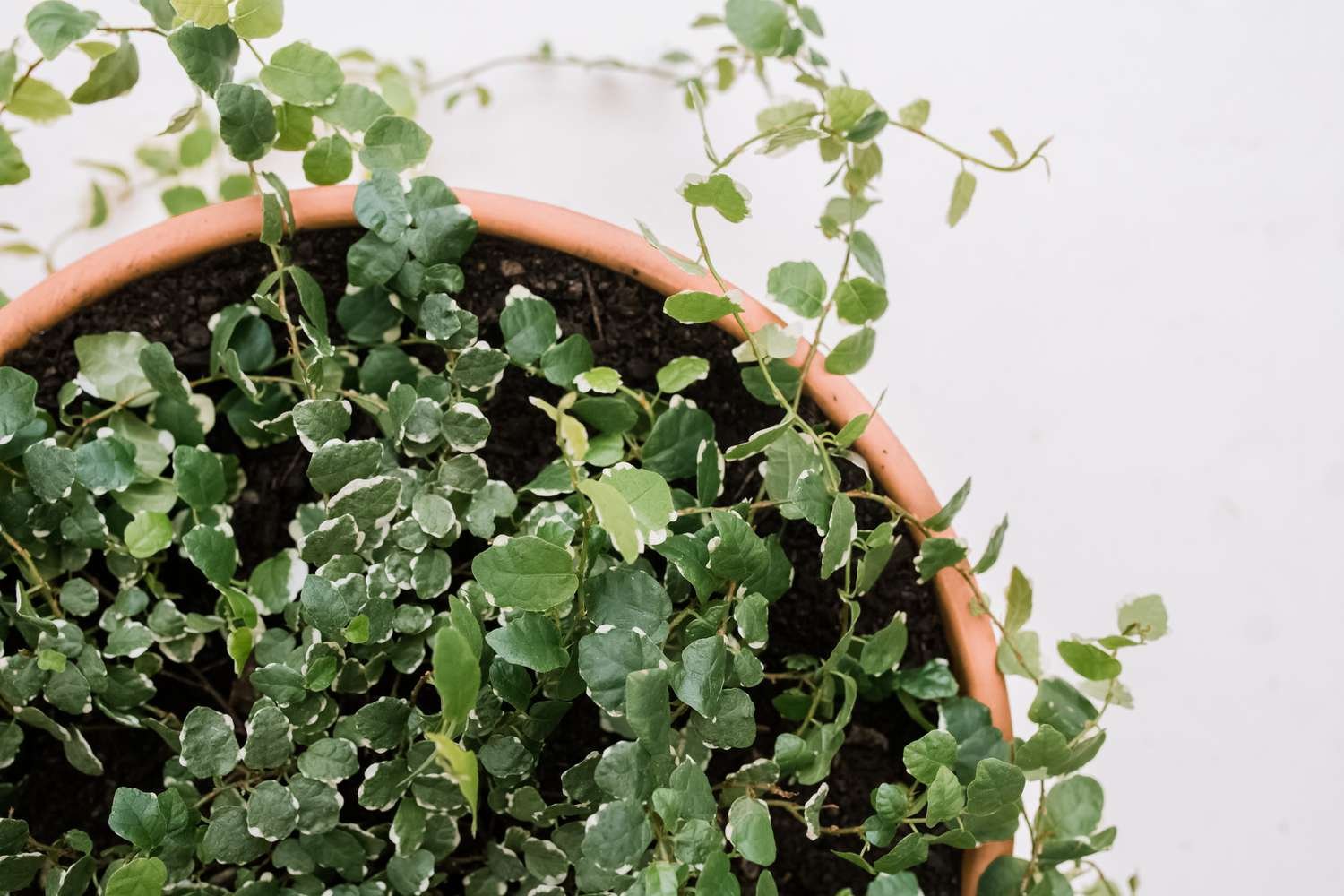
The creeping fig plant, Ficus pumila, is a fast-growing evergreen vine with small leaves and clinging stems. It can grow indoors in a pot or outdoors on a suitable support, but its strong climbing habit makes placement and pruning important.
TL;DR
- The creeping fig plant grows best in bright indirect light indoors and partial shade or dappled light outdoors.
- Keep the soil evenly moist during active growth, but use a pot or site with good drainage.
- High humidity helps creeping fig grow well indoors.
- Prune regularly because this vine grows quickly and can spread across walls and other surfaces.
- Give creeping fig a support you can monitor, especially near buildings and painted or wooden surfaces.
What is a creeping fig plant?
The creeping fig plant is an evergreen woody vine in the fig family, Moraceae. Its botanical name is Ficus pumila, and creeping fig is also called climbing fig. Young plants have small, heart-shaped leaves and slender stems that attach to surfaces with short aerial roots. NC State Extension describes it as a vigorous climber that can cover walls and other structures.
Creeping fig starts with small juvenile leaves. As the plant matures, it can produce larger leaves and thicker, more horizontal shoots. This change can make an older plant look quite different from the neat, fine-textured vine sold at garden centers.
The plant is useful as a wall vine, ground cover, hanging plant, or container plant. It is especially suited to warm conditions. In cooler climates, winter cold can cause serious damage, so outdoor growing depends on the local climate.
How do you care for a creeping fig plant?
Creeping fig plant care depends on whether you grow the vine indoors or outdoors. Indoors, give it bright indirect light, regular watering, good drainage, and moderate to high humidity. Outdoors, partial shade or dappled sunlight works well, although established plants can tolerate more sun when the soil stays moist.
| Need | Requirement |
|---|---|
| Light | Bright indirect light indoors; partial shade or dappled light outdoors |
| Water | Water regularly during active growth and avoid waterlogged soil |
| Soil | Use a well-drained potting mix or garden soil with good drainage |
| Humidity | Moderate to high humidity supports healthy indoor growth |
| Pruning | Trim regularly to control spread and maintain the shape |
Light needs
Give a creeping fig plant bright indirect light indoors. A spot near a bright window works well, but protect the leaves from strong afternoon sun if it causes scorching.
Outdoor creeping fig prefers partial shade or dappled sunlight. NC State Extension notes that it can tolerate full sun when grown in moist, well-drained soil.
Watering
Water creeping fig when the soil begins to dry near the surface. During active growth, keep the root zone evenly moist rather than allowing the plant to swing between very dry and saturated conditions.
Reduce watering during cooler, darker periods indoors. The plant uses less water when growth slows, so check the soil before watering instead of following a fixed weekly schedule.
Soil and potting
Use a well-drained potting mix for indoor creeping fig. The container must have drainage holes so excess water can leave the root zone.
When growing creeping fig outdoors, choose soil that drains well and contains organic matter. Poor drainage can keep the roots wet for too long and can lead to root problems.
Humidity and temperature
Creeping fig grows well in warm, humid conditions. NC State Extension specifically notes that high humidity suits the plant.
Dry indoor air can make creeping fig harder to keep attractive, especially during periods when heating or air conditioning runs often. Keep the plant away from hot drafts and sudden temperature changes.
How do you grow creeping fig on a wall?
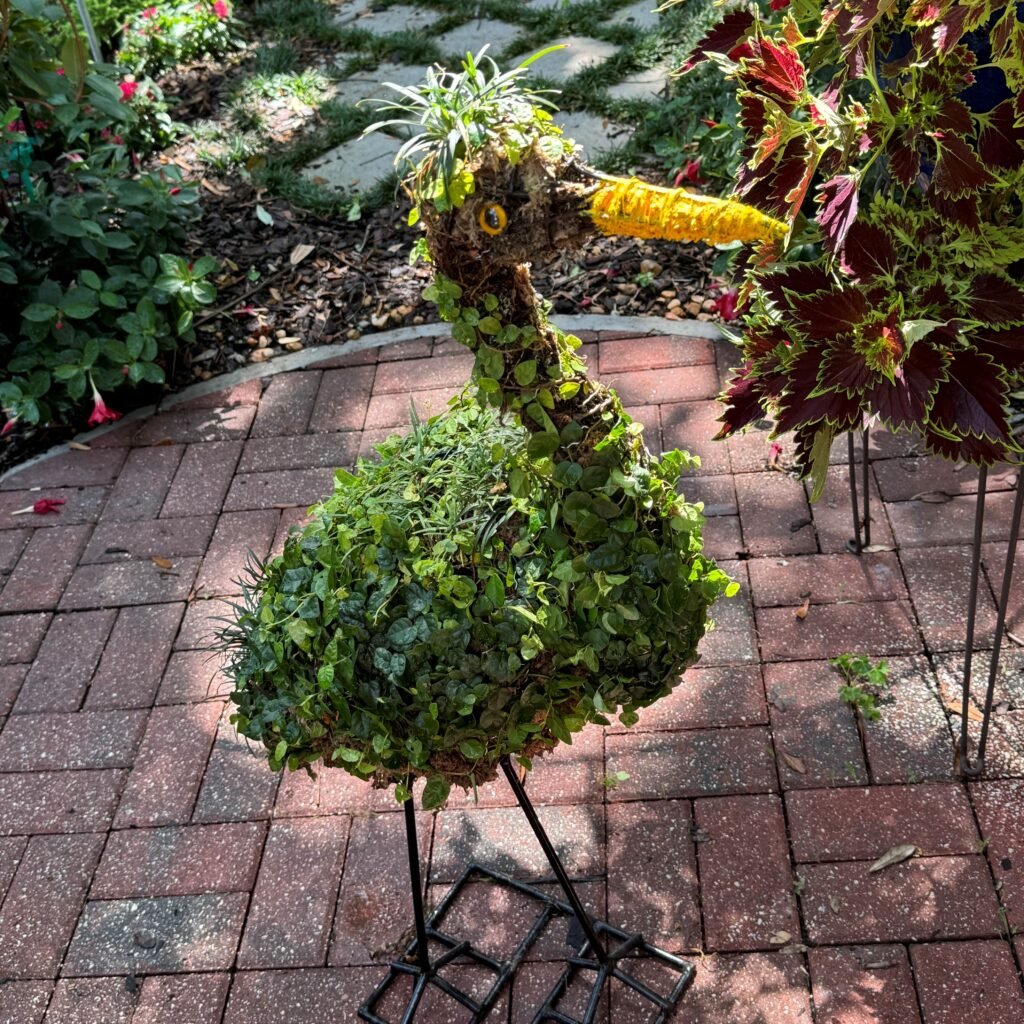
Creeping fig attaches itself to surfaces with aerial roots, so it can climb without a conventional trellis once the stems reach a suitable surface. NC State Extension reports that the vine can attach to walls and supports, while older University of Florida guidance describes its dense growth on walls.
Choose the wall carefully before planting creeping fig. The vine can hold tightly to porous surfaces, and removing an established plant can be difficult. University of Florida Extension also warns that the adhesive growth can damage wooden structures.
For that reason, avoid treating creeping fig as a plant you can easily move later. Give it a permanent support or a surface where its attachment and spread can be monitored.
Prune the edges when the vine begins to move beyond the area you want covered. Regular trimming is easier than trying to remove a large, established mass later.
Can you grow creeping fig indoors?
Yes, creeping fig can grow indoors as a houseplant. A bright spot with indirect light, regular watering, good drainage, and adequate humidity gives it a good starting point.
Indoor creeping fig usually stays in its juvenile form longer than plants grown outdoors. The small leaves and trailing stems make it suitable for containers and hanging displays.
Watch the stems as they grow. A plant placed directly against a wall may begin attaching itself to the surface. If you want a trailing houseplant, guide the stems away from walls and trim them when needed.
What problems affect creeping fig plants?
The most common problems involve pests, watering, light, and uncontrolled growth. NC State Extension lists scale, aphids, mealybugs, thrips, and spider mites among the pests that can affect creeping fig.
Check the leaves and stems when the plant looks weak or develops distorted growth. Look for insects, sticky residue, fine webbing, or clusters around leaf joints.
Yellowing leaves can have several causes, so check the soil before changing your watering routine. Constantly wet soil points to a drainage or watering problem, while very dry soil suggests the plant needs more consistent moisture.
Sparse growth can also occur when the plant receives too little light. Move an indoor plant to a brighter location if its growth becomes weak or stretched.
Common mistakes with creeping fig plant care
- Growing creeping fig in a pot without drainage can leave the roots wet for too long, so use a container with drainage holes.
- Placing the plant in harsh afternoon sun indoors can scorch leaves, so use bright indirect light instead.
- Letting the soil stay completely dry for long periods can stress the vine, so check the soil regularly during active growth.
- Allowing stems to spread unchecked can create a difficult pruning job, so trim creeping fig before it covers areas you do not want it to reach.
- Planting the vine directly against a surface that may be damaged during removal can create a long-term problem, so choose the growing surface carefully.
Frequently asked questions about creeping fig plant
Is creeping fig easy to grow?
Creeping fig is generally easy to grow when it has suitable light, moisture, warmth, and drainage. Its fast growth means pruning and placement require more attention than basic watering.
How often should I water creeping fig?
Water when the soil begins to dry near the surface, then water thoroughly and let excess water drain away. Indoor watering needs change with light, temperature, humidity, and pot size.
Does creeping fig need full sun?
No. Creeping fig can grow in partial shade or dappled light, and bright indirect light is a good indoor choice. Outdoor plants can tolerate more sun when moisture and soil conditions are suitable.
Can creeping fig grow indoors?
Yes. Creeping fig grows as a houseplant in bright indirect light with regular moisture and good drainage. High humidity can also help it grow well indoors.
Does creeping fig damage walls?
Creeping fig can attach tightly to walls and other surfaces. Because established vines can be difficult to remove and may damage some surfaces, choose the planting location carefully and prune regularly.
Why is my creeping fig losing leaves?
Leaf loss can follow changes in light, watering, temperature, or humidity. Check the soil moisture and growing conditions first, then inspect the plant for pests.
Does creeping fig grow fast?
Yes. Creeping fig is a vigorous vine under favorable conditions. Regular pruning keeps its growth within the area you have chosen for it.