
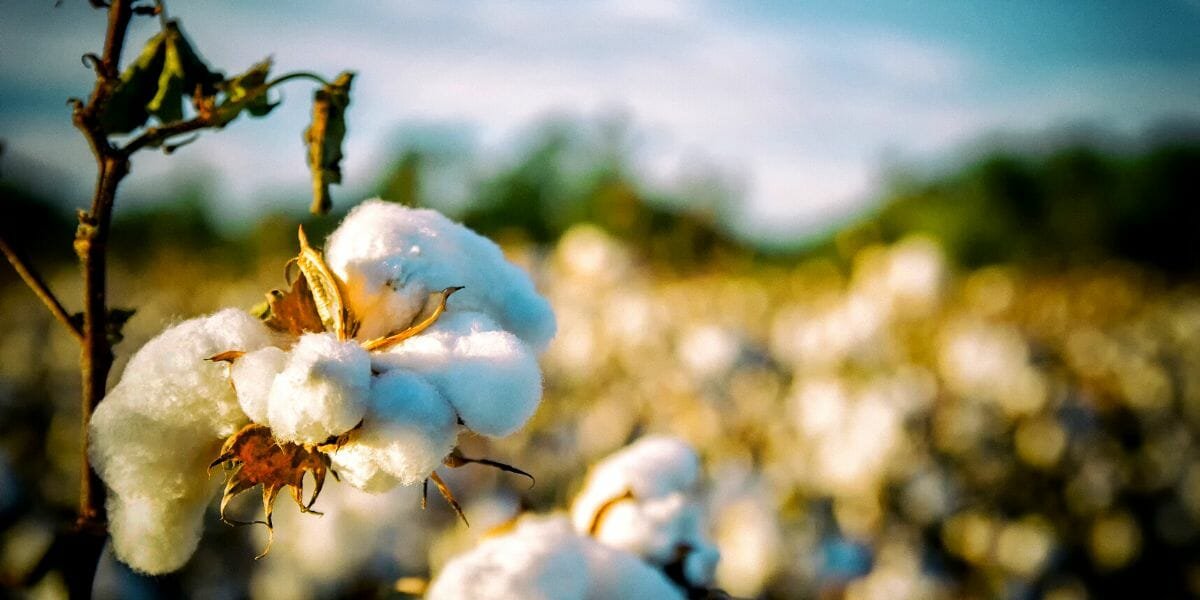
Cotton is an important Arkansas crop, especially across the eastern part of the state. The cotton plant Arkansas growers commonly produce is upland cotton, Gossypium hirsutum. It needs warm soil, adequate moisture, good drainage, and a long frost-free growing season to develop well.
For anyone interested in cotton as a garden plant, there is an important difference between understanding how cotton grows and actually planting it. Arkansas has boll weevil eradication rules that can restrict noncommercial cotton planting in areas where the eradication program is active.
TL;DR
- Arkansas is one of the major cotton-producing states in the United States, with most production concentrated in the eastern part of the state.
- Arkansas cotton is generally planted from late April through May, depending on soil temperature and weather.
- Cotton needs warm soil, adequate moisture, and a long growing season. Poor drainage and prolonged wet conditions can cause problems.
- Cotton flowers develop into bolls, which contain the white fiber and cottonseed.
- If you want to grow cotton for a home or educational garden, check Arkansas planting rules first. Noncommercial cotton may require a written waiver in an active eradication zone.
What is a cotton plant?
A cotton plant is a warm-season crop grown for the soft fiber that surrounds its seeds. In Arkansas, commercial production is centered on upland cotton, Gossypium hirsutum.
Cotton is a perennial plant by nature, but it is grown as an annual crop in Arkansas and other temperate areas. It grows from seed, develops leaves and branches, produces flowers, and then forms cotton bolls.
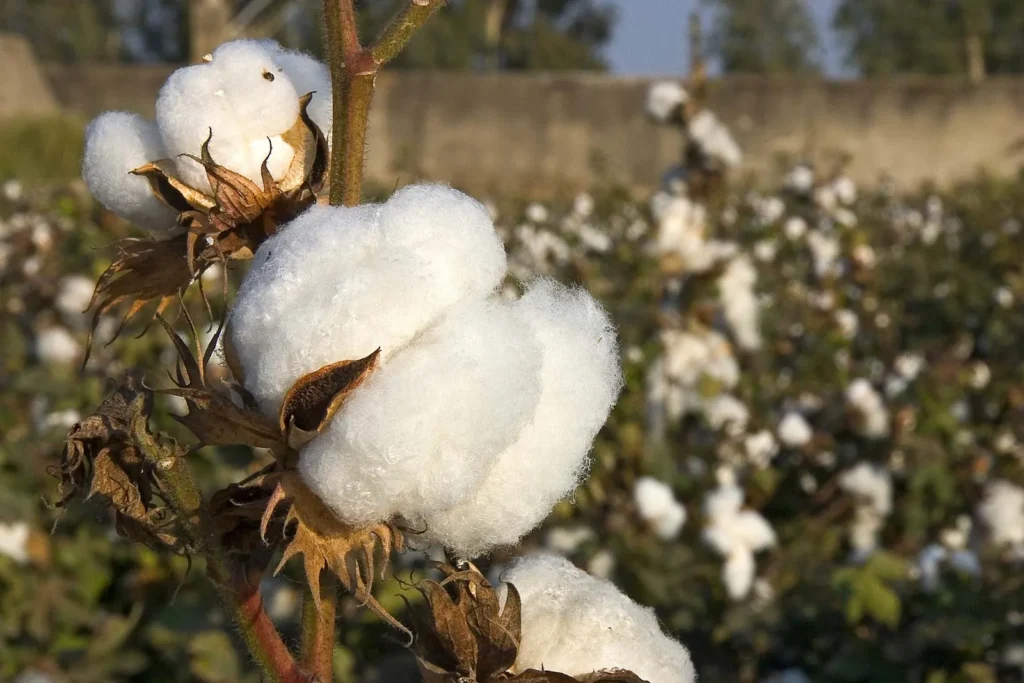
The boll is the part most people recognize. As it matures, the boll opens to expose the white cotton fiber. The fiber is separated from the seed during ginning and then processed for textile and other uses.
Cotton development depends heavily on temperature and moisture. Warm conditions speed growth, while cool weather can slow development late in the season.
Why does cotton grow well in Arkansas?
Arkansas has many of the conditions cotton needs, particularly in the eastern part of the state.
The University of Arkansas System Division of Agriculture notes that cotton production is concentrated largely in the eastern third of Arkansas, near the Mississippi River. The region has humid conditions, mild winters, and soils that can support cotton production when they are properly managed.
Cotton also needs a relatively long growing season. Arkansas cotton production generally runs from spring planting into the fall harvest period.
Good soil moisture matters, but too much water can cause problems. Arkansas growers sometimes deal with wet springs that delay planting or leave fields saturated. Extension reports have also documented years when heavy rainfall caused planting delays and poor early-season conditions.
That makes drainage especially important. A cotton plant needs moisture, but its roots also need access to air in the soil.
When is cotton planted in Arkansas?
The typical cotton planting window in Arkansas is from about April 20 through May 20, although the exact timing depends on the region and weather.
In a March 2025 update, University of Arkansas cotton agronomist Zachary Treadway described April 20 to May 20 as the preferred planting period in a favorable season. He also noted that soil temperature is an important planting cue, with consistently warm soil needed for good establishment.
Cold, wet soil can slow germination and weaken young seedlings. Planting too early can therefore create problems even when the calendar suggests it is time to plant.
The northern part of Arkansas can also have a slightly later planting schedule than southern areas because spring temperatures arrive differently across the state.
What does a cotton plant look like as it grows?
A young cotton plant starts with two seed leaves, followed by true leaves as the main stem develops.
As the plant grows, it produces fruiting branches. Small flower buds called squares develop on these branches. A square eventually opens into a flower.
Cotton flowers are usually white when they first open. The flower changes color after opening and then falls away as the boll begins to develop.
The boll continues growing until it matures and opens. Inside are cotton fibers attached to the seeds.
This progression is why a cotton field can look very different at different points in the season. Early in the season, you see mostly green plants and leaves. Later, flowers and developing bolls become more visible. Near harvest, open bolls give the field its familiar white appearance.
How long does cotton take to grow?
Cotton needs a long warm season, and the exact timing varies with temperature, variety, planting date, soil conditions, and weather.
University of Arkansas materials describe the Arkansas cotton growing season as generally extending from mid-April to mid-October. Cotton development also slows as temperatures fall in autumn.
In a typical season, planting comes first, followed by emergence and vegetative growth. Squares appear next, followed by flowering and boll development. Once enough bolls have matured, growers prepare the crop for mechanical harvest.
Late planting can shorten the time available for the crop to mature. Arkansas Extension guidance has therefore placed strong emphasis on getting cotton planted during the normal spring window when conditions allow.
Where is cotton grown in Arkansas?
Cotton production is concentrated mainly in eastern Arkansas, including the Delta region.
The eastern part of the state has a long history of row-crop agriculture, and cotton is grown alongside crops such as soybeans and rice. The exact mix of crops varies by county, soil type, weather, irrigation availability, and market conditions.
Arkansas remains a major cotton-producing state. USDA’s 2026 Arkansas agricultural overview lists 560,000 acres of upland cotton planted and 555,000 acres harvested, with an estimated yield of 1,297 pounds per acre.
Those figures are for commercial agriculture, not backyard production.
Can you grow a cotton plant in an Arkansas garden?
This is where Arkansas differs from many places where cotton can simply be treated as an ornamental or educational garden plant.
Arkansas has a boll weevil eradication program, and state rules restrict noncommercial cotton planting in eradication zones where field operations are active unless the grower has a written waiver from the State Plant Board.
The current Arkansas rules define noncommercial cotton as cotton that is not being grown for commercial market production. The waiver decision can take factors such as location, pest conditions, growing area size, and accessibility into account.
So if you are considering planting a few cotton seeds in a home garden, do not assume that a small planting is automatically exempt. Check with the Arkansas State Plant Board before planting.
This rule exists because cotton plants can affect the state’s boll weevil monitoring and eradication efforts.
What conditions does cotton need?
For commercial cotton, Arkansas growers pay close attention to several basic growing conditions:
- Warm soil: Cotton seeds need warm conditions for reliable establishment.
- Adequate moisture: Young plants need enough water to establish roots and grow.
- Good drainage: Saturated soil can interfere with root growth and plant establishment.
- Long growing season: The crop needs enough warm weather to flower and mature its bolls.
- Healthy soil: Nutrient availability affects plant growth and fruit development.
- Pest and weed management: Insects, weeds, and diseases can reduce plant growth and yield.
Commercial production involves much more detailed management than a typical backyard crop. Variety selection, planting depth, fertility, irrigation, insect monitoring, and harvest timing are all part of the production system.
What happens to cotton in the fall?
By late summer and early fall, the plant is focused increasingly on finishing its bolls.
Once enough bolls have matured, growers prepare the crop for harvest. Cotton may be treated with harvest aids, including defoliants, to remove leaves and help the crop move toward efficient mechanical harvesting.
Harvest timing matters because weather can affect the quality and condition of the crop. Arkansas Extension reports have noted that hot weather can speed cotton toward harvest, while wet or cool conditions later in the season can slow maturation.
After harvest, cotton goes to a gin. The gin separates the lint from the cottonseed and prepares the fiber for further processing.
Is cotton a good plant for an Arkansas home garden?
For most home gardeners, cotton is not a casual garden crop in Arkansas because of the state’s boll weevil regulations.
If your goal is to learn about the plant, observe cotton flowers, or teach children how a fiber crop develops, a local agricultural education program or permitted growing project may be a better option.
If you are interested in commercial cotton production, the University of Arkansas System Division of Agriculture provides production information specific to Arkansas conditions.
The main lesson is simple: cotton grows well in Arkansas because the state can provide the warm season, moisture, soils, and agricultural conditions the crop needs. But growing a cotton plant outside commercial production is subject to rules that should be checked before planting.
Frequently asked questions
When do farmers plant cotton in Arkansas?
Cotton is generally planted from late April into May. A common preferred window is around April 20 through May 20 when soil and weather conditions are suitable.
What kind of cotton grows in Arkansas?
Most Arkansas commercial cotton is upland cotton, Gossypium hirsutum.
Where is most cotton grown in Arkansas?
Most cotton production is concentrated in eastern Arkansas, particularly in the Delta region and other areas suited to row-crop production.
How long does cotton take to mature?
The crop generally needs a long warm growing season, with planting in spring and harvest in the fall. Exact timing depends on planting date, temperatures, variety, and growing conditions.
Can I plant cotton in my Arkansas backyard?
Not necessarily. Arkansas rules restrict noncommercial cotton planting in active boll weevil eradication zones unless a written waiver has been issued by the State Plant Board.
Why does cotton need warm soil?
Cotton is a warm-season crop. Cold soil can slow germination and early growth, making it harder for seedlings to establish properly.
What is the white part of a cotton plant?
The white material is cotton fiber. It grows around the cottonseed inside the boll and is separated from the seed during ginning.