
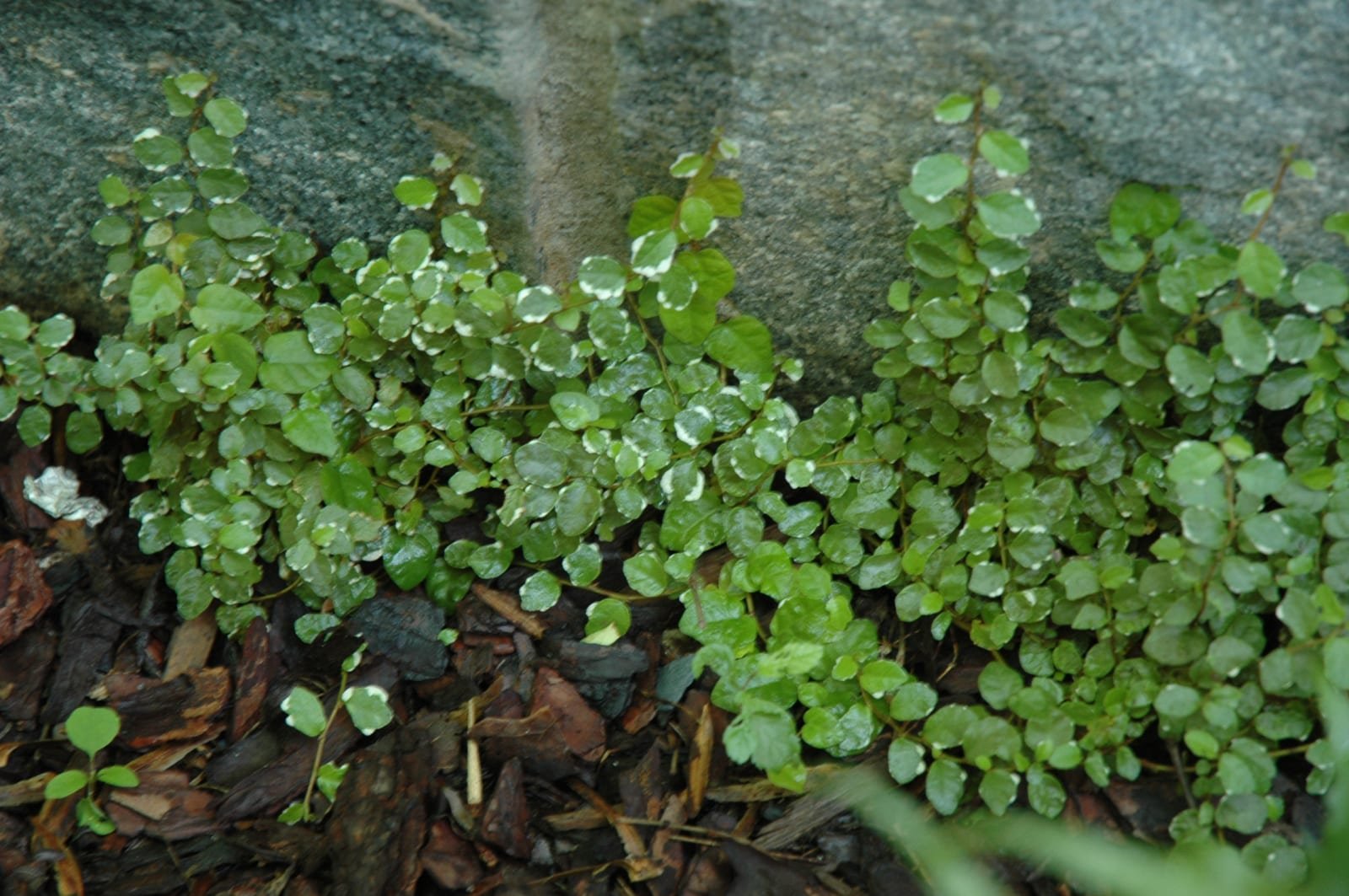
The creeper fig plant, Ficus pumila, is a fast-growing evergreen vine with small leaves that can climb walls, trellises, and other supports. It also grows well in containers and indoors when given bright indirect light and steady moisture.
TL;DR
- The creeper fig plant is Ficus pumila, also called creeping fig or climbing fig.
- Give it bright indirect light indoors and partial shade or filtered sun outdoors.
- Keep the soil evenly moist but well drained, especially while the plant is actively growing.
- Prune often enough to keep fast-growing stems within their space.
- Avoid letting it attach directly to delicate walls because its adhesive roots can be difficult to remove.
What is a creeper fig plant?
A creeper fig plant is an evergreen climbing vine from the mulberry family, Moraceae. Its botanical name is Ficus pumila, and North Carolina State University Extension lists creeping fig and climbing fig as its common names.
Young plants have small, heart-shaped leaves on slender stems. As the plant matures, it can produce larger leaves and thicker stems. This change in leaf form is one reason an established plant can look quite different from a young houseplant.
Creeper fig plants climb by forming small adhesive roots along their stems. This allows them to attach to suitable surfaces without a traditional trellis. North Carolina State University Extension reports that a mature plant can climb 8 to 15 feet in favorable conditions.
The plant works well as a container plant, indoor vine, ground cover, or outdoor wall covering. Its fast growth also means you need to give it enough room and prune it when it starts moving beyond its intended area.
How do you care for a creeper fig plant?
A creeper fig plant grows best with bright indirect light indoors, moist but well-drained soil, regular watering during active growth, and moderate to high humidity. Outdoors, it generally prefers partial shade or dappled light, although it can tolerate more sun when the soil stays moist.
| Care need | What to provide |
|---|---|
| Light | Bright indirect light indoors; partial shade or dappled light outdoors |
| Water | Water regularly during active growth and reduce watering in cooler, darker months |
| Soil | Moist, well-drained soil with organic matter |
| Humidity | Moderate to high humidity is helpful |
| Pruning | Prune stems that grow beyond the space you want to cover |
| Support | A trellis or other suitable support is useful for container plants |
For indoor plants, place the pot near a bright window where the foliage receives plenty of light without strong afternoon sun. A north-facing window may provide less light than the plant needs, especially during winter.
Use a free-draining potting mix and a container with drainage holes. Water when the upper part of the soil begins to dry, then let excess water drain away. Avoid leaving the pot sitting in water.
North Carolina State University Extension recommends reducing watering from fall through late winter for indoor plants. The exact schedule still depends on light, temperature, pot size, and how quickly the soil dries.
Can a creeper fig plant grow indoors?
Yes. A creeper fig plant can grow indoors as a container plant, although it needs enough light and regular attention to pruning. It is also useful for hanging baskets, trained forms, and containers where its stems can trail or climb.
Give an indoor creeper fig plant bright indirect light and protect it from harsh afternoon sun. Keep the soil from becoming completely dry for long periods, but do not keep it constantly waterlogged.
Humidity can also affect how the plant looks. Dry indoor air may lead to brown leaf edges or slower growth, while a consistently humid environment is closer to the conditions the plant prefers.
Creeper fig can grow quickly once conditions are suitable. If you want a compact houseplant, pinch or trim long stems instead of waiting until they have taken over the pot.
Watch the plant for scale, aphids, mealybugs, thrips, and spider mites. North Carolina State University Extension lists these insects among the pests that can affect creeping fig.
Is a creeper fig plant safe for walls?
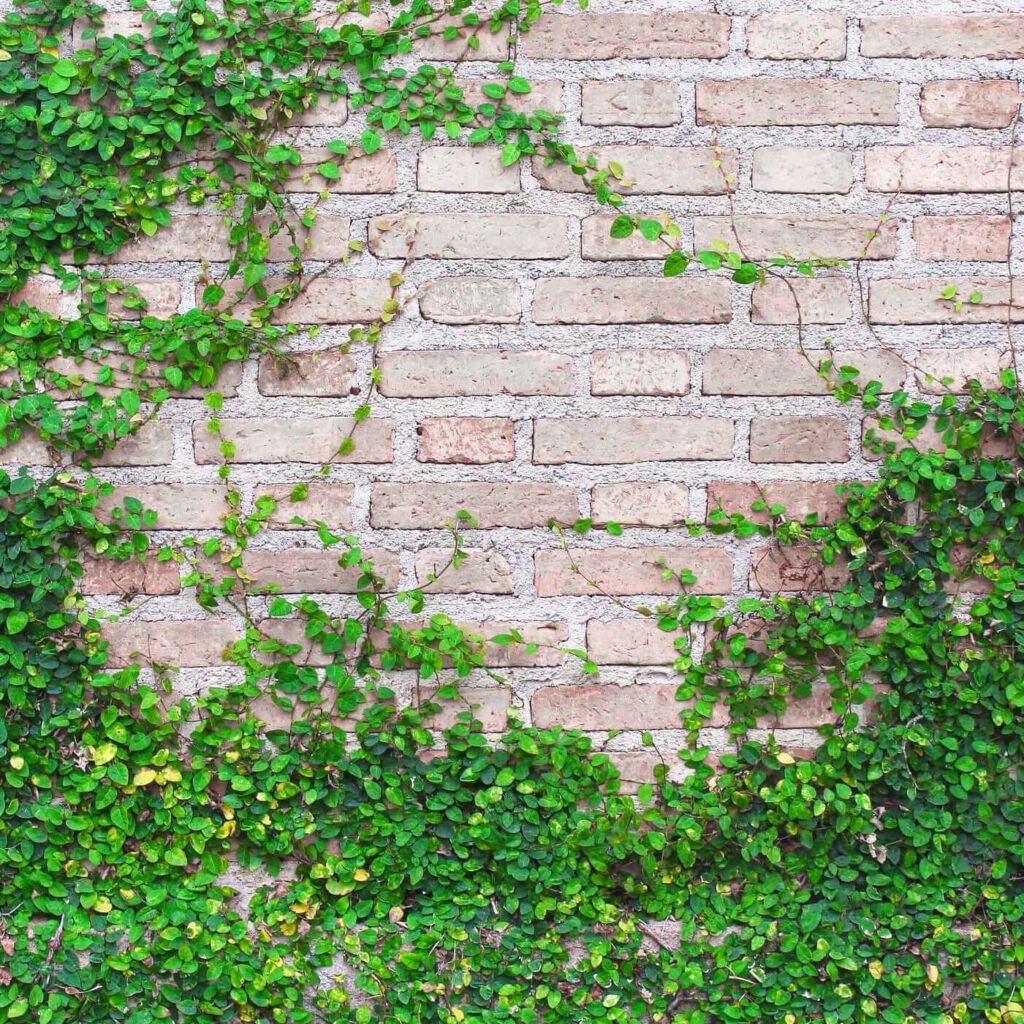
A creeper fig plant needs careful placement around buildings because its adhesive growth can make removal difficult. The plant can attach itself firmly to porous surfaces, so a wall that seems suitable at first may become difficult to clean or repair later.
This matters most when planting near painted walls, stucco, masonry, or other surfaces that may be damaged by aggressive growth or difficult removal. The University of Florida’s UF/IFAS Assessment currently rates Ficus pumila as having a high invasion risk in Florida and does not recommend it there.
If you want the look of a wall-covering vine, give the plant a support that you can monitor and prune. A trellis, sturdy frame, or other planned structure gives you more control than allowing the stems to attach directly to a building.
Local climate also matters. Creeper fig is listed for USDA hardiness zones 8a through 11b by North Carolina State University Extension, but performance varies with winter temperatures and growing conditions.
How should you prune a creeper fig plant?
Prune a creeper fig plant whenever stems grow beyond their intended space or become too dense. Regular trimming is easier than removing a large mass of established growth later.
For a container plant, pinch growing tips to encourage branching and maintain the shape you want. Remove weak, damaged, or unwanted stems with clean pruning shears.
If you grow the plant against a support, check the edges regularly. A few minutes of trimming can keep the vine within its space and prevent it from spreading onto nearby structures.
Brooklyn Botanic Garden recommends removing older stems in late winter or early spring when you want to encourage the smaller immature foliage form. For routine shaping, however, you can prune as needed rather than waiting for one specific season.
When is a creeper fig plant a poor choice?
A creeper fig plant is a poor choice where you cannot control its growth or where attachment to a structure could create problems. It is also a poor outdoor choice in climates where winter cold is too severe for reliable survival.
Avoid planting it directly against a delicate building surface if you cannot commit to regular pruning and eventual removal. Choose a separate support when you want the vine effect without allowing the plant to attach to the wall itself.
For indoor growing, avoid placing it in a dark corner. A creeper fig plant may survive for a while in low light, but strong, healthy growth needs better light.
Common mistakes with a creeper fig plant
- Watering on a fixed calendar can keep the soil too wet or let it become too dry, so check the soil and adjust watering to the season and growing conditions.
- Placing the plant in harsh afternoon sun indoors can scorch foliage, so use bright indirect light instead.
- Allowing outdoor stems to grow unchecked can make pruning and removal much harder later.
- Planting directly against a building without considering how firmly the vine attaches can create maintenance problems.
- Keeping an indoor plant in very low light can lead to weak, sparse growth.
Frequently asked questions about the creeper fig plant
What is a creeper fig plant?
A creeper fig plant is Ficus pumila, an evergreen climbing vine also known as creeping fig or climbing fig.
How often should I water a creeper fig plant?
Water when the soil begins to dry near the surface, then allow excess water to drain. Indoor watering needs usually decrease during cooler, lower-light periods.
Can a creeper fig plant grow indoors?
Yes. It grows well indoors when given bright indirect light, a well-drained potting mix, regular watering, and enough humidity.
Does a creeper fig plant need a trellis?
It does not always need one because the stems can attach to suitable surfaces, but a trellis or frame gives you much better control over where the plant grows.
How fast does a creeper fig plant grow?
Creeper fig is a vigorous grower in favorable conditions. Outdoor plants can climb several feet, while indoor growth depends heavily on light, temperature, watering, and pot conditions.
Can a creeper fig plant damage walls?
It can create maintenance problems because its adhesive roots attach firmly to surfaces. Use a separate support if you want to reduce the risk of difficult removal from a building.