
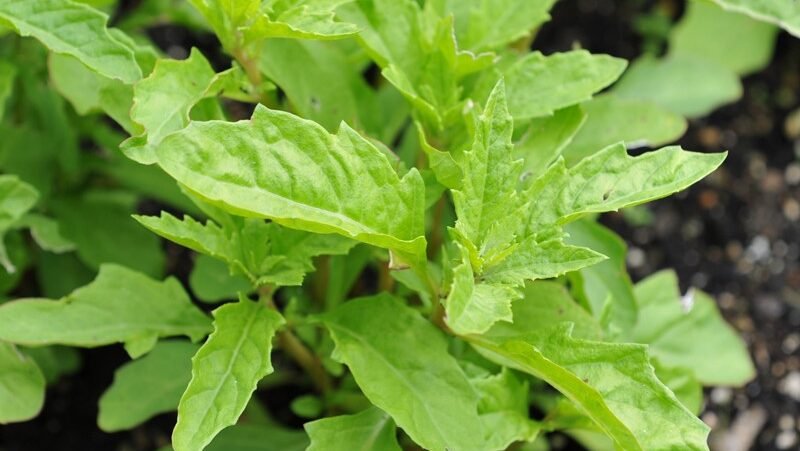
Epazote is a fast-growing, strong-smelling herb from Mexico and Central America, best known as the traditional seasoning for a pot of beans. It’s easy to grow once you know it wants lean soil, full sun, and room to spread.
TL;DR
- Epazote grows best in full sun with lean, well-drained soil and only moderate watering.
- Sow seeds outdoors after the last frost, once the soil reaches 65-70°F.
- The plant self-seeds heavily, so growing it in a container keeps it from taking over a bed.
- Harvest young leaves in the morning, before the plant flowers, for the best flavor.
- In zones 8-12 it can act as a perennial; in cooler zones, treat it as an annual.
What is epazote?
Epazote (Dysphania ambrosioides) is a pungent herb native to Mexico, Central America, and parts of South America, used for generations as a seasoning and a home remedy. It’s also sold under the names Mexican tea, Jesuit’s tea, and wormseed.
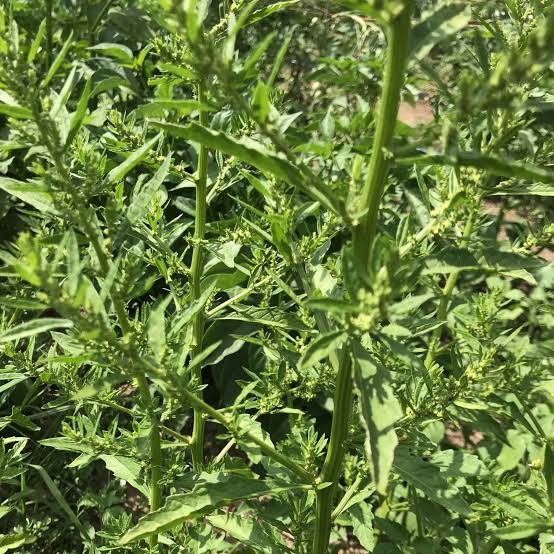
The plant belongs to the same family as lambsquarters and pigweed, and it’s easy to see the resemblance: soft, notched, lance-shaped leaves on an irregularly branched stem that reaches 3 to 4 feet tall.
Small yellow-green flowers appear along the upper stems in summer, though most gardeners grow epazote for its leaves rather than its blooms. Crush a leaf and you’ll notice its aroma right away, often described as somewhere between citrus, oregano, and kerosene.
How to grow epazote
Epazote does best in a spot that gets 6 to 8 hours of direct sun a day, in average or even poor soil. Give it a fussy, rich bed and it grows leggy and weak-smelling instead of full and flavorful.
Light and soil
Choose full sun and well-drained soil. Epazote actually prefers lean conditions, so skip the compost and heavy fertilizer. If the plant shows yellowing or stalled growth, a balanced fertilizer once a month during the growing season is enough.
Planting and spacing
Direct sow seeds outdoors after the last frost, once soil temperatures reach 65-70°F. Scatter the tiny seeds on the surface and press them in without covering, since they need light to germinate. Expect sprouts in 7 to 14 days, and thin or space plants 12 to 18 inches apart once they’re established.
Watering and care
Water moderately while seedlings are getting established, then ease off. Mature epazote is drought-tolerant and prefers to dry out somewhat between waterings.
Overwatering in heavy soil is the main way gardeners lose this plant, since soggy roots invite root rot. Pinch the growing tips occasionally to keep the plant bushy rather than tall and sparse.
Harvesting and using epazote
credit: https://mossgreenhouses.com/
Pick epazote leaves any time in the growing season, choosing the largest, most tender ones. Harvest in the morning after the dew has dried, and pick regularly, since this encourages new growth and delays flowering, which is when the flavor turns bitter.
In the kitchen, epazote is most often added to a pot of simmering black or pinto beans, where it’s said to cut down on the gas beans can cause and adds a distinctive, almost pine-like flavor. It also shows up in tamales, quesadillas, and soups. A few fresh leaves go a long way, since the flavor is strong and doesn’t mellow much with cooking.
Is epazote safe to eat?
In normal cooking amounts, epazote is safe and has been used in Mexican and Central American kitchens for generations. The concern is concentration: the plant’s essential oil contains a compound called ascaridole, which is mildly toxic in large amounts and can decompose violently when heated in its pure, concentrated form.
That’s a risk for extracted oil or seed preparations, not for a few fresh leaves tossed into a pot of beans. Keep the plant itself out of reach of pets, since it’s more concentrated in the raw leaf and seed than in a cooked dish.
Common mistakes with epazote
- Planting it in rich, fertile soil: this produces a leggy plant with a weaker aroma. Stick to average or poor soil instead.
- Letting it flower and go to seed unchecked: epazote self-seeds heavily and can spread through a garden bed within a season or two. Growing it in a container or raised bed keeps it contained.
- Overwatering: epazote handles dry spells far better than wet feet. Let the soil dry out somewhat between waterings.
Frequently asked questions about epazote
What is epazote used for?
Epazote is a culinary herb, most commonly added to beans, tamales, and soups in Mexican and Central American cooking. It has also been used traditionally as a home remedy for digestive complaints.
Is epazote a perennial or an annual?
In warm regions, USDA zones 8 through 12, epazote can survive winter and grow as a short-lived perennial. In cooler zones, it’s grown as an annual and typically dies back with the first hard frost.
How do I stop epazote from spreading?
Grow it in a container or raised bed, and harvest leaves regularly before the plant flowers and sets seed. Once it goes to seed, it spreads readily on its own.
Does epazote need fertilizer?
Not usually. Epazote actually grows better in lean soil. A light, balanced fertilizer once a month is only needed if the plant looks pale or stunted.
Can I grow epazote indoors?
Yes, as long as it gets 6 to 8 hours of direct light a day, either from a sunny window or a grow light. It tends to grow larger and more vigorously outdoors, but a container on a bright windowsill works for a small kitchen supply.
Sources
- Dysphania ambrosioides, Wikipedia
- Epazote Herb Growing, Gardening Know How
- How to Plant and Grow Epazote, Gardener’s Path