
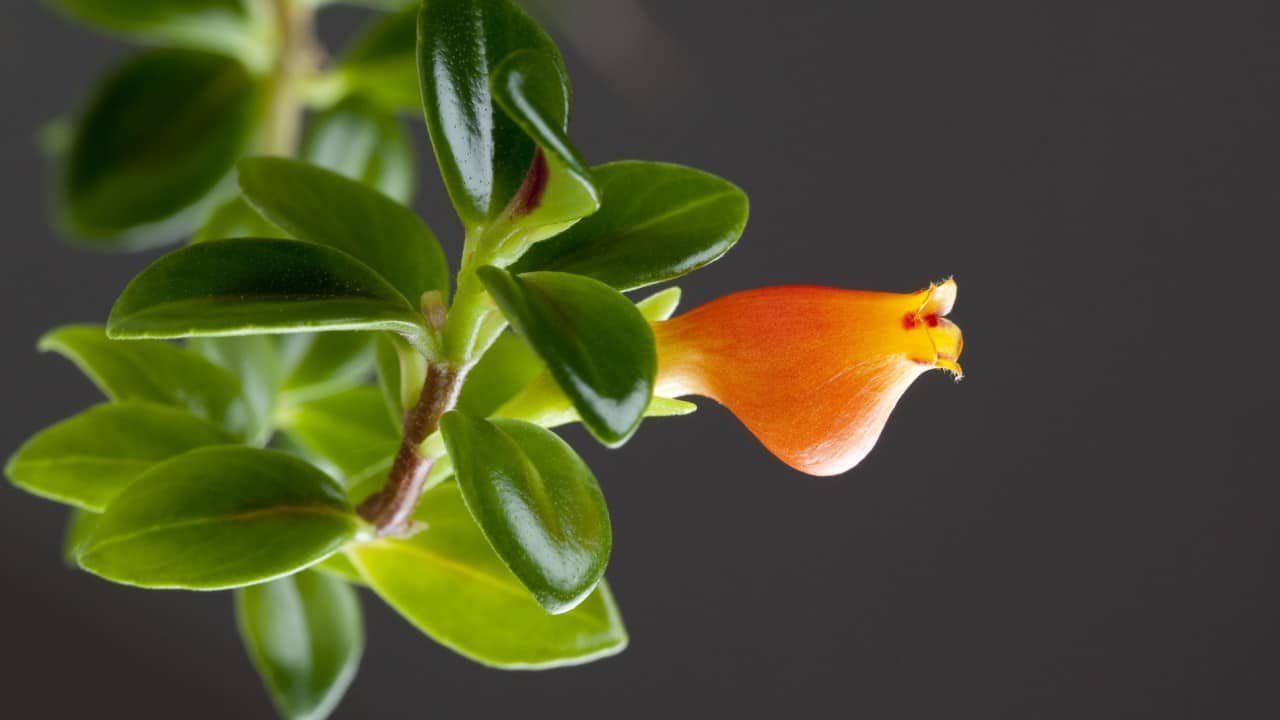
The gold fish plant (Nematanthus species) is a tropical houseplant known for its glossy green leaves and unusual orange flowers that look like tiny goldfish. Give it bright, indirect light, warm conditions, and well-draining soil to encourage healthy growth and regular blooms.
What is a gold fish plant?
A gold fish plant is a tropical flowering plant grown mainly indoors for its unusual, pouch-shaped flowers and trailing or arching stems. Its flowers often appear in shades of orange, with a shape that resembles a little fish.
The name usually refers to plants in the genus Nematanthus, which belongs to the Gesneriaceae family. Some varieties grow upright, while others develop long stems that spill over the sides of a hanging basket.
Gold fish plants are a good choice for a bright room, a sheltered sunroom, or a spot near an east-facing window. Their thick, glossy leaves also give them an attractive appearance when they are not flowering.
How much light does a gold fish plant need?
A gold fish plant grows best in bright, indirect light. Place it near a window where it receives plenty of daylight without harsh midday sun striking its leaves for long periods.
An east-facing window is often a good choice because it provides gentle morning sunlight. A bright north-facing window may work in a warm climate, though the plant may produce fewer flowers if the light is too weak.
Watch the leaves to judge whether the location suits your plant.
- Pale or scorched patches can indicate too much direct sunlight.
- Long, thin stems with wide gaps between leaves often point to insufficient light.
- Healthy green leaves and steady new growth suggest that the light level is suitable.
If your gold fish plant sits in a dim room, move it closer to a window gradually. A sudden change from low light to strong sunlight can damage the leaves.
How often should you water a gold fish plant?
Water a gold fish plant when the top layer of potting mix begins to dry. The exact timing depends on the temperature, light level, pot size, and season, so check the soil instead of following a fixed weekly schedule.
Push a finger into the potting mix. If the surface feels dry but the mix below remains slightly moist, the plant may be ready for water. If the soil is still wet, wait and check again.
When watering, soak the mix evenly until excess water drains from the bottom. Empty the saucer or outer pot so the roots do not sit in standing water.
Gold fish plants can suffer when their roots remain wet for too long. Poor drainage and frequent watering are common causes of root problems.
During active growth in warm weather, the plant may need water more often. In cooler months, growth often slows, so the soil may take longer to dry.
Do not let the potting mix become bone-dry for extended periods, either. If the leaves begin to wilt, check the soil first. Both very dry soil and damaged roots can cause drooping leaves.
What soil and pot are best for a gold fish plant?
A gold fish plant needs loose, well-draining potting mix that holds some moisture while allowing air to reach the roots. A standard indoor potting mix can work if you improve its drainage with perlite or fine orchid bark.
In nature, Nematanthus can grow on trees rather than in dense ground soil. Its roots benefit from an airy growing medium, so avoid heavy garden soil or a mix that stays wet for days.
Choose a pot with drainage holes. A hanging basket is a good option for plants with trailing stems, while a regular pot works well for more upright growth.
Repot your gold fish plant when the roots crowd the container or water struggles to pass through the mix. Move it into a pot only slightly larger than the old one. An oversized pot holds more wet soil around the roots and can increase the risk of root rot.
What temperature and humidity does a gold fish plant need?
A gold fish plant prefers warm indoor conditions and moderate to high humidity. Keep it away from cold drafts, air-conditioning vents, and sudden temperature changes.
In cooler climates, grow it indoors through winter. In tropical climates, such as Bangladesh, it can grow well indoors throughout the year if you protect it from harsh afternoon sun and provide good airflow.
Dry indoor air may cause leaf edges to turn brown, especially when fans or air conditioners run often. If the air is dry, place the pot near other houseplants or use a room humidifier.
Avoid leaving the plant in a closed, damp corner with little air movement. Humidity helps, but stale air and wet foliage can encourage plant problems.
How can you encourage a gold fish plant to flower?
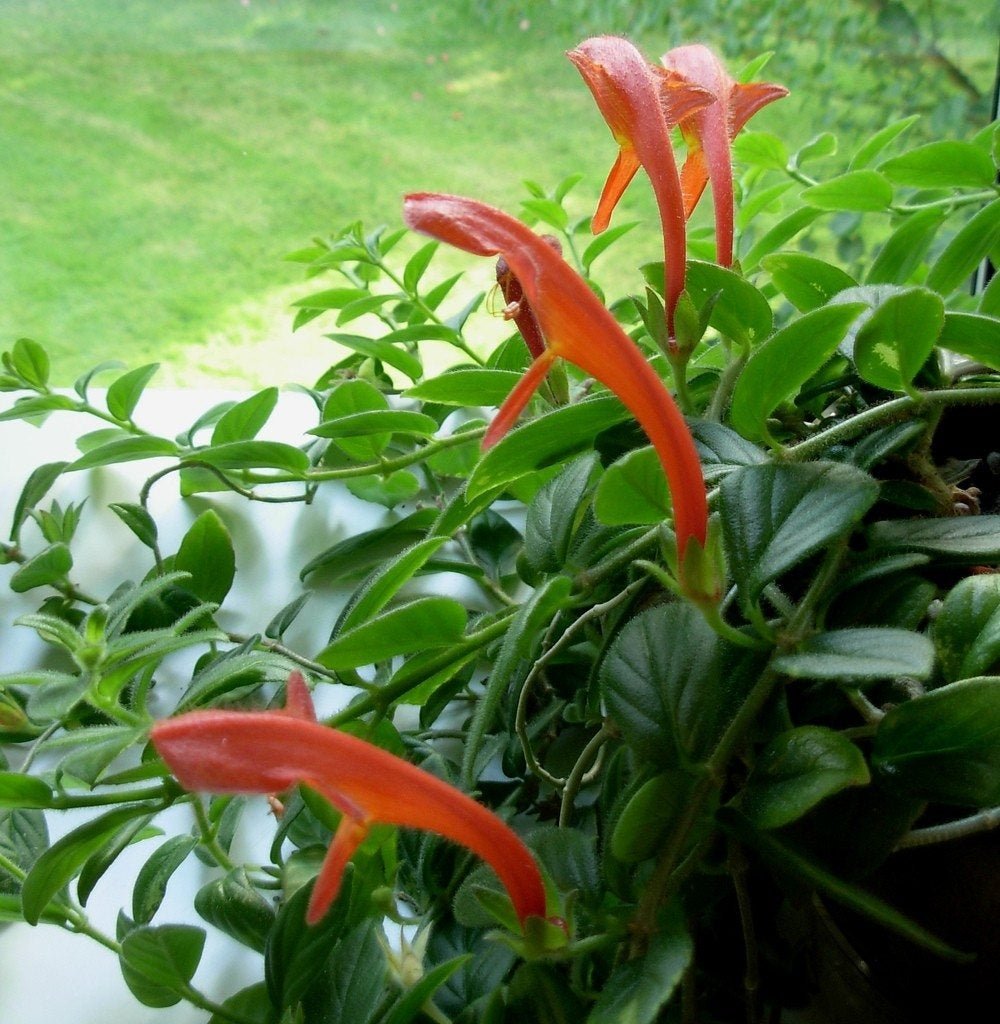
A gold fish plant flowers best when it receives enough bright, filtered light and steady care. If your plant produces plenty of leaves but few flowers, check its light exposure first.
Move it to a brighter position where the leaves are protected from intense direct sun. Allow the top layer of soil to dry slightly between waterings, and avoid frequent repotting when the plant is growing well.
During spring and summer, feed the plant with a balanced liquid houseplant fertilizer diluted according to the label. Apply it while the plant is actively growing, and reduce feeding when growth slows.
Pruning can also help create a fuller plant. Trim long, bare stems just above a leaf joint with clean scissors. This encourages branching and gives the plant more compact growth.
Flowering varies with the plant’s maturity, variety, light, and growing conditions. A recently purchased plant may need time to adjust to your home before it flowers again.
How do you propagate a gold fish plant?
You can grow new gold fish plants from stem cuttings. This is a simple way to multiply a healthy plant without buying another one.
- Choose a healthy stem with several leaves and cut a section with clean scissors.
- Remove the leaves from the lower part of the cutting.
- Place the cut end in a small pot filled with moist, airy potting mix.
- Keep the mix lightly moist and place the pot in warm, bright, indirect light.
- Check for new growth over the following weeks, which can indicate that the cutting is establishing roots.
A loose cover can help retain humidity while the cutting develops roots, but allow some airflow to prevent excess moisture from collecting. Remove the cover once the cutting begins growing well.
Avoid placing a new cutting in strong sunlight. It has fewer roots to take up water and can dry out faster than an established plant.
Common gold fish plant problems and how to fix them
Most gold fish plant problems come from unsuitable light, watering mistakes, or poor drainage. Check the growing conditions before adding fertilizer or making several changes at once.
| Problem | Likely cause | What to do |
|---|---|---|
| Yellow leaves | Soil staying wet for too long | Check drainage and let the mix dry slightly before watering again. |
| Long, sparse stems | Too little light | Move the plant to a brighter spot with filtered light. |
| No flowers | Insufficient light or unsuitable growing conditions | Improve light and feed during active growth. |
| Brown leaf edges | Dry air, irregular watering, or root stress | Check soil moisture and improve humidity if needed. |
| Drooping leaves | Dry soil or damaged roots | Check the soil before deciding whether to water. |
| Leaf drop | Sudden environmental changes or watering problems | Keep conditions steady and inspect the roots if the problem continues. |
Do not assume every yellow leaf means overwatering. Older leaves can drop naturally, and a plant may lose some leaves after moving to a new home. Look for patterns in the foliage and soil before deciding what to change.
Common mistakes when growing a gold fish plant
Avoid these mistakes to keep your gold fish plant healthy and encourage flowering.
- Watering on a fixed schedule can leave the soil too wet or too dry. Check the potting mix before each watering.
- Placing the plant in harsh afternoon sunlight can scorch its leaves. Choose filtered light instead.
- Using dense garden soil can restrict airflow around the roots. Use a loose potting mix that drains well.
- Repotting too often can disturb healthy roots. Move the plant only when it needs more room or the potting mix has broken down.
- Applying fertilizer to dry soil or using too much can damage the roots. Water as needed and follow the fertilizer label.
Frequently asked questions about the gold fish plant
Is a gold fish plant easy to grow indoors?
Yes, a gold fish plant can grow well indoors when it receives bright, indirect light, warm temperatures, and well-draining soil. Careful watering helps prevent root problems.
How often should I water a gold fish plant?
Water when the top layer of potting mix begins to dry. Check the soil each time because indoor temperature, humidity, and light affect how quickly it dries.
Why is my gold fish plant not flowering?
Insufficient light is a common reason for poor flowering. Move the plant to a brighter location with filtered light and feed it during active growth.
Can I grow a gold fish plant in a hanging basket?
Yes, a hanging basket suits varieties with trailing stems. Choose a container with drainage holes and use an airy potting mix.
Can I propagate a gold fish plant from cuttings?
Yes, take a healthy stem cutting and plant it in moist, well-draining potting mix. Keep it warm and provide bright, indirect light while roots develop.
Is the gold fish plant suitable for a humid climate?
Yes, it can grow in a warm, humid climate. Protect it from harsh direct sunlight, avoid waterlogged soil, and provide good airflow around the foliage.
Should I mist my gold fish plant?
Regular misting is not necessary. If the air is dry, use a humidifier or group the plant with other houseplants, while keeping the leaves and surrounding area from staying constantly wet.
When should I prune a gold fish plant?
Prune long or sparse stems when needed to encourage branching and maintain a compact shape. Use clean scissors and avoid removing too much healthy growth at once.