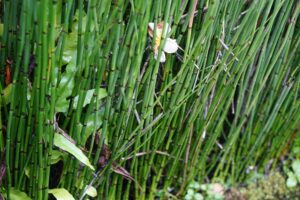
Plants that look like poison hemlock can be tricky, especially when they are young and not yet flowering. This guide helps you compare common lookalikes, spot the warning signs, and avoid dangerous mistakes in the garden, field, or roadside.
On this page
Key TakeawaysPlants That Look Like Poison Hemlock: The Fastest Way to TellCommon Plants That Look Like Poison HemlockHow to Tell Poison Hemlock Apart From Similar PlantsWhere These Lookalikes Grow and Why That MattersSafe Steps If You Find a Suspect PlantQuick Reference for Plants That Look Like Poison HemlockFrequently Asked QuestionsKey Takeaways
- Poison hemlock has a few common lookalikes: Wild carrot, water hemlock, cow parsnip, and wild parsley can all cause confusion.
- Stems matter a lot: Poison hemlock has smooth, hollow stems with purple blotches and no hairs.
- Leaves are helpful, but not enough alone: Fine, lacy leaves can appear on several plants, so check the whole plant.
Show 3 more takeaways
- Flower clusters give strong clues: Poison hemlock has white umbrella-like blooms, often with many small flower heads.
- Location helps narrow it down: Wet ground, roadsides, and disturbed soil are common places to find poison hemlock.
- When in doubt, do not touch or taste it: Use gloves, take a photo, and ask a local expert or extension office.
Plants That Look Like Poison Hemlock: The Fastest Way to Tell
Plants that look like poison hemlock are easy to mix up because many have lacy leaves and white flower clusters. The fastest way to tell poison hemlock apart is to check the stem, the spots, the hairs, and the growing site together. One clue alone is like judging a book by one page.
Poison hemlock is a dangerous wild plant in the carrot family. It is toxic from root to flower, and all parts can harm people and pets if eaten. That is why careful ID matters before you pull, cut, or compost anything that seems close to it.
What poison hemlock looks like at a glance
Poison hemlock usually has a smooth green stem with purple blotches, finely divided leaves, and white flower clusters shaped like umbrellas. It often grows tall, sometimes over 6 feet. The stem is hollow, hairless, and often has a faint musty smell when crushed.
Common Plants That Look Like Poison Hemlock
Several plants that look like poison hemlock share the same family traits, so the whole plant matters. The most common mix-ups are wild carrot, water hemlock, cow parsnip, and wild parsley. Each one has one or two clues that help separate it from poison hemlock.
Wild carrot, also called Queen Anne’s lace
Wild carrot is one of the most common plants that look like poison hemlock. It has a hairy stem, a flat-topped white flower head, and a single dark floret in the center of the bloom. Poison hemlock has smooth stems and no central dark floret.
Water hemlock
Water hemlock is another dangerous plant, and it can be more toxic than poison hemlock. It grows in wet ground and has thick roots with chambered, tuber-like parts. Poison hemlock has a long white taproot, not a cluster of thick root chambers.
Cow parsnip
Cow parsnip is one of the largest plants that look like poison hemlock, but it has coarse hairs and very large leaves. It also has a thicker stem and a different feel. Poison hemlock is smooth and more delicate in shape, even when it gets tall.
Wild parsley and related herbs
Wild parsley and a few other parsley-like herbs can confuse people because they have similar leaf shapes. The difference is often in stem texture, smell, and flower form. If the stem is smooth and blotched, treat it as suspicious.
| Plant | Stem | Flowers | Key clue |
|---|---|---|---|
| Poison hemlock | Smooth, hollow, purple blotches | White umbrella clusters | No hairs on stem |
| Wild carrot | Hairy | White, flat-topped cluster | Dark center floret |
| Water hemlock | Green, often streaked | White umbrella clusters | Wet habitat, thick root chambers |
| Cow parsnip | Coarse, hairy | Large white clusters | Very large leaves and stem |
How to Tell Poison Hemlock Apart From Similar Plants
The best way to tell poison hemlock apart from plants that look like poison hemlock is to use a step-by-step check. Look at the stem first, then the leaves, then the flower head, and finally the habitat. This four-part check is much safer than guessing from one feature.
- Check the stem: Poison hemlock has a smooth, hollow stem with purple spots or blotches.
- Check for hairs: If the stem is hairy, it is usually not poison hemlock.
- Check the flower shape: Poison hemlock has many small white flowers in umbrella-like clusters.
- Check the setting: It often grows along roads, fence lines, streams, and disturbed soil.
Why the stem is the best clue
The stem is the best clue because it stays useful at many growth stages. Leaves can look similar across several species, but the stem texture is easier to judge. Think of it like checking the frame of a chair, not just the cushion.
Why young plants are harder to identify
Young poison hemlock plants can look like harmless garden weeds. At this stage, the leaves may be the main feature you see, and that is where mistakes happen. If the plant is small and uncertain, do not pull it bare-handed or let children near it.
Where These Lookalikes Grow and Why That Matters
Plants that look like poison hemlock often grow in places with disturbed soil, water, or open sun. Habitat is a big clue because each species likes a slightly different spot. If you know where the plant is growing, you can narrow the list fast.
Roadsides, ditches, and fence lines
Poison hemlock often shows up along roadsides, ditch banks, and field edges. These spots have loose soil and lots of light, which help it spread. Wild carrot can also grow in similar places, so you still need to check the stem and flowers.
Wet ground and stream edges
Water hemlock is most likely near wet soil, marshes, or shallow water. That setting is a warning sign by itself. If you see a parsley-like plant in wet ground, keep your distance and avoid touching the roots.
Lawns, gardens, and disturbed beds
Some lookalikes appear in lawns or garden beds after soil is moved. Seed mixes, bird droppings, and nearby wild patches can bring in new plants. Pulling without ID can spread seeds or expose skin to sap from the wrong plant.
Safe Steps If You Find a Suspect Plant
If you find a plant that may be poison hemlock, the safest move is to stop and inspect from a distance. Do not taste it, crush it, or let pets sniff it closely. A calm, careful check is the right move because poison hemlock is a toxic plant, not a mystery weed to test.
What to do first
- Keep children and pets away: Create space around the plant before you do anything else.
- Take clear photos: Photograph the stem, leaves, flowers, and whole plant from a safe distance.
- Wear gloves if you must handle it: Use gloves, long sleeves, and wash tools after contact.
- Confirm with a local source: Send the photo to a county extension office, native plant group, or park staff.
How to remove it safely
If an expert confirms poison hemlock, remove it before it sets seed. Use gloves, a long-sleeve shirt, and a bag for disposal. Pulling is easier when soil is damp, because the long taproot comes out more cleanly. Do not compost it unless your local rules allow that for toxic plants.
Quick Reference for Plants That Look Like Poison Hemlock
Use this quick reference when you need a fast check for plants that look like poison hemlock. The goal is not perfect certainty from one detail. The goal is to stack clues until the plant fits one species better than the others.
| Question | If yes, think about | If no, think about |
|---|---|---|
| Is the stem smooth and blotched purple? | Poison hemlock | Hairy plants like wild carrot |
| Is the plant growing in wet ground? | Water hemlock | Roadside or field-edge species |
| Are the leaves very large and coarse? | Cow parsnip | Finer, more delicate species |
| Does the flower head have a dark center floret? | Wild carrot | Poison hemlock or another umbel |
When you compare plants that look like poison hemlock, the safest habit is simple: look, compare, then decide. If the stem is smooth, the plant is blotched, and the ID is still unclear, treat it as poison hemlock until someone qualified says otherwise. That one habit can prevent a bad mistake.
Frequently Asked Questions
What are the most common plants that look like poison hemlock?
The most common plants that look like poison hemlock are wild carrot, water hemlock, cow parsnip, and wild parsley. These plants share lacy leaves and white flower clusters, which is why they get mixed up so often.
How can I tell poison hemlock from wild carrot?
Check the stem and the flower head. Poison hemlock has a smooth, blotched stem, while wild carrot has a hairy stem and often a dark floret in the center of the flower cluster.
Is poison hemlock easy to identify when it is young?
No, young poison hemlock is harder to identify because the leaves can look like several harmless weeds. Use the stem, habitat, and any flower buds together, and do not rely on leaf shape alone.
Where does poison hemlock usually grow?
Poison hemlock often grows in disturbed soil, along roadsides, in ditches, and near fence lines. It can also appear near streams or field edges, where the soil is open and sunny.
Can touching poison hemlock harm me?
Skin contact is less dangerous than eating it, but it is still smart to wear gloves and wash up after handling it. The main risk comes from accidental ingestion, especially by children or pets.
What should I do if I am not sure a plant is poison hemlock?
Do not pull it with bare hands or taste it. Take photos, keep people and pets away, and ask a local extension office, park ranger, or plant expert for help.