
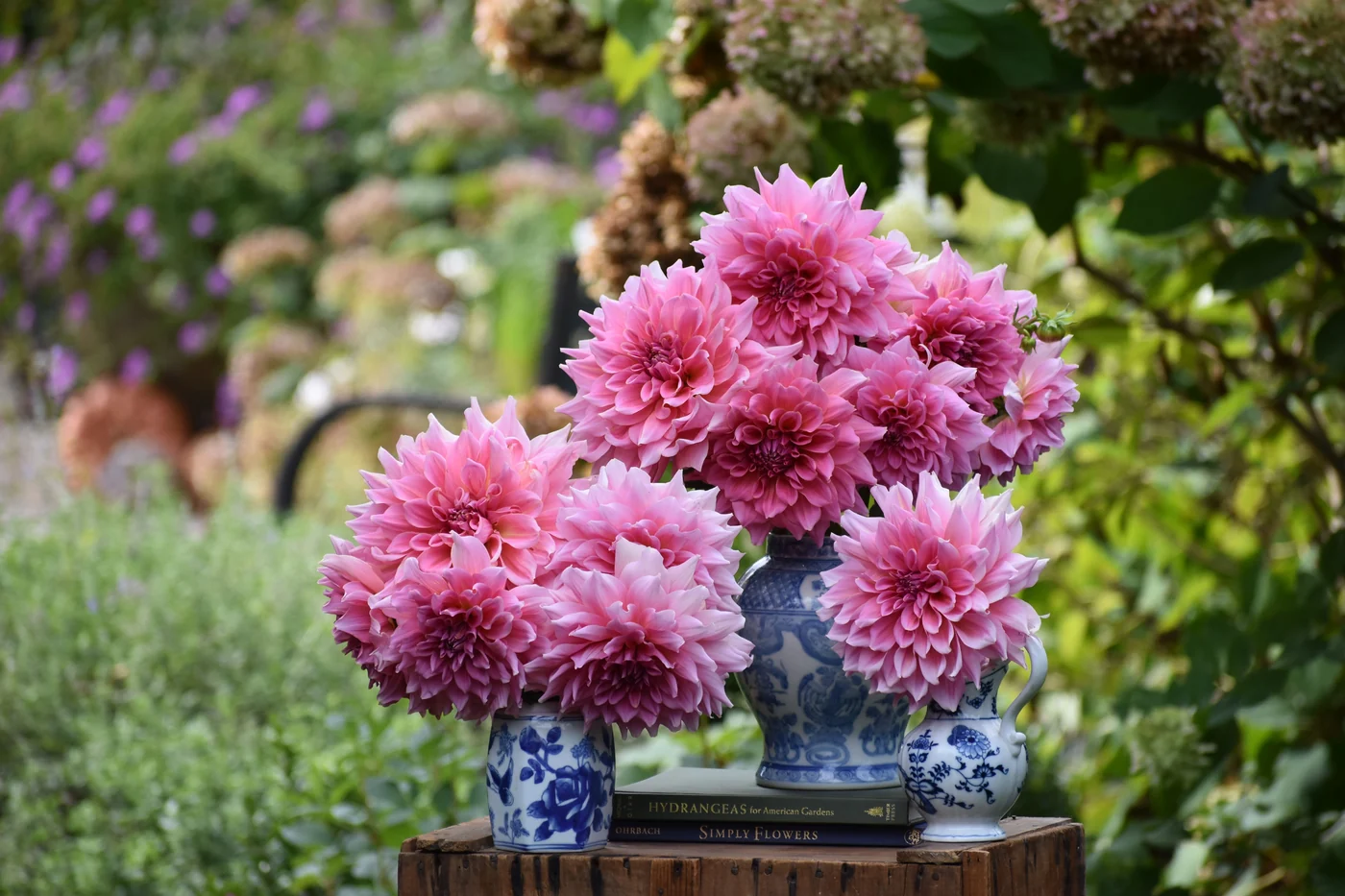
A dahlia plant is a tender perennial, so it can live and flower for several years. The catch is that dahlia tubers can be damaged by freezing weather, so gardeners in cold climates often lift and store them over winter.
TL;DR
- Dahlias are tender perennials that regrow from underground tubers.
- A dahlia plant can return each year when its tubers survive the winter.
- Freezing soil can damage or kill dahlia tubers.
- In cold areas, dig the tubers after frost damages the foliage and store them in a frost-free place.
- In mild areas with well-drained soil, you may be able to leave dahlias in the ground.
Is a dahlia plant perennial?
Yes, a dahlia plant is a perennial, but most garden dahlias are tender perennials rather than fully hardy perennials. The plant grows from underground tubers, and its stems and leaves die back after frost while the tubers remain dormant until spring. The Royal Horticultural Society describes dahlias as tender perennials that need protection from freezing temperatures.
This means a dahlia does not have to be replanted from scratch every year. If the tubers survive winter, they can send up new shoots when growing conditions become suitable again.
The term tuber means a swollen underground plant part that stores energy. In dahlias, the tuber helps the plant survive its dormant period and produce new growth the following season.
That is why a dahlia can act like an annual in a cold garden but behave like a perennial in a mild garden. The plant itself has a perennial growth cycle, but winter conditions decide whether it survives outdoors.
Do dahlias come back every year?
Dahlias can come back every year from their tubers when the tubers are protected from damaging cold and excessive winter moisture. In mild regions, some gardeners leave them in the ground, while gardeners in colder areas usually dig and store the tubers indoors.
Your winter conditions matter more than the label “perennial.” A mild winter with well-drained soil gives outdoor tubers a better chance of surviving. Cold, wet soil creates a much greater risk of loss.
If you leave dahlias in the ground, cut back the stems after the foliage has been damaged by frost. The RHS recommends covering the crowns with about 15 cm of mulch in suitable mild conditions. Even then, leaving them outdoors carries some risk during a very cold or wet winter.
How do you keep a dahlia plant perennial?
The safest way to keep a dahlia plant growing as a perennial is to protect its tubers through winter. In areas where the ground freezes, dig the tubers after frost damages the foliage, dry them properly, and keep them in a cool, dark, frost-free place until spring.
Follow these basic steps:
- Wait until frost has damaged the foliage, then cut the stems back.
- Carefully lift the tuber clump so you do not cut or break the tubers.
- Shake away loose soil and remove damaged or rotten parts.
- Let the tubers dry fully before storage.
- Place them in a cool, dark, frost-free area with suitable dry packing material.
- Check them from time to time and remove any tubers that develop rot.
The RHS recommends leaving healthy tubers intact during storage if possible. Division can be done in spring when the dormant tubers begin to produce shoots. Each division needs a growing point, often called an eye, to produce a new plant.
Can dahlias stay in the ground over winter?
Dahlias can stay in the ground over winter in some mild areas, especially where the soil drains freely and winters are not severe. This is easier than lifting and storing the tubers, but it carries more risk because unusually cold or wet conditions can cause losses.
Heavy, poorly drained soil is a poor place to overwinter dahlia tubers. Wet winter soil can encourage rot, while freezing conditions can injure the tubers.
If your garden has mild winters and good drainage, you can try leaving a few plants in place and protecting the crowns with a thick layer of mulch. Keep some spare tubers in storage if losing the plants would be a problem.
What growing conditions help dahlias return?
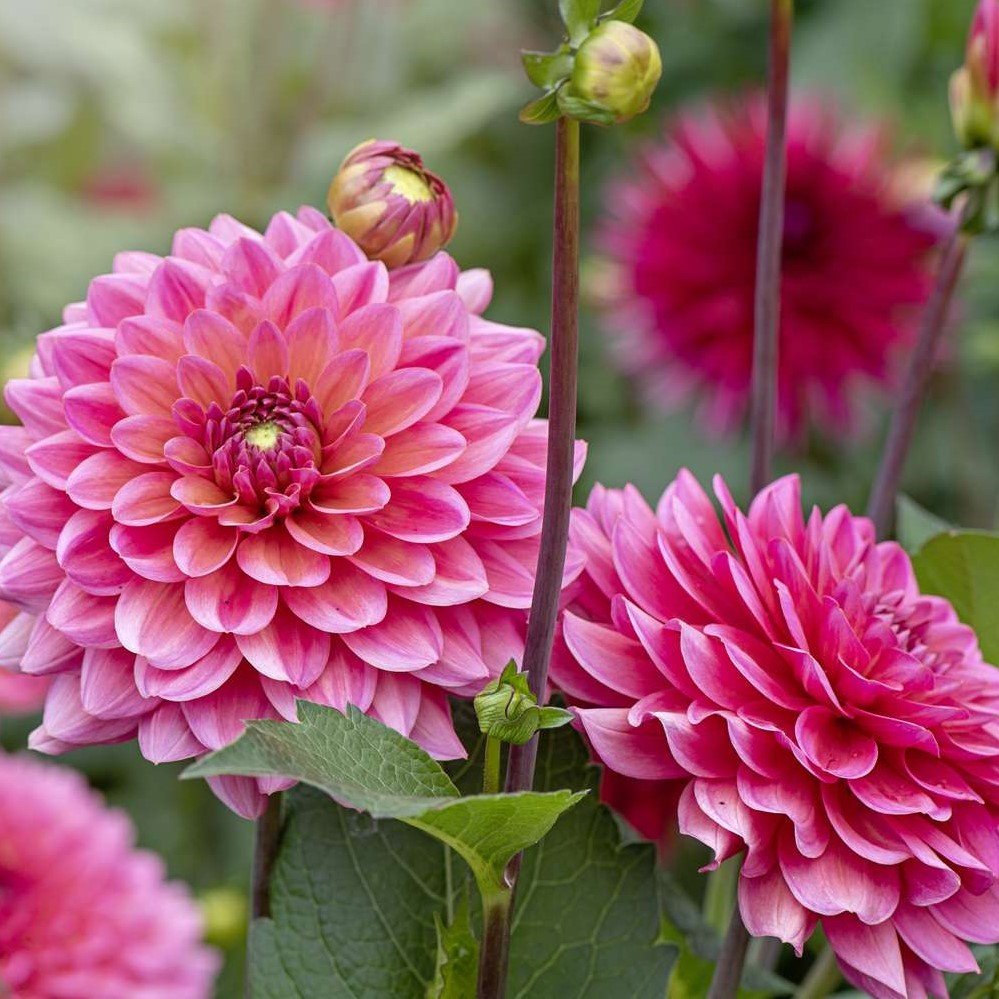
Dahlias grow best in full sun and fertile, well-drained soil with steady moisture during active growth. A sheltered site also helps taller plants, which may need support as their stems grow.
During the growing season, water regularly during hot, dry weather. Avoid keeping the soil waterlogged.
Regular deadheading also helps dahlias continue producing flowers. Remove faded blooms before the plant puts more energy into seed production. The RHS recommends deadheading regularly, ideally about once a week during the flowering season.
A dahlia grown in a container needs closer attention to watering because the growing medium can dry out faster than garden soil. Smaller dahlia varieties are well suited to containers, while tall varieties may need a larger pot and support.
When is a dahlia plant not a good fit?
A dahlia may be a poor choice if you want a perennial that can remain outdoors with little winter protection in a cold climate. Most garden dahlias need some protection from freezing conditions, so they require more seasonal work than hardy perennials.
They also need a sunny planting site and reasonably well-drained soil. If your garden stays wet through winter, growing dahlias in containers or lifting the tubers each year is a safer approach.
For gardeners who enjoy summer flowers but do not want to store tubers, dahlias can still be grown as annuals. Simply plant fresh tubers or young plants when frost has passed and treat the season as a single growing cycle.
Common mistakes with dahlia plants
- Assuming every dahlia can survive a frozen winter in the ground can lead to lost tubers, so protect or store them when your winter conditions are too cold.
- Leaving tubers in wet soil can cause rot, so choose well-drained soil or lift the tubers for winter storage.
- Watering dormant tubers heavily can encourage rot, so keep stored tubers dry and check them regularly.
- Cutting and dividing tubers without a growing point can prevent a new plant from developing, so make sure each division has a viable bud or eye.
- Planting dahlias before the risk of frost has passed can damage new shoots, so wait for suitable spring conditions.
Frequently asked questions about dahlia plant perennials
Is a dahlia plant a perennial or an annual?
A dahlia plant is a tender perennial because it can live for several years from underground tubers. In cold climates, gardeners often grow dahlias as annuals because the tubers cannot safely remain outdoors through winter.
Do dahlias come back every year?
Yes, dahlias can return every year when their tubers survive winter. Protect the tubers from freezing temperatures and excessive moisture.
Can I leave dahlia tubers in the ground?
You can leave dahlia tubers in the ground in mild climates with well-drained soil. In colder or wetter conditions, lifting and storing them is safer.
When should I dig up dahlia tubers?
Dig dahlia tubers after frost has damaged the foliage and the plant has started to die back. Dry and store healthy tubers in a cool, dark, frost-free place.
Do dahlia tubers multiply?
Yes, dahlia tuber clumps can become larger during the growing season and can be divided to make additional plants. Divide them in spring and make sure each section has a viable growing point.
Will dahlias flower again after winter?
A healthy dahlia tuber can produce new shoots in spring and flower again during the growing season. Flowering depends on the plant’s growing conditions, variety, and length of the growing season.