
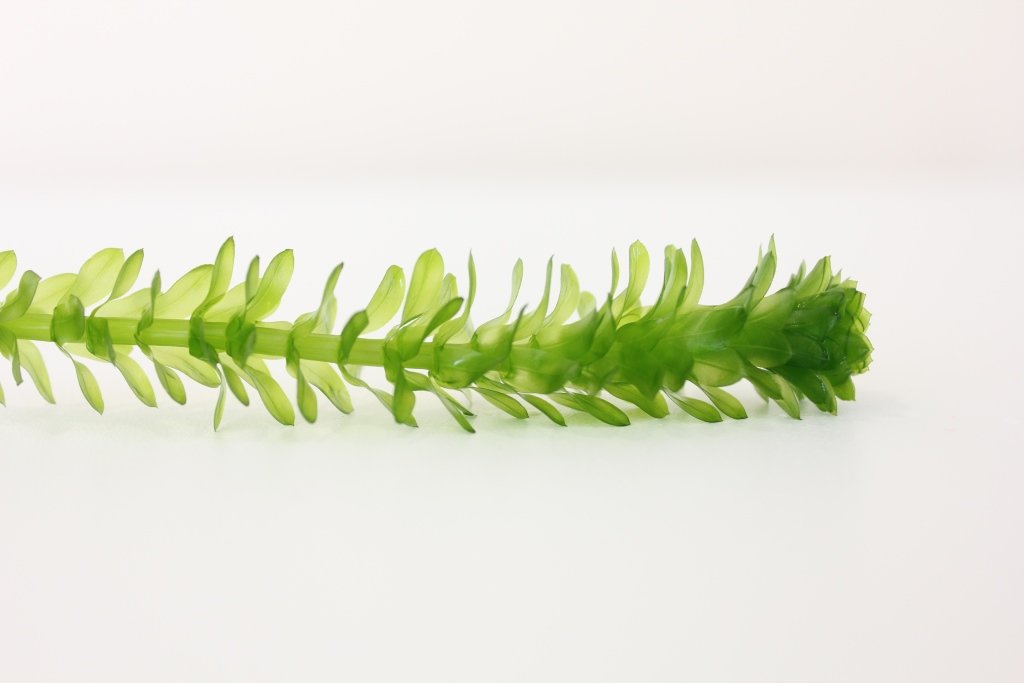
Elodea plant is a submerged freshwater plant grown in aquariums, ponds, and other calm water. It is easy to propagate from stem pieces, but it can spread quickly when conditions suit it.
TL;DR
- Elodea is a submerged aquatic plant that grows fully underwater.
- Elodea canadensis, also called Canadian waterweed, is a common species in North America.
- Give Elodea clean water, enough light, and room to grow.
- Stem fragments can produce new plants, so trim and dispose of unwanted pieces carefully.
- Never release aquarium plants into natural waterways.
What is the elodea plant?
The elodea plant is a perennial aquatic plant that grows underwater in freshwater. Elodea canadensis, commonly called Canadian waterweed, has narrow green leaves arranged in whorls around flexible stems.
Elodea grows in quiet or slow-moving water and can root into soft bottom sediment. The plant can also grow from loose stem fragments, which helps explain why it spreads so easily.
Elodea is often confused with hydrilla and Brazilian waterweed. One useful identification clue is the leaf arrangement. Common Elodea canadensis usually has three leaves in each whorl, while similar plants can have different leaf numbers or leaf shapes.
How do you care for an elodea plant?
Elodea plant care is simple when the plant stays fully submerged and receives enough light. For an aquarium, keep the stems underwater, provide steady light, and avoid sudden changes in water conditions.
| Need | Requirement |
|---|---|
| Water | Freshwater with stable conditions is suitable. |
| Light | Provide enough aquarium light for submerged plant growth. |
| Placement | Keep the stems fully underwater. |
| Substrate | Elodea can root in soft sediment, but loose stems can also grow without being firmly rooted. |
| Temperature | Canadian waterweed grows best in cool to moderate water. |
The United States Geological Survey lists an optimum water temperature of about 10-25°C for Elodea canadensis, although the plant can survive colder conditions and may continue growing slowly under ice.
In an aquarium, avoid placing Elodea where fish constantly uproot or damage the stems. If you want a planted look, push the lower part of a healthy stem into the substrate and leave enough stem above the substrate for new growth.
How does an elodea plant grow in an aquarium?
Elodea grows as long, flexible underwater stems with small leaves arranged around each stem. It can be grown as a rooted plant or allowed to float, depending on the aquarium setup.
Aquarium light supports photosynthesis, which is the process plants use to make food from light. Good water conditions also matter because Elodea absorbs nutrients from its surroundings.
Watch the stems rather than relying on a fixed trimming schedule. When they become too long or reach the surface, cut healthy sections and remove damaged or decaying parts.
A common mistake is leaving every cutting in the tank. Elodea can reproduce from fragments, so a small amount of pruning can turn into a large amount of plant growth if the cut pieces are left in place.
How do you propagate an elodea plant?
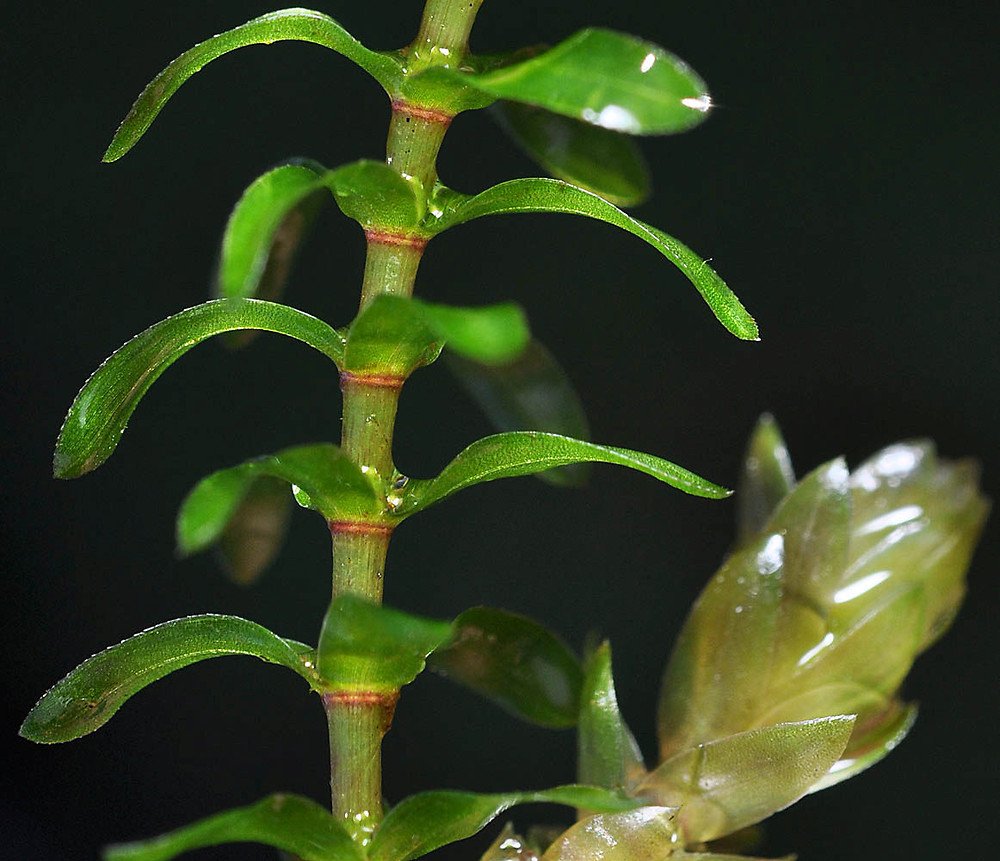
You can propagate an elodea plant by cutting a healthy stem and placing the cutting underwater. New growth can develop from the stem, allowing one plant to produce many new sections.
For aquarium propagation:
- Choose a healthy, green stem with several leaves.
- Cut a section several inches long with clean scissors.
- Place the cutting underwater.
- Anchor the lower end in the substrate if you want a rooted planting.
- Remove unwanted fragments so they do not spread through the aquarium.
Elodea canadensis also spreads naturally through stem fragments. The United States Geological Survey notes that seed formation is rare and that vegetative reproduction through stem pieces is an important way this species spreads.
This same trait makes Elodea useful for easy propagation and troublesome when it escapes into water where it does not belong.
Can you grow Elodea in a pond?
Yes, Elodea can grow in ponds, especially where the water is clear enough for light to reach submerged stems. Canadian waterweed commonly grows in fine bottom sediments and cool pond habitats.
A pond with moderate amounts of Elodea can provide underwater cover for aquatic insects and other wildlife. Penn State Extension also notes that dense growth can interfere with boating and fishing and that excessive aquatic plant growth can contribute to low dissolved oxygen under some conditions.
If Elodea becomes too dense, first look at the conditions that encourage excessive growth. High nutrient levels in pond water can contribute to overabundant aquatic vegetation.
Do not simply chop large amounts of Elodea and leave the pieces in the pond. The fragments can grow into new plants.
When should you avoid growing Elodea?
Avoid growing Elodea outdoors if local rules restrict the plant or if you cannot prevent it from escaping into natural water. Aquatic plants can spread between water bodies through small pieces carried by water, boats, equipment, or animals.
The risk also depends on the species. Elodea canadensis is native to much of North America, while some plants sold under similar common names, such as Brazilian waterweed, have different native ranges and invasive status.
Never dump aquarium water, plants, or livestock into a lake, stream, or drainage channel. Dispose of unwanted aquatic plants in a way that prevents them from reaching natural waterways.
Common mistakes with an elodea plant
- Giving the plant too little light can lead to weak or slow growth, so check the aquarium’s lighting before assuming the plant needs fertilizer.
- Letting loose cuttings accumulate can create unwanted spread because Elodea can regenerate from stem fragments.
- Confusing Elodea with hydrilla or Brazilian waterweed can lead to incorrect identification, so check the leaf arrangement before deciding which plant you have.
- Dumping unwanted Elodea into outdoor water can spread the plant beyond the place where it was grown.
- Cutting pond Elodea without collecting the fragments can make the problem worse because the pieces can regenerate.
Frequently asked questions about the elodea plant
What is an elodea plant?
An elodea plant is a submerged aquatic plant that grows underwater in freshwater. Elodea canadensis is commonly known as Canadian waterweed.
Can Elodea grow without soil?
Yes. Elodea can grow from loose stem sections and does not always need to be firmly rooted in substrate. In an aquarium, stems can be floated or anchored depending on the setup.
How fast does Elodea grow?
Growth depends on light, temperature, nutrients, water conditions, and species. Under suitable conditions, Elodea can produce enough new stem growth that regular trimming is needed.
Can Elodea live in a pond?
Yes. Elodea grows in ponds and other freshwater habitats when light and water conditions suit it. Check local regulations before introducing any aquatic plant to an outdoor water body.
How do you propagate Elodea?
Cut a healthy stem into sections and keep the cuttings underwater. Each suitable section can produce new growth.
Is Elodea the same as hydrilla?
No. Elodea and hydrilla are different plants, although they can look similar. Elodea canadensis commonly has three leaves in a whorl, while hydrilla has different identifying features.
Should I remove excess Elodea from a pond?
Remove excess growth when it interferes with pond use or creates ecological problems. Collect cut fragments rather than leaving them in the water, and address excess nutrients if they are contributing to heavy growth.