
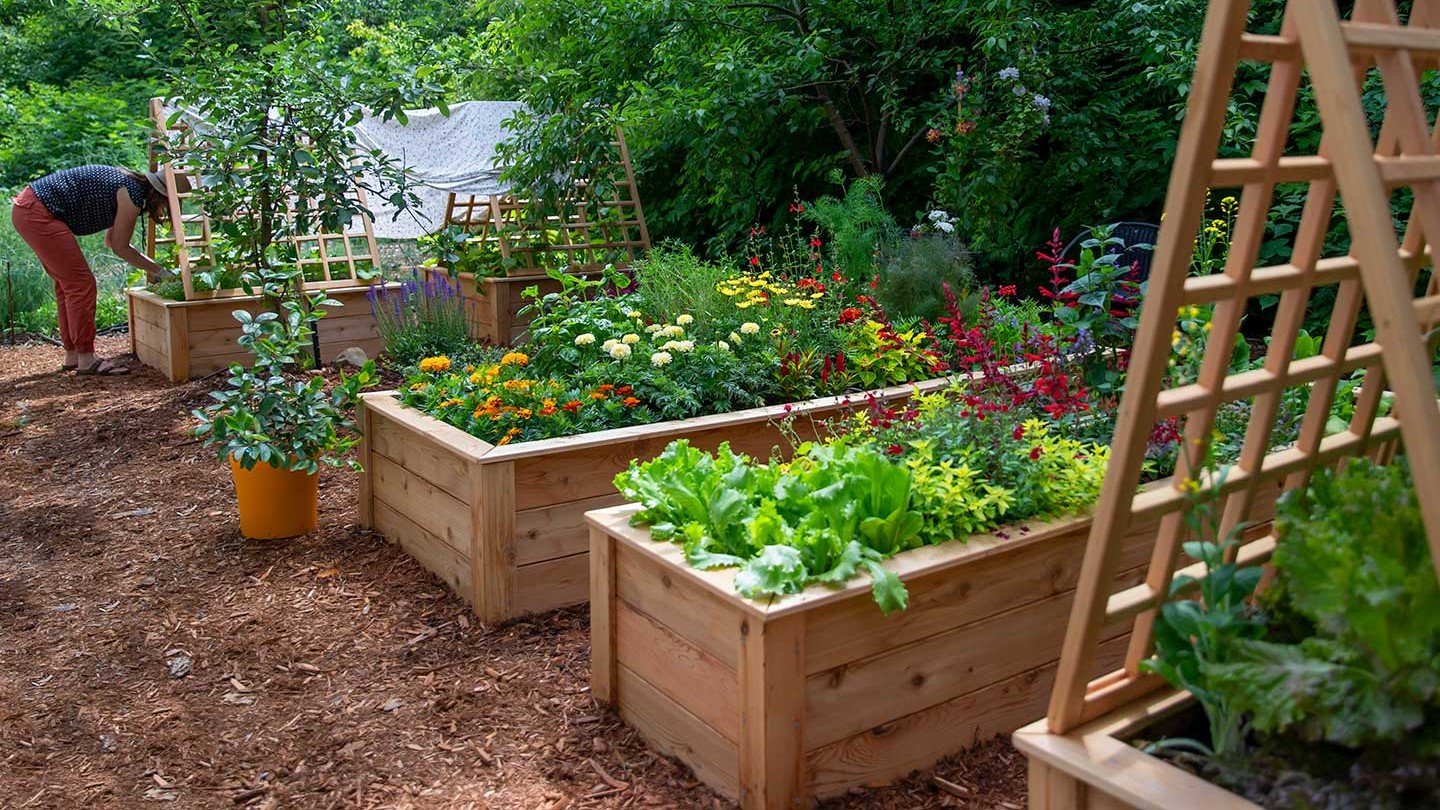
Easy home planting starts with a small, manageable setup rather than a large garden. Choose a suitable spot, use good-quality soil, plant at the right depth, and keep watering consistent. You can grow in containers, raised beds, or a small patch of ground.
TL;DR
- Start with one or two containers or a small planting area.
- Choose plants that match your available sunlight and local growing conditions.
- Use loose, well-draining soil and follow the planting depth on the seed packet or plant label.
- Water when the soil needs it rather than following a fixed schedule.
- Give new plants enough space, light, and airflow as they grow.
What is the easiest way to start planting at home?
The easiest way to start planting at home is to begin with a small space and a few plants that suit your conditions. A sunny balcony, windowsill, patio, doorstep, or small garden bed can all work.
Before buying plants, look at the space for a full day if possible. Notice how much direct sunlight it receives and whether rainwater tends to collect there.
If you are working with limited space, containers are often the easiest starting point. They let you control the soil and move plants when their light or weather conditions change.
For a first planting, choose just one or two types of plants. A small project is easier to water, observe, and adjust than a large collection of plants.
How do you choose a good place for home planting?
Choose a planting spot based on sunlight, drainage, access to water, and available space. The best location depends on what you want to grow.
Most edible plants need several hours of sunlight, while some leafy plants and ornamental plants can tolerate less direct light. Check the plant label or seed packet for its light needs before planting.
Good drainage also matters. Waterlogged soil can leave roots without enough air and can lead to root problems.
Keep new plants somewhere you can easily reach them. If a container is hidden behind other pots or furniture, regular watering can quickly become an afterthought.
A useful beginner rule is to make the planting area convenient. If you can see the plants when you pass by each day, you are more likely to notice dry soil, pests, damaged leaves, or new growth.
Should you use containers or garden soil?
Containers are a practical choice for easy home planting when you have limited outdoor space. Garden soil works well when you have a suitable planting bed with good drainage.
For containers, use a potting mix made for container plants rather than filling the pot with heavy soil from the ground. Make sure the container has drainage holes so excess water can escape.
Choose a container that gives the plant enough room for its roots. Very small pots dry out quickly, while a container that is far larger than the plant can make watering harder to manage.
If you are planting directly into the ground, loosen compacted soil before planting. Remove large stones and old roots, then add suitable organic matter if the soil needs improvement.
You do not need a large garden to begin. Three or four well-placed containers can provide enough space to learn the basics.
How do you prepare soil for easy home planting?
Prepare soil by making sure it is loose enough for roots to grow and drains excess water. The right soil also depends on the plant you are growing.
For most beginner plantings, a quality general-purpose potting mix is a practical choice for containers. Follow the product instructions rather than adding large amounts of extra fertilizer.
For garden beds, break up compacted areas and mix in suitable organic matter when needed. Avoid working very wet soil because it can become compacted.
If you are planting from seed, check the seed packet for instructions about planting depth and spacing. Some seeds need only a thin covering of soil, while others should be planted deeper.
Plant labels and seed packets are useful because they provide instructions for that particular plant. Use them as your starting point instead of applying the same planting method to every species.
How do you plant seeds or young plants?
Plant seeds or young plants at the depth and spacing recommended for that plant. Handle roots gently and water the planting area after planting.
For seeds, make a shallow hole or row according to the packet instructions. Place the seeds at the recommended depth, cover them lightly, and keep the soil evenly moist while they germinate.
For young plants, make a hole slightly wider than the root area. Place the plant at the same general depth it was growing in its original container unless the plant instructions say otherwise.
Firm the soil gently around the roots, then water thoroughly. Avoid pressing the soil down hard because compacted soil can restrict water and air movement.
Give each plant enough room to reach its mature size. Crowded plants compete for light, water, nutrients, and airflow.
How often should you water plants at home?
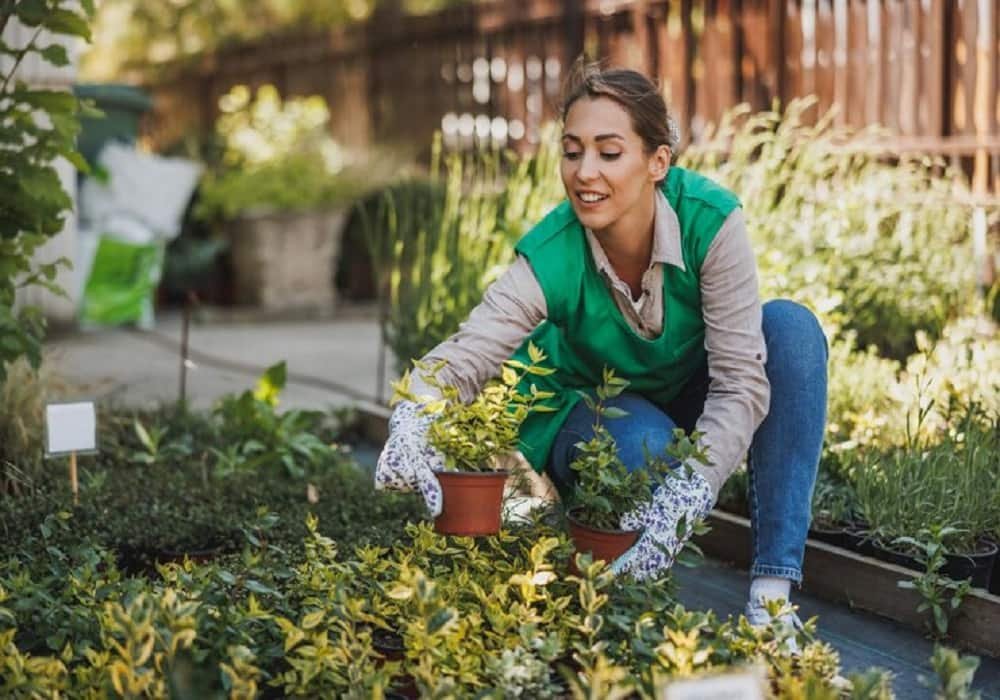
Water plants when the soil needs moisture rather than watering automatically every day. Temperature, sunlight, plant size, container size, and weather all affect how quickly soil dries.
Check the soil before watering. For many container plants, feeling the surface and checking a little below it can help you judge whether watering is needed.
When you water, apply enough to moisten the root area. In containers, water should be able to drain through the bottom.
Newly planted seeds and young plants usually need closer attention because their roots are small. Check them regularly while they become established.
A common beginner mistake is treating watering as a fixed calendar task. A pot in hot sun may dry much faster than one in a shaded, cool spot.
What are common home planting mistakes?
The most common home planting mistakes are choosing the wrong location, overwatering, planting too deeply, overcrowding, and starting with too many plants.
Here are a few ways to avoid them:
- Check light conditions before choosing a plant.
- Use containers with drainage holes.
- Follow the recommended planting depth.
- Leave enough space between plants.
- Check soil moisture before watering.
- Start with a small number of plants so you can learn their needs.
Your first planting does not need to be perfect. Watch how the plants respond and adjust your care as you learn what your particular space is like.
Which plants are good for beginners?
Good beginner plants are those that suit your available light, temperature, space, and level of care. The best choice varies by location.
For a small home planting project, consider plants that are commonly grown in containers or small beds in your area. Herbs, leafy vegetables, flowers, and compact ornamental plants can all be options when their growing conditions match your space.
Before choosing a plant, check three things: how much light it needs, how large it will become, and how often it needs water.
Local conditions matter more than a generic list of “easy” plants. A plant that grows well in one climate may struggle in another.
How can you keep home planting easy?
Keep home planting easy by building a routine around observation rather than a long list of chores. Check your plants regularly, remove damaged growth when appropriate, and respond to changes in soil moisture or light.
Start small. One healthy container that you understand is more useful for learning than ten neglected ones.
Keep basic supplies together so planting and watering are convenient. A small hand trowel, suitable containers, potting mix, labels, and a watering can are enough for many beginner projects.
Give yourself time to learn how your growing space behaves. After a few weeks, you will have a better idea of which areas dry quickly, which receive the most light, and which plants fit your routine.
Easy home planting FAQ
Can I start planting at home without a garden?
Yes. Containers, balconies, patios, windowsills, and other suitable spaces can support home planting when the plants receive the conditions they need.
What is the easiest way to start a home garden?
Start with one or two plants in containers or a small bed. Choose plants suited to your available light and local growing conditions.
Can I grow plants in pots indoors?
Yes, if the plant receives enough suitable light and the pot provides adequate drainage. Indoor conditions vary, so choose plants that match the light available.
How often should I water newly planted seeds?
Check the soil regularly and keep it appropriately moist for the plant you are growing. Avoid letting the seedbed become waterlogged.
Do I need fertilizer when I start planting at home?
Not always. Start with suitable growing media and follow the needs of the plant. Extra fertilizer is not automatically better and can cause problems when overused.
How many plants should a beginner start with?
A few plants are enough to learn the basics. Starting small makes it easier to notice watering, light, spacing, and growth problems early.