
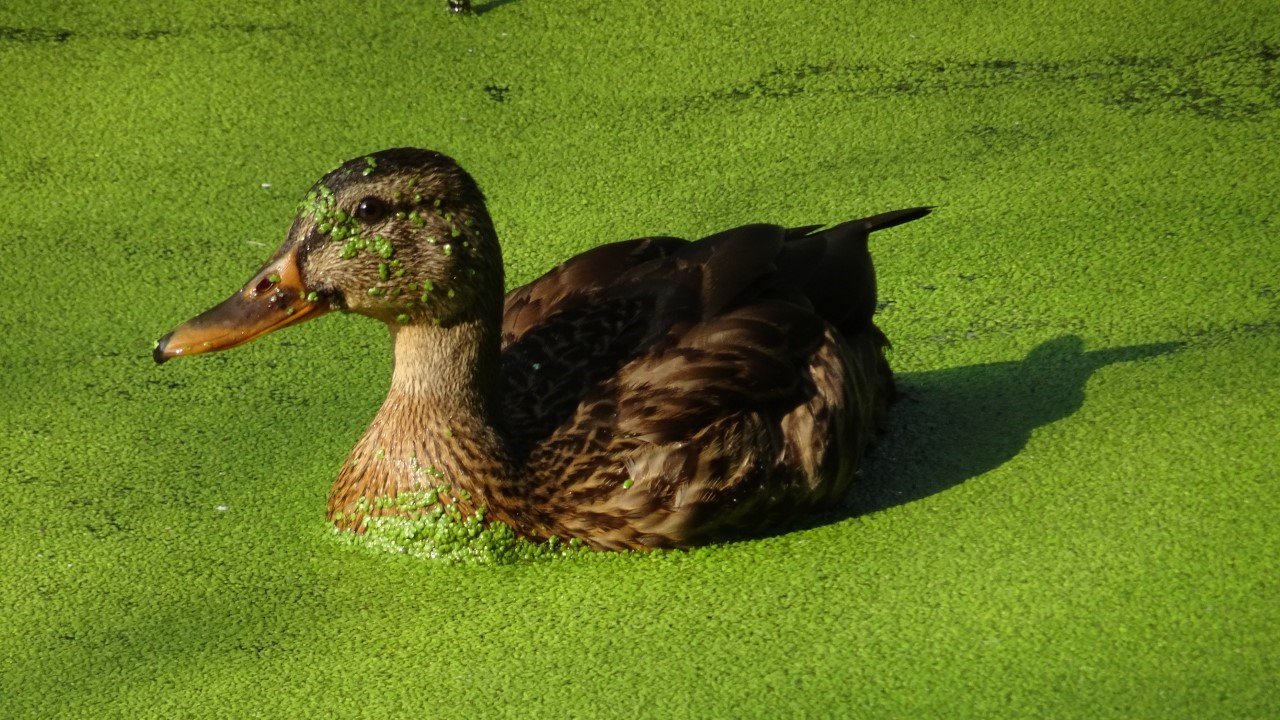
A duckweed plant is a tiny floating aquatic plant that grows on the surface of still or slow-moving water. It is easy to grow, spreads quickly, and can cover much of a pond when conditions suit it.
TL;DR
- Duckweed is a tiny floating aquatic plant that grows on the water surface.
- It needs water, light, and available nutrients to multiply quickly.
- A small amount can provide food and cover for pond wildlife.
- Too much duckweed can form a dense surface layer and become difficult to manage.
- Remove excess duckweed regularly if you want open water to remain visible.
What is a duckweed plant?
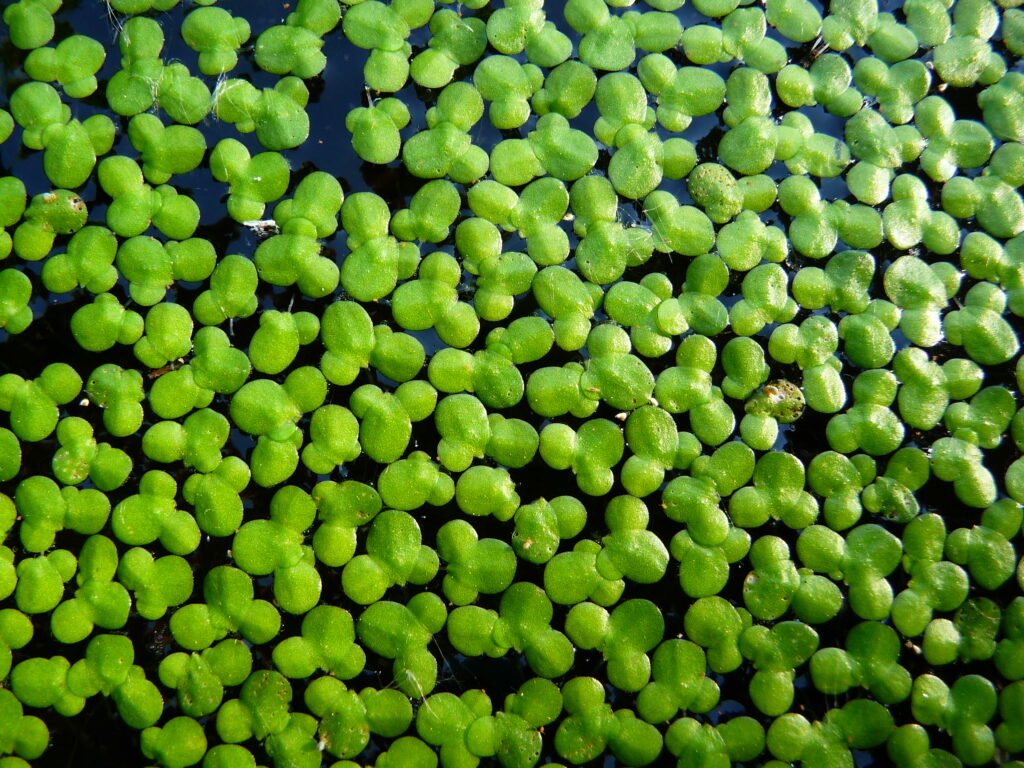
A duckweed plant is a very small free-floating aquatic plant with a simple body that floats on the water surface. Duckweed is a group of plants rather than one single species, and common duckweed is Lemna minor.
Unlike most garden plants, duckweed does not need soil or a planting pot. Its small green structures float directly on the water, with simple roots hanging below in some species. The United States Department of Agriculture describes duckweeds as free-floating aquatic plants that can form dense surface mats.
Duckweed spreads mainly by producing new plants from the parent plant. This allows a small starting population to multiply quickly when water conditions are favorable.
You may see duckweed in ponds, wetlands, quiet ditches, aquariums, or other areas with calm water. Moving water is less suitable because floating plants can be carried away or broken apart.
How does a duckweed plant grow?
A duckweed plant grows best in calm water with enough light and nutrients. The plants take nutrients from the water rather than from soil, so water conditions have a strong effect on how quickly they spread.
The United States Department of Agriculture Natural Resources Conservation Service notes that duckweeds can grow rapidly and absorb mineral nutrients such as nitrogen and phosphorus from the water. This helps explain why duckweed can spread quickly in water with a good supply of nutrients.
Duckweed also reproduces mainly by budding. New plants form from the parent plant, then separate and float away. Under favorable conditions, this can turn a few plants into a broad surface covering in a short time.
A useful way to picture duckweed is to think of each tiny plant as a floating leaf with its own small root system. Instead of growing upward from soil, it stays at the water surface and draws what it needs from the water around it.
How do you care for a duckweed plant?
Duckweed is simple to care for because it does not need soil, fertiliser, or a conventional pot. Give it clean, still water, suitable light, and enough nutrients for steady growth.
| Need | Requirement |
|---|---|
| Water | Use a pond, tub, or aquarium with calm water. |
| Light | Provide good natural light without allowing the water to become excessively hot. |
| Soil | Duckweed does not need soil because it floats and takes nutrients from the water. |
| Water movement | Keep movement gentle because strong flow can scatter the plants. |
| Nutrients | Duckweed grows faster when the water contains available nutrients. |
For a small container, check the water regularly and remove some duckweed when the surface becomes crowded. Leaving some open water makes it easier to see the condition of the water and prevents the plants from forming a solid layer.
If you are growing duckweed in an aquarium, make sure the floating plants do not cover the entire surface. Fish and other aquatic animals may need clear access to the surface, and aquarium equipment can work poorly when floating plants collect around it.
What are the benefits of duckweed in ponds?
Duckweed can provide food and surface cover for aquatic wildlife, and it can also take up nutrients from the water. The USDA Natural Resources Conservation Service reports that duckweeds are used as food by waterfowl and can absorb excess mineral nutrients from water.
A moderate amount can therefore have a useful place in a wildlife pond. The small floating plants can also create cover for some aquatic organisms.
The main issue is quantity. A thick layer of duckweed changes the appearance of a pond and can make it harder to see the water below. If your goal is an open ornamental pond, regular removal is usually easier than allowing duckweed to cover the entire surface.
How do you control too much duckweed?
The simplest way to control excess duckweed is to remove it from the water before it spreads across the whole surface. A fine pond net or similar tool can collect floating plants from the top of the water.
Remove enough to leave open water, then repeat the process as needed. Duckweed can return because small pieces or plants may remain in the pond.
Avoid moving excess duckweed into another pond, stream, or natural waterway. You can spread aquatic plants to places where they were not already growing.
The right level of control depends on the type of pond. Wildlife ponds can tolerate some duckweed, while a small ornamental pond may need more frequent removal.
When is duckweed a problem?
Duckweed becomes a problem when its growth is greater than the amount you want in the water. A dense floating mat can cover much of a pond and make the surface difficult to see.
The USDA Natural Resources Conservation Service notes that duckweed is generally useful in wetland settings but can be considered a problem in fish ponds or ornamental ponds. That difference matters because the same plant can be useful in one setting and unwanted in another.
If duckweed keeps returning quickly, look at the whole pond rather than removing plants alone. High nutrient levels can support rapid growth, so reducing nutrient inputs may help limit repeated heavy coverage.
Common mistakes with duckweed plants
- Adding a large amount of duckweed at once can leave little room for open water, so start with a small amount and watch how quickly it spreads.
- Letting duckweed cover the entire surface can make pond management harder, so remove excess plants regularly.
- Moving duckweed between ponds can spread the plant, so keep removed material away from natural waterways.
- Treating all duckweed species as identical can cause confusion because several species occur, so use the species name when exact identification matters.
Frequently asked questions about duckweed plants
What is a duckweed plant?
A duckweed plant is a tiny free-floating aquatic plant that grows on the surface of still or slow-moving water. Duckweed includes several species, including Lemna minor, commonly called common duckweed.
How fast does duckweed grow?
Duckweed can multiply quickly when light, water conditions, and available nutrients suit it. Growth speed varies with the species and growing conditions.
Does duckweed need soil?
No. Duckweed floats on water and takes nutrients from the water, so it does not need soil for normal growth.
Can duckweed grow in an aquarium?
Yes, duckweed can grow in aquariums when the water and light suit it. Remove excess plants if they begin to cover too much of the water surface.
Is duckweed good for ponds?
Duckweed can be useful in some ponds because it provides food and cover for wildlife and takes up nutrients from the water. Too much can become unwanted in ornamental or fish ponds.
How do I get rid of excess duckweed?
Use a fine net to remove the floating plants from the water and repeat the process as needed. Also check whether nutrient-rich water is encouraging repeated heavy growth.
Can duckweed survive in moving water?
Duckweed is better suited to calm water because its small floating plants can be displaced by strong currents. Ponds, quiet wetlands, and sheltered containers are more suitable than fast-flowing water.