
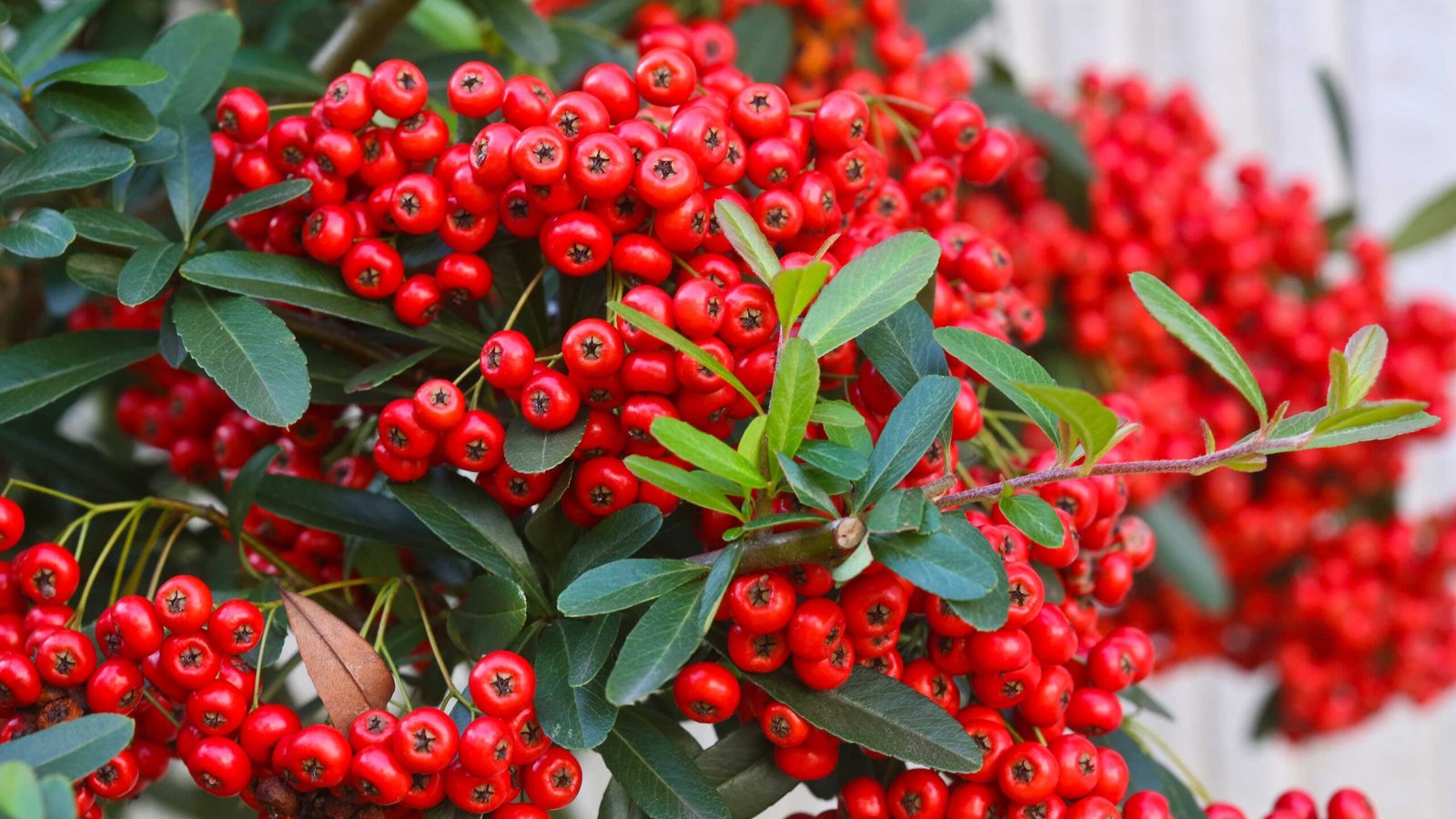
Cotoneaster is a group of shrubs and small trees grown for small flowers, colorful berries, and varied growth habits. A cotoneaster plant can work as ground cover, a hedge, a wall-trained shrub, or a larger garden shrub, depending on the species or cultivar.
TL;DR
- A cotoneaster plant grows best in full sun or partial shade and well-drained soil.
- Water new plants during dry periods while they establish, then reduce watering once roots are established.
- Different cotoneasters range from low ground covers to large shrubs, so check the mature size before planting.
- Prune after flowering or in spring when needed, depending on the plant’s growth habit.
- Keep berries away from people and pets because the RHS advises that they can be toxic when eaten in quantity.
What is a cotoneaster plant?
A cotoneaster plant belongs to the genus Cotoneaster in the rose family, Rosaceae. Cotoneasters include evergreen and deciduous shrubs, with forms ranging from low-growing ground covers to larger shrubs that can be trained as small trees.
The flowers are usually small and appear in spring or early summer. They are followed by clusters of berries, commonly red, orange, or yellow depending on the type. The Royal Horticultural Society lists 269 accepted species in its current growing guide, so there is no single size or shape that describes every cotoneaster plant.
This variety matters when choosing a plant. A low-growing cotoneaster can suit a slope or rock garden, while a taller type may work better as a hedge or border shrub. Some forms can also be trained against a wall or fence.
How to care for a cotoneaster plant
A cotoneaster plant generally needs good light, well-drained soil, sensible watering while young, and enough space for its mature size. Most types tolerate a range of soils, but very wet ground is a poor fit.
| Need | Requirement |
|---|---|
| Light | Full sun is best for flowering and berries, although partial shade is tolerated. |
| Soil | Use well-drained soil; avoid areas that stay waterlogged. |
| Water | Water thoroughly after planting and during dry spells while the plant establishes. |
| Feeding | Established plants in garden soil usually need little special feeding unless deficiency symptoms appear. |
| Pruning | Prune to control size and shape, with timing based on the type and flowering habit. |
| Container growing | Smaller cotoneasters can grow in containers with adequate drainage and root space. |
Light and position
Full sun gives a cotoneaster plant the best chance of producing plenty of flowers and berries. Partial shade is usually tolerated, but heavy shade can reduce flowering and fruiting.
Choose a position with enough room for the mature plant. Cotoneasters vary greatly in size, and planting a large shrub in a narrow space can create unnecessary pruning work later.
Soil and watering
Use soil that drains freely. Cotoneasters tolerate many soil types, but standing water around the roots can cause problems.
Water a newly planted cotoneaster plant thoroughly, then continue watering during dry periods as it establishes. The RHS advises that established plants are fairly drought tolerant and generally need extra water only during prolonged dry spells. Container-grown plants dry out faster, especially during hot weather, so check them more often.
Planting and mulching
Autumn or spring is a good time to plant a cotoneaster, provided the soil is workable and not waterlogged. If you buy one during summer, plant it promptly and keep the soil moist while it settles in.
Add organic matter to poor or very heavy soil before planting. A layer of compost or well-rotted organic matter around the plant can help the soil, but keep mulch away from direct contact with the woody stems.
When should you prune a cotoneaster plant?
Prune a cotoneaster plant when you need to control its size, maintain its shape, or remove unwanted growth. Many cotoneasters need little pruning once they are established.
For shrubs that need shaping, the RHS recommends pruning in spring or after flowering, depending on the plant. Removing long shoots can keep growth within bounds. Older, overgrown shrubs can respond to renovation pruning in early spring, although flowering may be lost for the following season.
Wall-trained cotoneasters need a little more attention. Tie suitable shoots to wires or trellis as they grow, then remove shoots that point away from the support or grow where you do not want them.
Before pruning a large shrub or hedge, check for nesting birds and delay the work if necessary.
Can you grow cotoneaster in a container?
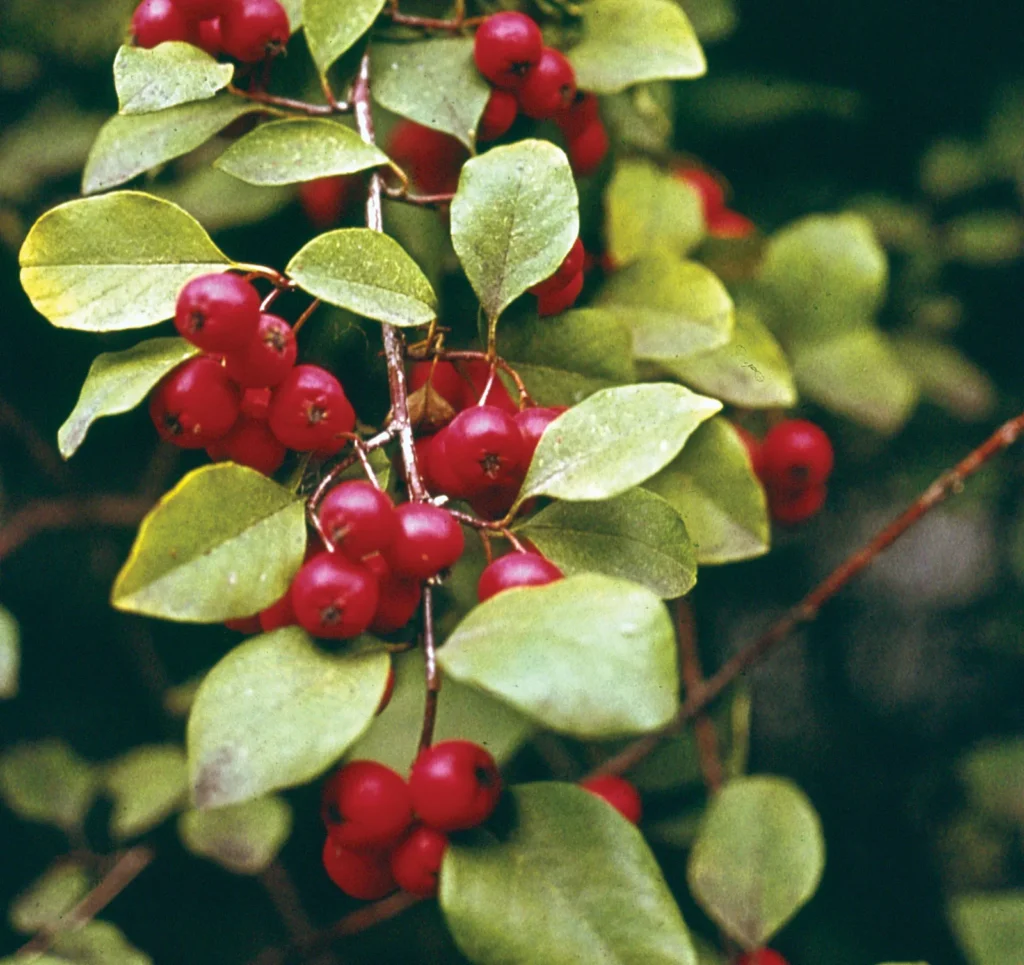
Yes, smaller cotoneaster plants can grow well in containers when the pot provides enough room for the roots and has good drainage. Container plants also need closer attention to watering because their growing medium dries faster than garden soil.
Choose a container suited to the plant’s current root system and expected growth. Repotting is generally needed less often than with many small container plants, and the RHS recommends spring for this work when the plant is coming into active growth.
Avoid choosing a large-growing cotoneaster for a permanently small pot. A plant that naturally wants to become a substantial shrub will require repeated pruning and may eventually outgrow the container.
How do you propagate cotoneaster?
Cotoneaster can be propagated from semi-ripe cuttings, seed, or layering, depending on the type and your goal. Semi-ripe cuttings are taken from healthy current-season growth in mid to late summer.
Growing cotoneaster from seed takes more patience. The plants can hybridize, so seedlings may differ from the parent plant. The RHS recommends sowing seed outdoors in autumn so natural cold conditions can help break seed dormancy. Germination may take several weeks to several months.
Layering is another option for suitable low branches. A branch can be pegged down against the soil and kept moist until roots form, after which it can be separated from the parent plant.
If you plan to propagate a named cultivar for sale, check whether plant breeder rights apply.
What problems affect cotoneaster?
Cotoneaster is generally straightforward to grow, but pests and diseases can occur. Common problems listed by the RHS include aphids, scale insects, cotoneaster webber caterpillars, fire blight, and honey fungus.
Start by checking the leaves and stems regularly. Distorted new growth, clusters of insects, damaged leaves, or unusual dieback can indicate a problem.
Good growing conditions also matter. Poor drainage, excessive shade, or prolonged drought can weaken a plant and make it harder to maintain healthy growth.
When is a cotoneaster plant not a good fit?
A cotoneaster plant is a poor choice for ground that stays wet or for a site where the mature size cannot be accommodated. It is also worth checking the exact species before planting near sensitive natural areas.
The RHS identifies several cotoneaster species as potentially invasive, including Cotoneaster bullatus, C. horizontalis, C. integrifolius, C. microphyllus, and C. simonsii. Local restrictions and environmental concerns vary by region, so identify the species before planting near open countryside or other sensitive habitats.
The berries also need care around children and pets. The RHS states that cotoneaster berries are toxic to humans and pets when eaten in quantity. Treat the berries as ornamental rather than edible.
Common mistakes with cotoneaster plants
- Planting in waterlogged soil can lead to poor establishment, so choose a site with reliable drainage.
- Ignoring mature size can leave a large cotoneaster cramped against a path, wall, or other plants.
- Giving an established plant frequent watering when the soil is already moist can create unnecessary wetness around the roots.
- Pruning at the wrong time can remove flowering wood, so check the growth habit before making a major cut.
- Assuming every cotoneaster behaves the same way can lead to poor plant selection because the genus includes very different forms.
Frequently asked questions about cotoneaster plants
Is cotoneaster an evergreen plant?
Some cotoneasters are evergreen, while others are deciduous. Check the species or cultivar before buying if year-round foliage matters.
Does cotoneaster need full sun?
Cotoneaster grows in full sun or partial shade, but full sun usually gives better flowering and berry production.
How often should I water a cotoneaster plant?
Water regularly while a newly planted cotoneaster establishes, especially during dry periods. Established plants usually need extra water only during prolonged dry weather.
Can cotoneaster grow in pots?
Yes, smaller varieties can grow in containers when the pot has good drainage and enough room for the roots. Large-growing types are better suited to the ground.
When should I prune cotoneaster?
Pruning time depends on the type, but spring or the period after flowering is commonly suitable. Avoid heavy pruning if you want to preserve the next season’s flowers.
Are cotoneaster berries edible?
No. Treat the berries as ornamental, not as food, because the RHS advises that they can be toxic to humans and pets when eaten in quantity.
Is cotoneaster invasive?
Some cotoneaster species can be invasive in certain regions. Check the exact species and local guidance before planting, particularly near natural or protected areas.