
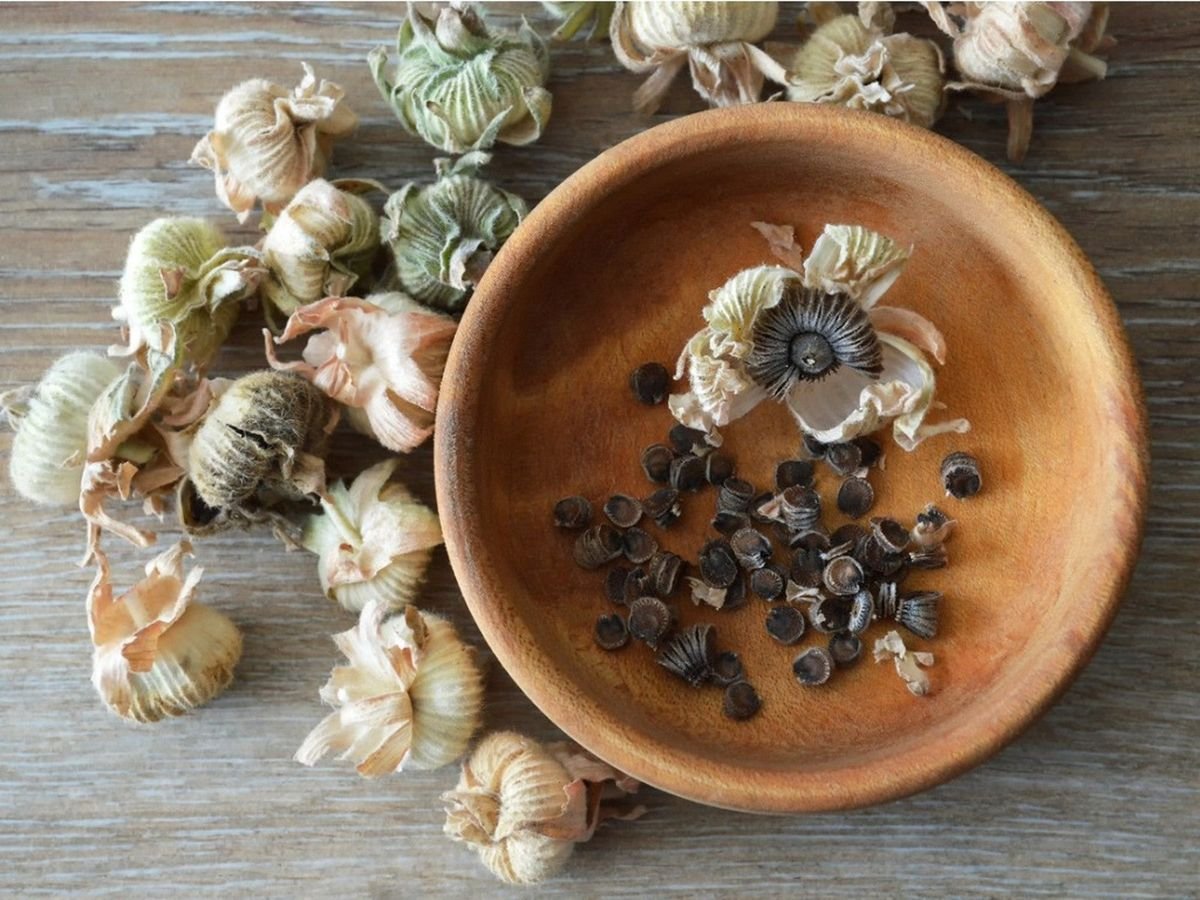
Hollyhock timing depends on whether you want blooms next summer or the summer after. This guide covers the exact windows for spring sowing, fall sowing, and starting seeds indoors, so you pick the right one for your garden.
TL;DR
- Direct sow outdoors about one week before your last spring frost, or 6-8 weeks before your first fall frost.
- Start seeds indoors 8-9 weeks before your last frost date if you want a head start.
- Fall-sown hollyhocks often bloom earlier the following summer than spring-sown ones.
- Hollyhocks are biennials, so most varieties won’t flower until their second year.
- Seeds need light to germinate, so press them into the soil surface instead of burying them.
Why hollyhock timing matters
Hollyhocks are biennial or short-lived perennial plants. That means a seed sown this spring typically spends its first year building leaves and roots, then flowers the following summer. Get the timing wrong and you can lose an entire growing season.
There are two workable windows: early spring, right around your last frost date, or late summer into early fall, several weeks before your first frost. Each has trade-offs, which is why picking the right one for your climate and patience level matters.
When to direct sow in spring
Direct sow hollyhock seeds outdoors about one week before your area’s last expected frost date. Press the seeds onto the soil surface and firm them down, but don’t bury them. Hollyhock seeds need light to germinate, so a light dusting of soil or none at all works best.
Spring-sown hollyhocks spend their first year growing foliage and roots. You likely won’t see flowers until the following summer. If you’re in a region with harsh winters, spring sowing is usually the safer bet since young seedlings have a full growing season to establish before cold weather returns.
Watch your local forecast closely. Planting too early into cold soil can prevent germination altogether, so it pays to wait for the soil to warm rather than rushing the calendar date.
When to direct sow in fall
Sow hollyhock seeds outdoors in late summer or early fall, roughly 6-8 weeks before your first expected frost. This gives seedlings enough time to germinate and put out a small rosette of leaves before winter sets in.
Fall sowing has a real advantage: plants that establish in fall often bloom earlier the next summer than plants started in spring, because they’ve had a head start on root development. Gardeners in milder climates, where winters don’t kill young seedlings, tend to favor this method.
Don’t wait too long into fall. Seeds sown too close to your first frost won’t have time to establish before cold weather stops growth, which weakens the plant going into winter.
When to start seeds indoors
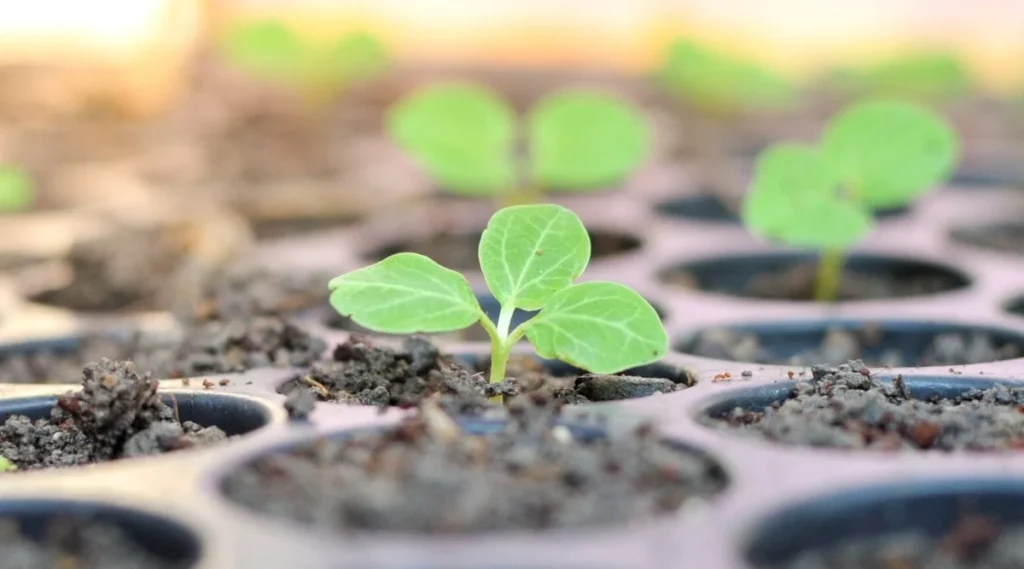
Start hollyhock seeds indoors 8-9 weeks before your last spring frost date. Use tall, individual pots rather than shallow trays. Hollyhocks develop long taproots early, and disturbing that root during transplanting can stunt or kill the seedling.
Keep the soil consistently moist and provide bright light once seedlings emerge. Harden them off for about a week before moving them outside, exposing them to outdoor conditions gradually so they don’t go into shock.
Move seedlings outdoors two to three weeks after your last frost date, once nighttime temperatures have stabilized. Starting indoors gives you a jump on the season, which some gardeners use to coax first-year blooms out of certain dwarf varieties.
What you need before you start
- Hollyhock seeds, fresh if possible, since older seed has lower germination rates.
- A planting site or containers with full sun and well-draining, moisture-retentive soil.
- Tall pots (if starting indoors) to accommodate the taproot.
- A reliable estimate of your average last and first frost dates for your area.
Common problems and how to fix them
| Problem | Likely cause | Solution |
|---|---|---|
| Seeds won’t germinate | Seeds buried too deep, blocking the light they need | Re-sow on the soil surface and press down without covering |
| No blooms the first year | Normal biennial cycle | Wait for the second summer, or choose a dwarf variety bred to bloom in year one |
| Leggy, weak seedlings started indoors | Not enough light | Move to a sunnier window or add a grow light |
| Seedlings die after transplant | Taproot damaged during the move | Start seeds in tall individual pots next time and transplant while seedlings are still small |
Frequently asked questions about planting hollyhock seeds
When should I plant hollyhock seeds outdoors?
Plant them about one week before your last spring frost, or 6-8 weeks before your first fall frost, depending on which season you’re sowing in.
Will hollyhocks bloom the first year?
Most varieties won’t. Hollyhocks are biennials, so they typically grow foliage the first year and bloom the second summer.
Is fall or spring better for planting hollyhock seeds?
Fall sowing often produces earlier blooms the following summer, but spring sowing is safer in regions with severe winters.
How long do hollyhock seeds take to germinate?
Germination usually takes 7 to 21 days, depending on soil temperature and variety.
Can I start hollyhock seeds indoors?
Yes. Start them 8-9 weeks before your last frost date in tall pots, then transplant outdoors two to three weeks after the last frost.
Summary
- Direct sow in spring about a week before your last frost, or in fall 6-8 weeks before your first frost.
- Start indoors 8-9 weeks before your last frost if you want a head start.
- Expect foliage the first year and blooms the second, since hollyhocks are biennial.
- Press seeds onto the soil surface rather than burying them, since they need light to germinate.
Sources
- Garden Gate Magazine – Hollyhock Seeds 101
- Eden Brothers – How to Plant Hollyhock Seeds
- Gardening Know How – Hollyhock Growing Guide