
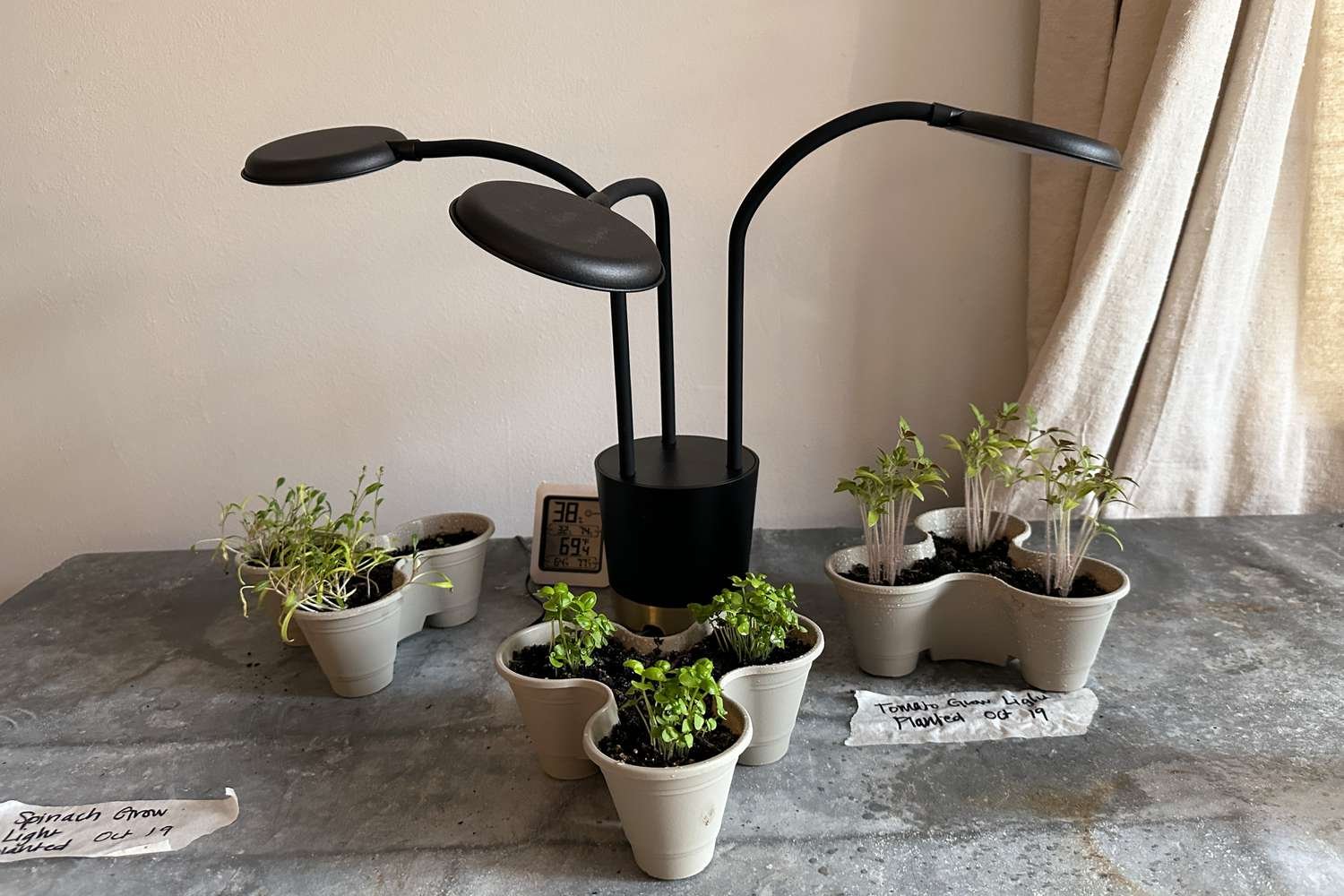
Most people searching “UV lamp for plants” are really looking for a grow light. This article explains the difference, when true UV exposure helps or hurts your plants, and what to buy instead if your goal is healthy growth.
TL;DR
- A UV lamp emits ultraviolet light, which plants use only in small amounts, mostly for pigment and stress response, not for photosynthesis.
- What most growers actually need is a full-spectrum grow light, not a UV lamp.
- Too much UV-B or UV-C can scorch leaves and damage plant tissue.
- Grow lights sold as “full spectrum” include a small UV component, but their main output is in the blue and red wavelengths plants use to photosynthesize.
- If your plant is stretching toward the window or looking pale, the fix is almost always more usable light, not UV specifically.
What is a UV lamp for plants?
A UV lamp is a light source that emits ultraviolet radiation, a wavelength range just outside what the human eye can see. Plants use a small amount of natural UV-A from sunlight, but they don’t rely on it to photosynthesize. Photosynthesis runs mainly on visible light, specifically the blue and red wavelengths.
True UV lamps, the kind sold for reptile tanks or sterilization, aren’t built for plant growth. They’re a different product from what most indoor gardeners actually need.
Why people confuse UV lamps with grow lights
Search interest in “UV lamp for plants” usually means one of two things: someone wants a light to help a houseplant survive a dim room, or someone read that UV light strengthens plants and wants to try it.
Both are reasonable instincts, but they point to different products. A grow light is designed to replace or supplement sunlight for photosynthesis. A UV lamp is designed to emit ultraviolet wavelengths specifically, which plants use only in small doses for things like pigment production and pest resistance, not as their main energy source.
If your plant isn’t getting enough light to grow well, a grow light solves that. A UV lamp alone won’t.
What UV light actually does for plants
Plants do respond to small amounts of natural UV-A, the mildest form of ultraviolet light. In low doses, it can:
- Encourage slightly thicker, more resilient leaves
- Boost production of protective pigments, which is part of why some plants develop deeper color under strong natural light
- Trigger mild stress responses that some growers believe improve flavor in edible plants, though this varies by species
None of this replaces photosynthesis. Chlorophyll absorbs light mainly in the blue (400-500nm) and red (600-700nm) ranges, called PAR, or photosynthetically active radiation. UV falls outside most of that range and contributes very little to actual growth.
When UV exposure hurts plants
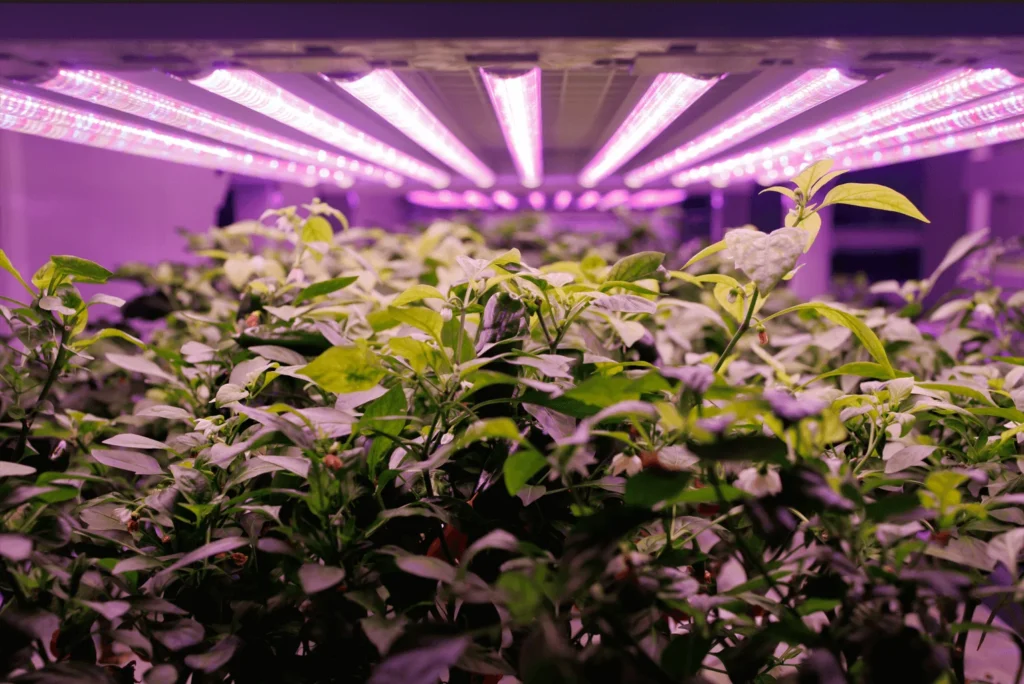
UV-B and UV-C, the stronger forms of ultraviolet light, are a different story. These wavelengths can damage plant cells the same way they damage human skin.
Signs of UV overexposure include:
- Bleached or white patches on leaves, especially the side facing the light
- Crispy, brown leaf edges that appear suddenly rather than gradually
- Stunted new growth after a light source is introduced or moved closer
If you’re using a UV lamp intended for reptiles or sterilization near your plants, keep it well away from foliage or avoid it entirely. Those lamps aren’t calibrated for plant tolerance.
What to use instead: full-spectrum grow lights
For nearly every houseplant, what actually helps is a full-spectrum LED grow light. These are built to mimic the blue and red wavelengths plants use for photosynthesis, with only a small UV component, if any.
When shopping, look for:
| What to check | Why it matters |
|---|---|
| Spectrum labeled “full spectrum” or “6500K” | Matches the blue-heavy light plants use during active growth |
| Wattage appropriate for your space | Low-wattage lights won’t reach plants more than a foot or two away |
| Adjustable height or timer | Lets you match light exposure to the plant’s actual needs without guesswork |
Set most grow lights 12-24 inches above the plant, running 10-14 hours a day depending on the species. Low-light plants like pothos need less; fruiting or flowering plants need more.
Common mistakes with UV and grow lights
- Buying a reptile UV lamp for plants: these emit UV-B at levels meant for basking reptiles, which can be too intense for foliage. Use a light actually marketed for plant growth.
- Placing any grow light too close: even full-spectrum LEDs can scorch leaves at close range. Start further away and move closer gradually while watching for stress signs.
- Assuming more light always helps: plants that get too many hours of light without a dark period can stop flowering or show signs of stress. Match hours to what the species needs.
Frequently asked questions about UV lamps for plants
Do plants need UV light to grow?
No. Plants photosynthesize using mostly blue and red light, not UV. Small amounts of natural UV-A can support pigment and stress responses, but it isn’t required for basic growth.
Can I use a reptile UV lamp on my houseplants?
It’s not recommended. Reptile UV-B lamps are calibrated for basking animals and can be too strong for plant tissue, leading to leaf bleaching or scorch marks.
What’s the difference between a UV lamp and a grow light?
A UV lamp emits ultraviolet wavelengths specifically. A grow light is designed to supply the blue and red wavelengths plants use for photosynthesis, usually with little to no UV output.
How do I know if my plant needs a grow light?
Signs include leggy, stretched growth reaching toward a window, pale or yellowing leaves, and slowed growth during the growing season. These usually point to insufficient usable light, not a lack of UV.
How far should a grow light be from my plants?
Most full-spectrum LED grow lights work well 12-24 inches above the foliage, but check your specific light’s wattage, since stronger lights need more distance to avoid scorching leaves.