
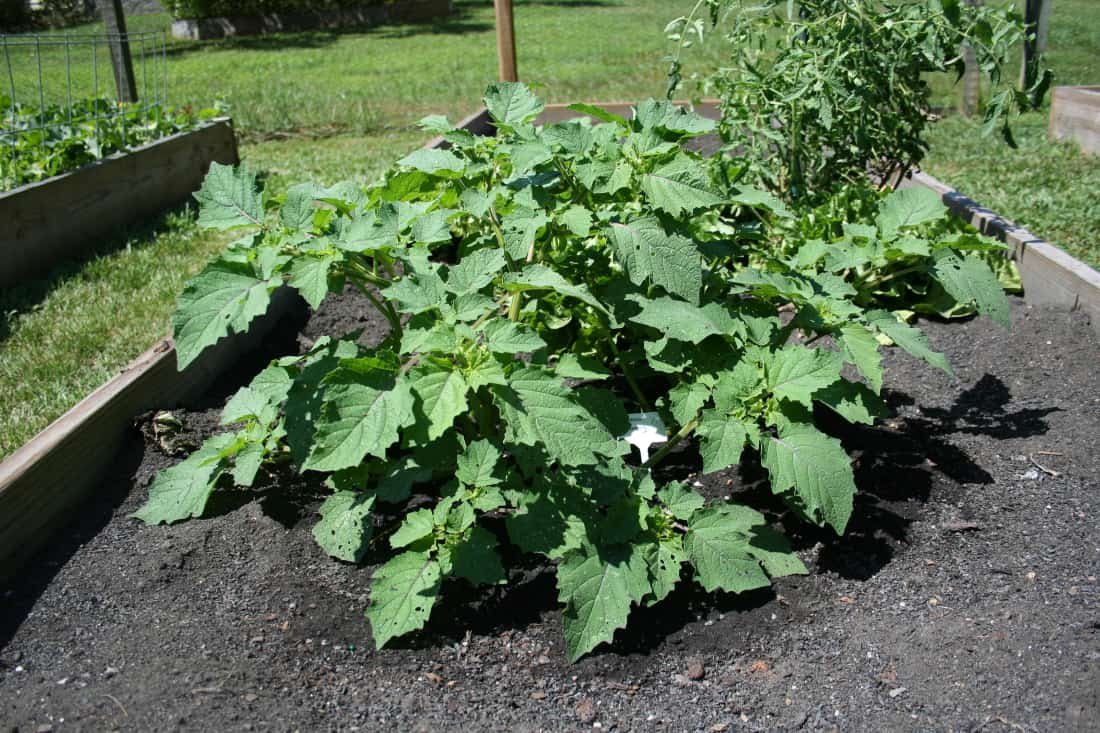
Ground cherries plants produce small, sweet fruits wrapped in papery husks that turn tan as the fruit ripens. These warm-season plants are related to tomatoes and tomatillos, and they grow well in sunny garden beds or large containers with well-drained soil.
TL;DR
- Ground cherries need full sun, warm soil, and regular watering to produce healthy fruit.
- Start seeds indoors six to eight weeks before your last expected spring frost.
- Give spreading plants plenty of room, or grow them in large containers.
- Harvest the golden fruits when their husks turn tan and papery and the berries fall to the ground.
- Eat only fully ripe fruit, as unripe fruit and other plant parts can be poisonous.
What are ground cherries plants?
Ground cherries plants belong to the Physalis genus in the nightshade family, which also includes tomatoes, peppers, and eggplants. The common garden ground cherry, often Physalis pruinosa, produces small, round fruits inside loose, papery husks.
The plants usually grow low and spread outward rather than forming tall, upright stems. Their yellow-orange fruits have a sweet flavor that many people compare to pineapple, grape, or tomato with a fruity finish.
Ground cherries are different from the cherries that grow on trees. Their name comes from the way ripe fruits drop to the ground, still protected by their husks.
Gardeners grow them for fresh eating, homemade jam, pies, sauces, and dried fruit. They are also useful for anyone who wants to try an unusual fruit crop without planting a tree or large shrub.
How to grow ground cherries from seed
Start ground cherry seeds indoors six to eight weeks before the last expected spring frost. These plants need warmth to germinate, so wait until outdoor soil has warmed before moving seedlings into the garden.
Follow these steps to give young plants a healthy start.
- Fill small pots or seed trays with a fine, well-drained seed-starting mix.
- Sow the seeds about ¼ inch deep, following the depth on the seed packet.
- Keep the mix evenly moist and warm while the seeds germinate.
- Place seedlings in a bright location after they emerge, and provide enough light to prevent weak, stretched growth.
- Harden off the seedlings by gradually exposing them to outdoor conditions over several days.
- Transplant them outdoors after frost danger has passed and the soil is warm.
Ground cherry seeds can take longer to sprout than tomato seeds, so avoid discarding the pots too soon. Keep the growing mix moist without leaving the roots in soggy soil.
You can also sow seeds directly outdoors in a warm climate with a long growing season. However, starting indoors gives the plants more time to develop before the main fruiting period.
How to care for ground cherries plants
Ground cherries plants need sunlight, steady moisture, and fertile soil with good drainage. Their spreading growth habit makes spacing especially important, since crowded plants are harder to water and harvest.
| Growing need | What to provide |
|---|---|
| Light | At least six hours of direct sunlight daily. |
| Soil | Loose, fertile soil that drains freely. |
| Water | Deep, regular watering when the soil begins to dry. |
| Spacing | About 2 to 4 feet between plants, depending on the variety and growth habit. |
| Temperature | Warm conditions and protection from frost. |
| Fertilizer | Compost or a light application of balanced fertilizer when needed. |
Sunlight and soil
Choose a sunny bed that receives at least six hours of direct light each day. Ground cherries can tolerate some light shade, but a sunnier position generally supports better fruit production.
Prepare the soil with mature compost before planting. Avoid areas where water collects after rain, as soggy soil can damage roots and encourage disease.
Watering and feeding
Water deeply enough to moisten the root zone. Check the soil during hot or dry weather, and water more often if the plants grow in containers.
Mulch around the plants with straw or another suitable organic material. Mulch helps the soil hold moisture and makes fallen fruits easier to spot.
Ground cherries do not need heavy feeding. Too much nitrogen can encourage leafy growth at the expense of fruit, so use fertilizer sparingly and follow the product label.
Spacing and support
Allow ground cherries to spread across the bed without crowding neighboring plants. Many varieties grow around 1 to 3 feet tall, but their branches can extend much farther sideways.
A tomato cage or simple support can help keep branches contained. You can also grow ground cherries in large pots placed on a patio or another firm surface, which makes collecting fallen fruit easier.
When do ground cherries produce fruit?
Ground cherries usually begin producing ripe fruit in late summer in temperate climates, although the timing depends on the variety, planting date, and growing conditions. Many crops begin ripening around 10 to 11 weeks after transplanting outdoors.
The plants produce small, pale yellow flowers before forming green fruits inside their husks. As the fruit matures, the husk changes from green to straw-colored or tan and becomes dry and papery.
Fruit production can continue over several weeks rather than finishing all at once. Check beneath the plants regularly once the first ripe berries begin to fall.
In warm climates, planting dates may differ from those used in frost-prone regions. Choose a season when the plants can grow in warm conditions without exposure to cold weather.
How to harvest and store ground cherries
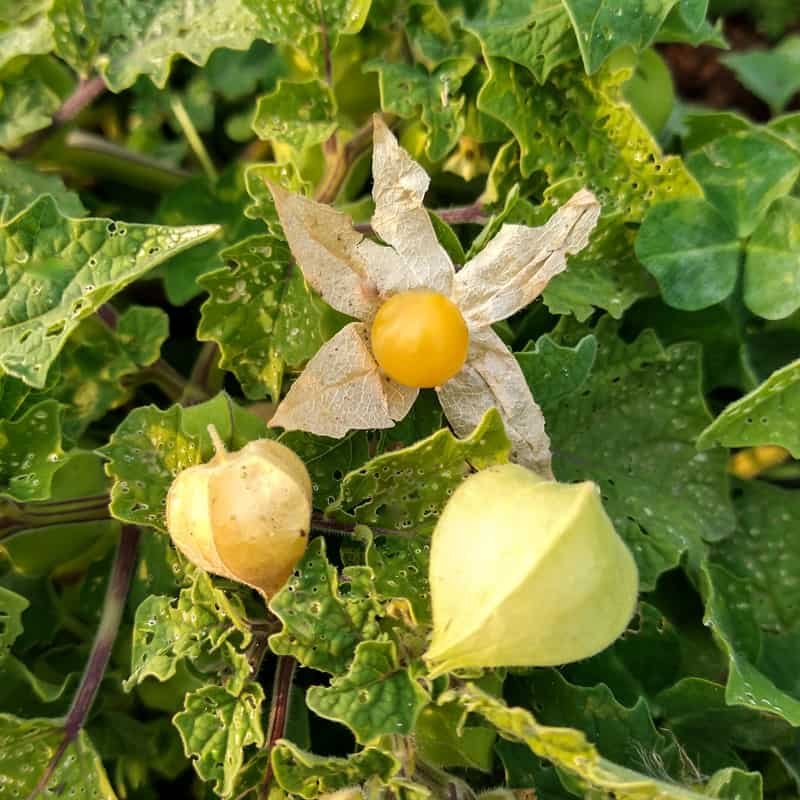
Harvest ground cherries when the fruit is fully ripe, usually after it falls naturally from the plant. Look for golden-yellow to orange fruit enclosed in dry, tan husks.
Gather fallen berries every day or two during the main harvest period. Remove leaves and damaged fruit, then open the husks to inspect the berries before eating them.
Do not eat green, unripe ground cherries. Some fruits may fall before they are ready, so check their color and maturity rather than assuming every fallen berry is safe to eat.
For storage, keep sound fruit inside its husk and place it in a cool, dry location with good airflow. Remove damaged or moldy berries promptly, and refrigerate fruit if you need to keep it for longer under your usual kitchen conditions.
You can eat ripe ground cherries fresh or use them in:
- Fruit salads and breakfast bowls.
- Pies, cakes, and other baked treats.
- Jams, preserves, and sauces.
- Dried fruit mixtures.
Wash the edible fruit before eating or cooking it.
Common problems when growing ground cherries
Ground cherries are generally straightforward to grow, but poor growing conditions can reduce fruit production or make harvesting harder.
| Problem | Likely cause | What to do |
|---|---|---|
| Seeds fail to sprout | Cold soil, old seed, or excessive moisture. | Use fresh seed, provide warmth, and keep the mix moist rather than wet. |
| Plants grow lots of leaves but produce little fruit | Excess nitrogen or insufficient sunlight. | Reduce feeding and move container plants to a sunnier position. |
| Flowers or young fruits drop | Water stress or unsuitable growing conditions. | Keep soil moisture more consistent and avoid sudden drying. |
| Fruit remains green | The fruit needs more time to mature. | Leave it on the plant until the husk and fruit change color. |
| Plants spread into nearby beds | Fallen fruit has produced volunteer seedlings. | Collect ripe berries regularly and remove unwanted seedlings. |
Ground cherries can also attract some of the insects and diseases that affect tomatoes. Check leaves and stems regularly, and remove badly damaged plant material when needed.
One common surprise is how readily ground cherries can reseed themselves. Missed fruits may produce new plants the following season, so containers or careful harvesting can help keep them contained.
Are ground cherries plants suitable for containers?
Yes, ground cherries grow well in containers when the pots are large enough to support their roots and spreading branches. Choose a sturdy pot with drainage holes and fill it with a quality potting mix.
Place the container where the plant receives plenty of direct sunlight. Water whenever the mix begins to dry, checking more often during hot weather because pots lose moisture faster than garden beds.
Keep the container on a patio, paved area, or another surface where fallen berries are easy to collect. This also helps limit unwanted seedlings in nearby beds.
Avoid using a very small pot, since restricted root space can make watering difficult and limit plant growth. A wider container is often more practical than a narrow, tall one for a plant that spreads sideways.
Frequently asked questions about ground cherries plants
How long does it take ground cherries to grow?
Ground cherries often begin producing ripe fruit about 10 to 11 weeks after outdoor transplanting. Cool weather, limited sunlight, and the variety can change this timing.
Do ground cherries come back every year?
Most commonly grown garden ground cherries are treated as annuals, especially in places with cold winters. They may reappear from fallen seeds, so new seedlings can grow the following season.
Can I grow ground cherries in pots?
Yes. Use a large pot with drainage holes, provide full sun, and water regularly. Place the pot on a surface where you can easily collect ripe fruit.
Are ground cherries safe to eat?
Only fully ripe fruit should be eaten. Unripe fruit and other plant parts can be poisonous, so discard green berries and avoid eating leaves or stems.
Why are my ground cherries not turning yellow?
The fruits may still be immature, or the plants may lack suitable warmth and sunlight. Give the fruit more time to ripen and maintain steady moisture while avoiding excess fertilizer.
Should I prune ground cherry plants?
Routine heavy pruning is usually unnecessary. Remove damaged branches if needed, and use a cage or other support to control sprawling growth.
How do I stop ground cherries from spreading?
Collect fallen fruit regularly before it can produce seedlings. Growing the plants in containers and removing unwanted volunteer plants can also help control their spread.
Is this conversation helpful so far?