
SEO Title: Grape Plant Trellis: How to Build and Train Grapevines
Meta Description: Learn how to choose, build, and maintain a grape plant trellis to support healthy vine growth, improve airflow, and make pruning easier.
Grape Plant Trellis: How to Build and Train Grapevines
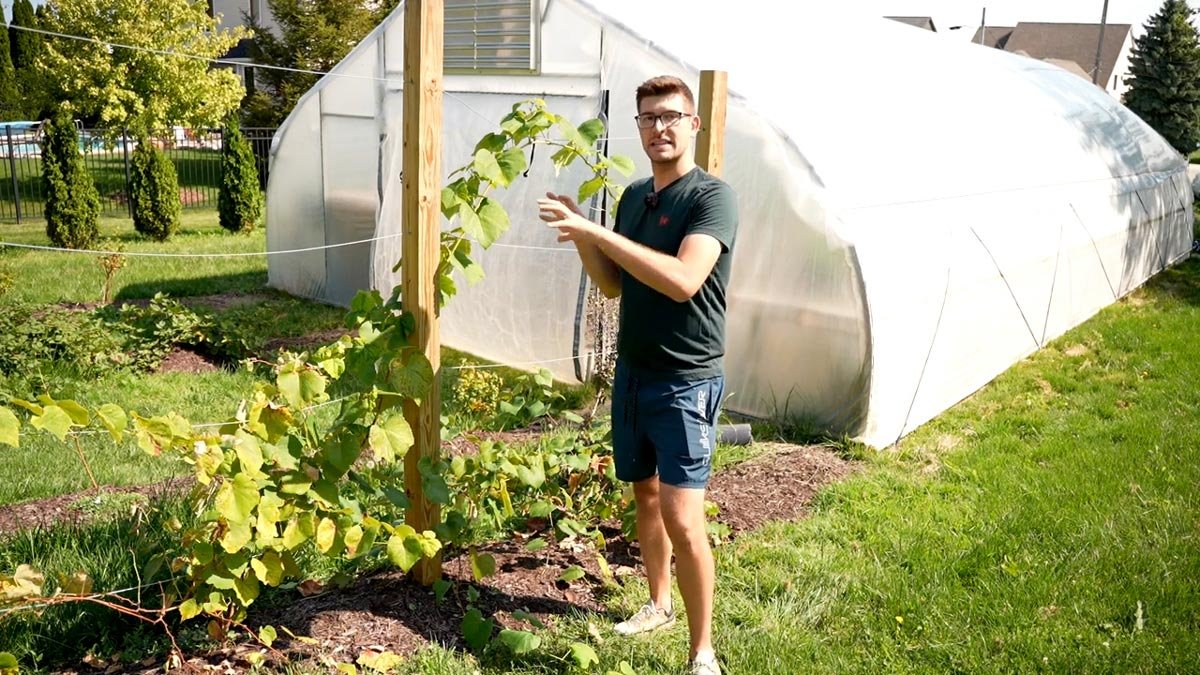
A grape plant trellis gives grapevines the support they need to grow upright, spread their shoots, and produce fruit in an orderly space. With the right structure, you can guide new growth, improve airflow around the leaves, and make pruning and harvesting easier. Whether you are planting grapes in a backyard garden or growing several vines in a row, choosing a suitable trellis is an important step toward healthy growth.
What Is the Best Trellis for a Grape Plant?
The best trellis depends on your grape variety, available space, and preferred pruning method. Grapevines need a sturdy support system because mature growth and fruit can place considerable weight on wires and posts.
Single-Wire Trellis
A single-wire trellis uses strong posts connected by one horizontal wire. It can work well for some grape varieties and simple garden setups. The vine’s trunk grows toward the wire, where permanent arms and fruiting shoots can be trained.
Two-Wire Trellis
A two-wire trellis provides additional room to spread shoots. The wires may be placed at different heights or used to guide growth on either side of the trunk. This design can help keep the vine organized and make seasonal pruning more manageable.
Arbor or Pergola Trellis
An arbor or pergola supports grapevines overhead, creating a shaded garden feature. It needs strong construction because the framework must carry the weight of mature vines. This option is suitable when you have enough room and want to grow grapes over a seating area or walkway.
For a small home garden, a simple post-and-wire trellis is often a practical starting point. Check the growth habit of your grape variety before settling on a design.
What Materials Do You Need for a Grape Plant Trellis?
Choose materials that can withstand outdoor conditions and support the mature vine.
Common materials include:
- Sturdy posts: Use durable wood or metal posts that can hold the tension of the wires.
- Trellis wire: Galvanized wire is a common choice for outdoor grape supports.
- End-post anchors: Anchors or braces help keep the end posts stable as the wire is tightened.
- Fasteners: Use suitable staples, clips, or wire attachments to secure the wire.
- Measuring tape and tools: These help you position the posts and install the support evenly.
The length and spacing of the posts depend on your trellis design, soil conditions, and the number of vines. Make sure the structure is firmly installed before training the grapevine onto it.
How to Build a Grape Plant Trellis
Building a grape trellis is easier when you plan the layout before planting or training the vine.
1. Choose a Suitable Location
Select a sunny spot with good drainage and enough room for the vine to grow. Grapes generally perform best with plenty of sunlight and air circulation. Leave enough space around the trellis to prune, inspect, and harvest the plant comfortably.
2. Set the Posts
Place strong posts at each end of the planned row. For longer trellises, add intermediate posts to prevent the wires from sagging. Set the posts securely in the ground and brace the end posts where needed.
The correct depth and spacing depend on post size, soil type, and the expected weight of the mature vines.
3. Attach the Wires
Secure the wire to the posts at the heights required by your chosen trellis design. Keep the wire tight enough to support the vine without placing excessive strain on the posts. Use suitable fasteners and check that no sharp wire ends are exposed.
4. Plant and Water the Grapevine
Plant the grapevine according to the nursery’s instructions for your variety and local growing conditions. Water it thoroughly after planting and keep the soil appropriately moist while the roots establish.
5. Guide the Young Vine
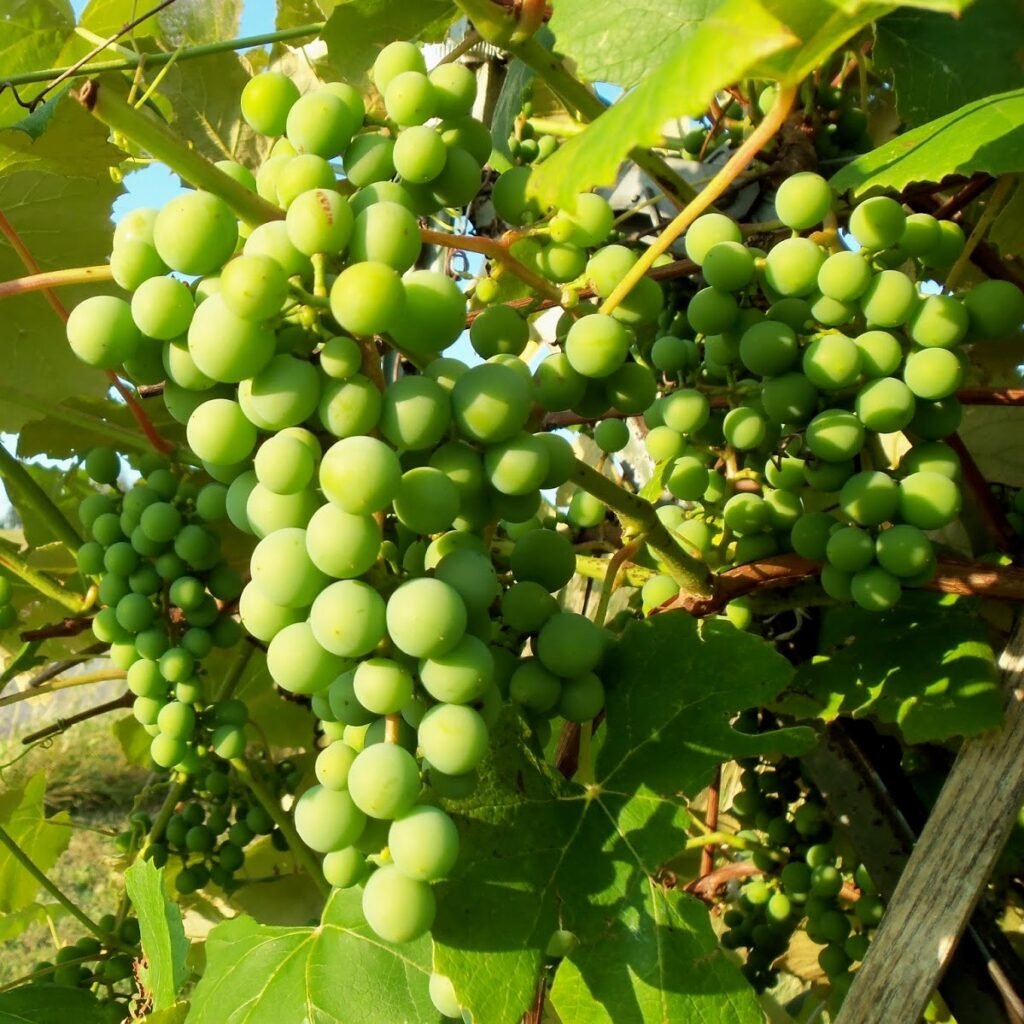
Place a stake or temporary support near the plant to guide its main shoot upward. As the vine grows, tie it loosely to the support using soft plant ties. Avoid tight knots that could damage the stem.
How to Train a Grapevine on a Trellis
Training shapes the grapevine so that its trunk, arms, and fruiting shoots grow where you want them. Begin while the plant is young, then maintain the structure through regular pruning.
Train a Strong Main Trunk
Choose a healthy shoot to become the main trunk. Guide it upward toward the trellis wire, securing it loosely as it grows. Remove competing shoots when appropriate so the plant can develop a clear framework.
Establish the Permanent Arms
When the trunk reaches the intended training wire, guide suitable shoots horizontally along the wire if your chosen system uses permanent arms. Tie them gently and check them as they lengthen.
The exact training method depends on the grape variety and trellis design. Follow a system suited to the cultivar rather than forcing every vine into the same shape.
Tie Shoots Without Restricting Growth
Use soft ties and leave enough room for the stem to thicken. Check ties during the growing season and loosen or replace any that begin to dig into the vine.
Prune to Maintain the Shape
Grapevines usually need annual pruning to manage growth and encourage fruit production. Many varieties are pruned during dormancy, but the appropriate method depends on whether the cultivar fruits on short spurs or longer canes.
Learn the recommended pruning method for your grape variety before removing large amounts of growth.
How Do You Maintain a Grape Trellis?
Regular checks help keep the trellis safe and functional as the vine matures.
- Inspect the posts: Look for leaning posts, rot, loose anchors, or other signs of weakness.
- Check the wire tension: Tighten or repair sagging wires as needed.
- Review plant ties: Replace ties that are too tight or are damaging stems.
- Remove unwanted growth: Prune according to your grape variety and training system.
- Monitor airflow: Keep shoots arranged so leaves do not become excessively crowded.
- Check after severe weather: Strong winds and heavy rain can loosen supports or damage the structure.
A quick inspection during routine garden care can help you identify small problems before they become larger repairs.
What Are Common Grape Trellis Mistakes?
Avoiding a few common mistakes can make growing grapes easier.
Using weak posts: Lightweight posts may lean or fail as the vine becomes larger. Choose supports suited to the mature plant.
Spacing the wires poorly: Wires placed at unsuitable heights can make training and pruning difficult. Plan the layout around the chosen training system.
Tying shoots too tightly: Tight ties may restrict growth or injure stems. Use soft ties and inspect them regularly.
Ignoring pruning: A grapevine left unmanaged can become crowded, making it harder to maintain the structure and harvest fruit.
Choosing a trellis without considering the variety: Different grape varieties may need different training and pruning methods. Check the needs of your cultivar before building.
Frequently Asked Questions
How tall should a grape plant trellis be?
The ideal height depends on the grape variety, training system, and available space. Many garden trellises place the main support wire at a convenient height for training and pruning. Choose a height that suits the vine’s growth habit and allows you to care for it safely.
Can grapes grow on a fence?
Yes, a sturdy fence can support grapevines if it receives enough sunlight and has a suitable structure for tying and training shoots. Make sure it can bear the mature vine’s weight and allows you to prune and harvest without difficulty.
How far apart should grape trellis posts be?
Post spacing depends on the post material, wire tension, soil conditions, and trellis design. Longer spans may require additional support posts to prevent sagging. Follow the specifications for your chosen system and materials.
Do grapevines need to be tied to a trellis?
Young grapevines often need gentle guidance until they develop the trunk and arms required by the training system. Use soft ties and avoid restricting the stems as they grow.
When should I prune grapes growing on a trellis?
Many grape varieties are pruned during dormancy, often in late winter before spring growth begins. The timing and pruning method vary by climate and cultivar, so follow recommendations suited to your region.
Can I build a grape trellis before planting?
Yes. Building the trellis before planting makes it easier to position posts and wires without disturbing established roots. It also gives you a clear structure for guiding the young vine from the start.
What is the easiest grape trellis for beginners?
A basic post-and-wire trellis is often a manageable option for a home garden. It is relatively straightforward to construct and can make training, pruning, and harvesting easier when designed for the grape variety.
Final Thoughts
A well-built grape plant trellis gives your vine a reliable framework for healthy, organized growth. Choose a design that suits your grape variety and garden space, install sturdy posts and wires, and train the young vine gradually. With regular pruning and simple maintenance, your trellis can support the grapevine for many growing seasons.
Add a concise planting-season checklistMake trellis dimensions more actionable