
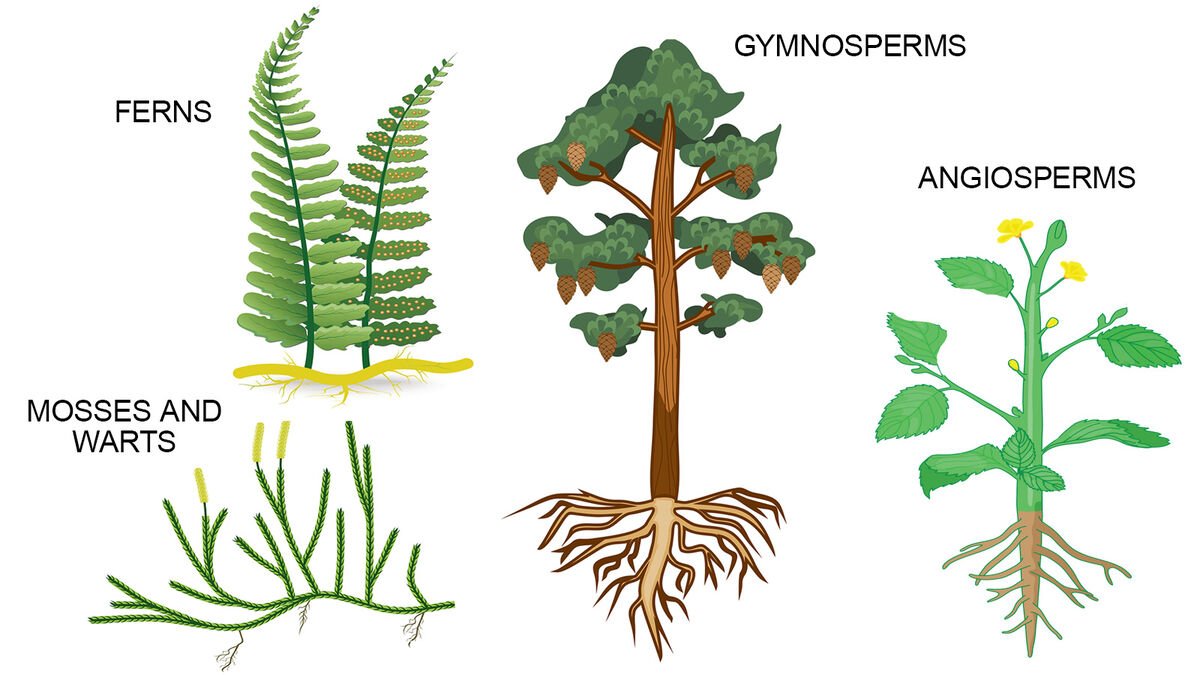
Plants can be grouped in several ways, including by growth form, life cycle, and how they reproduce. For gardeners, the most useful groups include trees, shrubs, herbaceous plants, vines, grasses, ferns, succulents, annuals, biennials, and perennials.
TL;DR
- Different types of plants can be grouped by structure, life cycle, and growing habit.
- Trees and shrubs have woody stems, while herbaceous plants have soft stems.
- Annuals live for one growing season, biennials need two, and perennials live for more than two years.
- Vines climb or spread along supports, while grasses have narrow leaves and jointed stems.
- A plant can fit more than one group, such as a perennial vine or a woody shrub.
What are the different types of plants?
The different types of plants are best understood through several simple classification systems rather than one single list. Gardeners commonly group plants by their structure, how long they live, and how they grow.
For example, a rose is a woody shrub and usually a perennial. A tomato is a herbaceous plant that is commonly grown as an annual. A grapevine is a woody vine and a perennial.
Illinois Extension explains that plants can be categorized by structure and life cycle. Plants may be herbaceous or woody, while their life cycle may be annual, biennial, or perennial.
This overlap matters when choosing plants. A plant can belong to several useful groups at the same time.
What are the main plant types by growth form?
The main plant types by growth form are trees, shrubs, herbaceous plants, vines, and ground covers. These groups describe how a plant grows and what its stems are like.
| Plant type | Main feature | Examples |
|---|---|---|
| Trees | Usually have woody stems and a taller form | Oak, maple, mango |
| Shrubs | Woody plants that are usually shorter and often multi-stemmed | Rose, hydrangea, lilac |
| Herbaceous plants | Have soft, non-woody stems | Basil, tomato, marigold |
| Vines | Climb or spread along the ground or other supports | Clematis, grape, morning glory |
| Ground covers | Grow low and spread across soil | Creeping thyme, some sedums |
Trees
Trees are woody plants that generally develop a taller, more permanent structure. They can be deciduous, meaning they lose their leaves during a season, or evergreen, meaning they retain leaves or needles through the year.
Shrubs
Shrubs are also woody plants, but they are commonly shorter and may have several stems arising near the base. Roses, lilacs, and many hydrangeas are familiar examples.
The boundary between a tree and shrub is not absolute. Growth habit, pruning, climate, and the plant itself can affect how gardeners describe a woody plant.
Herbaceous plants
Herbaceous plants have non-woody stems. Many flowers, vegetables, herbs, and houseplants fall into this group. Some herbaceous plants die back to the ground each year while their roots or other underground parts survive.
Illinois Extension lists marigolds, zinnias, grass, tomatoes, green beans, and geraniums as examples of herbaceous plants.
Vines
Vines have stems that climb, trail, or spread rather than forming a self-supporting upright structure. Some use tendrils or twining stems to climb, while others spread across the ground.
Vines may be annual or perennial, and some have woody stems that remain from year to year.
What plant types are based on life cycle?
Plants are commonly grouped as annuals, biennials, or perennials according to how long they take to complete their life cycle. This system is especially useful when planning flower and vegetable gardens.
Annuals
Annual plants complete their life cycle in one growing season. They grow, flower, produce seeds, and die.
Common examples include marigolds, zinnias, sunflowers, and many garden vegetables grown as annuals. Penn State Extension notes that some plants treated as annuals in a cold climate are actually perennials in warmer climates.
Biennials
Biennial plants need two growing seasons to complete their life cycle. They usually produce leaves and roots during the first season, then flower, set seed, and die during the second.
Parsley, carrots, foxglove, and some other plants have biennial life cycles.
Perennials
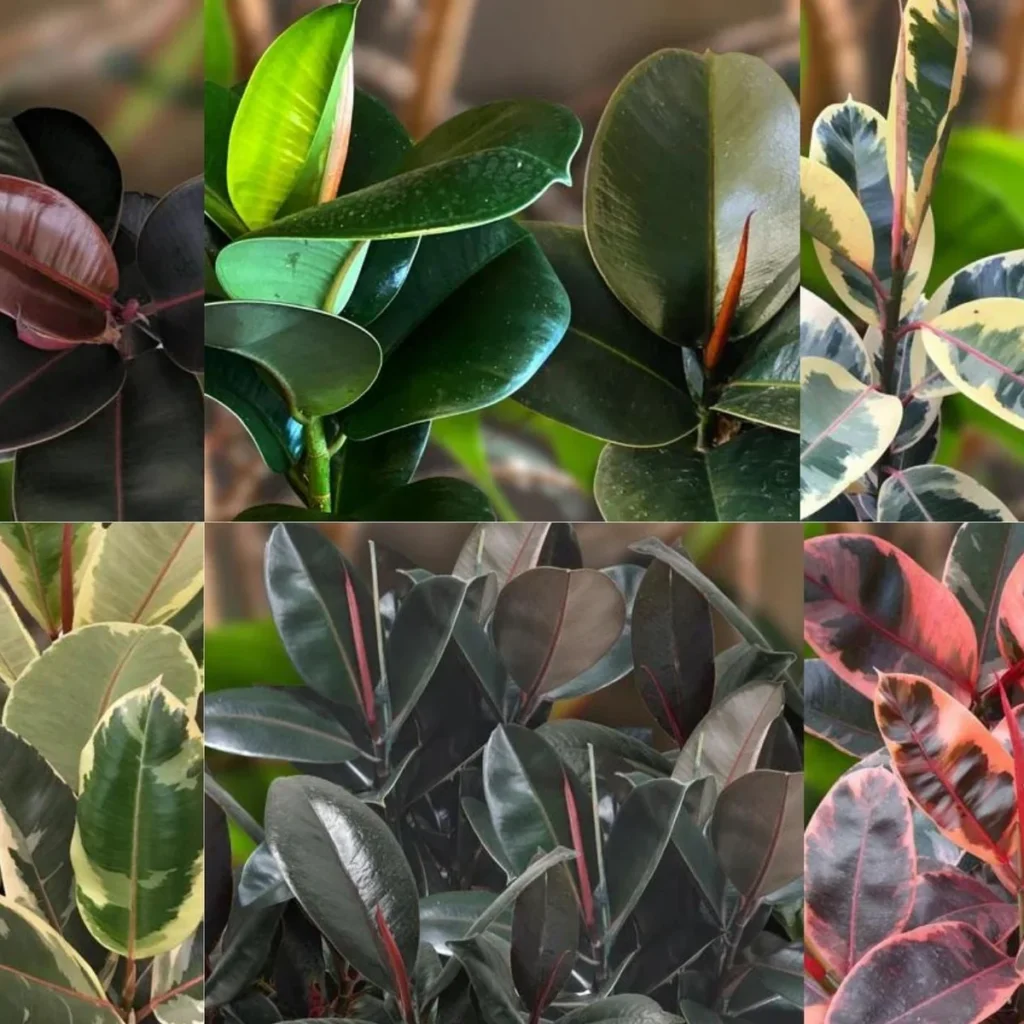
Perennial plants live for more than two years. Herbaceous perennials may die back above ground during a cold season and regrow from surviving roots or crowns, while woody perennials retain persistent stems.
Roses, daisies, chrysanthemums, trees, and shrubs can all be perennial plants.
What are common types of garden plants?
Common garden plant types include flowers, vegetables, herbs, fruit plants, grasses, ornamental plants, and houseplants. These categories describe how people use plants rather than their botanical structure.
Flowers are grown mainly for their blooms or ornamental foliage. Vegetables are grown for edible plant parts such as roots, leaves, stems, fruits, or immature seeds.
Herbs are plants valued for uses such as cooking, fragrance, or other traditional purposes. They can be annuals, biennials, perennials, shrubs, or even trees, so “herb” does not describe one single growth form.
Houseplants are plants grown indoors, but they also come from many different plant groups. A houseplant can be a herbaceous perennial, shrub, tree, vine, succulent, or another type.
Are grasses, ferns, and succulents different plant types?
Yes, grasses, ferns, and succulents are useful garden categories, but they are not all based on the same type of classification.
Grasses are narrow-leaved plants with distinctive stem and leaf structures. Ferns are non-flowering plants that reproduce by spores rather than seeds. Succulents have specialized tissues that allow them to store water, although “succulent” describes a water-storage adaptation rather than one single botanical family.
Conifers are another familiar group. Pines, spruces, junipers, and arborvitae are examples. UMN Extension describes conifers as cone-bearing evergreens with needle-like foliage, although evergreen plants can also be broadleaf plants such as boxwood and rhododendron.
How do you choose the right plant type for a garden?
Choose a plant type by matching its mature size, growth habit, life cycle, light needs, soil conditions, and climate to the planting site.
Start with the space itself. A large tree needs far more room than a small herbaceous plant. A vine needs something to climb or enough space to trail. A perennial needs suitable conditions to survive from one growing season to the next.
Life cycle also affects maintenance. Annuals need to be replanted or reseeded, while perennials can return for several years when their growing conditions suit them.
Think about the plant’s job as well. Trees can provide shade, shrubs can form structure, vines can cover vertical supports, and herbaceous plants can fill beds with flowers or foliage.
Common mistakes when classifying plants
- Do not assume that a plant belongs to only one group because plants can be classified by growth form, life cycle, use, and other traits.
- Do not assume that a plant sold as an annual is always botanically annual because climate can determine whether a perennial survives winter.
- Do not treat “herb” as a strict botanical growth form because the term is also used for plants valued for culinary, aromatic, or other uses.
- Do not choose a plant from its category alone because light, soil, moisture, mature size, and local climate also affect whether it will grow well.
Frequently asked questions about different types of plants
What are the main types of plants?
Common garden groupings include trees, shrubs, herbaceous plants, vines, grasses, ferns, succulents, annuals, biennials, and perennials.
What is the difference between an annual and a perennial plant?
An annual completes its life cycle in one growing season. A perennial lives for more than two years, although its above-ground growth may die back in some climates.
What is a herbaceous plant?
A herbaceous plant has non-woody stems. Many flowers, vegetables, herbs, grasses, and houseplants are herbaceous.
Are trees and shrubs the same type of plant?
Trees and shrubs are both woody plants, but they usually differ in growth form and size. The boundary can vary between plants and growing conditions.
Can one plant belong to more than one type?
Yes. A plant can have several classifications at once. For example, a rose can be a woody shrub and a perennial flowering plant.
What are the easiest plant types for beginners?
The easiest choice depends on your light, climate, soil, space, and watering routine. Start with plants whose growing needs match the conditions you already have.
What are the different types of plants used in gardens?
Gardens commonly include flowering plants, vegetables, herbs, trees, shrubs, vines, grasses, ground covers, and houseplants. Each group can contain plants with very different care needs.