
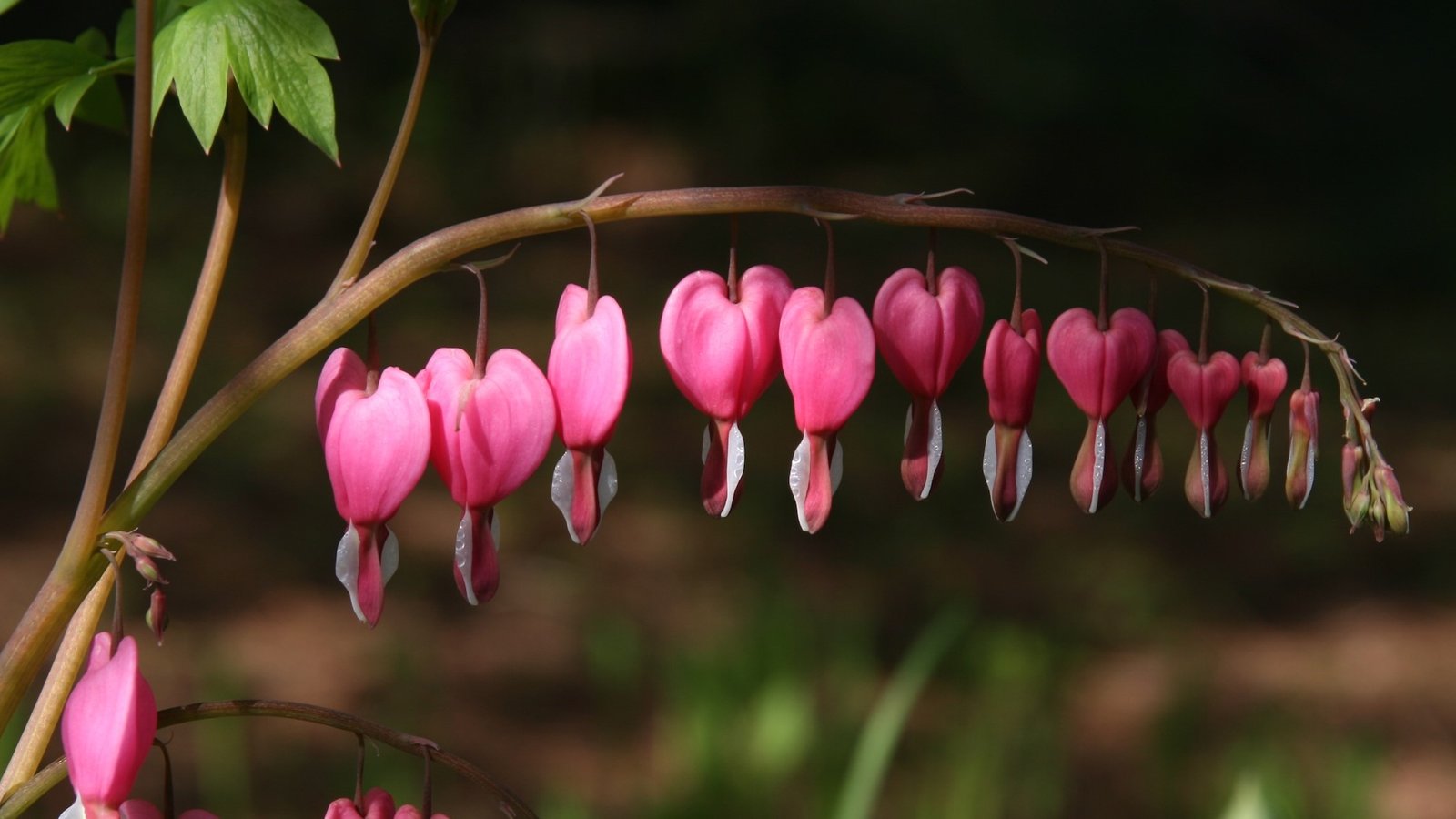
A dicentra plant is a flowering perennial grown for its divided foliage and hanging, heart-shaped flowers. The best-known type is the plant commonly called bleeding heart, which grows well in partial shade and moist, fertile soil.
TL;DR
- The dicentra plant commonly called bleeding heart grows best in partial shade and moist, fertile soil.
- The familiar bleeding heart is now classified as Lamprocapnos spectabilis, while Dicentra spectabilis is an older name.
- Give it a sheltered spot and keep the soil moist without allowing poor drainage to cause problems.
- The plant is deciduous, so its foliage can die back after flowering.
- Handle the plant with care because the RHS lists all parts as potentially harmful if eaten.
What is a dicentra plant?
A dicentra plant is a group of herbaceous perennial plants with divided leaves and pendent, heart-shaped flowers. Several plants in the genus Dicentra are grown in gardens, while the familiar old-fashioned bleeding heart is now classified as Lamprocapnos spectabilis.
Kew lists Lamprocapnos spectabilis as the accepted name and Dicentra spectabilis as a synonym. The species is native to northeastern China through North Korea and grows mainly in temperate regions.
The common bleeding heart produces arching stems lined with heart-shaped flowers. Flower colors can include rose-red, pink and white. The plant usually flowers in late spring or early summer, then the foliage dies back later in the season.
That seasonal dieback can surprise new gardeners. It does not mean the plant has necessarily died. Bleeding heart is a deciduous perennial, so its above-ground growth naturally disappears as the season progresses.
How do you care for a dicentra plant?
A dicentra plant grows best in partial shade, moist fertile soil, and a sheltered position. For the familiar bleeding heart, choose a place where the soil holds moisture but does not stay excessively wet.
The RHS recommends moist, humus-rich soil and partial shade for Lamprocapnos spectabilis. The plant can tolerate more sun when the soil remains reliably moist.
| Growing need | What to provide |
|---|---|
| Light | Partial shade is the safest choice. |
| Soil | Fertile, humus-rich soil that stays moist. |
| Moisture | Keep the soil moist, especially while the plant is actively growing. |
| Shelter | Use a sheltered position protected from harsh exposure. |
| Pruning | Regular pruning is not required. |
Water the plant when the soil begins to dry rather than waiting for prolonged dryness. Adding organic matter to poor soil can help improve its moisture-holding capacity.
Avoid planting bleeding heart in a place that becomes hot and dry for long periods. The RHS notes that the plant can tolerate sun when the soil stays moist, so moisture is an important part of choosing the right position.
When does a dicentra plant flower?
A dicentra plant such as bleeding heart usually flowers in late spring or early summer. Its flowers hang from arching stems, creating the familiar heart-shaped display associated with the plant.
The flowering period is followed by a change in the foliage. Bleeding heart is deciduous, so its leaves can die back as the growing season progresses. Missouri Botanical Garden also notes that Lamprocapnos spectabilis can go dormant around midsummer.
Because of this growth pattern, avoid placing the plant where you expect attractive foliage all summer. It works better alongside plants that can fill the space after the bleeding heart begins to disappear.
How do you propagate a dicentra plant?
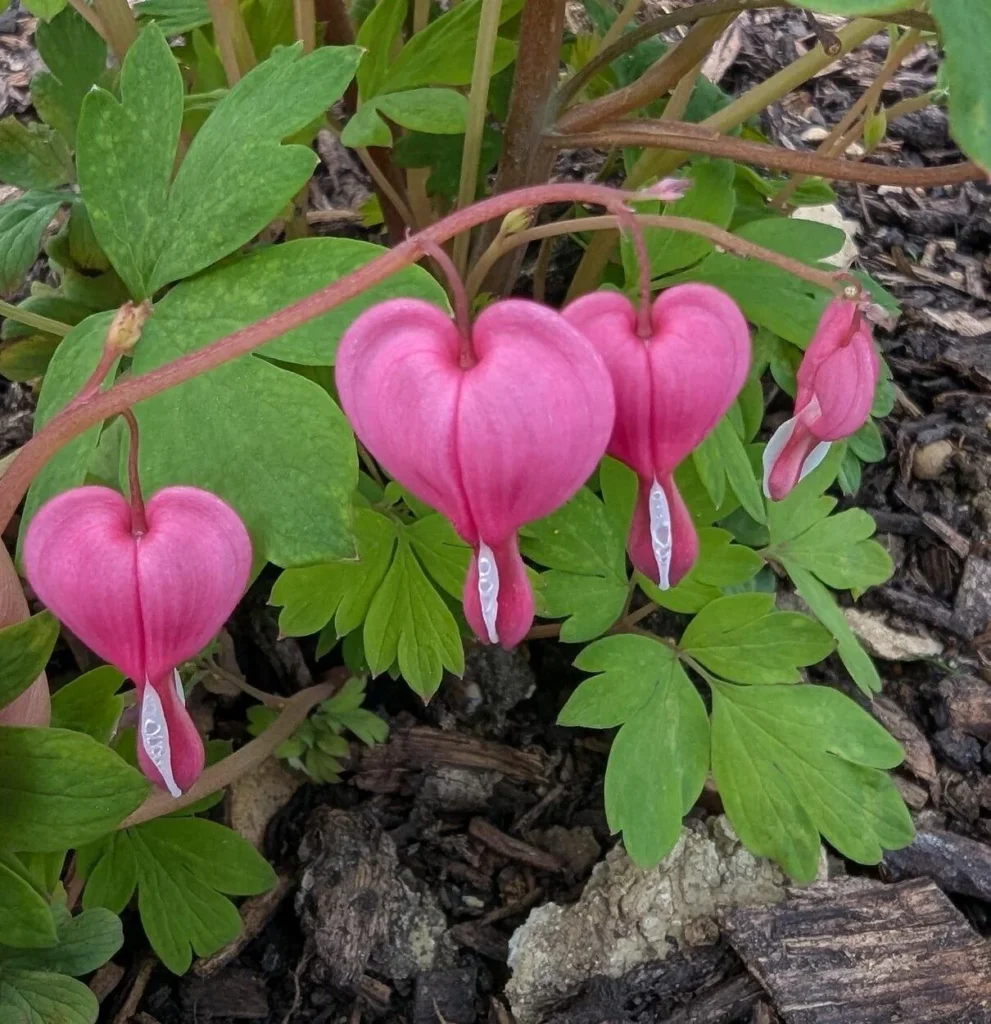
A dicentra plant can be propagated by division, and the RHS recommends dividing bleeding heart in early spring or after the foliage has died down. Root cuttings can also be used for Lamprocapnos spectabilis.
Division is a practical choice when an established plant has become large enough to separate. Dig carefully around the plant, lift the clump, and divide it into healthy sections with roots attached. Replant the divisions promptly and keep the soil moist while they establish.
For best results, avoid letting newly divided sections dry out. The plant needs time to rebuild roots before it produces strong new growth.
Can a dicentra plant grow in full sun?
A dicentra plant is generally better suited to partial shade than full sun. Bleeding heart can tolerate more sun when its soil remains reliably moist, but a sheltered, partially shaded position is the simpler choice for most gardens.
Morning sun with protection from stronger afternoon heat can be a useful setup in warmer conditions. Watch the soil closely, because a sunny position increases the risk of drying.
If the plant struggles in a hot, dry site, moving it to a cooler position with more shade and consistent soil moisture can improve its growing conditions.
What problems can affect a dicentra plant?
A dicentra plant usually needs little pruning and is generally not prone to major disease problems. The RHS lists bleeding heart as generally disease-free, although slug damage can occur.
Watch for these common problems:
- Wilting leaves can indicate that the soil has become too dry, especially in a sunny position.
- Poor growth can occur when the plant is grown in unsuitable soil or exposed conditions.
- Chewed foliage may indicate slug activity.
- Premature dieback can be normal as the plant moves into its dormant period.
Do not cut the plant back simply because the foliage begins to fade after flowering. Allow the leaves to die back naturally unless they have become damaged or unsightly.
Is a dicentra plant safe around pets and children?
The RHS lists all parts of Lamprocapnos spectabilis as potentially harmful if eaten. It also notes that the foliage may aggravate skin allergies, so wear gloves and suitable protection when handling the plant.
Keep the plant away from situations where children or pets may chew the foliage or flowers. If ingestion occurs, seek appropriate professional advice rather than relying on general gardening information.
Frequently asked questions about dicentra plants
What is a dicentra plant?
A dicentra plant is a perennial with divided foliage and pendent flowers, with several garden species and cultivars grown for their unusual blooms. The familiar bleeding heart is now classified as Lamprocapnos spectabilis.
Is Dicentra spectabilis the same as bleeding heart?
Yes, Dicentra spectabilis is the older botanical name for the plant now accepted as Lamprocapnos spectabilis. The common name is bleeding heart.
Where should I plant a dicentra plant?
Plant it in partial shade with moist, fertile soil and shelter from harsh exposure. A site that does not dry out quickly is a good choice.
How often should I water a dicentra plant?
Water when the soil starts to dry, keeping it consistently moist while the plant is actively growing. Watering needs increase in sunny or dry conditions.
Why is my dicentra plant dying back?
Bleeding heart is deciduous and naturally dies back after its active growing period. Seasonal foliage loss can be normal and does not necessarily mean the roots have died.
Can I grow dicentra in full sun?
Bleeding heart prefers partial shade, although it can tolerate more sun when the soil stays reliably moist. In hot or dry conditions, more shade is usually the better choice.