
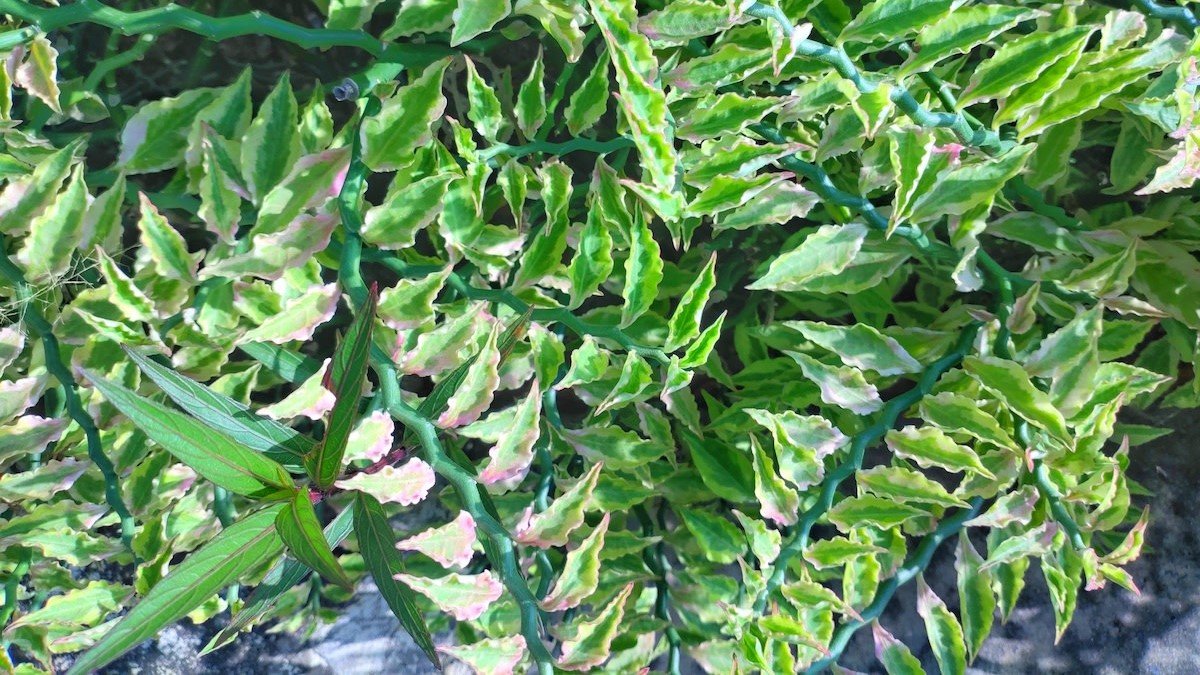
Devil’s backbone plant is a drought-tolerant succulent that does best with bright light, fast-draining soil, and careful watering. This guide focuses on Kalanchoe daigremontiana, also called mother of thousands.
TL;DR
- Devil’s backbone plant needs bright indirect light or partial shade and protection from harsh midday sun.
- Let the soil dry between waterings, then water well and let excess water drain away.
- Use a gritty, fast-draining mix and a pot with a drainage hole.
- Kalanchoe daigremontiana produces small plantlets along the edges of its leaves.
- Keep the plant away from pets and children because Kalanchoe can be toxic if eaten.
What is the devil’s backbone plant?
Devil’s backbone plant is a succulent perennial in the Kalanchoe genus. Here, the name refers to Kalanchoe daigremontiana, a Madagascar native with fleshy, triangular leaves that produce tiny plantlets along their edges.
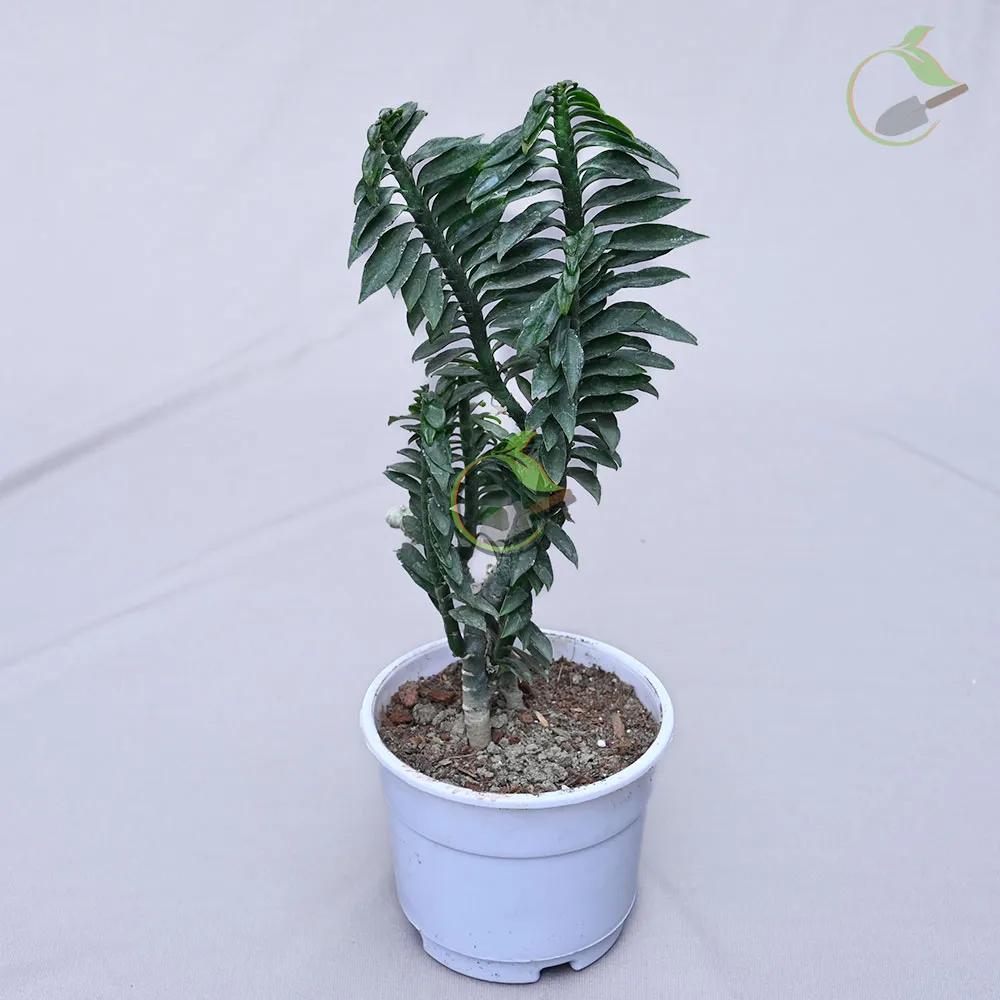
The common name can cause confusion. NC State Extension also lists Euphorbia tithymaloides and Kalanchoe delagoensis under Devil’s Backbone. Check the leaf shape before following care advice, because these plants do not have identical needs.
Kalanchoe daigremontiana can reach about 3 feet tall and 1 to 2 feet wide. Its leaves can grow up to 8 inches long, with plantlets forming along the margins. Mature plants may produce hanging, bell-shaped pink to lavender flowers.
How to care for a devil’s backbone plant
Devil’s backbone plant is easy to maintain when you treat it like a succulent. Give it bright filtered light, let the soil dry between waterings, and avoid leaving the roots in wet soil.
| Need | Requirement |
|---|---|
| Light | Bright indirect light or partial shade; protect it from intense midday sun. |
| Water | Water after the soil dries, then drain the pot fully. |
| Soil | Use sandy or loamy soil that drains quickly. A cactus or succulent mix works well in a container. |
| Temperature | Around 65 to 75°F suits Kalanchoe daigremontiana; protect it from frost. |
| Pot | Choose a pot with a drainage hole so excess water can escape. |
Light needs
Give devil’s backbone plant a bright spot with filtered light. Some direct sun can work, but strong midday or afternoon sun can scorch the leaves.
Watering
Let the soil dry between waterings. Then soak the soil thoroughly and allow excess water to drain before putting the pot back in place.
Overwatering can cause root rot in Kalanchoe. During slower growth, reduce watering rather than keeping the soil slightly wet.
Soil and repotting
Use a sandy or loamy mix that drains quickly. In a container, a cactus or succulent potting mix is a simple choice.
How do you propagate devil’s backbone plant?
The easiest way to propagate devil’s backbone plant is to use the small plantlets that form along the leaf edges. Kalanchoe daigremontiana produces these young plants while the leaf is still attached to the parent.
When a plantlet has started forming roots, place it on well-drained soil and keep the mix lightly moist at first. Once it is established, let the soil dry between waterings as you would for the mature plant.
What problems can affect devil’s backbone plant?
Watch for mealybugs, aphids, and spider mites. Powdery mildew can also occur when conditions are damp and air movement is poor.
Leaf scorch points to excessive direct sun, especially strong afternoon exposure. Move the plant to bright filtered light and check that the soil is not staying either constantly wet or completely dry for long periods.
Is devil’s backbone plant safe around pets?
Devil’s backbone plant should be kept away from dogs, cats, and young children. Kalanchoe contains bufadienolides and can cause vomiting, diarrhea, and abnormal heart rhythm when eaten.
NC State Extension also lists Kalanchoe daigremontiana as poisonous if eaten and notes that its sap can cause contact dermatitis. Wear gloves when handling damaged leaves or sap, and wash your hands afterward.
If a pet has eaten the plant, contact a veterinarian or an animal poison service promptly.
When is devil’s backbone plant not a good fit?
Devil’s backbone plant is a poor choice for a dark room, a pot that stays wet, or a home where pets can easily chew the leaves. It also needs protection from frost, so it is better grown in a container indoors where winters are cold.
Common mistakes with devil’s backbone plant
- Watering on a fixed weekly schedule can keep the roots wet, so check the soil first.
- Placing the plant in harsh afternoon sun can scorch the leaves, so use bright filtered light instead.
- Using a pot without drainage can trap water around the roots, so choose a container with a drainage hole.
- Leaving fallen plantlets in a garden bed can lead to unwanted spread, so remove them if you do not want new plants.
- Treating every plant sold as Devil’s Backbone as the same species can lead to poor care, so confirm the plant’s identity first.
Frequently asked questions about devil’s backbone plant
What is devil’s backbone plant?
Devil’s backbone plant is a common name used for several plants. This guide focuses on Kalanchoe daigremontiana, a succulent also called mother of thousands.
How often should I water devil’s backbone plant?
Water when the soil has dried, then water thoroughly and let the excess drain. The interval depends on light, temperature, pot size, and soil.
Can devil’s backbone plant grow indoors?
Yes. Kalanchoe daigremontiana grows well indoors when it has a bright window, fast-draining soil, and careful watering.
How do I propagate devil’s backbone plant?
Use the small plantlets that form along the leaf edges. Place rooted plantlets on well-drained soil and let them establish before treating them like mature plants.
Why are the leaves of my devil’s backbone plant turning brown?
Brown or scorched leaves can result from strong direct sun, while brown, soft growth near the base can point to excess moisture. Check the light and soil before changing your watering routine.
Is devil’s backbone plant poisonous to cats and dogs?
Yes. Kalanchoe is toxic to cats and dogs if eaten, so keep the plant out of their reach.