
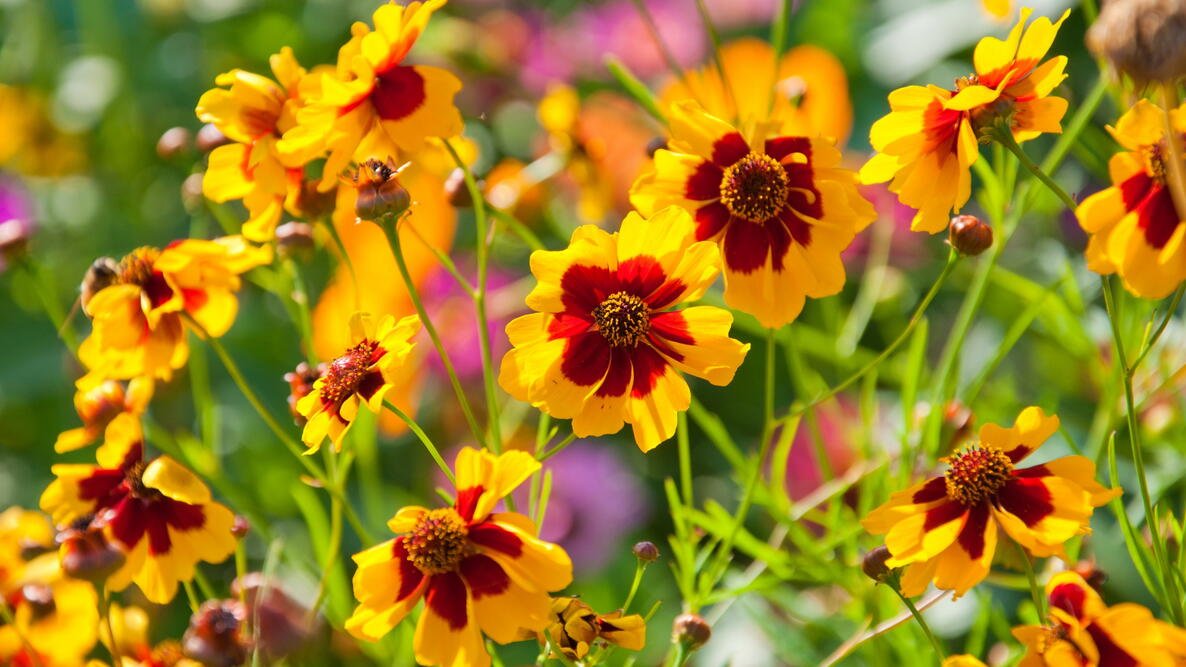
A coreopsis plant is a flowering plant known for daisy-like blooms, often in shades of yellow, gold, orange, or pink. Most coreopsis grows best in full sun and well-drained soil, making it a useful choice for sunny borders, wildflower areas, and pollinator gardens.
TL;DR
- Coreopsis is also called tickseed and includes both annual and perennial species.
- Most coreopsis plants grow best with at least six hours of direct sun each day.
- Use well-drained soil and avoid keeping the roots constantly wet.
- Deadheading can encourage more flowers and reduce unwanted self-seeding in some types.
- Choose the species carefully because size, bloom time, moisture needs, and winter hardiness vary.
What is a coreopsis plant?
A coreopsis plant belongs to the genus Coreopsis in the daisy family, Asteraceae. The common name tickseed is also widely used for these plants. Coreopsis includes annuals and herbaceous perennials, so its growth habit depends on the species or cultivar.
Many garden types have simple, daisy-like flower heads held above green foliage. Lanceleaf coreopsis (Coreopsis lanceolata), for example, is a perennial with yellow to gold flowers and narrow leaves. North Carolina State Extension lists it as a plant for full sun, with good drainage and tolerance of dry conditions once established.
Coreopsis can work well in a sunny flower bed, cottage garden, rock garden, or pollinator planting. Some species also spread by seed, so give them enough room if you want a naturalized planting.
How do you care for a coreopsis plant?
A coreopsis plant is generally easy to care for when it receives plenty of sun and grows in soil that drains well. Water new plants regularly while they establish, then adjust watering based on the species, soil, rainfall, and local climate.
| Need | Requirement |
|---|---|
| Light | Full sun is best for most types, although some tolerate partial shade. |
| Water | Keep new plants evenly watered while they establish; established plants often tolerate some dryness. |
| Soil | Use well-drained soil. Sandy or rocky soil suits several species. |
| Temperature | Hardiness varies by species and cultivar, so check the plant label for your local climate. |
For example, North Carolina State Extension lists lanceleaf coreopsis for USDA Hardiness Zones 4a through 9b and notes that it can tolerate drought, heat, humidity, and poor soil. These traits do not apply equally to every coreopsis species.
Light needs
Give coreopsis a sunny location with about six or more hours of direct sunlight when possible. Too little light can lead to weaker growth and fewer flowers.
Threadleaf coreopsis is another popular garden type. It has fine, thread-like foliage and yellow flowers, and it can grow well in sunny areas with dry to medium moisture.
Soil and watering
Coreopsis generally prefers soil that drains freely rather than soil that stays soggy. Water deeply when the plant needs moisture instead of keeping the surface constantly wet.
Poor drainage can cause root or crown problems. Pennsylvania State University lists crown rot and root rot among diseases that can affect coreopsis, with excess moisture being a concern for plants grown in poorly drained conditions.
If your garden has heavy clay, improve drainage before planting rather than relying on frequent watering adjustments later.
When does coreopsis bloom?
Coreopsis bloom time depends on the species and cultivar, but many types flower from late spring into summer, with some continuing later when conditions are favorable.
Lanceleaf coreopsis, for example, can bloom from spring into summer. Threadleaf cultivars can provide a longer flowering period, and some may produce another flush after being cut back. Missouri Botanical Garden notes that threadleaf coreopsis such as ‘Moonbeam’ can bloom again after being cut back following flowering.
Removing faded flowers can also help some coreopsis plants produce more blooms. It has another benefit: deadheading can reduce the amount of seed that falls around the garden.
How do you prune and deadhead coreopsis?
Deadhead coreopsis by cutting each faded flower stalk back to a healthy leaf or suitable point on the stem. You can continue this through the flowering season when you want a tidier plant and more flowers.
For some varieties, cutting the whole plant back after an initial flowering period can encourage fresh growth and another round of flowers. Missouri Botanical Garden specifically lists coreopsis among perennials that can benefit from deadheading, while Pennsylvania State University notes that cutting back certain coreopsis types can promote fresh growth.
Avoid treating every coreopsis the same way. Some gardeners allow plants to set seed because self-sowing can help maintain a naturalized planting.
How do you propagate coreopsis?
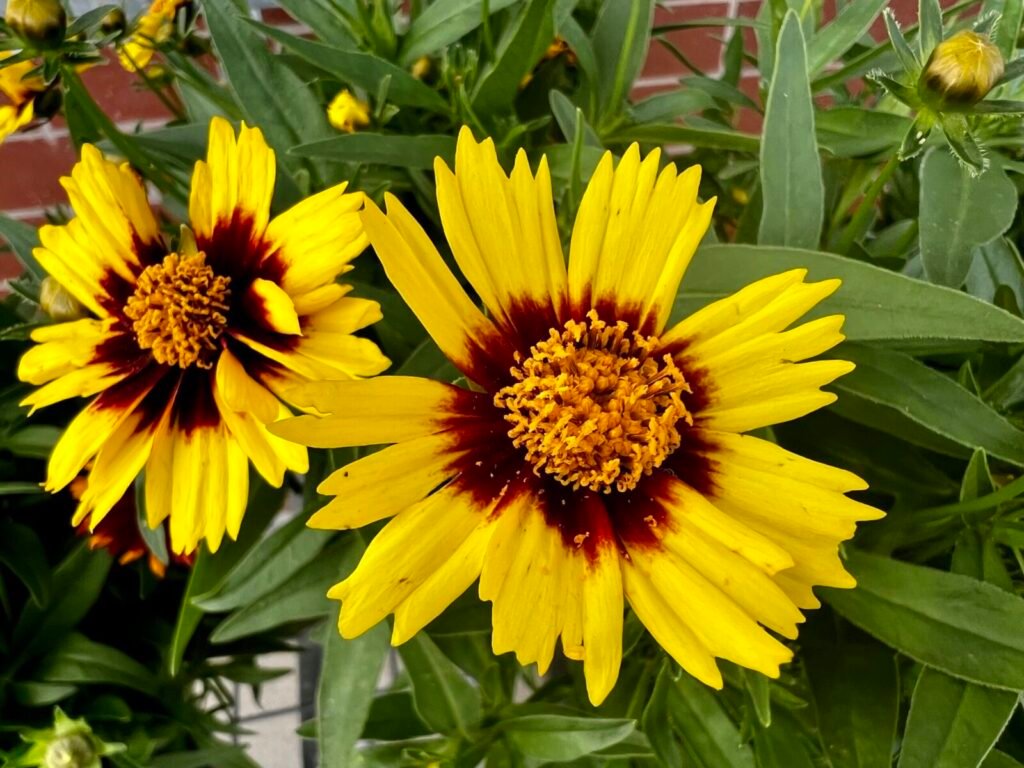
Coreopsis can be propagated from seed or by division, depending on the species. Seed is useful when you want several plants, while division is practical for established perennial clumps.
For species such as lanceleaf coreopsis, North Carolina State Extension lists both seed and division as propagation methods. Some perennial coreopsis can be divided every few years when clumps become crowded.
If you grow a named cultivar, check whether it comes true from seed before collecting seeds. Division is often a better choice when you want plants that match the parent.
What problems can affect coreopsis?
Coreopsis is generally fairly tough, but poor growing conditions can create problems. Wet soil, crowded growth, and foliage that stays damp for long periods can increase the risk of disease.
Common problems include leaf spots, powdery mildew, crown rot, root rot, and aster yellows. Pennsylvania State University recommends watering in a way that allows foliage to dry quickly for several foliar diseases.
If a coreopsis plant begins to decline, first check the soil moisture and drainage. Also inspect the leaves and stems for spots, discoloration, or unusual growth before reaching for a treatment.
Is coreopsis safe around pets?
ASPCA lists Coreopsis spp. as non-toxic to dogs, cats, and horses. That classification applies to the plants listed in its database, but any plant material can still cause stomach upset if an animal eats enough of it.
If you have pets that chew plants, identify the exact species or cultivar before planting and monitor how your animals interact with it.
When is a coreopsis plant not a good fit?
Coreopsis is a poor choice for a garden bed that stays wet or has consistently poor drainage. It is also less suitable for a deeply shaded location because most popular types flower best in good sunlight.
You should also consider its tendency to self-seed. Lanceleaf coreopsis, for example, can spread readily from seed under favorable conditions. Deadheading helps limit unwanted seedlings.
For a shaded or consistently damp garden, choose a plant suited to those conditions instead of trying to force coreopsis to adapt.
Common mistakes with coreopsis
- Planting coreopsis in constantly wet soil can lead to root and crown problems, so choose a site with good drainage.
- Growing coreopsis in too much shade can reduce flowering, so move it to a sunnier location when practical.
- Overwatering an established plant can create more problems than allowing the soil to dry somewhat between waterings.
- Ignoring self-seeding can allow some coreopsis types to spread farther than intended, so deadhead plants when you want tighter control.
Frequently asked questions about coreopsis
What is a coreopsis plant?
A coreopsis plant is an annual or perennial flowering plant in the daisy family. Many types produce yellow or gold daisy-like flowers and are commonly called tickseed.
How much sun does coreopsis need?
Most coreopsis grows best in full sun, which generally means at least six hours of direct sunlight per day. Some types tolerate partial shade, but flowering is usually better with more sun.
How often should I water coreopsis?
Water newly planted coreopsis when the soil begins to dry, giving it enough moisture to establish roots. Once established, many types tolerate some dry conditions, but watering needs depend on soil, weather, and species.
Should I deadhead coreopsis?
Yes, deadheading can encourage additional flowers in many coreopsis plants and can reduce self-seeding. Leave some flowers in place if you want the plant to produce seed.
Can coreopsis grow in poor soil?
Many coreopsis species tolerate poor, sandy, rocky, or dry soils as long as drainage is good. Excessively fertile soil can cause some types to become floppy or sprawling.
Can coreopsis grow in pots?
Yes, smaller coreopsis cultivars can grow in containers when the pot has drainage holes and the growing medium drains well. Choose a container that gives the roots enough room and monitor moisture more closely than you would in a garden bed.
Is coreopsis a perennial?
Some coreopsis species are perennial, while others are annual. Check the botanical name and plant label because winter hardiness and lifespan vary among types.