
You have eaten tapioca. The chewy pearls in bubble tea, the thick pudding your grandma used to make, the starch thickening your soups and sauces. All of it comes from one plant. A single tropical shrub that most people have never seen in real life, even though they have eaten its products hundreds of times.
That plant is the tapioca plant, also known as cassava. And it is one of the most important food crops on the planet.
This guide covers what it is, how to grow it, what to watch out for, and the one very important safety rule you need to know before you do anything with the roots.
What Is the Tapioca Plant?
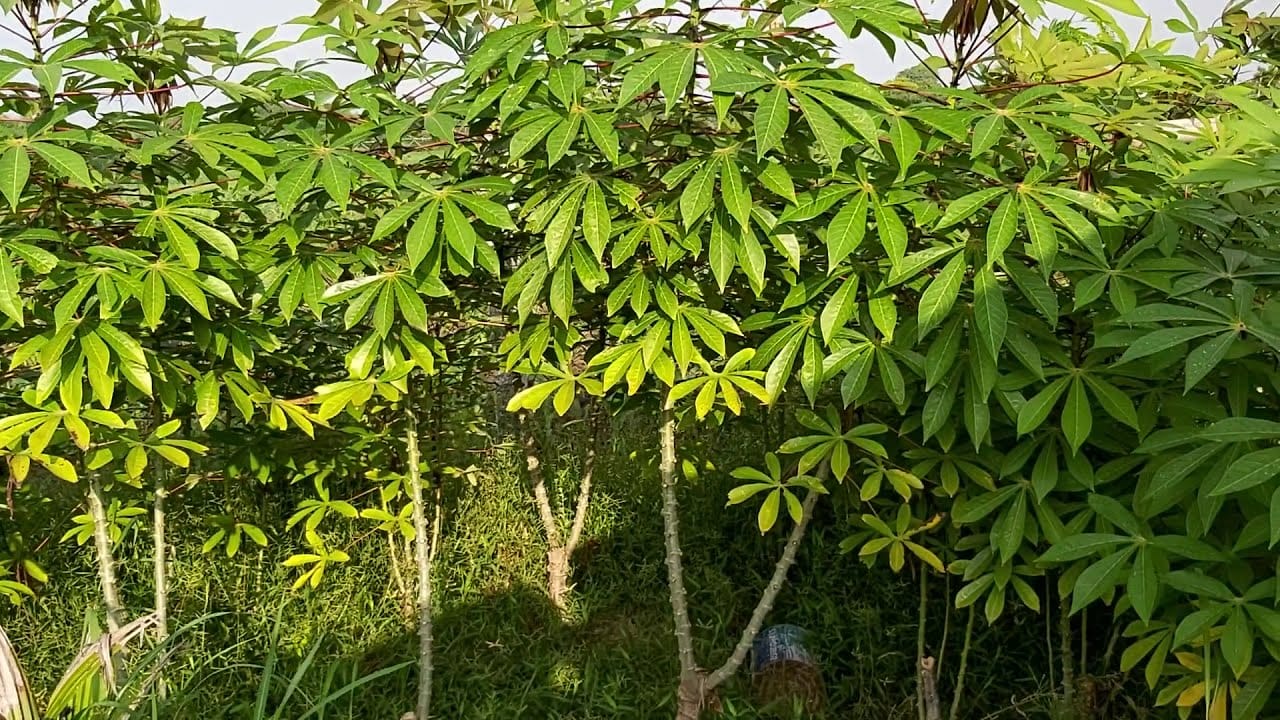
The tapioca plant (Manihot esculenta) is a fast-growing tropical shrub native to South America. It goes by several names, cassava, manioc, yuca, and tapioca plant, depending on where in the world you are. Whatever you call it, it is the same plant.
It grows as a tall, woody shrub, often reaching 2 to 4 metres high, with long, deeply lobed leaves that fan out like an open hand. The leaves can be green, or in some varieties, have yellow, white, or reddish tones. The overall effect is lush and tropical, which is why some gardeners grow it purely as an ornamental even when they have no interest in the roots.
Underneath the soil, the plant develops large starchy tubers, thick, elongated roots that look a bit like sweet potatoes. These are what get processed into tapioca. The starch is extracted, purified, and then used to make everything from tapioca pearls and flour to puddings, thickeners, and bread.
Cassava is currently ranked as one of the top four staple crops in the world. It feeds hundreds of millions of people across West Africa, South America, and Southeast Asia. And yet most people in Western countries only know it through bubble tea.
The One Thing You Must Know Before Growing Tapioca
Raw cassava roots contain natural compounds called cyanogenic glycosides, which release hydrogen cyanide when the root is cut or crushed. This is not a minor detail. Eating raw or improperly prepared cassava can cause serious harm.
The good news is that proper preparation removes these toxins completely. Commercial tapioca products like the pearls and flour you buy in shops have already gone through this process and are completely safe.
If you are growing tapioca at home for ornamental purposes, there is nothing to worry about since you are not eating the roots. If you do want to try cooking with fresh cassava roots, you need to peel them thoroughly, soak them in water for 48 hours changing the water regularly, and then boil them for at least 30 minutes. Never eat them raw, and never skip the preparation steps.
This is not meant to scare you off growing the plant. Millions of people cook with cassava every single day. It just requires the right preparation, like many other foods we take for granted.
How to Grow the Tapioca Plant
If you live in a warm climate, tapioca is actually one of the easier crops to grow. It is drought tolerant, grows fast, and does not need perfect soil. The main requirement is warmth.
Climate and Temperature
Tapioca is strictly a tropical to subtropical plant. It needs year-round frost-free conditions to thrive. Ideal temperatures are between 25°C and 30°C (77 to 86°F), though it can handle temperatures up to about 38°C (100°F) as long as it gets water.
It grows well in USDA hardiness zones 9 to 11. Anything below zone 9 and you are working against it. Even a brief frost can kill the stems back to the ground.
If you live in a cooler climate but still want to try growing it, containers are your best option. You can bring the plant indoors over winter and move it back outside in summer.
Sunlight
Tapioca needs full sun. At least 6 to 8 hours of direct sunlight daily. Place it in the sunniest spot in your garden. Less light means slower growth, smaller roots, and a less impressive looking plant overall.
Soil
Well-draining soil is the most important thing. Tapioca absolutely cannot sit in waterlogged ground. The roots will rot. Sandy or loamy soil that lets water pass through freely is ideal.
It is not fussy about soil fertility and will grow in poor soils that other plants struggle with. But if you want a really healthy plant, work in some compost before planting to improve structure and add some nutrients.
Avoid heavy clay. If that is what you have, mix in grit and compost to improve drainage, or grow in raised beds.
Planting
Tapioca is almost always grown from stem cuttings, not seeds. Get healthy stems from an existing plant or a nursery, each cutting should be about 20 to 25 centimetres (8 to 10 inches) long and include at least three to four nodes (the bumpy joints along the stem).
Plant cuttings horizontally, about 5 to 7 centimetres deep, or at a slight angle with the top end pointing upward. Water in gently and keep the soil moist until you see new growth emerging, usually within two to three weeks.
Space plants at least 1 metre apart. They get big and need room to spread.
Watering
Water deeply and then let the soil dry out somewhat before watering again. Tapioca is drought tolerant once established, but consistent moisture during the growing season produces better roots.
The rule is similar to other root crops: deep, infrequent watering encourages the roots to grow down and develop properly. Frequent shallow watering keeps moisture near the surface and leads to weaker root development.
During dry spells, water once or twice a week. During the rainy season or in wet climates, you may not need to water at all.
Feeding
Tapioca does not need heavy feeding. A balanced fertiliser applied once at planting and again midway through the growing season is usually enough. Too much nitrogen pushes leafy growth at the expense of root development, which is the opposite of what you want if you are growing it for food.
When and How to Harvest
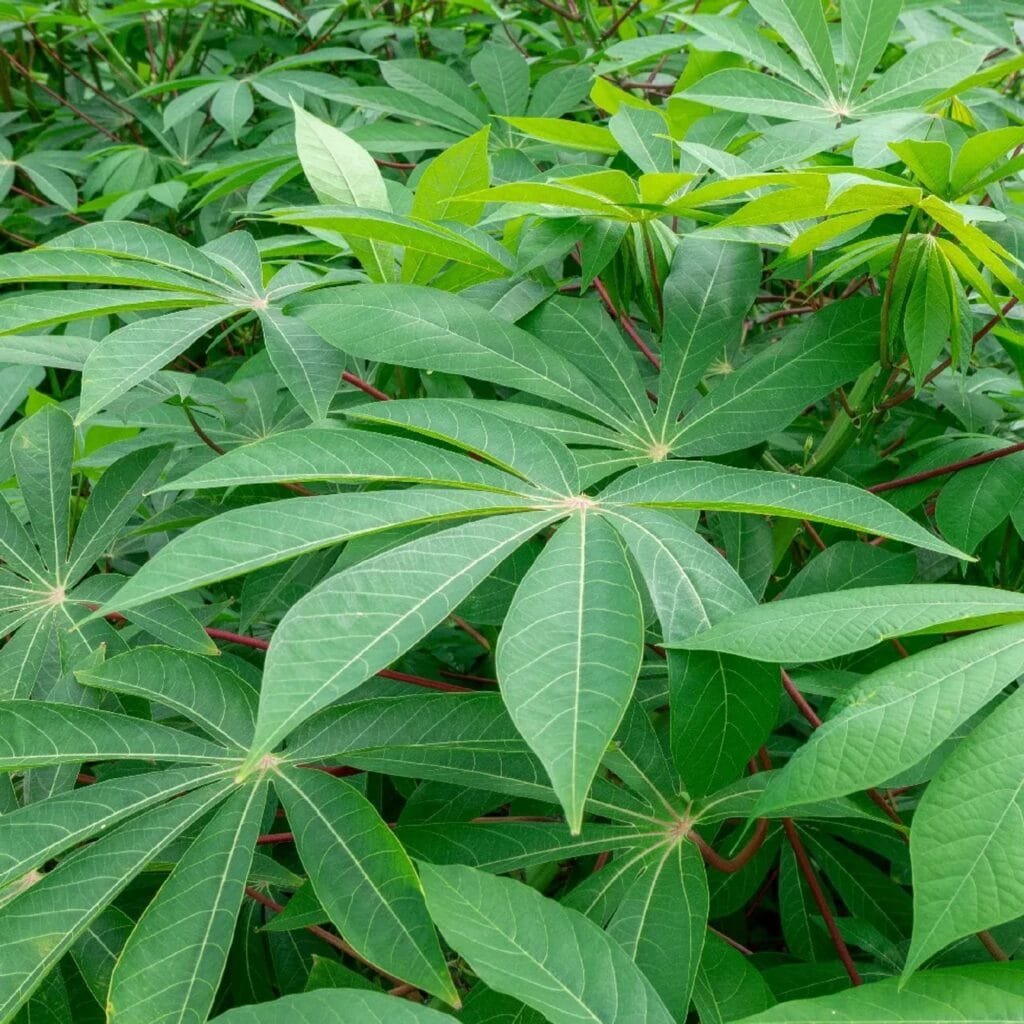
Tapioca plants are ready to harvest around 8 to 12 months after planting. The clearest sign that the roots are ready is when the lower leaves start turning yellow and dropping off.
To harvest, cut the stem back to about 30 centimetres above ground. Then dig carefully around the base of the plant and lift the tubers out of the soil. They can be quite large and sit close to the surface, so use a fork rather than a spade to avoid cutting into them.
After harvesting, remember the preparation steps mentioned earlier before cooking. Peel, soak, and boil. Do not skip any of these.
The stems you cut back can be used as cuttings for your next planting, so nothing goes to waste.
Common Problems
Root rot is the main issue and it almost always comes from waterlogged soil. If your drainage is poor, the roots sit in moisture and quickly start to rot from the outside in. Fix your drainage before planting and do not overwater.
Cassava green mite is a tiny pest that attacks the leaves, causing them to distort and look rough. Neem oil spray applied weekly usually handles it. Predatory mites introduced into the garden can also help control populations naturally.
Leaf spot disease shows up as dark spots on the leaves and spreads in humid conditions. Remove affected leaves immediately and avoid watering over the top of the plant. Good airflow between plants helps prevent it from taking hold.
Slow growth or small roots usually points to not enough sun, poor drainage, or a climate that is too cool. Check all three before assuming something more complicated is going on.
Growing Tapioca in Containers
Tapioca grows surprisingly well in large containers, which is great news if you live somewhere too cold to grow it outdoors year-round.
Use a pot at least 40 to 50 centimetres wide and deep with excellent drainage holes. Fill with a mix of quality potting soil and coarse sand or perlite. Place in the sunniest spot available, ideally a south-facing patio or balcony.
In cooler climates, bring the container indoors before the first frost. Cut the stems back by about half, reduce watering significantly, and keep the plant in a cool but frost-free spot through winter. It will reshoot in spring when you move it back outside.
Container-grown plants will produce smaller roots than garden-grown ones, but they still develop properly with good care.
Frequently Asked Questions
Is tapioca the same as cassava? Not exactly. Cassava is the plant. Tapioca is the starch extracted and processed from the cassava root. So tapioca comes from cassava, but cassava is not tapioca in its raw form.
Can I grow tapioca in the UK or northern Europe? Only in containers that you bring indoors over winter. The plant cannot survive frost outdoors in those climates.
How tall does a tapioca plant grow? In ideal conditions, it can reach 2 to 4 metres (6 to 13 feet). In containers it stays smaller, usually around 1 to 1.5 metres.
Are the leaves of the tapioca plant toxic? Young leaves are edible when cooked and are eaten as a vegetable in many countries. Raw leaves should not be eaten. Always cook them first to eliminate any toxins.
Can I buy tapioca plants from a regular garden centre? Not usually in cooler climates. Look for specialist tropical plant nurseries or online sellers who stock cassava stems or plants.
Final Thoughts
The tapioca plant is one of those things that is hiding in plain sight. You have almost certainly eaten it without ever thinking about where it came from. And as a plant, it is genuinely impressive: fast-growing, drought tolerant, ornamentally beautiful, and one of the most important food crops feeding the world right now.
Get the basics right, warm climate, full sun, well-draining soil, and it will grow with very little fuss. Just remember the preparation rules before you do anything with the roots. Respect that, and the tapioca plant is a rewarding and fascinating addition to any tropical garden.