
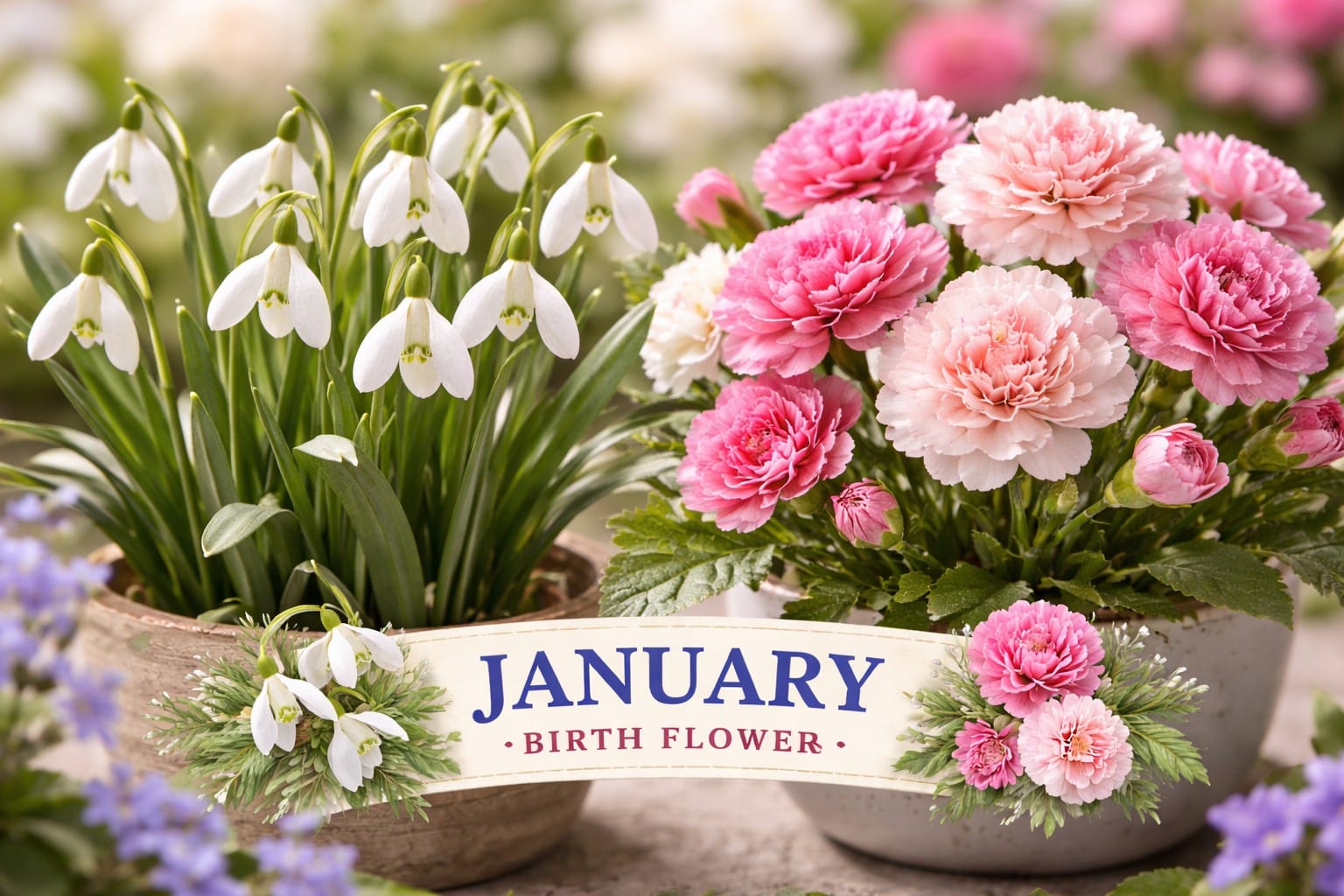
The January birth flower represents love, strength, hope, and resilience. People born in January are traditionally associated with two birth flowers: carnation and snowdrop. These flowers bloom during one of the coldest months of the year, making them powerful symbols of endurance, devotion, and fresh beginnings.
This complete guide covers everything you need to know about the January birth flower, including meanings, symbolism, history, cultural importance, flower colors, growing conditions, care tips, uses, gift ideas, personality traits, and frequently asked questions.
What Is the January Birth Flower
January has two official birth flowers, each carrying its own unique meaning.
The January birth flowers are:
- Carnation
- Snowdrop
Carnations symbolize love, fascination, and devotion, while snowdrops represent hope, rebirth, and purity. Together, they reflect emotional warmth and quiet strength during winter.
Carnation as a January Birth Flower
Carnations are one of the most popular and widely recognized flowers in the world. They are known for their ruffled petals, long vase life, and deep symbolism.
Meaning and Symbolism of Carnation
Carnations carry different meanings depending on color, but overall they symbolize deep emotions and affection.
Common meanings include:
- Love
- Fascination
- Devotion
- Gratitude
- Strength
Because carnations bloom even in cooler months, they are often linked to enduring love and resilience.
History and Cultural Significance of Carnation
Carnations have a rich and ancient history.
Historical highlights include:
- Used by Ancient Greeks in ceremonies and crowns
- Associated with Roman celebrations
- Popular in Christian symbolism
- Widely used in Victorian-era flower language
Carnations have long been seen as flowers of admiration and heartfelt emotion.
Appearance of Carnation Flowers
Carnations are easily recognizable.
Key characteristics include:
- Ruffled or frilled petals
- Single or clustered blooms
- Long, sturdy stems
- Mild, clove-like fragrance
They are available year-round due to their durability.
Carnation Colors and Their Meanings
Carnation colors each carry special symbolism.
- Red symbolizes deep love and admiration
- Pink represents gratitude and motherly love
- White stands for purity and good luck
- Yellow symbolizes disappointment or rejection
- Purple suggests unpredictability
Pink carnations are especially associated with January birthdays.
Growing and Caring for Carnations
Carnations are relatively easy to grow.
Light requirements:
- Full sun
Soil needs:
- Well-draining soil
- Slightly alkaline preferred
Watering:
- Moderate watering
- Allow soil to dry slightly between watering
Regular deadheading encourages more blooms.
Carnations in Gardens and Floral Arrangements
Carnations are extremely versatile.
Common uses include:
- Flower beds and borders
- Cut flower arrangements
- Bouquets and centerpieces
- Celebration décor
Their long-lasting blooms make them ideal for gifts.
Snowdrop as a January Birth Flower
Snowdrops are delicate flowers that often bloom through snow, making them a strong symbol of hope and renewal.
Meaning and Symbolism of Snowdrop
Snowdrops symbolize light during dark times.
Their meanings include:
- Hope
- Rebirth
- Purity
- Comfort
- New beginnings
Because they bloom at the heart of winter, snowdrops represent strength through hardship.
History and Folklore of Snowdrop
Snowdrops are rich in folklore.
Cultural associations include:
- European traditions of hope and renewal
- Christian symbolism of purity
- Folklore linking snowdrops to protection
In many cultures, snowdrops mark the end of winter.
Appearance of Snowdrop Flowers
Snowdrops are small but striking.
Key features include:
- White, bell-shaped flowers
- Green markings on inner petals
- Slender green stems
- Drooping bloom posture
Their simplicity adds to their charm.
Snowdrop Flower Color Meaning
Snowdrops are almost always white.
White symbolizes:
- Innocence
- Purity
- Peace
- Fresh beginnings
Their clean color contrasts beautifully with winter landscapes.
Growing and Caring for Snowdrops
Snowdrops are hardy and low maintenance.
Planting requirements:
- Plant bulbs in fall
Light needs:
- Full sun to partial shade
Soil conditions:
- Moist, well-draining soil
Watering:
- Minimal once established
Snowdrops naturalize easily and return every year.
Differences Between Carnation and Snowdrop
Although both are January birth flowers, they are very different in form and symbolism.
Carnation:
- Bold, colorful blooms
- Symbolizes love and admiration
- Common in bouquets
Snowdrop:
- Small, white winter flower
- Symbolizes hope and renewal
- Grows naturally outdoors
Together, they balance emotional warmth and quiet optimism.
January Birth Flower Personality Traits
Birth flowers are often linked to personality traits.
People associated with January birth flowers are often described as:
- Loyal and devoted
- Strong-willed
- Compassionate
- Patient
- Emotionally sincere
These traits reflect the symbolism of both carnations and snowdrops.
January Birth Flower Gift Ideas
Birth flowers make meaningful gifts.
Popular gift ideas include:
- Carnation bouquets
- Snowdrop bulbs
- Birth flower jewelry
- Floral art prints
- Personalized birthday gifts
These gifts feel thoughtful and symbolic.
Using January Birth Flowers in Decorations
January birth flowers work well in seasonal décor.
Decoration ideas include:
- Winter table centerpieces
- Indoor carnation arrangements
- Garden snowdrop clusters
- Floral-themed home accents
They bring warmth and hope to winter spaces.
Are January Birth Flowers Toxic
Safety is important to know.
Carnations:
- Mildly toxic to pets
- Can cause skin irritation
Snowdrops:
- Toxic if ingested
- Keep away from children and pets
Handle bulbs and flowers with care.
January Birth Flowers in Modern Culture
January birth flowers remain popular today.
They are featured in:
- Birth flower jewelry
- Tattoos
- Birthday cards
- Floral calendars
- Personalized gifts
Their meanings continue to resonate.
Growing January Birth Flowers Indoors
Carnations grow well indoors.
Indoor care tips for carnations:
- Bright sunlight
- Good air circulation
- Moderate watering
Snowdrops are best grown outdoors but can be forced indoors briefly.
Common Mistakes to Avoid
Avoid these mistakes for healthy plants.
- Overwatering
- Poor drainage
- Too much shade for carnations
- Planting snowdrop bulbs too shallow
Proper care ensures long-lasting beauty.
Frequently Asked Questions
January has two birth flowers: carnation and snowdrop. Carnations symbolize love and devotion, while snowdrops represent hope and renewal. Carnations come in many colors, each with its own meaning. Snowdrops bloom in winter and are very hardy. Both flowers are meaningful and easy to care for.
Final Thoughts
The January birth flower, represented by carnation and snowdrop, perfectly reflects the spirit of the new year. Carnations express love, admiration, and emotional warmth, while snowdrops symbolize hope, purity, and fresh beginnings. Together, they remind us that even in the coldest season, beauty and renewal are always possible.
Whether used as gifts, garden plants, or decorations, January birth flowers carry timeless symbolism. Their resilience and meaning make them a perfect way to celebrate January birthdays and the promise of a new beginning.