
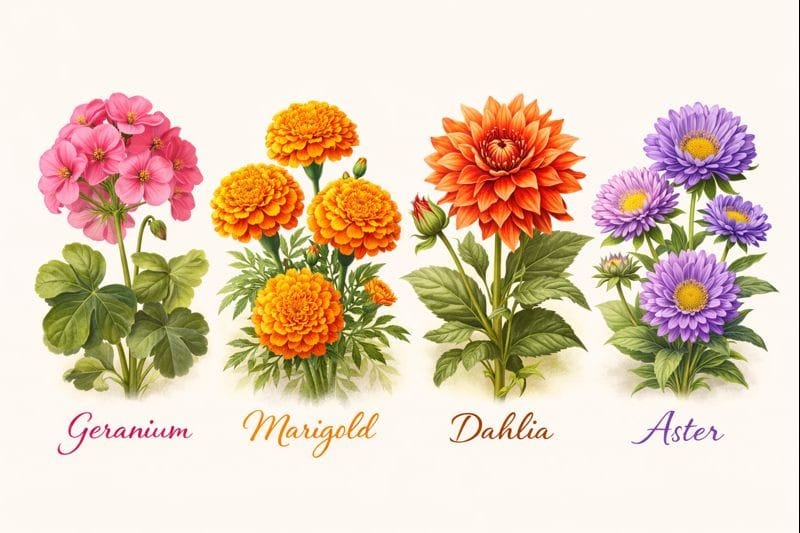
Flowers have been part of human life since the beginning of civilization. They decorate our homes, mark important moments, support ecosystems, and carry deep emotional meaning. Learning flower names is more than memorizing words. It helps you understand nature, choose the right plants for gardening, select meaningful flowers for gifts, and appreciate the diversity of the plant world.
This in-depth, long-form guide explores flower names in a clear, organized, and easy-to-understand way. It covers common flowers, garden flowers, indoor flowers, wildflowers, rare and exotic flowers, seasonal flowers, flower names by color, meanings, uses, and identification tips. By the end, you’ll have one of the most complete references to flower names available online.
What Are Flowers and Why Do Their Names Matter?
Flowers are the reproductive structures of flowering plants. They help plants produce seeds and attract pollinators like bees, butterflies, and birds. Over time, humans began naming flowers based on appearance, scent, place of origin, mythology, and cultural importance.
Flower names matter because they help us:
- Identify plants correctly
- Understand growing needs
- Communicate clearly across regions
- Preserve cultural and botanical history
Many flowers have both common names and scientific names. Common names are easier to remember, while scientific names are used globally to avoid confusion.
Most Common Flower Names in the World
These flowers are recognized almost everywhere and are widely grown in gardens, parks, and homes.
- Rose
- Lily
- Tulip
- Sunflower
- Daisy
- Marigold
- Jasmine
- Lotus
- Orchid
- Hibiscus
- Carnation
- Chrysanthemum
- Lavender
- Petunia
- Geranium
- Poppy
- Dahlia
- Peony
- Iris
- Magnolia
These flowers are popular because they are visually appealing, meaningful, and adaptable to different climates.
Garden Flower Names
Garden flowers are chosen for color, bloom duration, and ease of care. They create beauty while supporting pollinators.
- Zinnia
- Cosmos
- Pansy
- Begonia
- Petunia
- Snapdragons
- Salvia
- Coneflower
- Black-eyed Susan
- Phlox
- Alyssum
- Coreopsis
- Gaillardia
- Lantana
- Sweet Pea
Many garden flowers bloom for months and are ideal for beginners.
Indoor Flower Names
Indoor flowers are grown inside homes and offices. They often prefer indirect light and controlled watering.
- Peace Lily
- Anthurium
- African Violet
- Orchid
- Bromeliad
- Kalanchoe
- Begonia
- Amaryllis
- Christmas Cactus
- Cyclamen
- Gloxinia
Indoor flowers improve air quality, mood, and interior aesthetics.
Wildflower Names
Wildflowers grow naturally with little human care. They are essential for biodiversity.
- Bluebell
- Cornflower
- Buttercup
- Dandelion
- Lupine
- Foxglove
- Queen Anne’s Lace
- Indian Paintbrush
- California Poppy
- Oxeye Daisy
- Chicory
- Yarrow
Wildflowers are often used in meadow gardens and restoration projects.
Rare and Exotic Flower Names
Rare flowers are known for their uniqueness, limited habitats, or unusual appearance.
- Ghost Orchid
- Corpse Flower
- Middlemist Red
- Jade Vine
- Chocolate Cosmos
- Black Bat Flower
- Monkey Face Orchid
- Blue Lotus
- Franklin Tree Flower
- Parrot’s Beak Flower
These flowers are prized by collectors and botanical gardens.
Tropical Flower Names
Tropical flowers thrive in warm, humid climates and are known for bold colors.
- Hibiscus
- Bird of Paradise
- Heliconia
- Plumeria
- Frangipani
- Torch Ginger
- Ixora
- Anthurium
- Tiare Flower
- Canna Lily
They are often used in landscaping and cultural ceremonies.
Seasonal Flower Names
Spring Flowers
- Tulip
- Daffodil
- Hyacinth
- Crocus
- Cherry Blossom
- Lilac
- Magnolia
Summer Flowers
- Sunflower
- Rose
- Zinnia
- Gladiolus
- Cosmos
- Hibiscus
Autumn Flowers
- Chrysanthemum
- Aster
- Dahlia
- Goldenrod
- Sedum
Winter Flowers
- Poinsettia
- Camellia
- Hellebore
- Snowdrop
- Winter Jasmine
Knowing seasonal flowers helps with gardening and gift selection.
Flower Names by Color
Red Flowers
- Rose
- Poppy
- Hibiscus
- Geranium
- Tulip
White Flowers
- Lily
- Jasmine
- Gardenia
- Daisy
- Magnolia
Yellow Flowers
- Sunflower
- Marigold
- Daffodil
- Buttercup
- Coreopsis
Pink Flowers
- Peony
- Carnation
- Azalea
- Cherry Blossom
Purple and Blue Flowers
- Lavender
- Iris
- Orchid
- Bluebell
- Delphinium
Color often affects emotional and symbolic meaning.
Flower Names and Their Meanings
Flowers have symbolic meanings used in traditions and celebrations.
- Rose – Love and passion
- Lily – Purity and renewal
- Lotus – Enlightenment and rebirth
- Sunflower – Loyalty and happiness
- Daisy – Innocence
- Orchid – Strength and beauty
- Chrysanthemum – Longevity and honor
- Lavender – Calm and healing
- Poppy – Remembrance
These meanings are widely used in bouquets and ceremonies.
Medicinal and Herbal Flower Names
Some flowers are valued for health benefits.
- Chamomile
- Calendula
- Lavender
- Echinacea
- Hibiscus
- Rose
- Elderflower
They are used in teas, oils, skincare, and traditional remedies.
Fragrant Flower Names
Fragrance is a major reason flowers are loved.
- Jasmine
- Rose
- Gardenia
- Tuberose
- Lily
- Freesia
- Sweet Pea
Fragrant flowers are often used in perfumes and aromatherapy.
How to Identify Flower Names Correctly
- Observe petal shape and number
- Check leaf size and arrangement
- Note fragrance
- Look at plant height and growth habit
- Notice bloom season
Using plant identification apps and gardening books also helps.
Common Mistakes When Learning Flower Names
- Confusing similar-looking flowers
- Relying only on color
- Ignoring plant structure
- Mixing common names with scientific ones
Learning step by step makes identification easier.
Uses of Flowers in Daily Life
- Gardening and landscaping
- Gifts and celebrations
- Religious rituals
- Traditional medicine
- Perfumes and cosmetics
- Art and symbolism
Flowers are deeply woven into human culture.
Interesting Facts About Flower Names
- Some flowers are named after people or places
- One flower can have many common names
- Scientific names are written in Latin
- Some flowers are named based on myths
- Certain names change across regions
FAQs About Flower Names
Q: How many types of flowers exist?
A: There are over 300,000 flowering plant species worldwide.
Q: Why do flowers have multiple names?
A: Different languages and cultures create different common names.
Q: Are scientific names important?
A: Yes, they prevent confusion across regions.
Q: Can flower names change over time?
A: Common names may change, scientific names usually remain stable.
Q: Are all flowers safe?
A: No, some flowers are toxic to humans or pets.
Final Thoughts
Flower names open the door to understanding nature’s beauty, diversity, and meaning. From everyday garden blooms to rare exotic wonders, flowers shape our environment and emotions. Learning flower names helps you garden smarter, gift thoughtfully, and appreciate plants on a deeper level. Whether you are a beginner or a true flower enthusiast, knowing flower names turns simple blooms into stories worth remembering.