
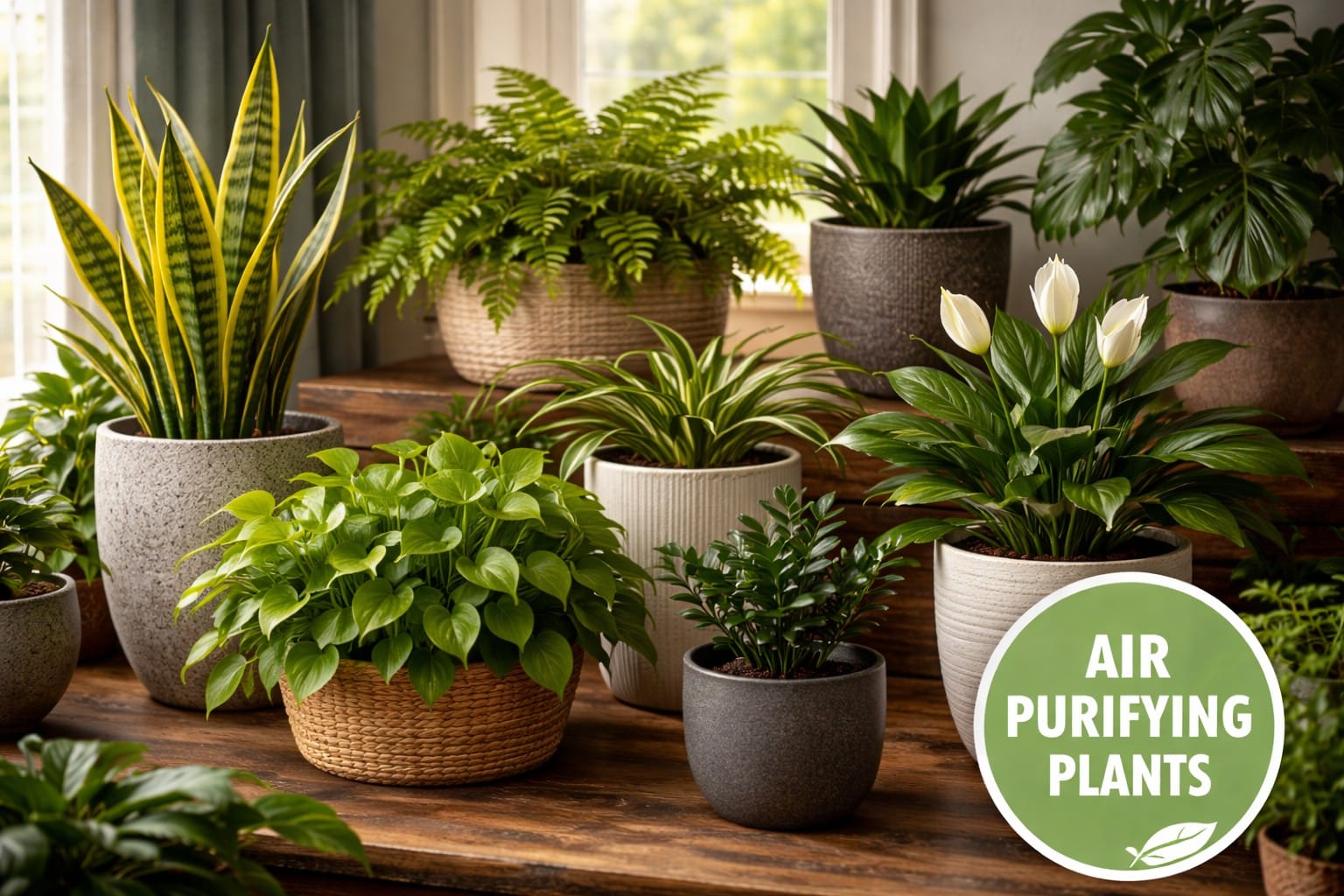
Indoor plants are more than decoration. They can improve your mood, reduce stress, and even clean the air you breathe. Some houseplants are natural air purifiers, helping remove toxins and pollutants from your home. This guide covers everything you need to know about air purifier houseplants — which plants are best, how to care for them, and expert tips for maximizing their benefits.
Why Air Purifier Houseplants Matter
Modern homes often have hidden pollutants from:
- Cleaning products
- Paints and furniture
- Pet dander and dust
- Cooking fumes
While air purifiers can help, certain houseplants naturally filter the air. They absorb toxins like formaldehyde, benzene, and ammonia while releasing fresh oxygen. Plus, they make your space look lively and cozy.
Top Air Purifier Houseplants
Here are some of the most effective indoor plants for cleaner air:
1. Snake Plant (Sansevieria)
- Benefits: Absorbs toxins like formaldehyde and benzene
- Care: Low light, drought-tolerant, easy for beginners
- Tips: Avoid overwatering; wipe leaves occasionally to remove dust
2. Peace Lily (Spathiphyllum)
- Benefits: Filters ammonia, benzene, formaldehyde
- Care: Thrives in indirect light, keep soil moist
- Tips: Flowers bloom in low light, add fertilizer in growing season
3. Spider Plant (Chlorophytum comosum)
- Benefits: Removes carbon monoxide and xylene
- Care: Indirect light, regular watering
- Tips: Produces baby plants that can be replanted
4. Aloe Vera
- Benefits: Cleans benzene and formaldehyde; also has medicinal properties
- Care: Needs bright, indirect light, water sparingly
- Tips: Avoid waterlogging; can also be used for minor burns
5. Bamboo Palm (Chamaedorea seifrizii)
- Benefits: Filters benzene and trichloroethylene
- Care: Low to medium light, likes humidity
- Tips: Great for corners; grows tall and adds vertical greenery
6. English Ivy (Hedera helix)
- Benefits: Removes airborne mold and formaldehyde
- Care: Moderate sunlight, regular watering
- Tips: Can be grown in hanging pots or allowed to trail
7. Rubber Plant (Ficus elastica)
- Benefits: Removes formaldehyde
- Care: Bright, indirect light, moderate watering
- Tips: Wipe leaves to maximize air-purifying effect
How Air Purifier Plants Work
Plants clean indoor air through natural processes:
- Absorption: Roots take in toxins from soil
- Transpiration: Leaves release oxygen while reducing pollutants
- Microorganisms in soil: Break down harmful chemicals
Even a small number of plants can make a noticeable difference, especially in rooms where air circulation is limited.
Choosing the Right Plants for Your Home
Light Conditions
- Low light: Snake plant, peace lily
- Medium light: Spider plant, bamboo palm
- Bright light: Aloe vera, rubber plant
Size and Space
- Small spaces: Aloe vera, spider plant
- Large rooms: Bamboo palm, rubber plant
Maintenance Level
- Easy: Snake plant, spider plant
- Moderate: Rubber plant, peace lily
- Challenging: English ivy (needs regular trimming)
How to Maximize Air Purification
1. Group Plants Together
Plants in clusters can filter more air effectively than scattered single plants.
2. Use the Right Pot and Soil
- Drainage holes prevent root rot
- Well-draining soil ensures healthy roots
3. Keep Plants Clean
Dust blocks leaves from absorbing toxins. Wipe leaves weekly with a damp cloth.
4. Rotate Plants
Rotate plants occasionally to expose all leaves to light and maintain even growth.
5. Combine With Other Air Purifiers
Plants work best as part of an overall air-cleaning strategy. A HEPA filter plus a few key plants can greatly improve indoor air quality.
Common Mistakes to Avoid
- Overwatering: Most air-purifying plants hate soggy soil.
- Ignoring light needs: Even low-light plants need some indirect sunlight.
- Crowding plants: Overcrowding reduces airflow and growth.
- Skipping fertilization: Light feeding keeps plants healthy and active.
Seasonal Care Tips
Spring & Summer
- Plants grow faster, so monitor water and feed lightly
- Repot if roots outgrow the current pot
Fall & Winter
- Growth slows — water less
- Keep plants away from cold drafts and heaters
Air Purifier Plants for Specific Rooms
Bedroom
- Snake plant: Produces oxygen at night
- Peace lily: Improves sleep quality
Kitchen
- Aloe vera: Cleans benzene from cooking fumes
- Spider plant: Absorbs odors
Living Room
- Rubber plant: Adds height and removes formaldehyde
- Bamboo palm: Filters common living room toxins
FAQs About Air Purifier Houseplants
Do these plants really clean the air?
Yes! Studies by NASA and other researchers show that many houseplants can remove toxins and improve indoor air quality.
How many plants do I need?
A general guideline is 1 plant per 100 square feet, but even a few plants can help.
Can pets be around these plants?
Some plants, like peace lilies and aloe, are toxic to cats and dogs. Always check toxicity before placing plants where pets can reach them.
Do I need special soil?
Regular houseplant potting mix works fine. Succulents like aloe need well-draining soil.
How long before I see results?
Air purification is gradual. Plants continuously clean air as long as they are healthy.
Expert Tips
- Choose a mix of plants that filter different toxins.
- Avoid chemical fertilizers that can release harmful compounds.
- Monitor indoor humidity — some plants thrive better with moderate humidity.
- Repot plants every 1–2 years to refresh soil and support root health.
Final Thoughts
Air purifier houseplants are a natural, beautiful way to improve indoor air quality. With the right selection, placement, and care, they can remove toxins, boost oxygen levels, and make your home healthier and more inviting. Even a small indoor garden can make a big difference for your well-being.
Adding a few snake plants, peace lilies, and aloe vera to your home is an easy first step toward cleaner air and a happier indoor environment.