
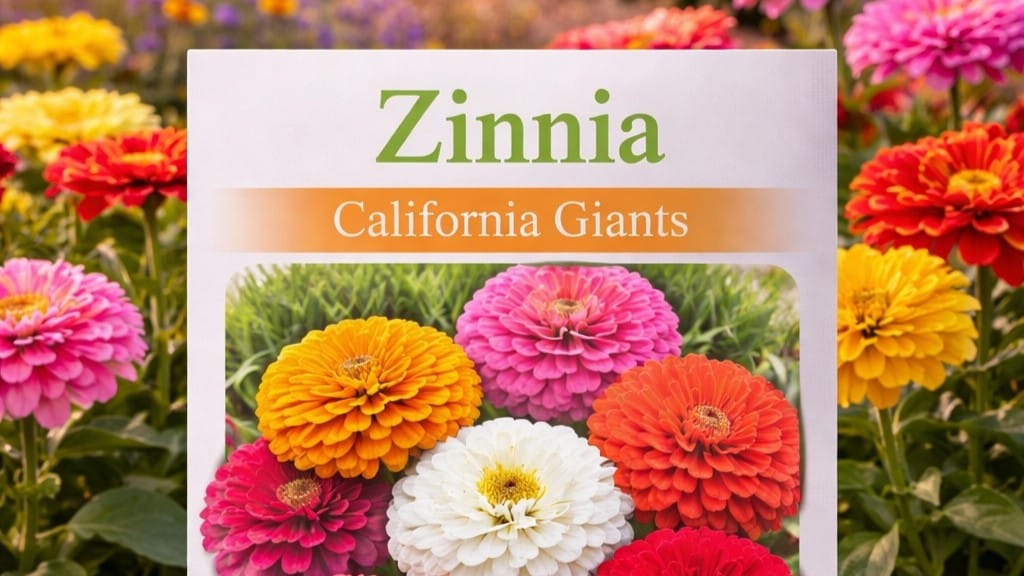
Zinnia flower seeds are one of the easiest and most rewarding seeds to grow for gardeners of all skill levels. Zinnias are famous for their bright, bold colors, fast growth, long blooming season, and low maintenance needs. From garden beds to pots and borders, zinnias grow quickly from seed and produce continuous flowers from early summer until the first frost.
This detailed guide covers everything you need to know about zinnia flower seeds, including seed selection, planting methods, soil preparation, watering, care tips, common mistakes, pests, harvesting seeds, and expert advice for abundant blooms.
What Are Zinnia Flower Seeds
Zinnia seeds come from plants in the Zinnia genus, which includes annual flowering plants native to warm regions. Zinnias are grown almost entirely from seed and bloom in a wide range of colors, shapes, and sizes.
Key characteristics of zinnia seeds and plants:
Fast germination and growth
Annual flowering plants
Wide color range including red, pink, orange, yellow, purple, and white
Attract butterflies and pollinators
Excellent for cut flowers
Zinnias are ideal for beginners because they are forgiving and grow quickly.
Types of Zinnia Flower Seeds
Different zinnia varieties suit different garden spaces and purposes.
Zinnia elegans
Tall plants with large flowers
Perfect for garden beds and cut flowers
Blooms all summer
Dwarf Zinnias
Compact plants
Great for pots and borders
Easy to maintain
Zinnia angustifolia
Narrow-leaf variety
More heat and disease resistant
Smaller flowers but very prolific
Giant Zinnias
Large, showy blooms
Excellent for bouquets
Require staking in windy areas
Mixed Zinnia Seeds
Blend of colors and sizes
Ideal for colorful garden displays
Why Grow Zinnias From Seeds
Zinnias perform best when grown directly from seed.
Benefits include:
Faster establishment
Stronger root systems
Lower cost compared to nursery plants
Wide variety selection
High success rate
Zinnia seeds germinate quickly, often within a week.
When to Plant Zinnia Flower Seeds
Timing is crucial for success.
Best planting time:
After the last frost
When soil temperature is above 60°F (16°C)
Spring to early summer
Zinnias do not tolerate frost, so wait until warm weather arrives.
Where to Plant Zinnia Seeds
Zinnias love sunlight and open space.
Ideal location:
Full sun (6–8 hours daily)
Good air circulation
Well-draining soil
Poor airflow can lead to disease, so spacing matters.
Soil Requirements for Zinnia Seeds
Zinnias are not picky but perform best in good soil.
Ideal soil conditions:
Well-draining soil
Loamy or sandy texture
Moderate fertility
Neutral to slightly acidic pH
Avoid overly rich soil, which can cause leafy growth with fewer flowers.
How to Plant Zinnia Flower Seeds
Zinnia seeds can be planted directly into the ground or containers.
Direct Sowing in the Ground
Prepare soil and remove weeds
Loosen topsoil
Plant seeds ¼ inch deep
Space seeds 6–12 inches apart
Cover lightly with soil
Water gently
Planting in Pots
Choose pots with drainage holes
Use quality potting mix
Sow seeds ¼ inch deep
Water lightly
Place in a sunny location
Seeds usually germinate in 5–10 days.
Watering Zinnia Seedlings
Proper watering helps young plants thrive.
Watering tips:
Keep soil lightly moist until germination
Avoid overwatering
Water at the base, not on leaves
Once established, water deeply but less frequently
Zinnias prefer slightly dry soil over soggy conditions.
Sunlight Requirements
Sun is essential for strong plants and vibrant blooms.
Sunlight needs:
Full sun for best flowering
Minimum 6 hours direct sunlight
More sun equals more flowers
Plants grown in shade produce fewer blooms and weaker stems.
Fertilizing Zinnias
Zinnias need minimal feeding.
Fertilizer tips:
Light feeding once plants are established
Use balanced fertilizer sparingly
Avoid high nitrogen fertilizers
Compost works well
Too much fertilizer reduces flower production.
Thinning and Spacing
Proper spacing improves plant health.
Spacing guidelines:
Tall varieties: 12–18 inches apart
Dwarf varieties: 6–8 inches apart
Ensure airflow between plants
Thinning prevents overcrowding and disease.
Blooming Season
Zinnias are long bloomers.
Blooming details:
Begin flowering 6–8 weeks after planting
Bloom continuously through summer
Flowers last until first frost
Deadheading extends bloom time
Regular harvesting encourages new flowers.
Deadheading and Pruning
Deadheading keeps plants blooming.
How to deadhead:
Remove spent flowers regularly
Cut just above a leaf node
Encourages branching and more blooms
For cut flowers, harvesting acts as deadheading.
Common Problems and Solutions
Powdery Mildew
Cause: Poor airflow and humidity
Solution: Proper spacing, full sun, avoid overhead watering
Yellow Leaves
Cause: Overwatering or poor drainage
Solution: Improve drainage, water less
Poor Flowering
Cause: Too much nitrogen or shade
Solution: Reduce fertilizer, increase sunlight
Pests
Aphids, spider mites, leaf miners
Use neem oil or insecticidal soap
Zinnias are generally hardy and pest-resistant.
Growing Zinnias in Containers
Zinnias thrive in pots.
Container tips:
Choose dwarf or compact varieties
Use pots at least 8–12 inches deep
Ensure excellent drainage
Water regularly in hot weather
Container zinnias add color to balconies and patios.
Saving Zinnia Flower Seeds
Zinnia seeds are easy to save for next season.
Seed saving steps:
Allow flowers to fully dry on the plant
Remove dried flower heads
Break apart petals to collect seeds
Store seeds in a cool, dry place
Saved seeds may produce slight color variations.
Companion Planting
Zinnias grow well with many plants.
Good companions:
Marigolds
Cosmos
Sunflowers
Vegetables like tomatoes and peppers
Zinnias also attract beneficial insects.
Zinnias for Pollinators
Zinnias are excellent pollinator plants.
Pollinator benefits:
Attract butterflies
Loved by bees
Supports garden biodiversity
Single-flowered varieties are best for pollinators.
Beginner Mistakes to Avoid
Planting too early before frost
Overwatering seedlings
Overcrowding plants
Over-fertilizing
Growing in shade
Avoiding these mistakes ensures success.
Frequently Asked Questions
How long do zinnia seeds take to germinate
Usually 5–10 days
Do zinnias come back every year
No, they are annuals but reseed easily
Can zinnias grow in pots
Yes, especially dwarf varieties
Do zinnias need staking
Only tall varieties in windy areas
Are zinnias easy to grow
Yes, one of the easiest flowers from seed
Expert Tips for Bigger Blooms
Plant in full sun
Provide good airflow
Deadhead regularly
Water at soil level
Avoid excessive fertilizer
Simple care results in vibrant, nonstop flowers.
Final Thoughts
Zinnia flower seeds are a perfect choice for gardeners who want fast growth, bold color, and long-lasting blooms with minimal effort. Whether grown in garden beds, borders, or containers, zinnias reward you with nonstop flowers, pollinator activity, and easy maintenance.
By planting at the right time, providing full sun, well-draining soil, and simple care, zinnias will fill your space with bright, cheerful flowers all season long, making them one of the most satisfying flowers to grow from seed.