
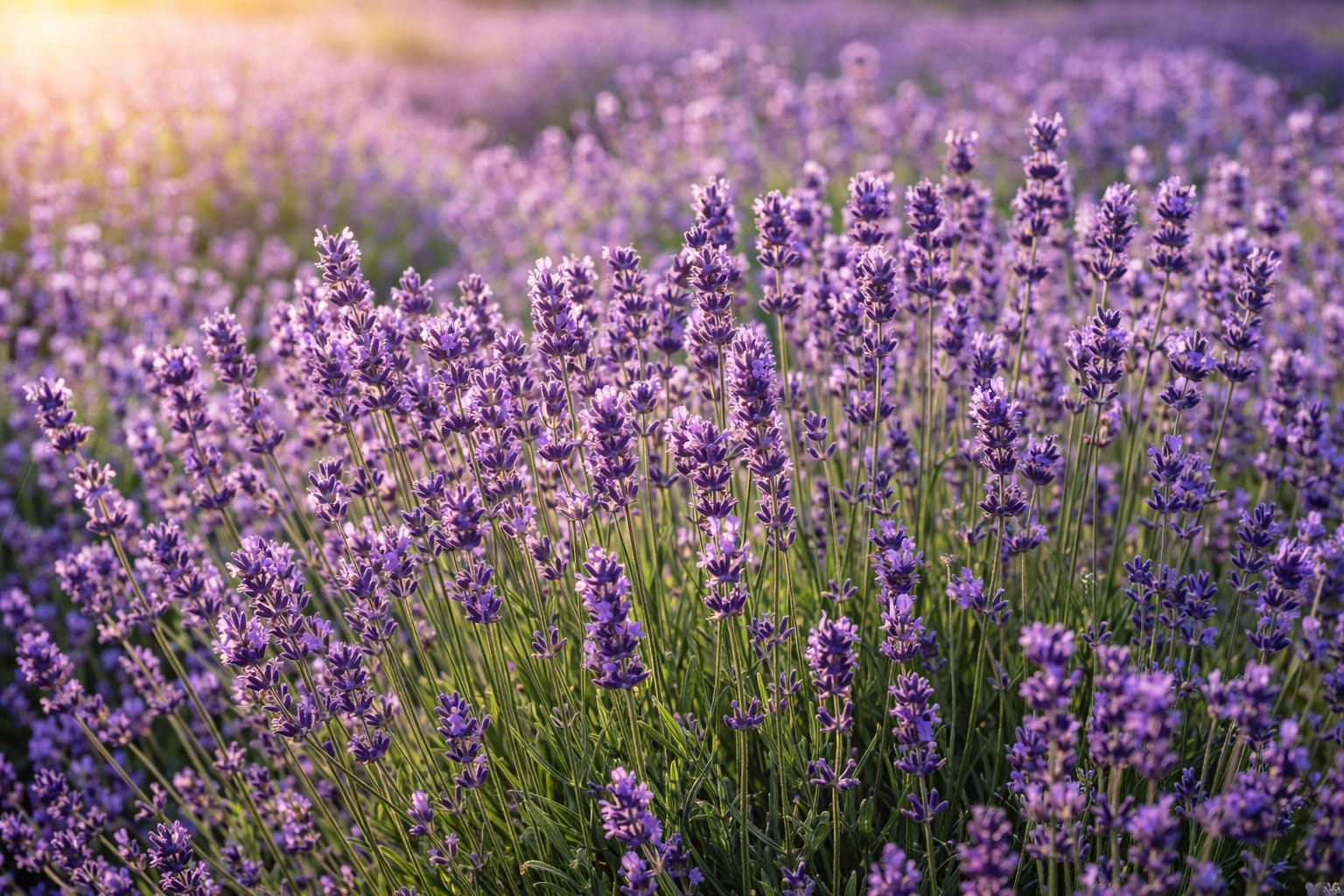
Lavender is loved for its soft purple flowers, calming fragrance, and long-lasting beauty, but many gardeners ask the same question: when do lavender plants flower? The flowering time depends on the lavender type, climate, and how the plant is cared for. With the right conditions, lavender can bloom once—or even multiple times—each year.
This complete guide explains when lavender flowers bloom, how long they last, what affects flowering, and how to encourage more blooms.
General Lavender Flowering Season
In most regions, lavender flowers during late spring through summer.
Typical flowering period:
Late spring to early summer for the first bloom
Mid to late summer for additional blooms
In warm climates, flowering can extend into early fall
Most lavender plants bloom for 3–8 weeks, depending on variety and care.
Lavender Flowering by Type
Different lavender species bloom at slightly different times.
English Lavender (Lavandula angustifolia)
Bloom time:
Late spring to early summer
Flowering details:
Most cold-hardy variety
Often blooms once, with a possible second lighter bloom
Popular varieties include Hidcote and Munstead
French Lavender (Lavandula dentata)
Bloom time:
Late spring through fall in warm climates
Flowering details:
Long blooming season
Less cold-hardy
Often grown in mild or Mediterranean climates
Spanish Lavender (Lavandula stoechas)
Bloom time:
Early to mid-spring
Flowering details:
Distinctive “rabbit ear” flowers
Blooms earlier than other lavenders
May rebloom in late summer
Hybrid Lavender (Lavandin – Lavandula x intermedia)
Bloom time:
Mid to late summer
Flowering details:
Large flower spikes
Strong fragrance
Often blooms once but very heavily
Lavender Flowering by Climate
Climate plays a major role in bloom timing.
Cool climates:
Flowers bloom later, usually early to mid-summer
Blooming season is shorter
Warm climates:
Flowers appear earlier, sometimes in early spring
Longer flowering period
Possible multiple blooms per year
Mediterranean and subtropical regions often enjoy the longest lavender flowering seasons.
How Old Does Lavender Need to Be to Flower?
Lavender flowering depends on plant maturity.
From seed:
May take 1–2 years to flower
From nursery plants or cuttings:
Often flowers in the first growing season
Young plants focus on root development before producing many blooms.
How Long Do Lavender Flowers Last?
Lavender flowers can last:
2–4 weeks on the plant
Longer if harvested early
Several weeks when dried
Regular harvesting and pruning help extend the blooming season.
Factors That Affect Lavender Flowering
Several conditions influence when and how well lavender blooms.
Sunlight:
Needs full sun
At least 6–8 hours daily
Soil:
Well-draining soil is essential
Poor drainage reduces flowering
Water:
Too much water reduces blooms
Drought-tolerant once established
Temperature:
Warm days encourage flowering
Cold delays blooming
Fertilizer:
Too much fertilizer causes leafy growth
Low-nutrient soil promotes flowers
How to Encourage Lavender to Flower More
If your lavender isn’t blooming well, these tips help.
Encouraging blooms:
Plant in full sun
Use sandy or well-draining soil
Avoid rich fertilizers
Water sparingly
Prune after flowering
Healthy stress actually encourages more flowers in lavender.
Pruning and Reblooming Lavender
Pruning plays a big role in repeat flowering.
Pruning tips:
Cut back spent flowers after first bloom
Remove about one-third of the plant
Do not cut into woody stems
Prune lightly again after second bloom
Proper pruning can trigger a second or even third bloom in some varieties.
Lavender Flowering Indoors vs Outdoors
Outdoor lavender:
Blooms more reliably
Stronger fragrance
Larger flower spikes
Indoor lavender:
May flower less frequently
Needs very bright light
Best placed near sunny windows
Lavender generally performs best outdoors.
Lavender Flower Color and Bloom Stage
Lavender flowers change appearance as they mature.
Bloom stages:
Tight buds – strongest fragrance
Partial bloom – ideal for harvesting
Full bloom – best visual display
Faded flowers – time to prune
Harvest timing depends on your goal—fragrance, oil, or appearance.
Common Reasons Lavender Doesn’t Flower
If lavender isn’t blooming, common causes include:
Too little sunlight
Overwatering
Heavy or clay soil
Too much fertilizer
Plant is too young
Incorrect pruning
Fixing these issues usually restores blooming.
Seasonal Lavender Flowering Calendar
Spring:
Spanish lavender blooms early
New growth begins
Summer:
English and hybrid lavenders bloom
Main flowering season
Fall:
Possible rebloom in warm climates
Growth slows
Winter:
No flowering
Plant rests or goes dormant
Understanding the cycle helps with care and pruning.
Final Thoughts
Lavender plants usually flower from late spring through summer, with exact timing depending on the variety and climate. Some types bloom once, while others can flower multiple times with proper pruning. Full sun, well-draining soil, minimal watering, and light pruning are the keys to consistent lavender blooms.
With the right care, lavender rewards gardeners with beautiful purple flowers, calming fragrance, and months of visual appeal, making it one of the most beloved flowering plants in gardens worldwide. 🌿💜