
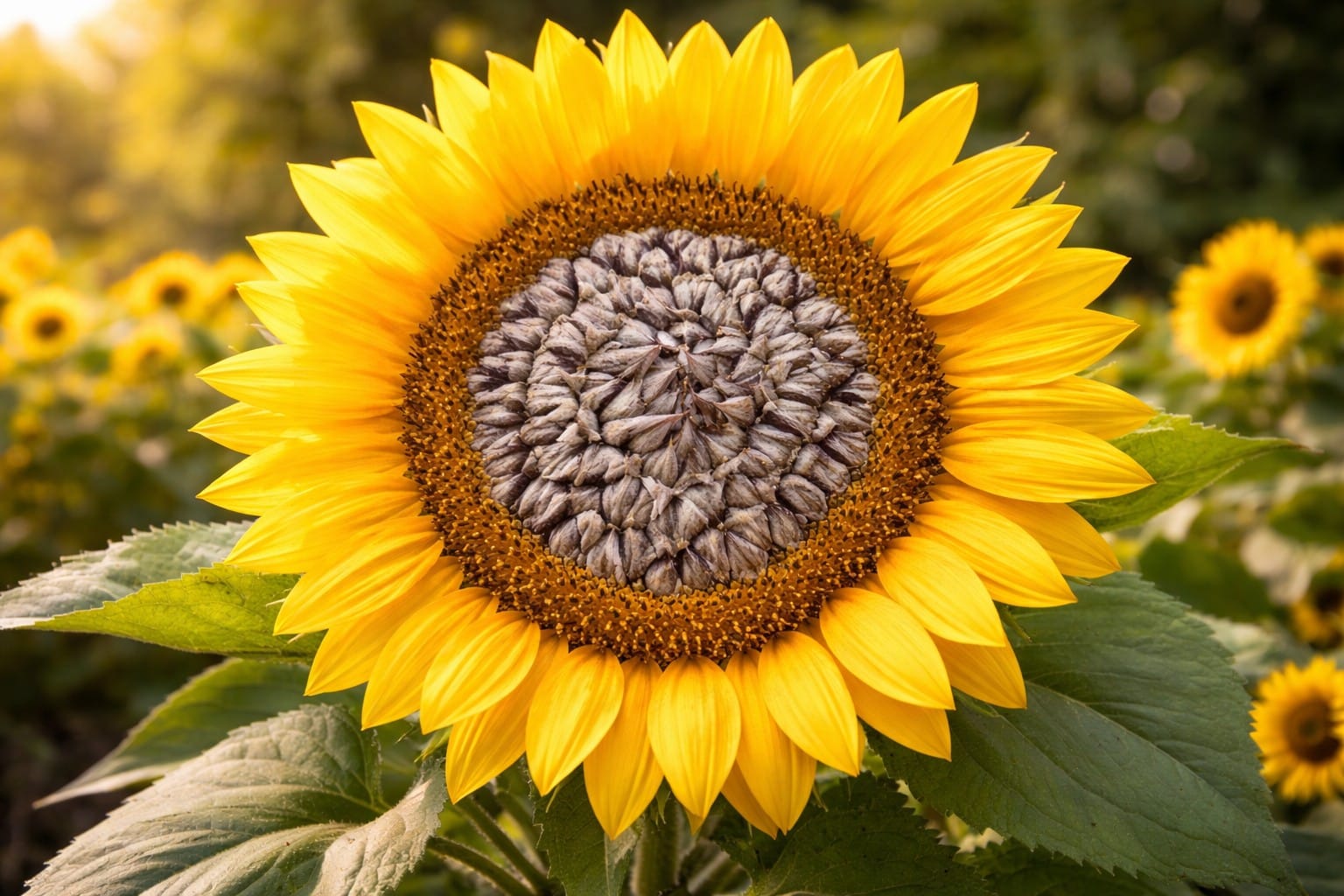
Sunflower seeds on flowers are the starting point for one of the most iconic and easy-to-grow garden plants. Sunflowers (Helianthus annuus) are known for their tall stems, bright yellow blooms, and edible seeds. Planting sunflower seeds directly in soil produces stunning flowers and nutritious seeds you can harvest, eat, or save for next season.
This guide covers everything about sunflower seeds on flowers, including seed selection, planting, soil preparation, watering, sunlight, care tips, harvesting, and common mistakes.
Understanding Sunflower Seeds
Sunflower seeds are the edible seeds produced inside sunflower flower heads. They contain the nutrients needed to grow a new plant. These seeds are either consumed as food or planted to grow new sunflowers.
Key points about sunflower seeds:
They are easy to germinate
Grow into tall, striking flowers
Provide edible seeds after flowering
Attract pollinators such as bees and birds
Sunflower seeds can be black, striped, or white depending on the variety.
Choosing Sunflower Seeds
There are many sunflower seed varieties to choose from, depending on your goal:
For Garden Flowers:
Tall, large blooms up to 10 feet tall
Bright yellow petals
Great for visual appeal
For Edible Seeds:
Medium-height plants
Seeds are black or striped
Perfect for roasting or snacking
Dwarf Varieties:
Compact plants for pots and small gardens
Short stems, full blooms
Easy to manage
Specialty Varieties:
Red, orange, or multicolored petals
Unique shapes for decoration or cutting
Choose seeds based on your space, taste preference, and purpose.
When to Plant Sunflower Seeds
Timing is critical for sunflowers:
Plant after the last frost in spring when soil has warmed to at least 50°F (10°C)
Direct sowing outdoors works best for most varieties
Indoor starting is possible 2–3 weeks before last frost for early blooms
Sunflowers grow quickly and often bloom in 70–100 days.
Soil Preparation for Sunflower Seeds
Sunflowers grow best in well-draining, fertile soil:
Loosen soil 6–8 inches deep
Remove weeds and rocks
Add compost or organic matter
Ensure good drainage to avoid root rot
Sunflowers are adaptable but thrive in slightly acidic to neutral soil (pH 6.0–7.5).
How to Plant Sunflower Seeds
Step-by-step planting guide:
- Choose a sunny location – full sun for 6–8 hours daily
- Plant seeds 1–2 inches deep in prepared soil
- Space seeds 6–12 inches apart depending on variety
- Cover lightly with soil and press gently
- Water thoroughly after planting
For multiple rows, leave at least 2–3 feet between rows for tall varieties.
Watering Sunflower Seeds
Watering properly ensures strong seedlings:
Keep soil moist until seeds germinate
Avoid overwatering to prevent rot
Once established, sunflowers are moderately drought-tolerant
Water deeply to encourage strong roots
Regular watering encourages healthy stems and larger flowers.
Sunlight Requirements
Sunflowers need full sun to grow well:
6–8 hours of direct sunlight per day
Partial shade reduces flower size and stem strength
More sun equals more blooms
Sunlight also improves seed development in mature flower heads.
Supporting Sunflowers
Tall sunflower varieties may need staking:
Use bamboo sticks or garden stakes
Tie stems gently to support
Prevent flowers from toppling in wind
Dwarf varieties generally do not require support.
Fertilizing Sunflowers
Fertilization helps maximize growth:
Use balanced, slow-release fertilizer at planting
Side-dress with compost during early growth
Avoid excessive nitrogen – promotes leaf growth but fewer flowers
Healthy soil usually provides most nutrients needed.
Pest and Disease Control
Common sunflower pests:
Aphids, caterpillars, sunflower beetles, birds
Common diseases:
Powdery mildew, rust, and downy mildew
Control tips:
Remove damaged leaves
Use organic insecticidal soap if needed
Net flowers to protect seeds from birds
Maintaining good spacing improves air circulation and reduces disease risk.
Harvesting Sunflower Seeds
Sunflower seeds mature after flowers bloom:
Wait until flower heads droop and back of head turns brown
Cut flower heads with stem attached
Hang upside down in a dry, ventilated place
Remove seeds by rubbing or shaking
Seeds can be roasted, eaten raw, or stored for planting next season.
Saving Sunflower Seeds for Next Planting
Sunflower seeds are easy to save:
Allow seeds to dry completely
Remove debris
Store in airtight containers in a cool, dry place
Label with variety and year
Seeds remain viable for 2–3 years if stored properly.
Common Mistakes to Avoid
Planting too early in cold soil
Planting seeds too deep
Overcrowding seeds
Overwatering seedlings
Ignoring support for tall varieties
Avoiding these mistakes ensures strong growth and healthy flowers.
Companion Planting with Sunflowers
Sunflowers attract pollinators and can be paired with:
Tomatoes – sunflowers provide shade and support
Cucumbers – use tall sunflowers as a trellis
Corn – mimic natural companion planting
Herbs like basil and dill – attract beneficial insects
Sunflowers improve garden biodiversity and visual appeal.
Expert Tips for Bigger Sunflowers
Plant in rich, well-draining soil
Provide full sun
Water deeply but infrequently
Thin seedlings to reduce competition
Support tall varieties to prevent toppling
Remove weeds around the base
Healthy care results in taller plants, larger blooms, and more seeds.
Final Thoughts
Growing sunflower seeds on flowers is easy and rewarding. From sowing seeds to harvesting blooms and seeds, sunflowers provide visual beauty, edible seeds, and pollinator support. With proper soil, sunlight, water, and care, your sunflower planting can transform your garden into a bright, vibrant, and productive space.
Sunflowers are perfect for gardeners of all skill levels, offering quick growth, cheerful blooms, and nutritious seeds that can be enjoyed fresh, roasted, or replanted for the next season.